Capsule House Coastal Protection: Philippine Guide
How to specify a capsule house on Philippine coastlines: typhoon anchorage, salt corrosion protection, humidity control and the upkeep rhythm.
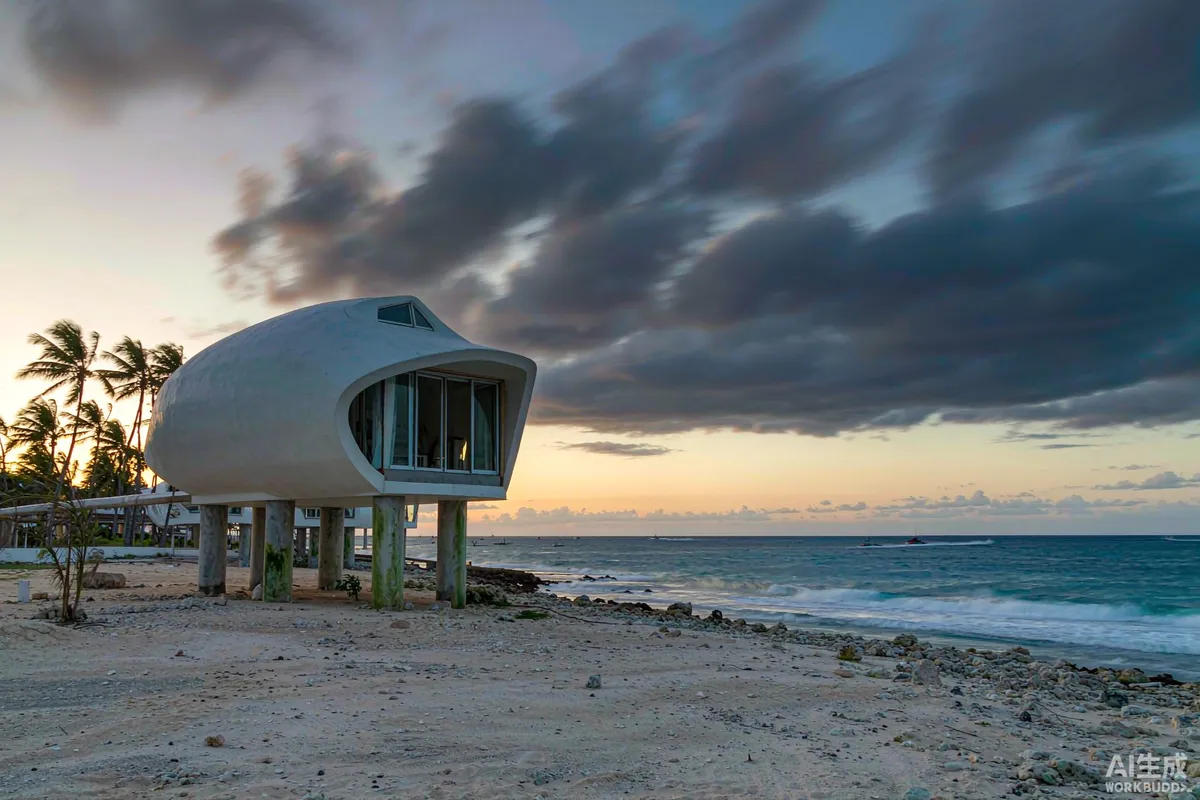
Three agents attack a capsule house on a Philippine shoreline, and they do not work on the same timeline. Typhoon wind is an event: it either destroys the unit on one bad night or it never does. Humidity is a season: given a sealed box and heavy air conditioning, condensation and mould usually appear within the first year if nothing was specified for them. Salt corrosion is a decade: it shows up as rust bleeding from fixings, seized mechanisms and failing coatings long after the purchase decision is forgotten. This guide takes them in the order they will cost you money, starting with the only one that can end the asset in a single night. The market-wide context is in the Philippines capsule house guide. Requirements may vary by application, market and applicable standard.
The Three Agents, Ranked by When They Cost You Money
Buyers tend to specify for the risk they can picture, which is usually the storm. In practice all three need design decisions, but they need different levels of urgency and different kinds of evidence.
| Agent | Typical time to visible damage | What it attacks first | The control that actually works |
|---|---|---|---|
| Typhoon wind | One event | Anchorage, glazing, roof-to-wall connections | Site-specific design wind value with a matching hold-down detail |
| Humidity and condensation | One season | Cold internal surfaces, wardrobes, mattresses, finishes | Thermal breaks, appropriate glazing, mechanical ventilation with a stated rate |
| Salt corrosion | Two to ten years | Fasteners, hinges, weld seams, coating edges, air conditioning coils | Stated coating system and substrate specification, plus a washing regime |
Note that the expensive ones are not the ones buyers negotiate hardest. Coastal specification is mostly the mundane business of naming a standard, requesting a value, and getting it into the order before production starts rather than after the unit has landed.
Wind Load Comes Before Corrosion, Because It Is Not Recoverable
Typhoon exposure in the Philippines is a structural design question, and it is answered with numbers that come from the site, not the catalogue. The sequence below is the one a local structural engineer will follow, and it is the sequence a buyer should fund.
Get the design wind parameter for your site first
The Philippines applies a national structural code with wind provisions, and it distinguishes terrain exposure — open coast, open sea fetch, suburban shelter and inland locations are not the same. Ask your engineer for the design wind speed and pressure used on your project, together with the importance factor appropriate to the occupancy, and put both into the order. A supplier quoting "typhoon resistant" without a number has not designed anything.
Anchorage, not panels, is what fails
- Hold-downs. The unit-to-foundation connection is the governing detail. Ask for bolt or anchor size, spacing, embedment depth and the substrate they go into, all as values on a drawing.
- Load path continuity. Wind uplift travels from the roof through the wall panels into the frame and down into the foundation. Ask how that path is made continuous and where the weakest link is.
- Foundation interface. A factory-made structure sitting on a locally built foundation fails at the joint between them. Confirm what the supplier's drawings show for the interface, and have a local engineer review it. Background on the on-site work: foundation cost drivers and site preparation requirements.
- The larger two-storey units. A double-height elevation catches more wind. Where a larger model such as the A70 is used in a two-storey configuration at an exposed coastal site, expect the wind and anchorage review to be more demanding than for a compact single-level unit.
Glazing: the product's signature and its weak point
Panoramic glass is why people buy these units, and it is also the largest unreinforced surface facing the wind. Ask for the design pressure the glazing units are rated for, whether laminated glass is used, and what provision exists for shutters or storm protection on the exposed elevations. If the unit is delivered with glazing rated for a lower pressure than your site needs, the answer is a change to the glazing specification or a shutter system, not a hope.
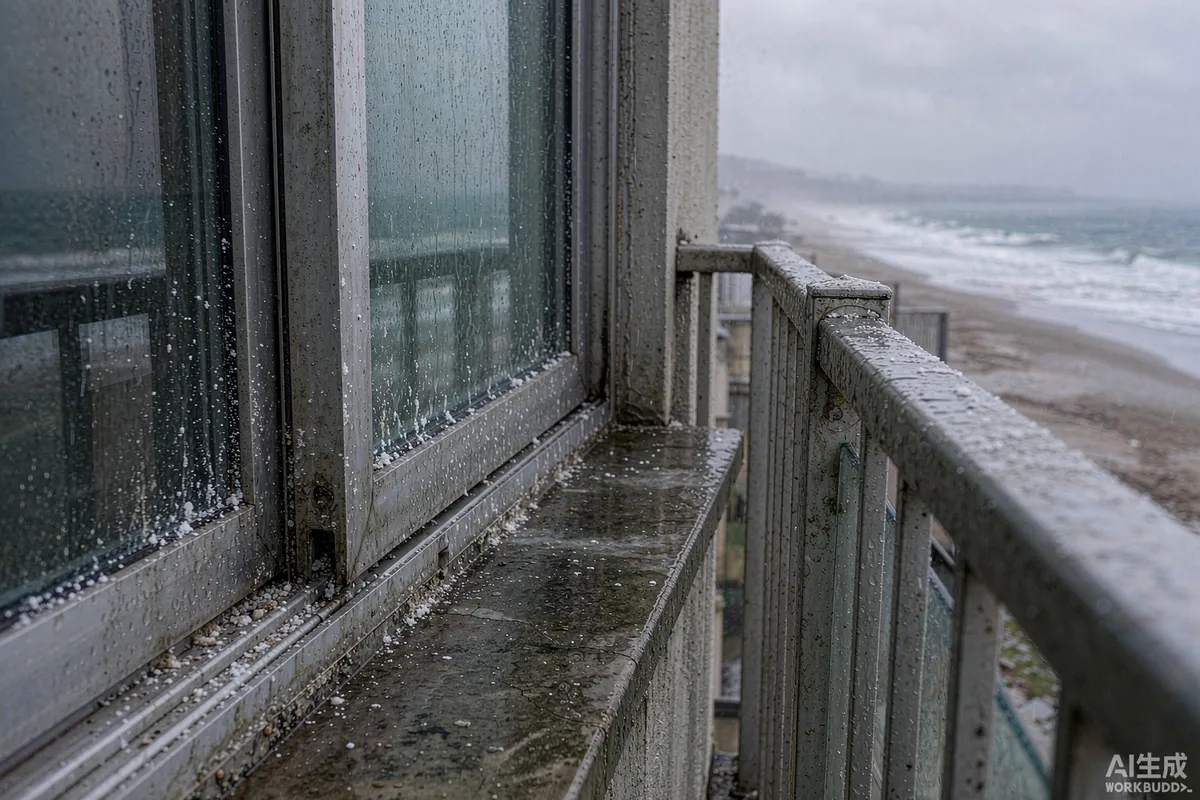
The dedicated discussion of wind-rated detailing, siting and storm preparation for Philippine conditions is in typhoon proofing for the Philippines; this page covers the corrosion and humidity side, which that topic does not.
Salt Spray Corrosion: Ask for a Coating System
Coastal corrosion is well understood by protective-coatings engineers, which means there is a vocabulary available and no excuse for vague answers. Atmospheric corrosivity categories are defined in international standards for paint systems, and marine environments fall into the higher categories. You do not need to be a coatings specialist to ask the right questions.
- Which category was the system designed for? Ask the supplier to state the corrosivity category targeted, with the standard referenced. If the answer is "marine grade paint", ask again in terms of the standard.
- Substrate and preparation. A coating is only as good as what it sits on. Ask for the steel substrate specification, the surface preparation standard used, and the coating mass or thickness where galvanising is part of the build-up.
- The full system, layer by layer. Primer, intermediate and topcoat, each with product type and specified dry film thickness. Salt attacks edges, welds and cut ends first, so ask how those are treated after fabrication.
- Fasteners and hardware. Hinges, lock bodies, bolts, brackets and sliding gear are the first things to seize. Ask which material specification they carry and whether the supplier will substitute a marine-suitable grade. Mixing dissimilar metals in a wet, salty environment creates galvanic corrosion — a design choice rather than a maintenance issue.
- Detail against trapped water. Horizontal ledges, sealed laps without drainage and boxed sections that hold moisture accelerate corrosion. Weep paths should be visible on the drawings.
- The condenser. Air conditioning coils in salt air lose fins and then capacity. Ask whether a coastal-rated coil treatment is offered, and specify an accessible position so the coil can be washed.
Humidity: The Complaint You Will Get in Year One
A sealed, insulated box running air conditioning in a tropical coastal climate produces cold internal surfaces. Anything that touches those surfaces and stays damp — the back of a wardrobe, the edge of a mattress, the reveal behind a curtain — becomes a mould problem. This is a design problem with a behavioural component, and it is far cheaper to solve at specification stage.
- Thermal breaks in frames. An aluminium frame without a thermal break runs cold and condenses.
- Glazing build-up. Double glazing with a stated specification changes the dew point behaviour of the whole room. Ask for the configuration and the spacer type.
- Ventilation with a stated rate. Fresh air is not optional in a sealed unit; ask what provision exists and what rate it delivers.
- Dehumidification. Whether a dedicated mode or unit is provided, and whether the condensate route is designed rather than improvised.
- Housekeeping design. Interiors should allow air behind fitted furniture. A wardrobe flat against an exterior wall with no air gap is a specification decision that produces a maintenance complaint.
The underlying mechanics are covered in more depth in condensation in humid climates and ventilation and filtration. Neither repeats the coastal material specification above.
Siting and Shoreline Rules on Beachfront Land
Where you put the unit matters as much as how it is built. Setbacks from the shoreline, foreshore and salvage zones are regulated, and the rules applicable to a specific lot depend on its classification and on the authority with jurisdiction over it. Confirm the applicable setback with the relevant national agencies and your local authority before committing to a layout; the answer differs between a titled private lot and a foreshore lease.
- Storm surge and flooding. Ask what the site's exposure is and whether elevation is the appropriate response. A pier-mounted unit and a ground slab behave very differently in surge: flood-prone site planning.
- Bearing capacity of sand. Coastal sand is not a foundation. Require a geotechnical opinion before the foundation is designed.
- Debris. Tall palms are attractive and become projectiles.
- Permits. The sequence is set out in the Philippines compliance guide, with the import side in importing a capsule house.
A Maintenance Rhythm for Marine Exposure
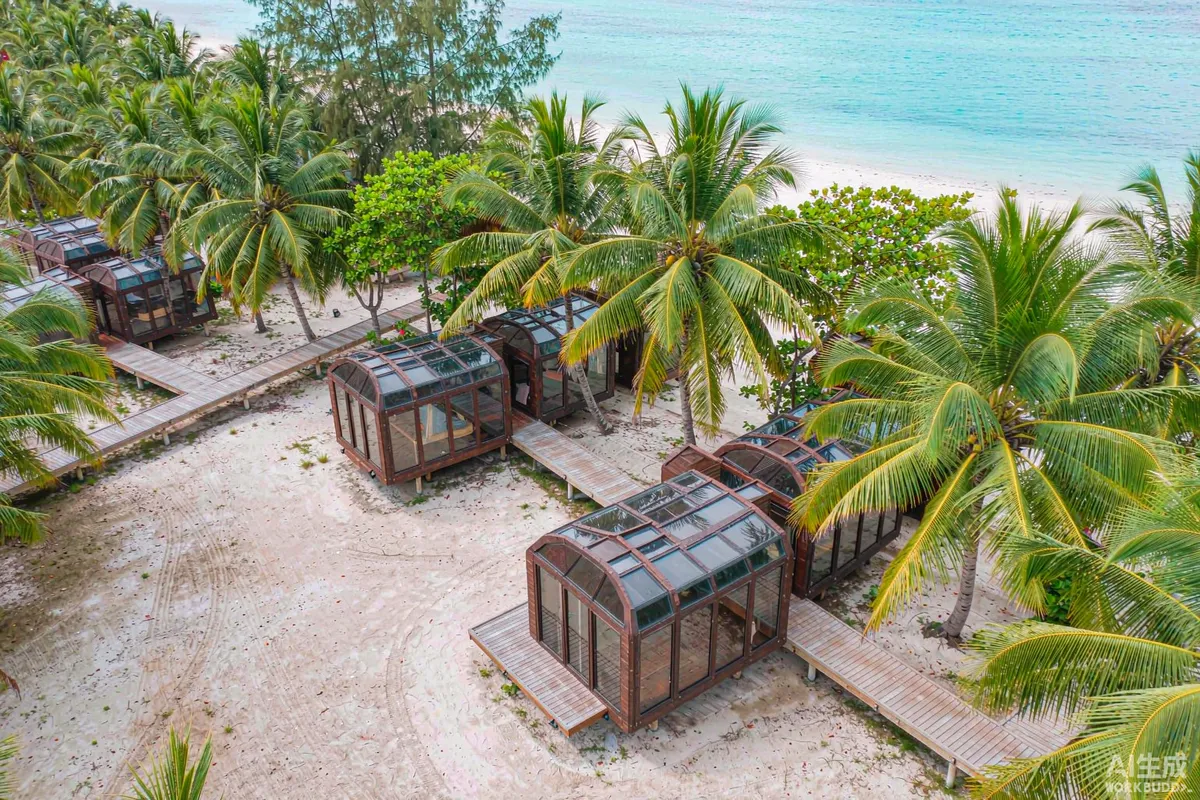
Coastal units need washing. Salt left on the surface holds moisture against the coating, and no coating system performs to specification in default of that. Build the following into the operating routine rather than discovering it after the first rust bloom.
| Interval | Action | Why |
|---|---|---|
| Weekly in season | Freshwater rinse of the shell, frames and door thresholds | Removes deposited salt before it holds moisture against the coating |
| Monthly | Wash and inspect hinges, locks and sliding gear; check weep paths and drains | Fasteners seize and drains block long before either is visible |
| Quarterly | Wash the air conditioning coil; check filter condition; check door and window seals | Coil fouling shows up first as lost cooling capacity and higher power draw |
| Annually | Full coating inspection; touch up chips and scratches; review glazing gaskets and joint sealant | Coating damage repairs cheaply when caught early and expensively once it has spread |
| Before typhoon season | Check anchorage torque and corrosion at the hold-downs; check shutters and their fixings | Anchorage is the one item where failure is not recoverable |
Specification Lines to Put in the Order
- Design wind parameter for the site, with the reference source.
- Anchorage and hold-down detail: size, spacing, embedment and substrate.
- Glazing design pressure rating and the build-up used.
- Coating system: corrosivity category, standard, preparation and film thickness.
- Fastener and hardware specification, with dissimilar metal contact considered.
- Frame thermal break and glazing build-up for condensation control.
- Ventilation provision with a stated fresh-air rate.
- Coastal-rated treatment of the air conditioning coil.
- Spare parts: seals, hinges, glazing units and touch-up coating.
- Manual entries for the rinsing and inspection regime above.
Ten lines, each answerable by a competent supplier in a day. Put them in your RFQ as mandatory fields with values — the method is in the capsule house RFQ template. Coastal specifications also change what you pay; see capsule house price factors in the Philippines. Current models are on the product pages; if you are planning a shoreline unit, send your site exposure and intended occupancy and we will work through the lines with you. Requirements may vary by application, market and applicable standard.
More from the Blog

Capsule Home Cost Guide: What You Really Pay in 2026
EXW, shipping, install and the hidden line items — a transparent breakdown of total landed cost.
Read article →
How to Install a Capsule Home in 3 Days: A Step-by-Step Guide
From site prep to first guest — the exact sequence our install crews follow on every deployment.
Read article →
Real Owners, Real Numbers: Success Stories
How a lakeside resort, a Spanish glamping site and a Singapore dealer hit their targets.
Read stories →Talk to the Factory
Ready to Ride the 2026 Wave?
Get the latest catalog, pricing tiers and a layout sketch for your land — straight from the engineering team.