Indoor Air Quality in a Capsule Home: Ventilation, Filtration and Everyday Habits
A small, well-sealed capsule home holds onto moisture, cooking fumes and odours. Here is how ventilation, filtration and daily habits keep the air inside fresh.

A compact capsule home is small, well sealed and often occupied around the clock, which means the air inside it changes character quickly. Two people sleeping, cooking and showering in a tightly built volume produce a surprising amount of moisture and carbon dioxide overnight. The answer is not a bigger window but a routine: controlled background ventilation, extraction where moisture and fumes are generated, filtration where the outside air is poor, and a few habits that cost nothing. Get those four right and a small unit feels fresher than many larger rooms.
The Short Answer
Run low-rate continuous ventilation rather than occasional bursts, extract directly at the shower and the cooktop, and filter incoming air if the site has dust, pollen or smoke. Then manage moisture at the source - lids on pans, the extractor on while showering, wet coats dried outside where possible. A carbon dioxide or humidity sensor is an inexpensive way to see whether the routine is working, and it removes the guesswork entirely.
Why Small Sealed Units Need Attention
The physics are straightforward. The volume of air per occupant in a capsule home is much lower than in a conventional room, so anything released into that air - water vapour from breathing and showers, odours from cooking, volatile compounds from new materials and furniture - reaches a noticeable concentration much faster. Tight construction is exactly what makes the unit efficient to heat and cool, and exactly what makes ventilation a deliberate act rather than a side effect of draughts.
- Moisture. Sleeping, bathing and cooking all add water vapour. Left in place, it settles on the coldest surfaces.
- Odours. Cooking aromas linger longer in a small space, especially where soft furnishings absorb them.
- Particles. Dust, pollen and smoke follow people indoors on clothing and through open doors.
- New-material odour. A freshly delivered unit can carry the scent of new finishes and furnishings for a short period.
None of these is a defect. They are the normal consequences of a small, efficient enclosure, and each one has a straightforward response.
Start With Continuous Background Ventilation
Intermittent ventilation - opening a window hard for ten minutes - is better than nothing, but continuous low-rate exchange does the steady work. It keeps humidity and carbon dioxide from climbing overnight and during the day when nobody thinks to open anything.
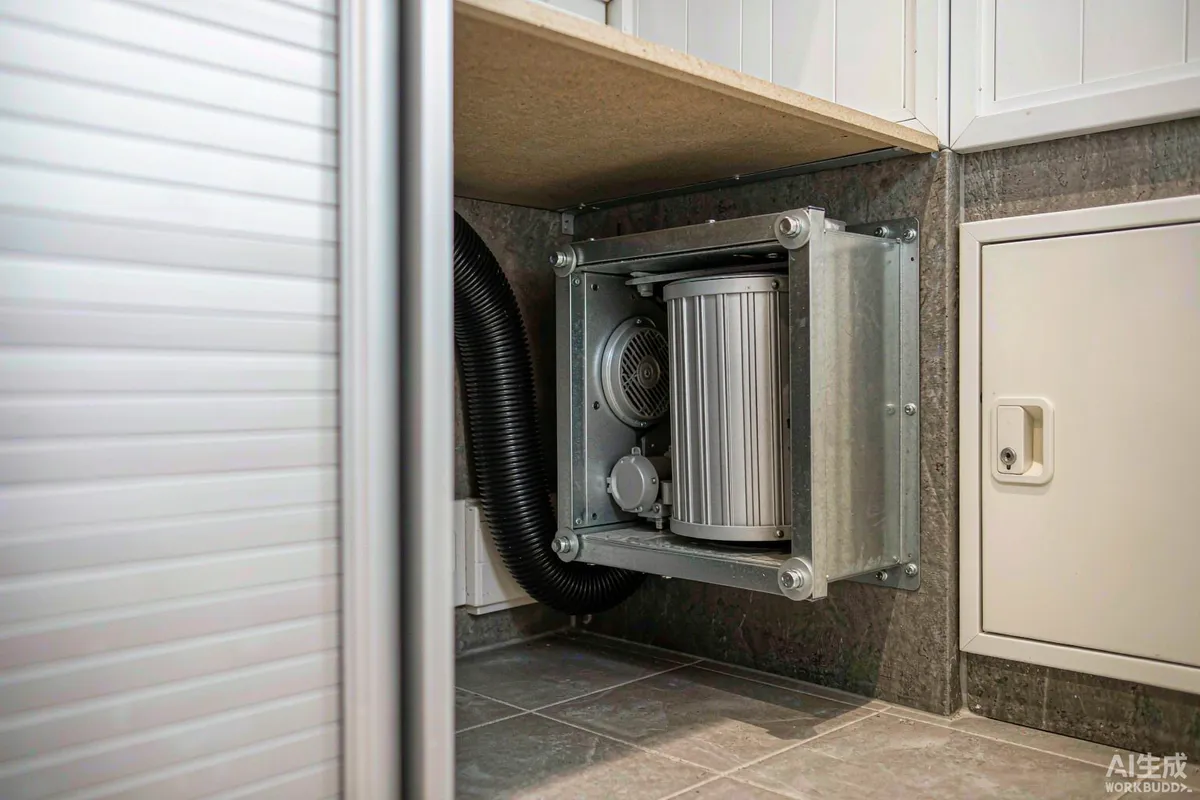
What to look for in a ventilation provision
- A continuous low-rate mode that can run permanently without being audible or expensive.
- A boost mode triggered by humidity or by the bathroom light, for showers.
- Filtered supply where outside air is dusty, smoky or high in pollen.
- Serviceable filters that can be reached and changed without dismantling joinery.
- Heat recovery where the climate makes it worthwhile, so fresh air does not cost heating energy.
Requirements may vary by application, market and applicable standard, and ventilation provisions appropriate for one climate are not automatically right for another. Specify the climate, not a rule of thumb.
Extract at the source
General ventilation handles the background. Local extraction handles the peaks, and it is far more effective than trying to clear a whole unit after the fact.
- Bathroom: run the extractor during a shower and for a period afterwards, with the door closed.
- Cooktop: use a hood or an extractor above the cooking surface, started before the pan heats and left running briefly after.
- Cooking with gas, where fitted: ventilation is a safety matter as well as a comfort one. Have any combustion appliance installed and checked by a qualified person, and use a carbon monoxide alarm as a backstop.
Filtration: Worth It on Some Sites
Filtration matters more on some sites than others, and it is worth matching the approach to the actual conditions rather than buying a device by default.
| Site condition | Useful response | Notes |
|---|---|---|
| Urban roadside or city centre | Filtered supply air, plus a portable air cleaner | Fine particles from traffic are the main concern |
| Unpaved or rural dust | Coarser pre-filtration on the supply, checked often | Filters load quickly in dry seasons |
| Seasonal pollen | Fine filtration during the season, windows closed at peak times | Filter changes matter more than filter rating |
| Wildfire smoke episodes | Recirculating cleaner with fine filtration, windows shut | Plan for a few heavy days a year |
| Clean coastal or forest air | Screened natural ventilation is usually enough | Keep insect screens clean; they reduce airflow when dusty |
A filter that is never changed is worse than no filter, because airflow drops and the unit quietly stops doing its job. Put filter checks on the same schedule as other routine maintenance and record the date.
Habits That Do Most of the Work
Equipment helps, but daily behaviour decides the outcome in a small volume.
- Ventilate while showering and for a while afterwards, with the bathroom door shut.
- Put a lid on the pan. It reduces both moisture and odour at once.
- Dry wet outdoor clothing outside the living space where the site allows it.
- Air out bedding regularly, and avoid storing damp items in closed cabinets.
- Leave a small air path between stored items and cold external walls so air can move behind them.
- Clean the extract grilles and filters on a schedule - a dust-covered grille moves much less air.
- Open up on dry days. Cross-ventilation on a dry, breezy day clears a small unit in minutes.
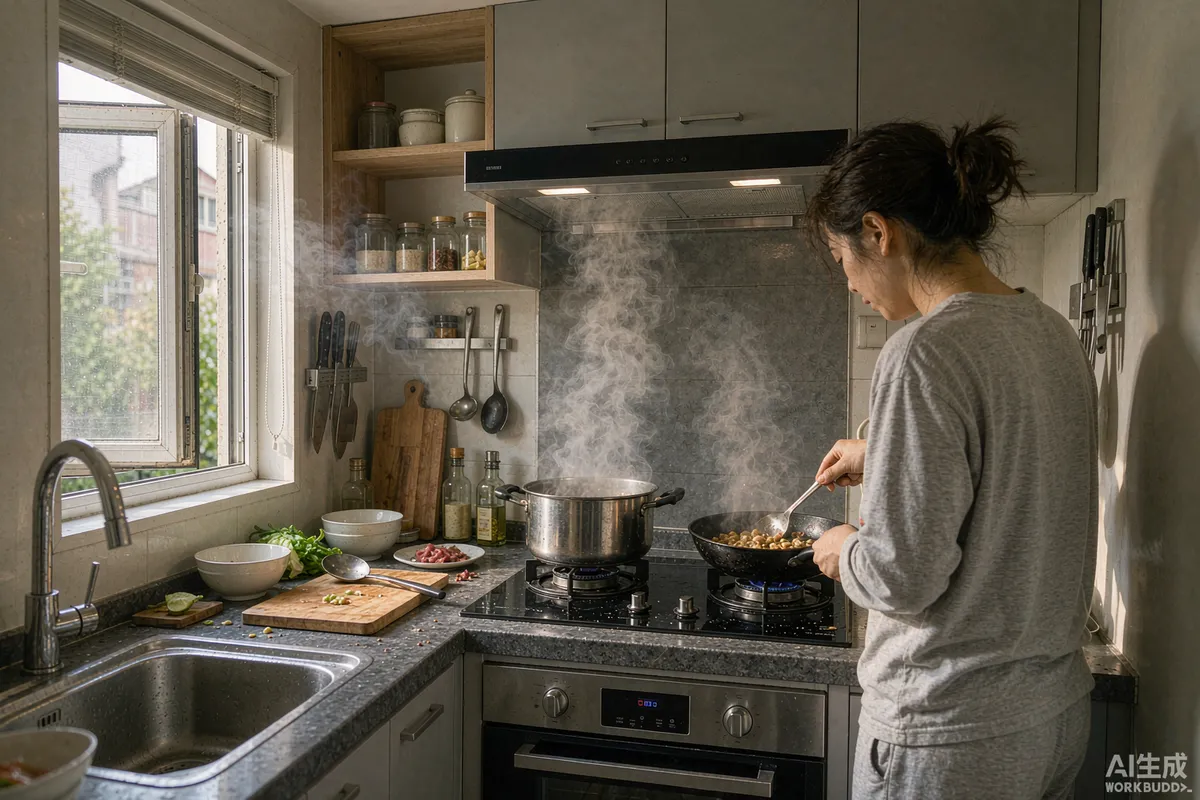
The First Weeks of a New Unit
A newly delivered unit will often have the smell of new materials and furnishings. This is normal and typically fades. A practical approach is to ventilate generously for the first period - cross-ventilation on dry days, extractors running, cabinets left open for a while - and to avoid adding scented products that mask odour without removing it.
If an odour persists beyond the early period, or if it is accompanied by visible damp, condensation on cold surfaces or a musty smell, treat it as a building issue rather than an airing issue and investigate the source. Persistent damp is worth diagnosing early.
What Haishu Does at the Factory, and What You Decide
Ventilation provisions, extract positions, filter access and control logic are factory decisions. Haishu finishes A Series units as turnkey dwellings, so these choices are made at the drawing stage and the access for filter changes is built in rather than improvised later. What you need to supply is the climate and the site: whether the air is dusty, salty, humid or smoky, and whether the unit will be occupied continuously or intermittently. That information is what turns a generic provision into a suitable one.
The Takeaway
Ventilate continuously at a low rate, extract at the shower and the cooktop, filter where the site justifies it, and change filters on schedule. Manage moisture at the source with lids, doors and timing rather than trying to clear the air afterwards. Monitor humidity so you know whether the routine is working, and treat persistent damp as a fault to diagnose. In a small, well-built unit these habits make a visible difference within a day.
More from the Blog

Capsule Home Cost Guide: What You Really Pay in 2026
EXW, shipping, install and the hidden line items — a transparent breakdown of total landed cost.
Read article →
How to Install a Capsule Home in 3 Days: A Step-by-Step Guide
From site prep to first guest — the exact sequence our install crews follow on every deployment.
Read article →
Real Owners, Real Numbers: Success Stories
How a lakeside resort, a Spanish glamping site and a Singapore dealer hit their targets.
Read stories →Talk to the Factory
Ready to Ride the 2026 Wave?
Get the latest catalog, pricing tiers and a layout sketch for your land — straight from the engineering team.