Condensation and Humid Climates: Keeping a Capsule Home Dry
In warm, humid or coastal markets the problem is moisture, not cold. How to control condensation, ventilation and mould in a tightly sealed capsule home.

In a hot or humid climate, the moisture problem in a capsule home is usually the reverse of what buyers expect. Condensation often forms on the outside of well-insulated glazing at dawn, which is normal and harmless - while the damaging moisture is the water vapour generated inside by showering, cooking and breathing, which condenses on whatever surface is coldest. That coldest surface is often the glass, cooled overnight by an air conditioner left running. The answer is not a bigger air conditioner; it is continuous, controlled ventilation plus a glazing specification suited to the climate.
The Short Answer
Run continuous low-rate ventilation, extract at source in the bathroom and kitchenette, avoid over-cooling the interior relative to the outside air, keep air moving across the glass, and specify glazing appropriate to a humid climate. If the unit is closed up and unoccupied, do not simply seal it - a sealed, unventilated space is where mould begins.
Two Different Kinds of Condensation
Telling them apart saves a lot of misdirected effort.
| Type | Where it appears | What it means |
|---|---|---|
| External condensation | On the outside face of the glass, typically at dawn | Usually a sign the glazing is insulating well; clears as the day warms |
| Internal condensation | On the inside face, often at the frame edge or lower corners | Too much internal humidity for the surface temperature and the air change rate |
| Interstitial condensation | Within the wall or roof build-up, invisible until staining appears | A design or build-up issue; raise it with the supplier immediately |
That third category is the one to act on rather than manage. If you see staining that suggests moisture inside the envelope, document it with photographs and dates and contact the supplier.
Why Humid Climates Are Different
Cold-climate advice is built around keeping heat in. Humid-climate practice has an extra job: keeping moisture out of a building that is being cooled. Air conditioning removes moisture while it runs, which helps - but it also creates cold surfaces, and when it stops, warm humid air meets cold glass and dumps water on it. Three running habits reduce this substantially:
- Avoid very low setpoints. A small setpoint gap between inside and outside reduces both the condensation risk and the running cost.
- Keep air moving. A fan on a low setting keeps a boundary layer moving across the glass and stops still, cold pockets forming at the frame edge.
- Do not switch everything off when you leave. Use a setback, or a dehumidistat mode if the equipment has one, so the space is not left sealed and damp.
Cooking and showering are the two largest internal moisture sources in a unit this size. Extract them at the point they are generated, and run the extract for a period after the activity finishes rather than during it only.
Ventilation Strategy
Background ventilation
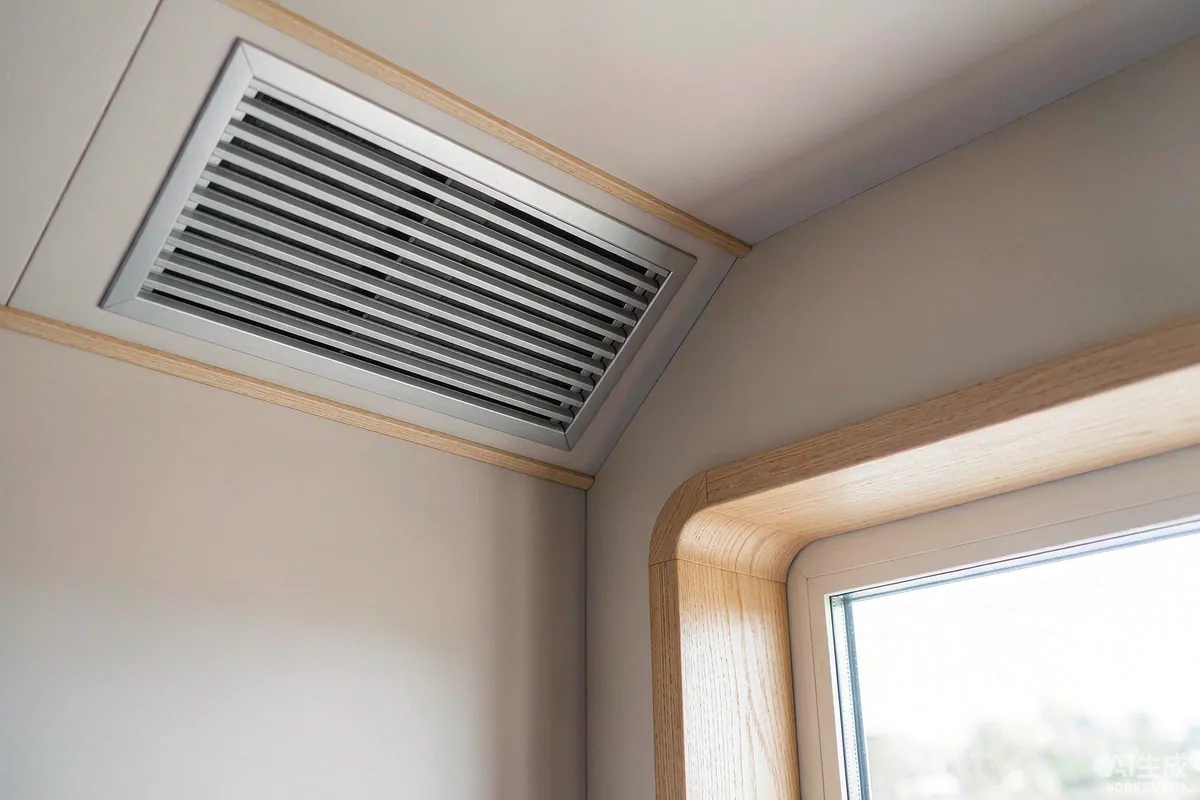
A continuous, controlled trickle of air change dilutes moisture that extract-only systems miss. Ask where the supply air enters and check that the route actually crosses the space rather than short-circuiting between two adjacent openings.
Extract at source
Bathroom and kitchen extract should be ducted to outside, not into a ceiling void - a mistake that is easy to make and invisible until the staining appears. Check the duct run on commissioning day.
Mechanical ventilation with heat recovery
Less obviously relevant in a hot climate than in a cold one, but still useful in mixed or highland climates where heating and cooling seasons both exist. It adds filter maintenance; plan for it.
Dehumidification
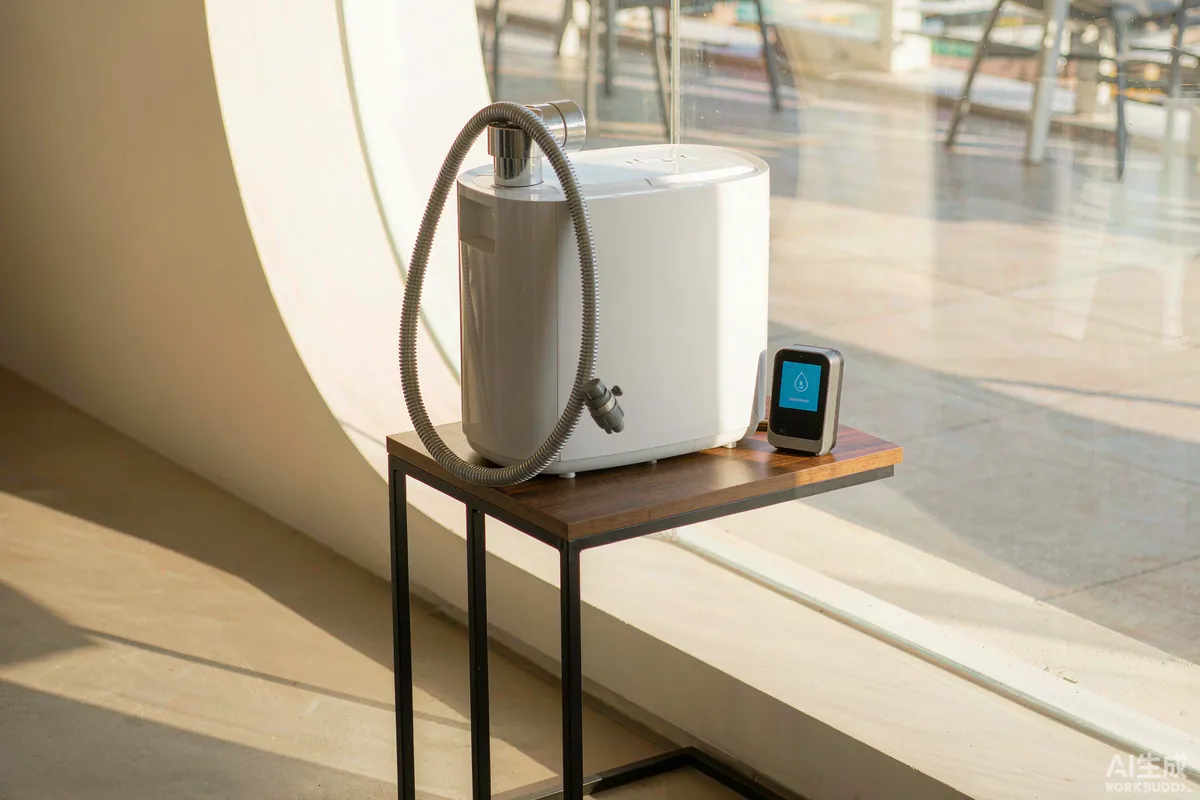
In persistently humid conditions, a small dehumidifier with a drainage point is a practical supplement, particularly for units that stand empty between guests. It is not a substitute for ventilation.
Glazing Choices for Humid Markets
- Ask what is standard. Glazing build-up varies by model, and a specification chosen for a cold market may not be the one you want.
- Consider solar control. Coatings that reduce solar gain lower the cooling load and keep interior surface temperatures more even.
- Look at the frame, not just the pane. Thermally broken frames reduce the cold-edge effect where condensation starts first.
- Check the seal system. In humid, salty or coastal air, gasket quality and replaceability matter for the long term.
External shading - a canopy, a pergola, planting, or simply an orientation decision - reduces the cooling load more cheaply than any equipment upgrade.
Mould: Prevent Rather Than Treat
Mould in a small building is almost always a symptom of surface condensation that persisted long enough. The treatment is to fix the moisture and the air movement, not to clean and repaint. Priorities are the cold corners behind furniture, the frame edges, and any soft furnishing pressed against an external wall. Keep furniture a small distance off external walls, keep wardrobe doors ajar in humid seasons, and wipe condensation from frames as part of the routine rather than letting it sit.
If the unit is let to guests, write the ventilation instruction into the house rules - a guest who closes every vent and runs the air conditioner at a very low setting will create the problem in a single weekend.
Siting and Landscaping
- Use shade from trees or structures on the hottest elevation, while keeping airflow around the unit.
- Avoid placing the unit in a hollow where humid air pools and air does not move.
- Keep planting clear of the shell so that air can reach the wall surfaces and the wall can dry.
- Manage ground water and roof run-off so the base of the unit is not sitting in damp.
- Keep the underside ventilated; a skirt that traps still, damp air under the floor is a common cause of problems.
Questions for Your Supplier
- What is the standard glazing build-up, and is there a solar-control option?
- Are frames thermally broken, and are gaskets replaceable?
- Where does extract air discharge, and is the ducting accessible for inspection?
- Is there a background ventilation provision, and can it be adjusted?
- What is recommended for units that stand empty in humid seasons?
Commissioning a Unit in a Humid Climate
The first week tells you whether the ventilation strategy works, so use it. Buy a hygrometer - they are inexpensive - and record the indoor relative humidity at the same times each day for a week: first thing in the morning, mid-afternoon, and an hour after showering. What you are looking for is not a perfect number but a pattern. Humidity that spikes after showering and falls back within an hour means the extract is doing its job. Humidity that stays high all day, or condensation that appears on the inside of the glass every morning, means the air change rate is too low for how the unit is being used.
If that is what you see, work through the cheap fixes before the expensive ones: run the extract for longer after wet activities, open the background ventilation fully, raise the cooling setpoint a degree or two, and keep a fan running to move air across the glass. Only if those fail is it worth looking at equipment changes - a larger extract, a dehumidifier with a drain, or a glazing upgrade. Document what you tried and what changed, because that record is what makes a conversation with the supplier productive rather than circular.
The Takeaway
In humid markets, moisture management is a specification and a set of habits rather than a single product. Control vapour at source, ventilate continuously, avoid over-cooling, keep air moving over the glass, and shade the hot elevation. Tell the supplier the climate and the occupancy pattern at quotation stage, and the build-up can be matched to it. Requirements may vary by application, market and applicable standard.
More from the Blog
Capsule Home Cost Guide: What You Really Pay in 2026
EXW, shipping, install and the hidden line items — a transparent breakdown of total landed cost.
Read article →
How to Install a Capsule Home in 3 Days: A Step-by-Step Guide
From site prep to first guest — the exact sequence our install crews follow on every deployment.
Read article →
Real Owners, Real Numbers: Success Stories
How a lakeside resort, a Spanish glamping site and a Singapore dealer hit their targets.
Read stories →Talk to the Factory
Ready to Ride the 2026 Wave?
Get the latest catalog, pricing tiers and a layout sketch for your land — straight from the engineering team.