Import Capsule House to Philippines: Duty Guide
Importing a capsule house into the Philippines: classification and HS code, duty and tax basis, port clearance steps, island logistics and documents.
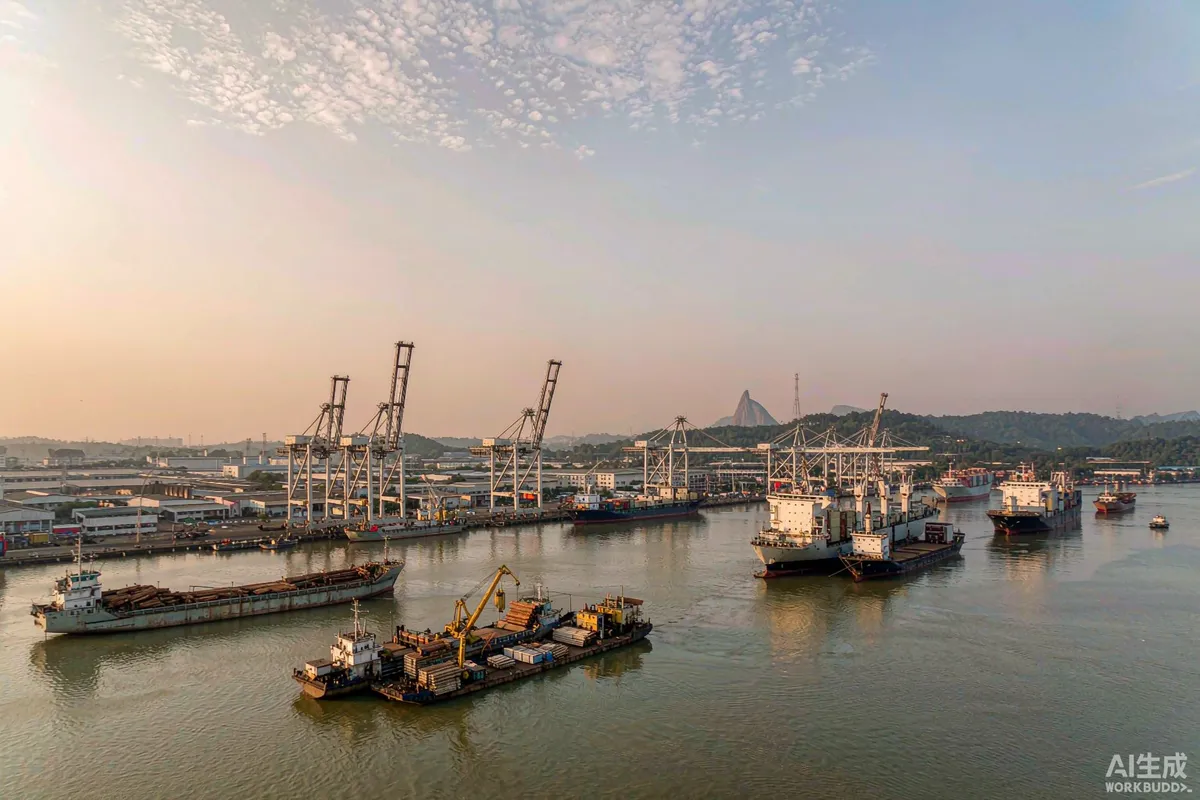
Importing a capsule house into the Philippines is two projects running in parallel: a customs project and a logistics project. The money is decided in the first one, before the unit ships - by how the shipment is classified, what value is declared, and who is named as importer of record. The second project decides whether the unit actually reaches the site without damage or unplanned cost. This guide walks the sequence in the order you will meet it, flags the Philippine-specific decisions that differ from other markets, and lists the documents to assemble early. Current models are on the product pages. Requirements may vary by application, market and applicable standard.
What You Are Actually Importing
The first question a broker will ask is not "what is it for" but "how is it presented". A factory-built unit can arrive in more than one form, and the form changes the classification, the freight mode and sometimes the permits.
- A complete, finished unit shipped on a flat rack or as out-of-gauge cargo, delivered ready to set down.
- A unit that folds or expands, transported in a reduced envelope and deployed on site - which is why the transport dimensions and the deployed dimensions both matter on the packing list.
- A kit of panels and components assembled locally, which shifts the work - and some of the risk - to your site team.
Ask the supplier to state, on one document: the shipping form, the transport dimensions and the deployed dimensions, the gross weight, the number of packages, and a packing list that separates the structure from loose furniture, appliances and spares. Bundling everything into one line on the invoice makes valuation ambiguous, and ambiguity is what holds a shipment at the port. This is also the document your freight forwarder needs to decide between a container, a flat rack and break bulk - a decision that is far cheaper to make before production than after it.
Classification and HS Code: The Decision That Sets Everything Else
Harmonized System codes are assigned to the goods as presented, not to the project they will be used for. The first six digits are common internationally; national tariff schedules extend them and attach the rate. In practice three things follow from the code that gets written on the entry.
- The duty rate and the tax treatment applied on assessment.
- Whether any additional permit or product clearance is triggered before release, for example where electrical or radio-equipped items are included in the shipment.
- Post-clearance exposure. A code that is wrong is usually discovered later, and correcting it after release costs more than getting it right first time.
Do not let classification be decided from the invoice description alone. Give your broker the specification, drawings, photographs and the packing list before the goods ship, ask for the code in writing together with the reasoning, and where the mechanism exists, consider requesting an advance ruling. The importer carries the declaration; the broker advises. Requirements may vary by application, market and applicable standard.

Duty, Taxes and the Assessed Value
Budgeting for imports fails in one of two ways: only the duty line is counted, or the value that the duty is calculated on is assumed rather than confirmed.
- Customs duty is set by the national tariff schedule for the assigned code and changes over time. Treat any figure quoted without a code and a date as unusable.
- Value-added tax is applied on import under national rules, and the basis on which it is computed should be confirmed with the broker.
- Brokerage, processing, port and storage charges are real cash and are frequently missed in early budgets. Free time on containers and on port storage is limited; beyond it, charges accrue daily.
- The assessed value is generally built from the transaction value plus freight and insurance to the port, but the exact basis applied should be stated by your broker in writing before you finalise the landed-cost budget.
We do not publish duty or tax rates here, because they depend on a classification and a date that only your broker can confirm for your shipment. What you can do is fix the structure: ask for the rate expressed as a percentage of a stated value basis, with the code and the currency, and hold a contingency for reassessment.
The Clearance Sequence, Step by Step
- Appoint the importer of record and a licensed customs broker. Registration and accreditation requirements apply; confirm your entity can act as importer before the vessel sails.
- Lodge the entry with the commercial invoice, packing list, bill of lading or air waybill, and any permits the classification triggers.
- Assessment and payment of duty and taxes as assessed.
- Examination if selected - x-ray, physical inspection, or document check. Have photographs and drawings ready so the goods can be identified without opening the packing.
- Release and issue of the delivery order.
- Inland move to the site, which for most resort projects is the expensive and uncertain part.
Dwell time at the port is driven overwhelmingly by documentation completeness rather than by inspection rates. A file that is assembled before sailing clears in days; a file assembled after arrival clears when it is finished.
Ports, Islands and the Last Leg
Mainland projects usually clear at a major port and move by road. Island projects add a leg, and that leg needs its own survey.
- Which port you clear at should be decided by the onward route, not by the ocean freight quote. A cheaper ocean rate into a distant port is often lost on the inland move.
- Survey the route: road width, bridge capacity, overhead services, gate clearance, turning radius, and the bearing capacity of the ground where the crane will stand.
- Plan the water crossing: roro or barge schedules, tidal windows, landing infrastructure, and who is liable for the unit between the two.
- Check the calendar. Typhoon season affects sea state, road conditions and working days, and a programme that ignores it absorbs the delay as cost later.
Typhoon Wind Load, Anchoring and Salt Exposure
Two Philippine conditions shape the specification, and neither is optional.
- Wind. The design wind load for the site must be determined by a qualified local engineer against the applicable national structural standard, and the anchoring and foundation design follows from it. Do not accept a generic wind rating copied from another market.
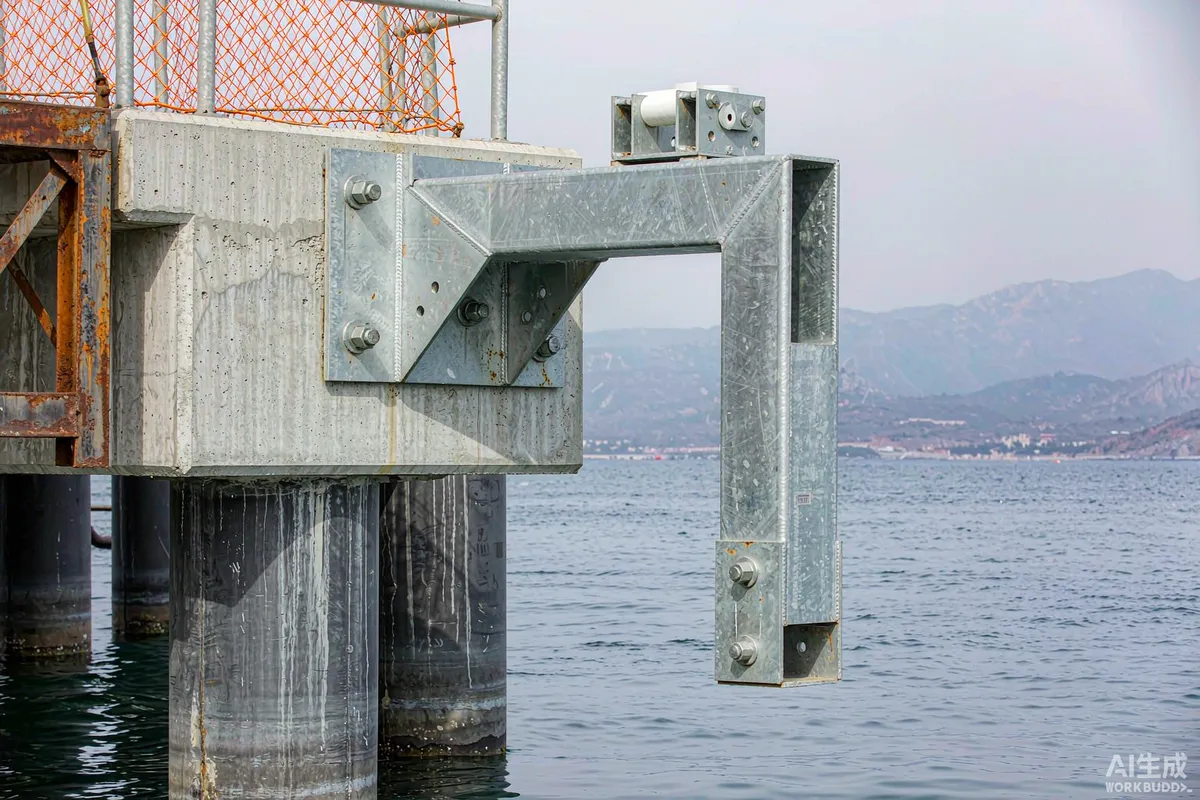
- Salt. On coastal and island sites, airborne salt drives material selection: fasteners, coatings, glazing frames, and external hardware. Specify the environment, then specify the maintenance interval that goes with it.
Both items should appear in the purchase specification, not in a site instruction after delivery. Our typhoon-rated specification guide covers the wind and anchoring side in detail, and the Philippines guide covers the wider market picture.
Permits and Local Approvals
Import release is not permission to operate. Separately from customs, a project will normally need local building approvals before installation and occupancy documentation before use, plus fire safety provisions and, where the units are let to guests, the tourism-related registrations that apply to the operator. The set of approvals depends on the classification of the structure, the tenure of the land, the local government unit, and whether the installation is treated as temporary or permanent. Confirm the list with a local designer or permit expediter for the specific site and use rather than assuming a national checklist. Requirements may vary by application, market and applicable standard.
Document Checklist
| Document | Who provides it | Why it matters |
|---|---|---|
| Commercial invoice with itemised values | Supplier | Basis of the declared value; bundling creates ambiguity |
| Packing list with dimensions and weights | Supplier | Classification, freight mode and handling equipment |
| Bill of lading | Carrier / forwarder | Release and title |
| Specification, drawings, photographs | Supplier | Classification evidence and identification at examination |
| Insurance certificate | Insurer / forwarder | Marine cover; also relevant to the value basis |
| Broker authority and importer registration | Importer | Who may lodge and who is liable |
| Permits triggered by the classification | Importer with broker | Release condition |
| Site route survey | Local contractor | Cranage, access and the water crossing |
Mistakes That Recur on Philippine Projects
- Classifying on the invoice description. "Prefab house" is not a classification; the code follows the goods as presented.
- Booking the ocean leg before the route survey. The crane and the last kilometre are where programmes fail.
- Budgeting duty only and discovering port charges, storage and inland transport afterwards.
- Assuming the mainland specification is adequate on an island. Salt and wind exposure are materially different.
- Letting the supplier's quote define the delivery term. State the term you want - to the site, not to the port - and compare like with like.
Sequence the work as: specification and classification first, then the route survey, then the booking. Current models are on the product pages; to request a landed-cost quotation for a Philippine site, send the model, specification and delivery location.
More from the Blog

Capsule Home Cost Guide: What You Really Pay in 2026
EXW, shipping, install and the hidden line items — a transparent breakdown of total landed cost.
Read article →
How to Install a Capsule Home in 3 Days: A Step-by-Step Guide
From site prep to first guest — the exact sequence our install crews follow on every deployment.
Read article →
Real Owners, Real Numbers: Success Stories
How a lakeside resort, a Spanish glamping site and a Singapore dealer hit their targets.
Read stories →Talk to the Factory
Ready to Ride the 2026 Wave?
Get the latest catalog, pricing tiers and a layout sketch for your land — straight from the engineering team.