Capsule House Philippines: Island Resort Guide
Philippine capsule resort planning: typhoon wind load and anchoring, salt spray corrosion, DDP landed cost structure, and import and permit steps.
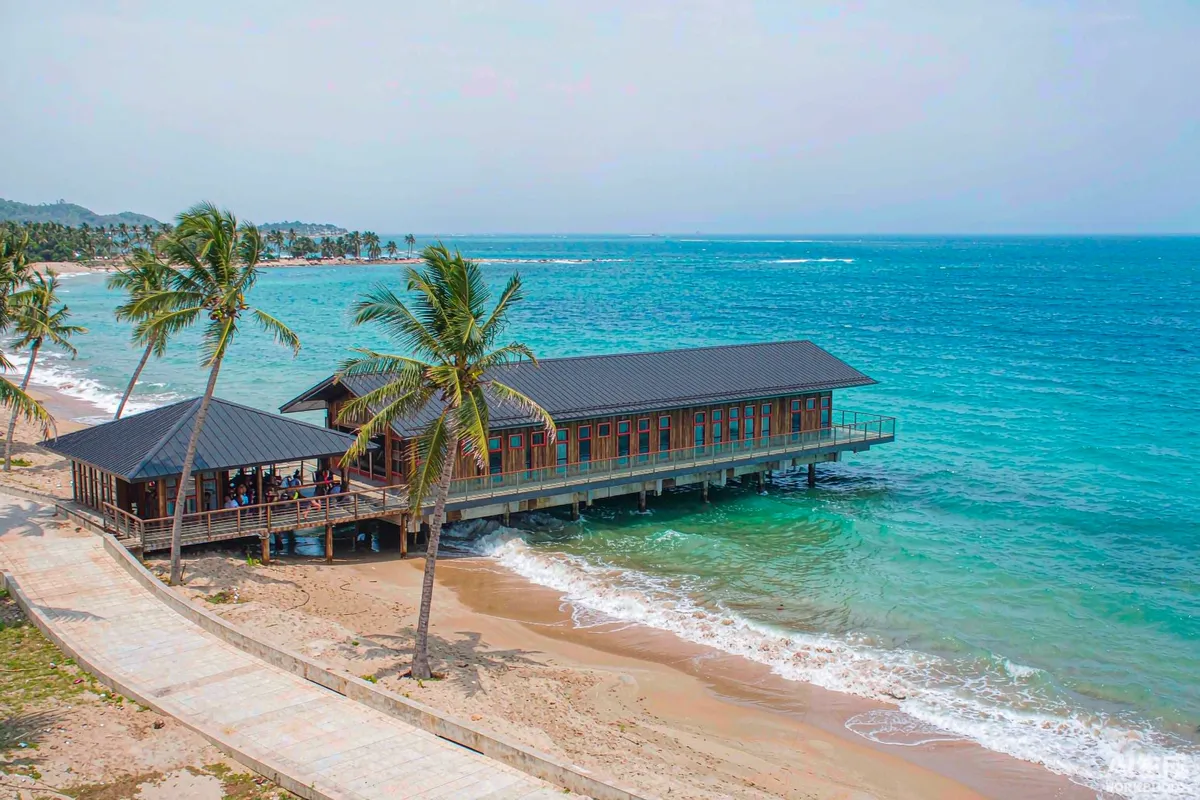
The Philippines is one of the strongest markets for capsule resort development and one of the most demanding technically. An archipelago of over seven thousand islands, an established domestic tourism industry, and a climate that combines extreme wind events with permanent salt exposure. Units that perform well in temperate inland locations fail here for reasons that are entirely predictable and entirely avoidable. This page covers the four decisions that decide whether a Philippine project works: wind, corrosion, landed cost, and import and permitting.
Decision Point 1: Typhoon Wind Load and Anchoring
This is the first engineering question, and it should be settled before the specification is frozen.
- Establish the design wind speed for the specific site. Exposure varies considerably between a sheltered inland clearing and an east-facing headland, and the difference changes the anchoring design.
- Ask the supplier what wind load the unit and its anchoring are designed for, and in what terms - a wind speed figure means little without the exposure category and the standard it was calculated to.
- Treat anchoring as a designed system, not as a set of bolts. The load path runs from the shell through the chassis into the foundation, and the foundation is a local design item.
- Confirm what happens to glazing and doors under design wind. Large panels are the weak point in a wind event, both structurally and from debris.
- Plan for the recovery, not only for the event. Access, power and communications are typically what close a resort after a storm, not the buildings.
Wind provisions, exposure categories and the acceptable calculation method are set by local code and by the engineer of record. Do not accept a generic figure from a catalogue. Requirements may vary by application, market and applicable standard.

Decision Point 2: Salt Spray and Coastal Corrosion
Salt exposure is continuous rather than seasonal, and it attacks details rather than surfaces.
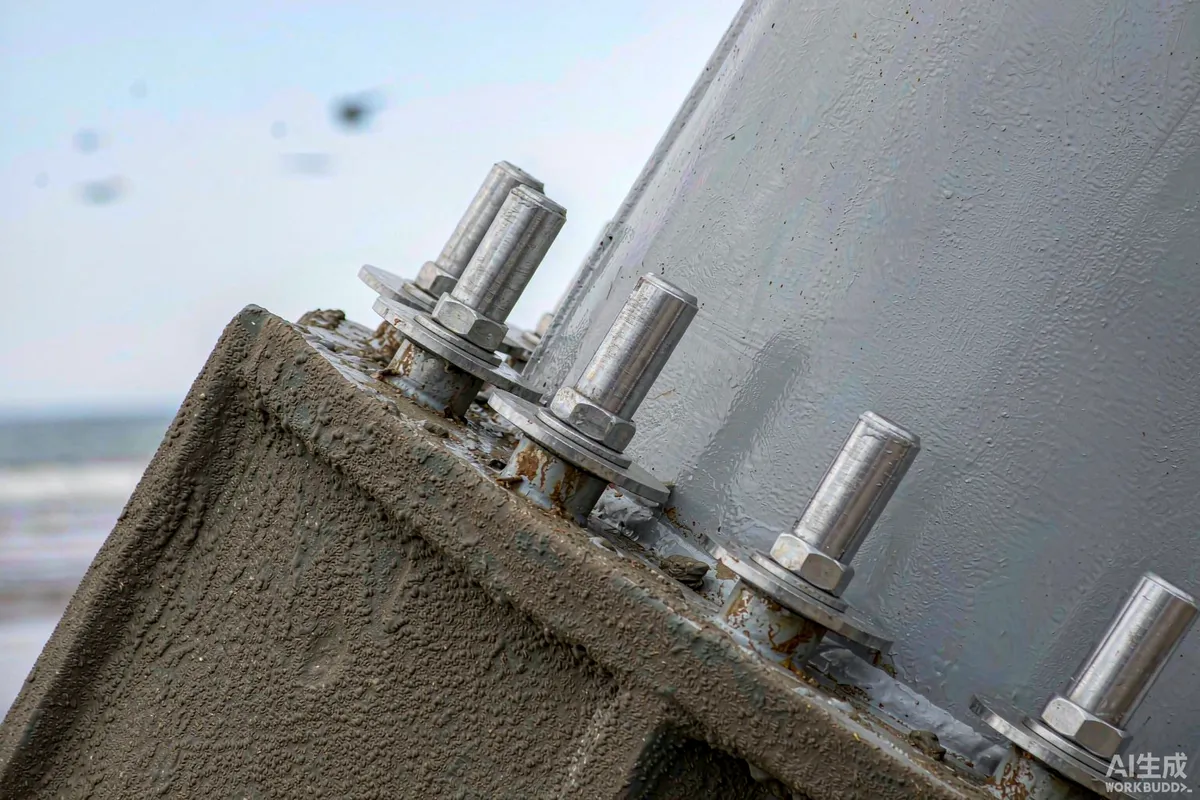
- Fasteners and fixings fail first. Specify fastener material explicitly and do not accept a substitution on cost grounds.
- Cut edges and penetrations are the weak points, not the flat panels. Ask how edges are treated after cutting.
- Sealants need a coastal-appropriate specification, and a replacement interval stated in writing.
- Electrical and mechanical equipment needs protection appropriate to a marine atmosphere - particularly outdoor units, isolators and connection boxes.
- Build a rinsing and inspection routine into operations. A defined wash-down interval does more for service life than any single material choice.
Decision Point 3: Landed Cost Structure
Island logistics change the shape of the budget. The unit price is one line among several, and the lines that surprise buyers are almost always the local ones.
- Unit price as quoted by the factory, on a stated delivery term.
- International freight to the port of entry, and whether the quote includes it.
- Import duties and taxes, which depend on classification - get the classification confirmed before budgeting, not after.
- Port handling and storage, which can accrue if inland transport is not ready.
- Island transfer - the step most often overlooked. Barge or roll-on roll-off capacity, and whether a crane exists at the island end.
- Crane and placement on site, including mobilisation.
- Site works and utilities, which on an island often include power generation and water supply rather than a connection.
A DDP - delivered duty paid - quotation bundles several of these into one number and transfers more risk to the seller, but only up to the named destination. On an island project, confirm exactly which port or landing the DDP price covers, because the final leg is often excluded and is frequently the most expensive part. For the general structure of landed cost, see our capsule house price guide.
Decision Point 4: Import and Permitting
Two separate processes run in parallel and both gate the programme.
- Import. Classification, documentation set, and any registration required of the importer. Confirm who the importer of record is and that they can act before the vessel sails.
- Local permits. Building permit, occupancy or tourism accreditation, environmental clearance where applicable, and - for coastal sites - the specific consents that apply to shoreline and foreshore work.
- Local government requirements. Municipality-level requirements are frequently the longest lead item and are rarely visible in national guidance.
- Fire safety and occupancy approvals for accommodation use, which apply separately from the building permit.
Engage a local professional early. The national framework is only part of the picture, and municipal practice varies. Requirements may vary by market and applicable local regulation.
Working With a Local Contractor
Almost all of the on-site risk in the Philippines sits with local contractors, and the way they are briefed determines most of the outcome.
- Brief against drawings, not against photographs. A rendering communicates the intent but not the foundation loads, the anchoring requirement or the service positions.
- Confirm who designs the foundation. It is a local design item based on local ground conditions, and it should be produced by someone qualified and accountable for it locally.
- Establish the anchoring responsibility explicitly. The interface between the unit's chassis and the local foundation is the single most common gap in the division of work.
- Ask about island logistics experience specifically. Barge scheduling, tidal windows and limited plant availability are not general construction skills.
- Agree a snagging process in advance - who lists, who fixes, and by when - so that the end of the programme does not become an argument.
- Confirm local availability of consumables - sealants, filters, spare glazing gaskets - because a resort that waits for a gasket is losing revenue.
Specify the unit's requirements in writing and have the contractor confirm each one. That confirmation is worth more than any amount of goodwill when something goes wrong.
Maintenance Regime for Tropical Coastal Sites
Tropical coastal conditions compress maintenance intervals considerably, and the regime should be designed in from the start rather than discovered.
- Rinse-down routine. Fresh water washing of external surfaces, at a defined interval, removes salt before it does damage. This is the highest-value task on the list.
- Sealant inspection. Check joints and penetrations on a schedule and record what was found. Sealants in this climate need replacing before they visibly fail.
- Fastener and fixing checks. Look for early corrosion at edges and fixings, and treat it rather than waiting for it to spread.
- Condensate and drainage maintenance. High humidity combined with continuous air conditioning produces significant condensate, which must be routed and kept clear.
- Air-conditioning servicing. Continuous duty in a salty atmosphere means more frequent filter and coil attention than a temperate site would need.
- Ventilation and mould checks. In humid conditions, a unit left closed and unconditioned will develop mould quickly; idle periods need a defined approach.
Build the regime into the operating manual and into the staffing plan before opening. A maintenance schedule that nobody is resourced to carry out is not a schedule.
Site Selection Notes for the Archipelago
Beyond the four decision points, three local factors consistently affect viability.
- Barge access and landing conditions. Some sites can receive a unit only at certain tides or seasons, which compresses the construction window.
- Power and water. Many island sites have no grid supply of usable capacity, which makes generation and storage part of the capital budget rather than an optional extra.
- Staffing and supply. A remote resort needs a maintenance capability on site; a unit requiring a specialist visit for every fault is not viable at distance.
General site assessment method is covered in our site selection and land evaluation guide. Current models and options are on the product pages. If you are assessing a specific island, send the location, exposure and access details and we will comment on specification and programme before you commit.
More from the Blog

Capsule Home Cost Guide: What You Really Pay in 2026
EXW, shipping, install and the hidden line items — a transparent breakdown of total landed cost.
Read article →
How to Install a Capsule Home in 3 Days: A Step-by-Step Guide
From site prep to first guest — the exact sequence our install crews follow on every deployment.
Read article →
Real Owners, Real Numbers: Success Stories
How a lakeside resort, a Spanish glamping site and a Singapore dealer hit their targets.
Read stories →Talk to the Factory
Ready to Ride the 2026 Wave?
Get the latest catalog, pricing tiers and a layout sketch for your land — straight from the engineering team.