Apple Cabin in Saudi Arabia: Resort Unit Choice
Apple cabin versus capsule house for Saudi resort projects: key count, Gulf envelope performance, 220V/60Hz conformity and the approvals file each needs.
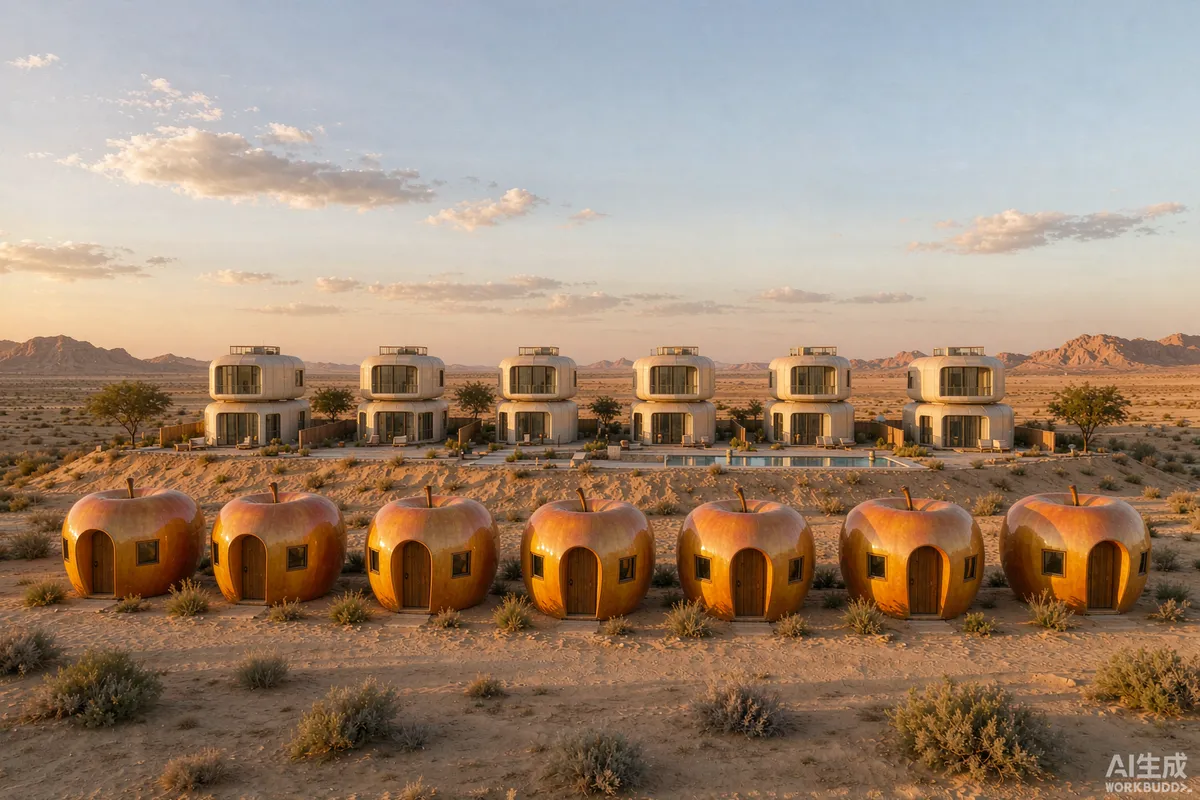
Two product names get used interchangeably in Gulf enquiries, and they are not the same thing. An apple cabin is a compact factory-built pod, usually single level, with rounded or chamfered shell geometry and a footprint that suits scattered site placement. A capsule house in the Haishu sense is a larger structural steel unit with panoramic glazing, sold across a size range and frequently configured as two storeys. For a Saudi resort project the choice is not stylistic: it changes the number of keys you can place, the approvals file each authority will want to see, and the cooling plant you have to size. This page compares them for that specific purpose. The market context is in the Saudi Arabia capsule house guide, and the general term is explained in what an apple cabin is. Requirements may vary by application, market and applicable standard.
What Each Format Actually Is
The terminology is not formally defined by the industry, so it is worth being explicit about what these pages mean. Different suppliers use the words differently, and the only reliable way to compare two quotes is to compare drawings and values rather than labels.
- Apple cabin. A compact single-level pod delivered essentially complete. Its smaller envelope means a smaller cooling plant, simpler transport and gentler crane requirements. It suits scattered or sloping sites, clusters of many small keys, and operators whose guests sleep out and use the unit as a base.
- Capsule house. A larger unit — in the Haishu Galactic A range, from the compact A30 through the mid-size A50 to the larger A70 — with substantial panoramic glazing and, in several configurations, a second level. It suits higher-rate keys, longer-stay use, and family occupancy where floor area per key matters.
- Where the labels blur. Some suppliers sell a mid-size pod as one or the other depending on the customer. Compare transport dimensions, floor area, glazing area, room count and electrical load, not the name.
How Each Maps to Resort Key Counts
The resort question that matters is how many saleable keys fit the site and the budget, and the two formats answer it differently.
- Density and spacing. Smaller pods can be placed at closer intervals while preserving privacy, so they suit sites where views are distributed rather than concentrated.
- Revenue per key versus keys per hectare. Larger units command a higher nightly rate but consume more site. Ask which constraint binds your project before choosing a format — usually it is either the plot boundary or the minimum viable number of keys.
- Two-storey configurations. These change the approvals and safety review materially: means of egress, staircase guarding and emergency provisions are assessed differently once there are two occupied levels. The anaylsis behind that is discussed in safety for two-storey units.
- Housekeeping and turnaround. Smaller units are faster to turn around and easier to deep-clean; larger units need more linen, more staff time per key and a longer turnaround window. The operational side is set out in rental turnover housekeeping.

Gulf Heat: Envelope Differences That Drive Plant Size
In Saudi conditions, the comparison that decides operating cost is the envelope. Both formats can be specified with insulation and high-performance glazing, but the glazing area relative to floor area is typically higher on the larger capsule units, which carries a solar cost as well as a view benefit.
- Ask for stated U-values for wall, roof and floor build-ups, with layer thicknesses, for whichever format you are buying.
- Ask for the glazing solar heat gain coefficient and the coating specification — on a panoramic unit this single figure can dominate the cooling load.
- Ask what ambient the cooling capacity was calculated at. A compressor sized against a mild figure will not hold setpoint in a Riyadh August afternoon. The full checklist is in hot climate specification.
- Size external shading to the format. On a small pod the roof overhang does a large share of the work; on a tall glazed elevation you need deliberate shading.
Electrical Conformity Applies to Both Formats Equally
This is the section where disputes originate, and there is no difference between the two product types. The supply question and the conformity question are separate, and they are frequently confused.
Supply: state 220 V / 60 Hz as a requirement
Saudi building services commonly run at a nominal 220 V at 60 Hz, with three-phase 380 V available where the load requires it. Confirm what is available at your specific site with the local electricity company before ordering. Equipment built for a 50 Hz market is the usual source of trouble, and the cooling compressor is the most expensive item to get wrong.
Conformity: confirm the scope before the goods ship
Product conformity is administered through the national system, and whether a component falls within it depends on its classification — air conditioners, water heaters, wiring devices and lighting are typical candidates. Ask your importer or broker to confirm which items in your consignment are in scope and which route applies, because registration has a lead time and cannot be completed at the port. Where a supplier offers a certificate, request the certificate number, issuing body, scope and validity dates, and verify with the issuer rather than accepting a scan.
Approvals: The Rulebook Does Not Distinguish the Two Product Names
A useful thing to internalise early: neither format has its own rulebook. Both are assessed in substantially the same way, and the variables are occupancy, layout and site rather than the label on the brochure.
- Structural requirements under the Saudi Building Code, including the design loads, the foundation interface and the tie-down detail for your site.
- Fire and life safety reviewed by Civil Defense, driven by occupancy classification, means of egress, detection and the reaction-to-fire performance of interior finishes.
- Municipal permits for the site as a project: plot boundaries, setbacks, separation between units, circulation and connection points.
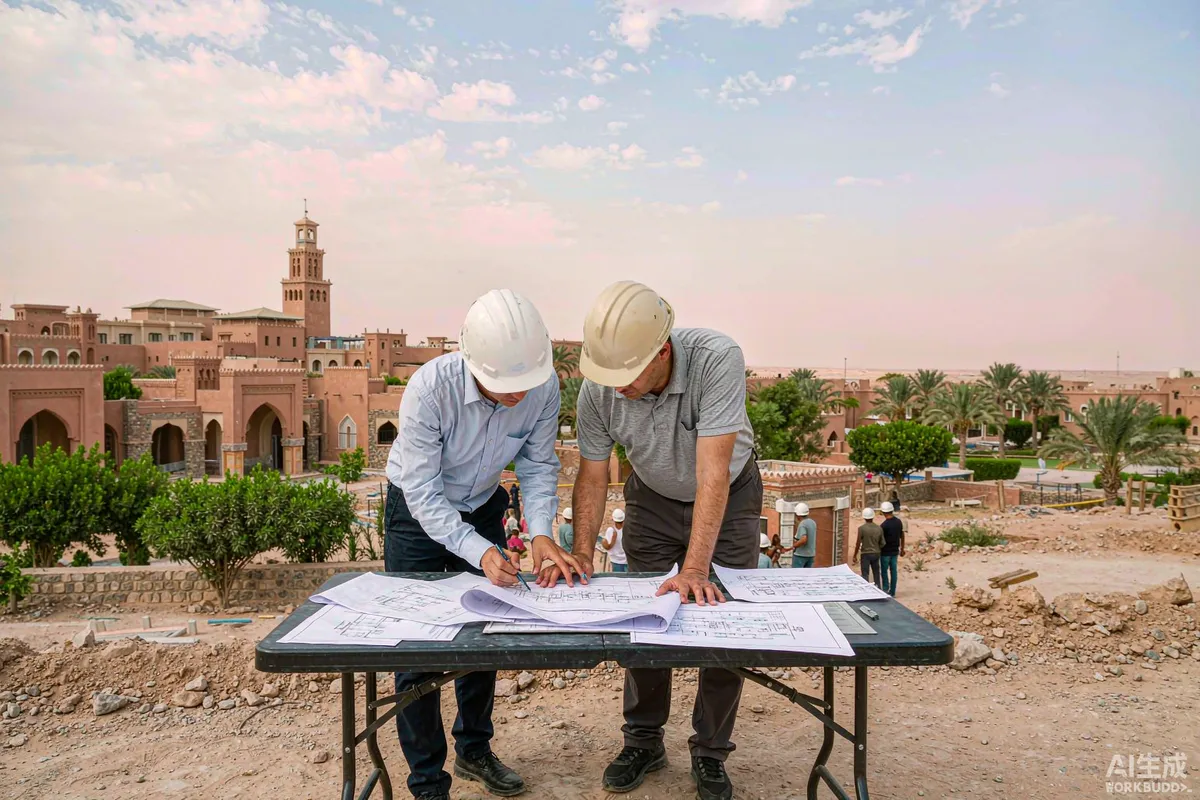
- Documentation format. Drawings normally need preparation or endorsement by engineering offices registered to practise locally. Manufacturer drawings are useful input and not a substitute for the local submission.
The detailed requirements and file structure are set out in Saudi regulations and conformity and the Saudi compliance checklist; this page deliberately does not repeat them. Both are structural guides rather than statements of what applies to a specific project — confirm each requirement with the authority that will review your file. Requirements may vary by application, market and applicable standard.
Cost Structure: Where the Two Formats Differ
No price figures here — they depend on configuration, quantity and route. What differs structurally can be stated honestly.
- Unit cost per key. Compact pods sit lower per unit; larger capsule units carry more floor area, more glazing and more interior fit-out, and therefore more plant.
- Transport per key. The smaller envelope often fits a more favourable transport form and reduces crane requirements. Over many units this is not trivial.
- Site works per key. More units means more pads, more service runs and more connection points. Doubling the unit count can cost more in site works than the difference between the two formats.
- Operating cost per key. Larger glazed envelopes generally require more cooling capacity and more energy. The per-night method is set out in energy cost per night.
- Revenue per key. Larger units generally command a higher rate. Whether that offsets the higher cost per key is a question you answer with your own rate card; the return arithmetic is outlined in resort ROI modelling.
Choosing a Mix, Not a Winner
Most projects end up with both, and the useful exercise is deciding the ratio. Three steps make it concrete.
- Segment your demand. Couples on a two-night stay, families on a week and long-stay corporate guests want different things. Assign a format to each segment rather than to the site as a whole.
- Standardise the specification across both. Common glazing specification, common electrical equipment, common finishes and common spare parts reduce procurement friction and lifetime cost — see fleet standardisation.
- Phase it. Start with the format that serves your highest-volume segment, then extend. A phased approach is covered in phased site expansion.
Current configurations for both formats are on the product pages. If you have a Saudi resort brief — plot, target key count, intended occupancy and rate bands — send those four items and we will map them to a unit mix and the specification lines that follow. Requirements may vary by application, market and applicable standard.
More from the Blog

Capsule Home Cost Guide: What You Really Pay in 2026
EXW, shipping, install and the hidden line items — a transparent breakdown of total landed cost.
Read article →
How to Install a Capsule Home in 3 Days: A Step-by-Step Guide
From site prep to first guest — the exact sequence our install crews follow on every deployment.
Read article →
Real Owners, Real Numbers: Success Stories
How a lakeside resort, a Spanish glamping site and a Singapore dealer hit their targets.
Read stories →Talk to the Factory
Ready to Ride the 2026 Wave?
Get the latest catalog, pricing tiers and a layout sketch for your land — straight from the engineering team.