Capsule Home ROI: What Resort and Glamping Operators Should Model
Thinking about capsule homes as rental assets? Here are the cost and revenue variables that actually drive payback for operators.
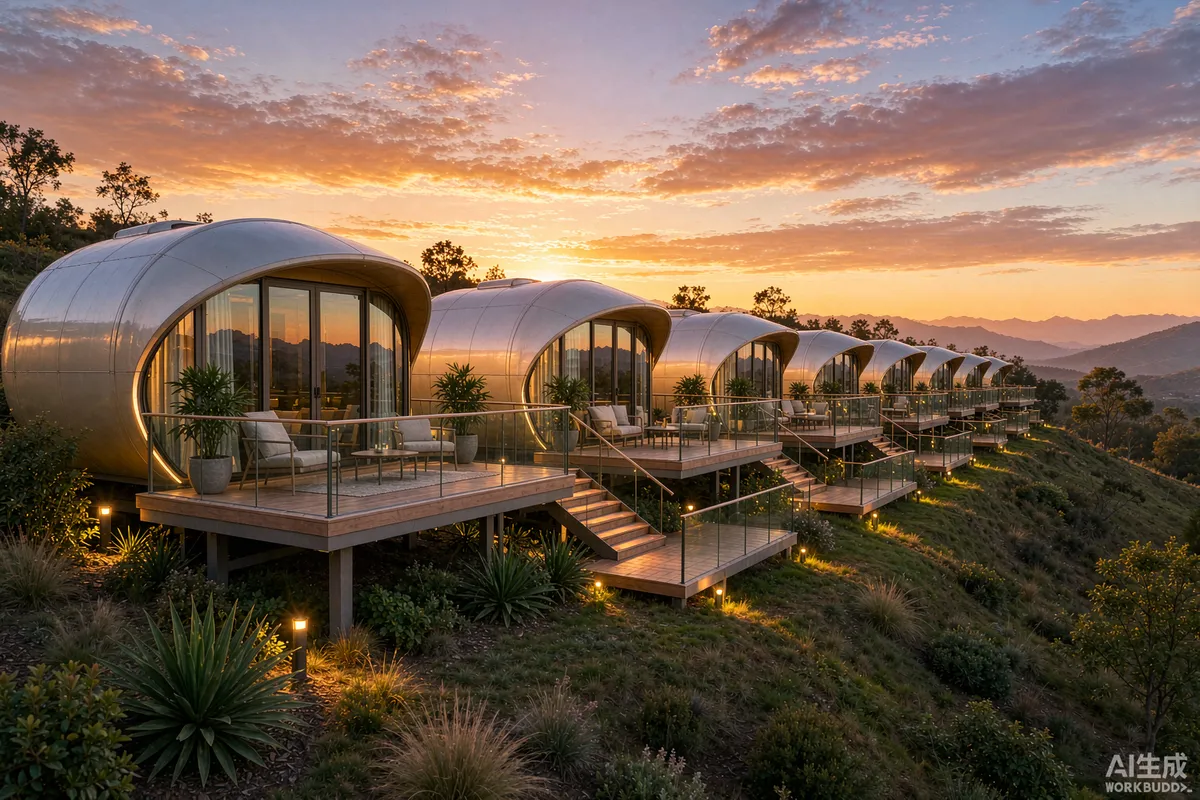
Capsule homes are bought as revenue assets, so the useful question is not what they cost but how quickly they pay back. Payback depends on a small number of variables that interact: what you pay to get a bookable unit, how often it is occupied, what you charge, and what it costs to run. Modelling those honestly matters more than any headline figure.
Start With Landed Cost, Not Unit Price
The number that drives payback is the total cost of a unit ready to accept its first guest. That includes the unit, freight and duties, site preparation, foundations or supports, service connections, craning, any finishing work, furnishing and your listing and marketing setup. Buyers who model only the purchase price consistently understate their payback period.
The Three Revenue Drivers
Occupancy
Occupancy is the variable with the widest range and the largest effect. It depends on your location, season length, how distinctive the unit is, and how well it photographs. Distinctive units tend to sustain higher occupancy because they compete on experience rather than on price.
Nightly Rate
Rate is set by your local market and by what the unit delivers. A unit with a genuinely distinctive feature - panoramic glazing, a strong view, a well-designed interior - can command a premium over a standard cabin. That premium is usually larger than the incremental cost of specifying it.
Season Length
How many nights a year you can sell is often overlooked. A unit specified for year-round comfort extends your selling season, which can matter more to annual revenue than a small change in nightly rate.
Operating Costs to Include
- Cleaning and laundry per turnover.
- Platform commissions and payment processing.
- Utilities - power, water, waste and heating.
- Maintenance on the envelope, glazing and mechanical systems.
- Insurance appropriate to commercial letting.
- Marketing beyond the listing platforms.
Underestimating cleaning and commission is the most common modelling error, because both scale directly with occupancy rather than staying fixed.
Speed to First Bookable Night
Time is money in this business. Because factory-built units arrive largely finished, the gap between delivery and first booking is usually short - but permitting, site works and service connections still take calendar time. Every week a unit sits unbooked is revenue you never recover, so the speed of your site readiness is a genuine financial variable.
Simple Payback Framework
Work out annual net revenue: occupied nights multiplied by the average nightly rate, minus variable costs per stay and fixed annual costs. Divide your landed cost by that figure for a payback estimate in years. Because occupancy and rate vary so widely by location and operator, run the model with conservative, expected and optimistic inputs rather than relying on a single figure.

What Not to Do
Do not model from someone else's occupancy figures, and be sceptical of any supplier who quotes a guaranteed return. Your results depend on your site, your market and how you operate the asset. Treat any published return as an illustration of a method, not a forecast of your outcome. Requirements may vary by application, market and applicable standard.
More from the Blog
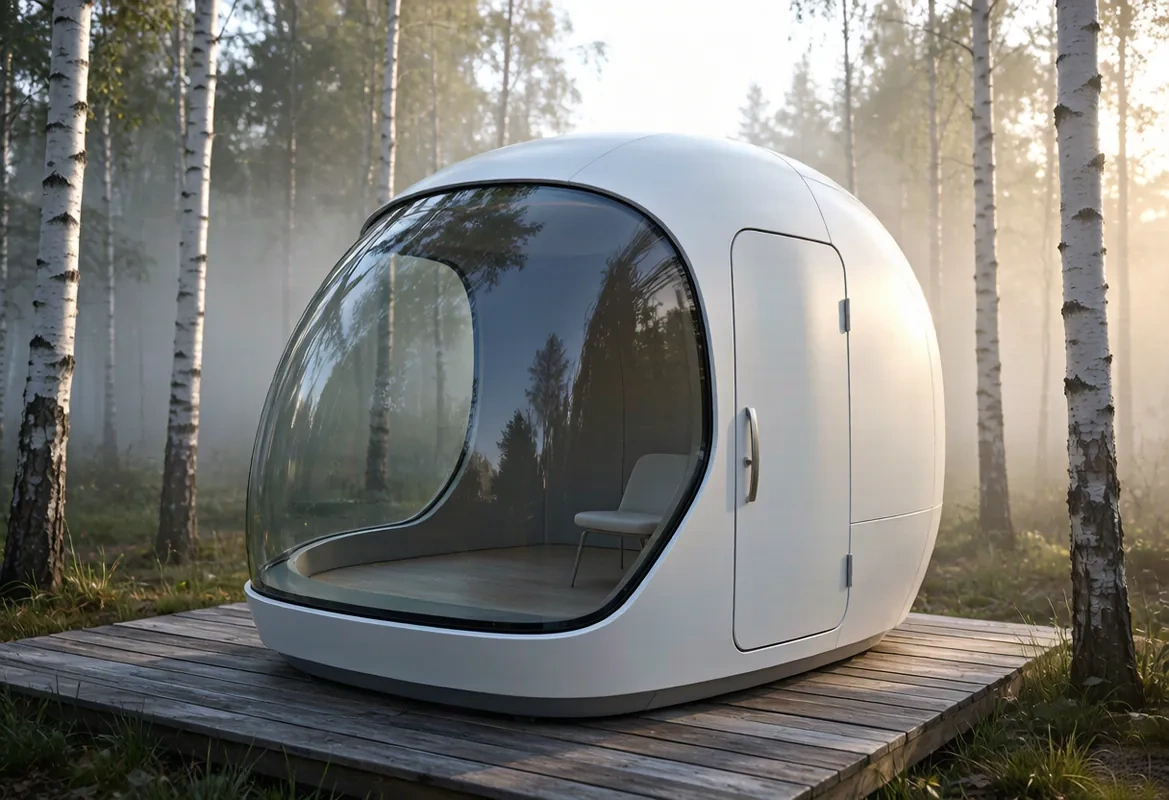
Capsule Home Cost Guide: What You Really Pay in 2026
EXW, shipping, install and the hidden line items — a transparent breakdown of total landed cost.
Read article →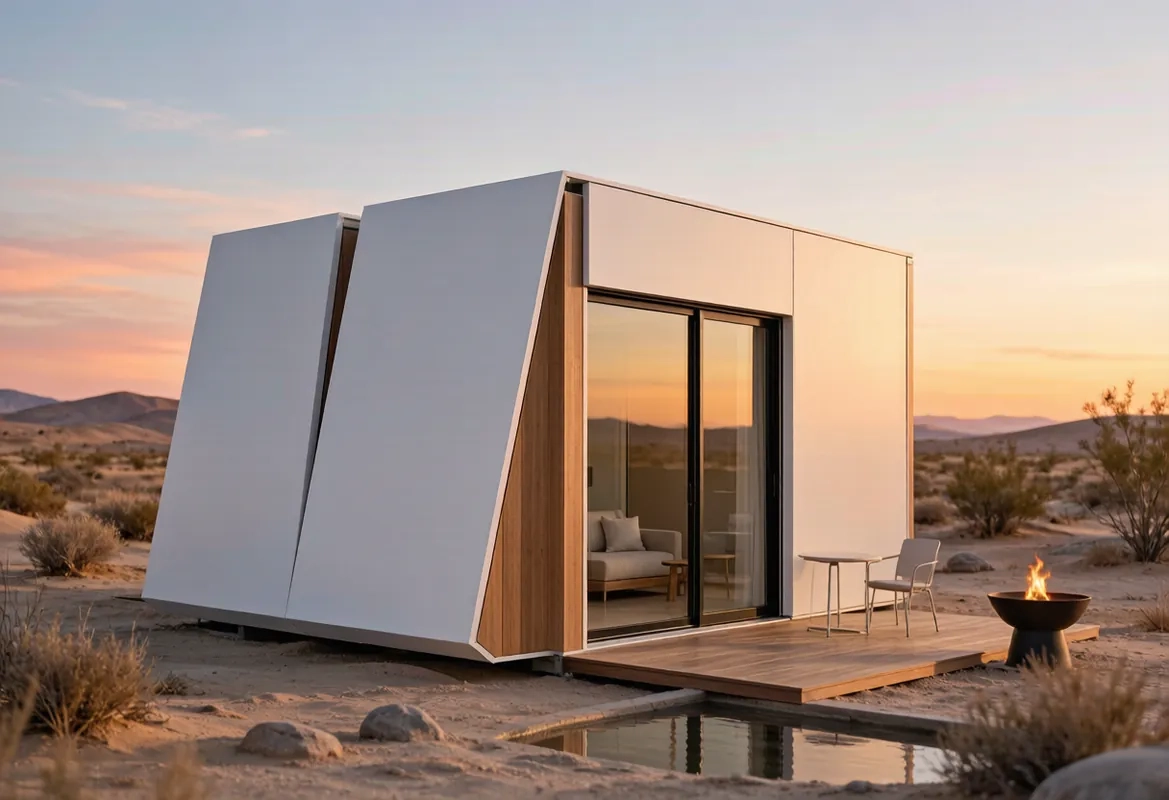
How to Install a Capsule Home in 3 Days: A Step-by-Step Guide
From site prep to first guest — the exact sequence our install crews follow on every deployment.
Read article →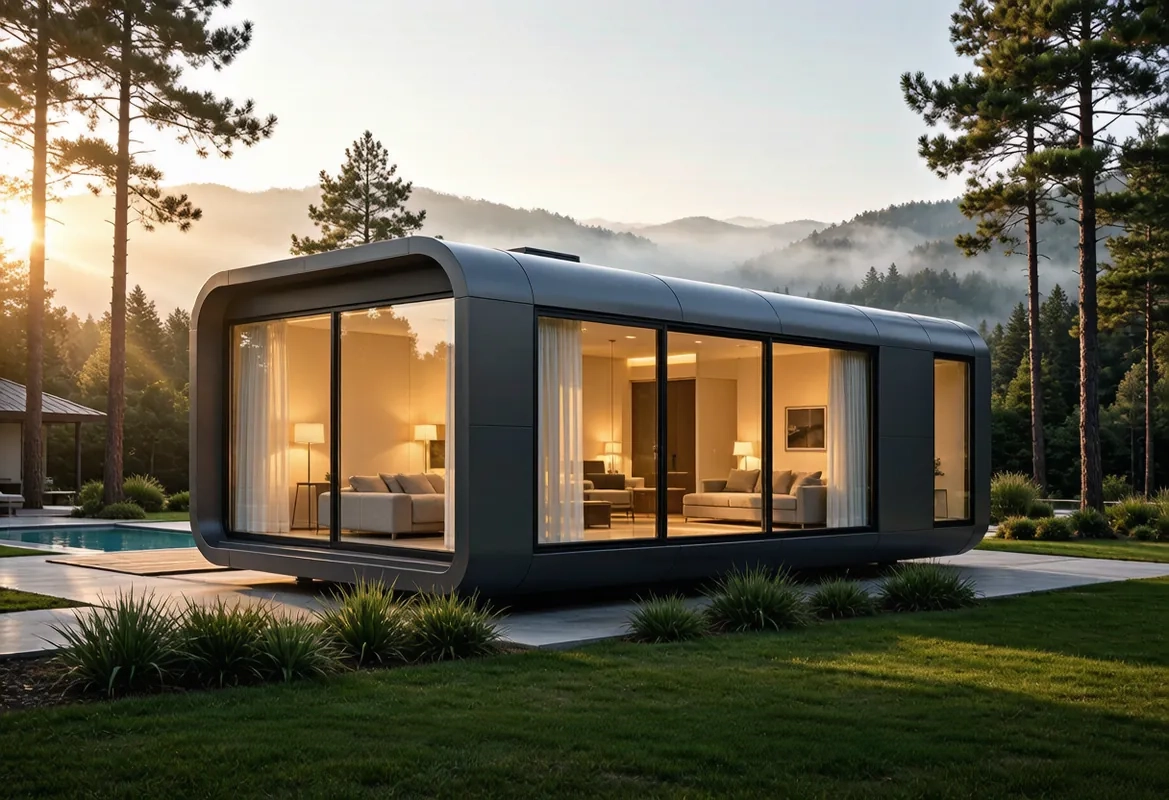
Real Owners, Real Numbers: Success Stories
How a lakeside resort, a Spanish glamping site and a Singapore dealer hit their targets.
Read stories →Talk to the Factory
Ready to Ride the 2026 Wave?
Get the latest catalog, pricing tiers and a layout sketch for your land — straight from the engineering team.