Capsule House Saudi Arabia: Red Sea, AlUla, Riyadh
Capsule house projects in Saudi Arabia: electrical compatibility, desert and coastal climates, tourism demand centres, freight routes and documentation.
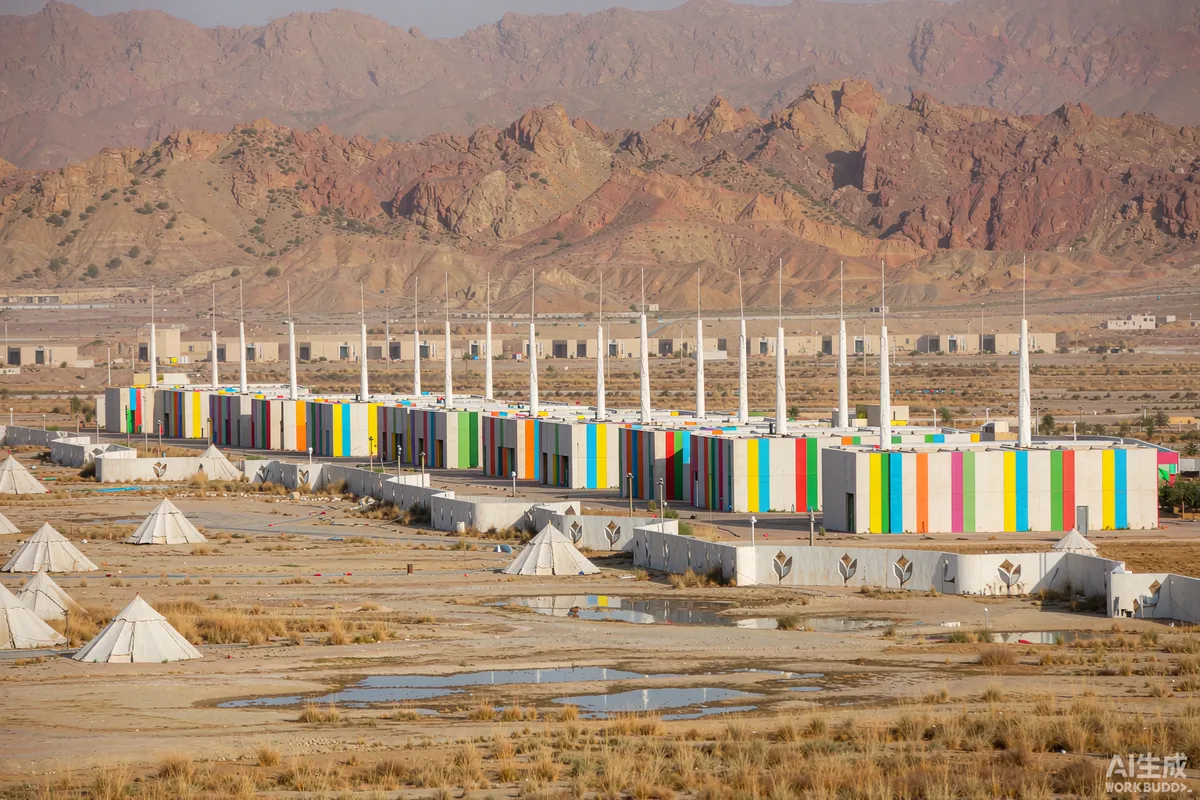
Saudi Arabia is the largest single pipeline of tourism and accommodation demand in the region, and it is a market where the compliance work determines whether a project proceeds at all. The opportunity is real: Red Sea coastal development, heritage and desert destinations, and a broad national programme driving visitor infrastructure. The requirement is equally real: a structured code and conformity regime, civil defence involvement, and electrical characteristics that differ from European and Asian defaults.
What to Verify, Not Assume
This page deliberately lists verification items rather than stating requirements. Codes and conformity schemes are revised, and the applicable version depends on the project type, the location and the authority.
- Saudi Building Code applicability. Confirm which parts of the code apply to the structure as classified, and who certifies compliance locally.
- SASO conformity. Whether a conformity assessment applies to the units, to components, or to imported equipment, and at what stage it must be obtained.
- Civil defence requirements. Fire safety provisions for accommodation use are assessed separately from the building permit, and they influence layout, means of escape and detection.
- Municipal and authority approvals. Which authority has jurisdiction, and whether the site falls within a special development area with its own design standards.
- Tourism or hospitality licensing. Operation as visitor accommodation typically requires licensing in addition to construction approval.
Engage a licensed local consultant before specification is frozen. The cost of that engagement is small relative to the cost of discovering a requirement after units are built. Requirements may vary by application, market and applicable standard.
Electrical Compatibility: 220V / 60Hz
This is the item most often missed on orders specified elsewhere, and it is discovered at commissioning.
- Confirm voltage and frequency explicitly in the specification. It is a line item, not a detail.
- Check equipment ratings individually. Motors, compressors and some appliances behave differently at 60Hz; a unit built for 50Hz may not be suitable without change.
- Confirm plug and socket types, and the protection arrangements expected locally.
- Check whether equipment requires local type approval before it can be connected.
- Re-check after any late specification change. Appliances substituted late are a common source of mismatches.
Ask for confirmation in writing against the unit's electrical schedule, and verify it during pre-delivery inspection rather than on site.
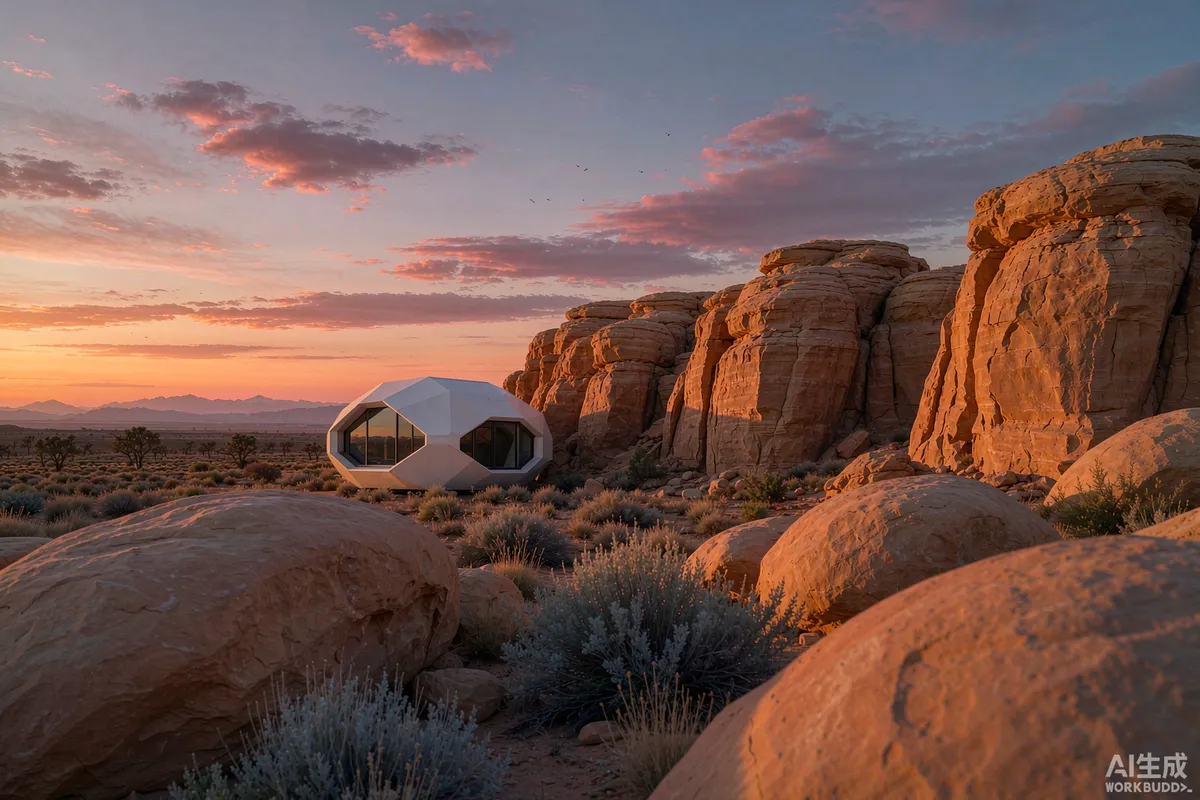
Climate: Two Extremes, Not One
Saudi projects often assume heat is the only condition to design for. Inland and highland sites experience a much wider daily range than coastal ones.
- Extreme daytime heat requires the cooling capacity and glazing strategy covered for desert conditions generally.
- Large diurnal swings inland mean heating may be needed at night for part of the year, and insulation strategy should reflect both directions.
- Low humidity inland, higher humidity on the Red Sea coast - two different condensation and corrosion profiles on either side of the country.
- Dust and sand are present at most sites and require the sealing and filtration approach described for arid markets.
- Solar exposure is high year-round, which affects both cooling load and external material selection.
Where the Demand Is
Three project types account for most of the current pipeline, and each has different specification implications.
- Red Sea and coastal tourism development. High-specification guest accommodation, salt and humidity exposure, and typically strict design review by the master developer.
- Heritage and desert destinations. Small counts, exceptional positions, strong emphasis on visual integration and on low ground disturbance.
- Workforce and project accommodation supporting construction programmes - a different commercial model with different specification priorities.
For the third category, see our separate page on workforce accommodation units. The specification priorities differ enough to warrant separate treatment: durability and throughput rather than guest experience.
Programme Advice
- Sequence the conformity work before production, not during it. Where assessment is required, it is a gate rather than a formality.
- Allow real duration for authority review. Building the timetable around the approval range rather than the order date prevents storage cost.
- Confirm the importer's registration early. It is a prerequisite for clearance and it is not instantaneous.
- Keep one document set current. Submissions, procurement and production should all reference the same revision.
Where the Demand Is Concentrated
Enquiries from the Kingdom cluster around a recognisable set of project types, and each carries a different specification emphasis.
- Red Sea and coastal tourism developments, where the dominant issues are salt exposure, humidity and remote-site logistics.
- Heritage and desert destinations, where visual sensitivity, extreme diurnal temperature range and dust sealing lead the specification.
- Urban and peri-urban hospitality, where approvals, parking and services connections matter more than climate.
- Workforce and project accommodation, which is a distinct product with distinct requirements - see our staff accommodation page.
- Seasonal and event use, where speed of deployment and removability are the whole argument.
Each of these implies a different unit mix and a different services strategy, and it is worth stating which one is intended before requesting a quotation.
Freight Routes and Port Handling
The Kingdom's size means inland transport is often a larger share of the programme than the sea leg, and it is the part most often under-planned.
- Confirm the discharge port against the final site before booking, since changing it after departure is expensive.
- Survey the inland route for the packed dimensions, including any bridge, underpass or weight restriction.
- Establish who handles customs clearance and what documentation they require, well before the vessel sails.
- Plan for the heat in the handling plan. Daytime working restrictions in extreme heat affect unloading windows and labour availability.
- Confirm storage options at port in case site readiness slips, since demurrage accrues regardless of whose fault the delay is.
Documentation and Language Practicalities
Two administrative points cause more delay than any technical issue on projects in this market.
- Document requirements change. Certificate, labelling and conformity requirements should be confirmed with the relevant authority and your clearing agent at the time of order, not from a previous project. Requirements may vary by application, market and applicable standard.
- Bilingual documentation helps. Technical submissions, operation manuals and signage are more useful on site in Arabic and English, and this should be requested before production rather than after.
- Metric is standard for drawings and dimensions, and conversions introduced by other parties should be checked against the original.
Ask the supplier to confirm, in writing, which documents they will issue and in what language. That list then belongs in the contract.
Designing for the Diurnal Range
Inland sites in the Kingdom can move through a wide temperature range within a single day, and this has consequences that a single "hot climate" assumption misses.
- Expansion and movement. Materials respond to the range, and joints and fixings should be detailed for movement rather than for a steady state.
- Insulation works both ways. The same layer that limits daytime gain limits night-time loss, which is what makes cold desert nights comfortable.
- Heating provision. Winter nights at inland elevations require it, and it is frequently omitted from a specification built around cooling alone.
- Thermal shock on glazing. Large panes subject to rapid change deserve specification advice from the glazing supplier, not a generic assumption.
- Commissioning timing. Test the unit across the range, not only at the hottest hour, since some faults appear only at the extremes.
What to Send When Requesting a Quotation
Four pieces of information make the difference between a useful quotation and a generic one.
- Location and exposure - coastal, inland, elevation, and whether the site is sheltered.
- Intended use and occupancy pattern - continuous, seasonal, or high-turnover.
- Services available on site - power characteristics, water and drainage destination.
- Access description - port of discharge, road types, and any known restrictions.
With these, a supplier can specify rather than guess. Without them, any number provided is an estimate of the unit only, and the project will be priced by someone else later.
Model options and configurable items are on the product pages. To discuss a specific site, send the location, project type and authority and we will respond on specification and documentation.
More from the Blog

Capsule Home Cost Guide: What You Really Pay in 2026
EXW, shipping, install and the hidden line items — a transparent breakdown of total landed cost.
Read article →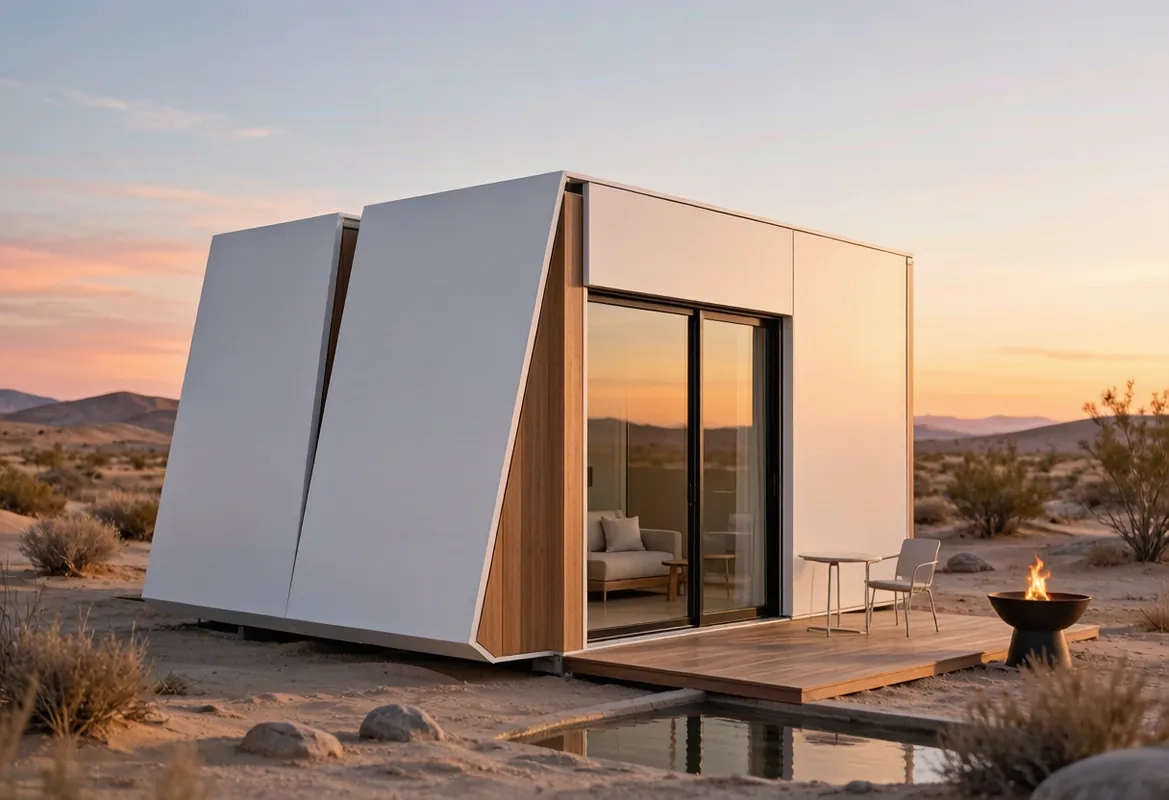
How to Install a Capsule Home in 3 Days: A Step-by-Step Guide
From site prep to first guest — the exact sequence our install crews follow on every deployment.
Read article →
Real Owners, Real Numbers: Success Stories
How a lakeside resort, a Spanish glamping site and a Singapore dealer hit their targets.
Read stories →Talk to the Factory
Ready to Ride the 2026 Wave?
Get the latest catalog, pricing tiers and a layout sketch for your land — straight from the engineering team.