Staff Accommodation Capsule Units for Saudi Sites
Capsule units for staff accommodation in Saudi Arabia: density, durability under continuous occupation, 220V/60Hz services and welfare verification.
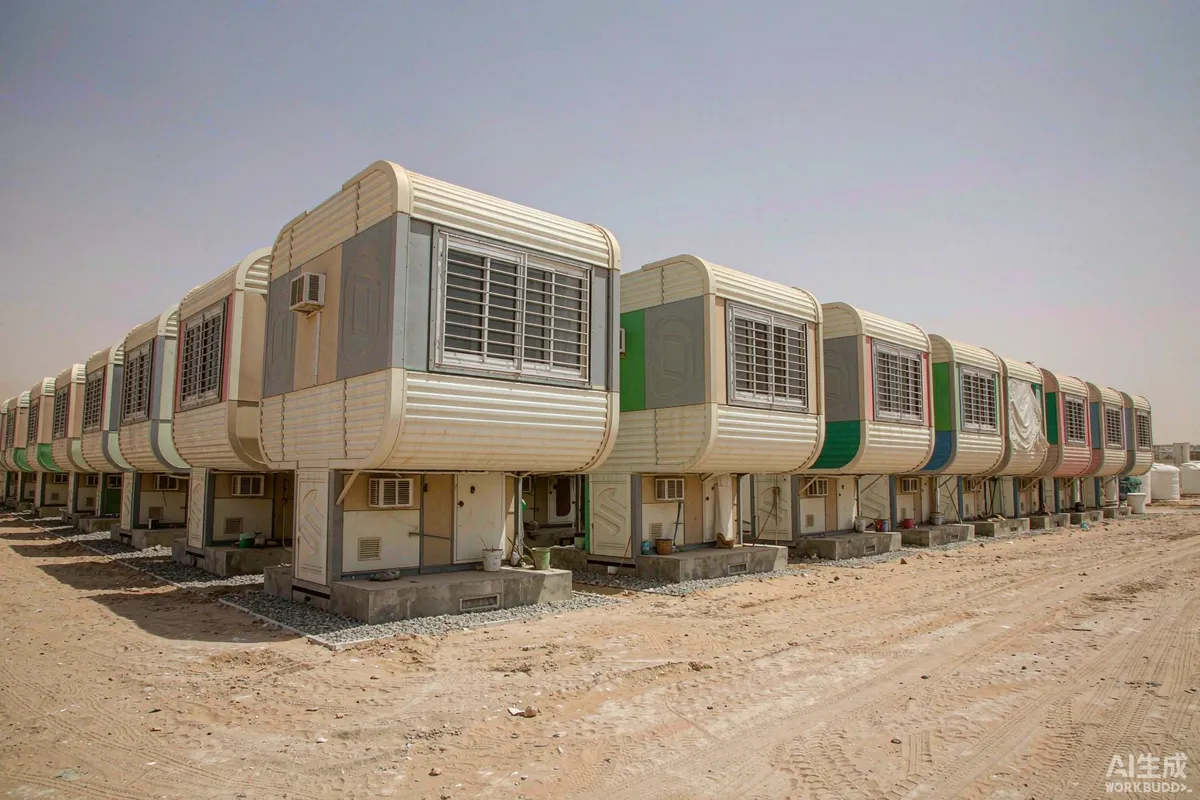
Workforce accommodation is a different product from guest accommodation, even where the physical unit is the same. The occupants stay for months rather than nights, they occupy the unit continuously rather than intermittently, and the commercial model rewards durability and throughput rather than nightly rate. In Saudi Arabia this matters more than usual, because project accommodation sits inside a structured compliance regime and because the scale of current construction programmes makes it a genuinely large category.
What Changes Compared With Guest Accommodation
| Consideration | Resort unit | Workforce unit |
|---|---|---|
| Occupancy pattern | Intermittent, high turnover | Continuous, long duration |
| Occupants per unit | One or two | Often two or more |
| Interior specification | Appearance-led | Wear-led |
| Services load | Peaky | Continuous baseline |
| Maintenance access | Between stays | Around occupants |
| Layout priority | Outlook and privacy | Density, circulation, welfare facilities |
Reading the table across is the useful exercise: several specification choices that are correct for a resort are simply wrong here, and the unit is usually ordered from the same catalogue.
Density, Layout and Circulation
Camp layout is a logistics problem before it is an accommodation problem.
- Plan the block structure first - rows, clusters and the spacing required for access, services and any separation requirements.
- Decide occupancy per unit early. It drives bed configuration, storage, and the load on water and power.
- Separate welfare facilities from sleeping where the specification allows, and size them for peak shift change rather than for average occupancy.
- Provide for the shift pattern. Occupants on different shifts share a unit; layout and acoustic separation should assume that.
- Design the service route. Cleaning, laundry and waste handling move through the camp daily and need their own path.
- Allow for expansion. Camp populations change; the layout should absorb another block without reorganisation.
Durability Under Continuous Occupation
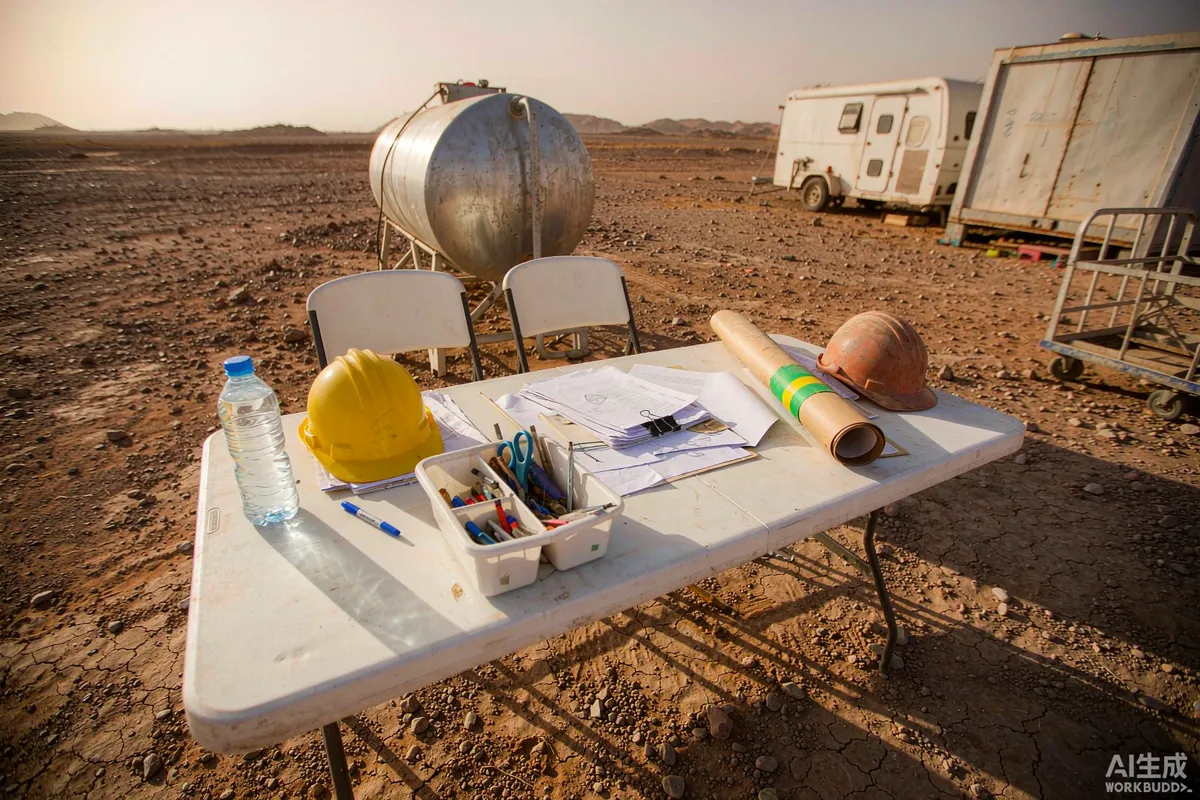
Specification should assume the unit is occupied every day, by people who are not on holiday.
- Interior surfaces selected on wear rather than on appearance; replaceable in sections rather than wholesale.
- Flooring that tolerates sandy footwear and frequent wet cleaning.
- Storage provision sufficient for a long stay, which is a different quantity from a weekend stay.
- Air conditioning sized for continuous duty and specified for a long service interval.
- Sanitaryware and fittings specified for heavy use - this is where specification savings are most often and most expensively made.
- Lighting and power outlets positioned for how occupants actually live over months, not nights.
Services at 220V / 60Hz and High Load
Electrical and water planning for a camp is infrastructure planning, not unit planning.
- Confirm voltage and frequency in the specification. The country standard must be stated explicitly rather than assumed from a previous order.
- Size the incoming supply for continuous baseline plus peak - shift changeover produces a pronounced morning and evening peak.
- Plan water storage and pressure. Camps are frequently remote from a mains supply of adequate capacity.
- Plan wastewater treatment and disposal as a designed system sized for the full camp population, not phased by block.
- Provide redundancy for cooling. In this climate, a cooling failure is a welfare issue, not a comfort issue.
- Meter blocks separately so that consumption and faults can be localised.
Connection, protection and any equipment approvals are determined locally. Confirm requirements with a licensed engineer at the destination. Requirements may vary by application, market and applicable standard.
Welfare and Compliance: Verify, Do Not Assume
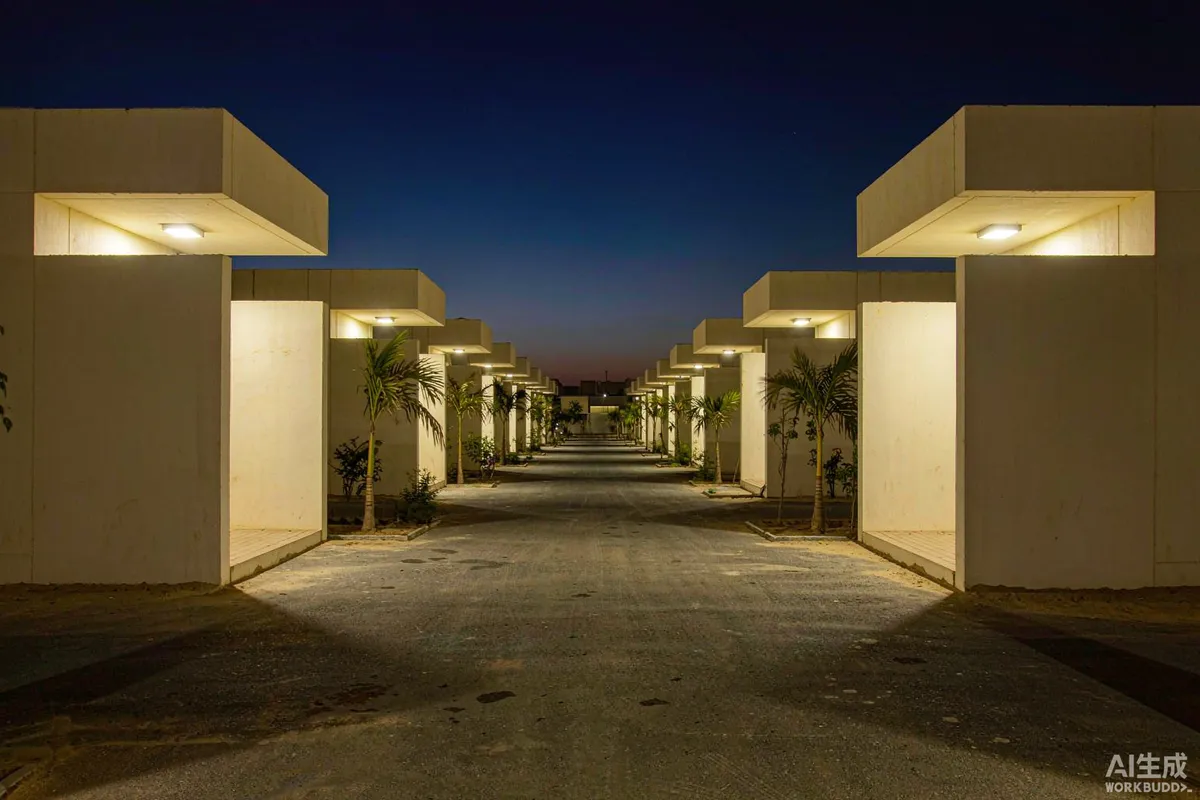
Accommodation standards for workers are regulated, and the requirements are specific rather than general.
- Occupancy density and space per person - a defined standard in most markets, and a common cause of rejected layouts.
- Sanitation and washing provision per occupant.
- Fire safety, means of escape and detection, assessed by the civil defence authority.
- Ventilation and thermal conditions in continuously occupied sleeping accommodation.
- Any inspection or certification required before occupation.
Welfare standards, inspection regimes and the applicable code provisions differ by authority and are revised. Confirm the current position with the relevant authority or a licensed local consultant before finalising layout. Requirements may vary by application, market and applicable standard.
Procurement Notes
- Standardise. One configuration across the camp simplifies spares, maintenance and any future relocation.
- Order a spares holding with the first shipment. The items that fail under continuous occupation are predictable.
- Confirm the delivery term and inland transport to a remote site explicitly - the last leg is where camp deliveries fail.
- Plan for relocation. One of the advantages of the format is redeployment; specifying with that in mind is cheap and resale value follows.
Planning for Camp Expansion and Reuse
Workforce camps rarely stay the same size, and the specification should anticipate that rather than treat the first order as final.
- Standardise on one configuration for the core accommodation. Mixed configurations multiply the spares inventory and complicate maintenance.
- Design the services spine for the final headcount, not the first phase. Oversizing the initial distribution is far cheaper than rebuilding it later.
- Keep the grid expandable. Rows should be extendable without relocating existing units or re-routing services.
- Plan the demobilisation from the start. Where the camp is temporary, the removal sequence, the reinstatement obligation and the unit's second use should be decided before the first unit arrives.
- Record the as-built layout. On a large camp nobody remembers where the isolation valves are after eighteen months.
Housekeeping and Turnover at Scale
At camp scale, cleaning and maintenance become an operation in their own right and they should be designed for, not improvised.
- Standard consumables. Filters, seals, lamps and door furniture should be one part number each, held on site in defined quantities.
- A defined cleaning cycle per unit, with a standard that can be checked - not an aspiration.
- A reporting route for defects that is simple enough to be used, and a committed turnaround time for each class of defect.
- Planned maintenance windows aligned with shift patterns, since units are occupied continuously.
- Spare unit provision. Holding one or two units out of service for rotation makes both maintenance and deep cleaning practical.
Where the camp is provided under a client's own welfare standard, obtain that standard in writing and design against it. Requirements may vary by application, market and applicable standard.
Handover and Demobilisation
The end of a camp contract is when documentation either pays for itself or is missed.
- Asset register with condition records for each unit, produced at handover and updated at demobilisation.
- Maintenance history by serial number, which is what makes a unit sellable or redeployable.
- Reinstatement evidence - photographs and, where required, survey records - showing the ground returned to the agreed condition.
- Spares and tooling reconciliation against the original issue, so that the next project starts with what it expects.
Discuss camp-scale requirements with our team, sending headcount, duration and location.
Specification Priorities That Differ From Hospitality
Where a buyer's experience is with guest accommodation, three specification instincts need adjusting for workforce use.
- Durability outranks novelty. A finish that looks impressive in a brochure and marks on first contact is a poor choice for continuous occupation.
- Serviceability outranks integration. Appliances and fittings should be replaceable with locally available equivalents, not solely with a factory part on a long lead time.
- Cleanability outranks softness. Surfaces in a workforce unit are cleaned hard and often, and materials should be chosen for that duty cycle.
- Storage for personal effects matters more than in short-stay accommodation, because occupants live in the unit rather than visit it.
These are not cost savings; they are the difference between a unit that survives its contract and one that is refurbished halfway through it.
Unit options and configurations are on the product pages. For camp-scale enquiries, send the headcount, duration and location and we will respond on configuration and programme.
More from the Blog
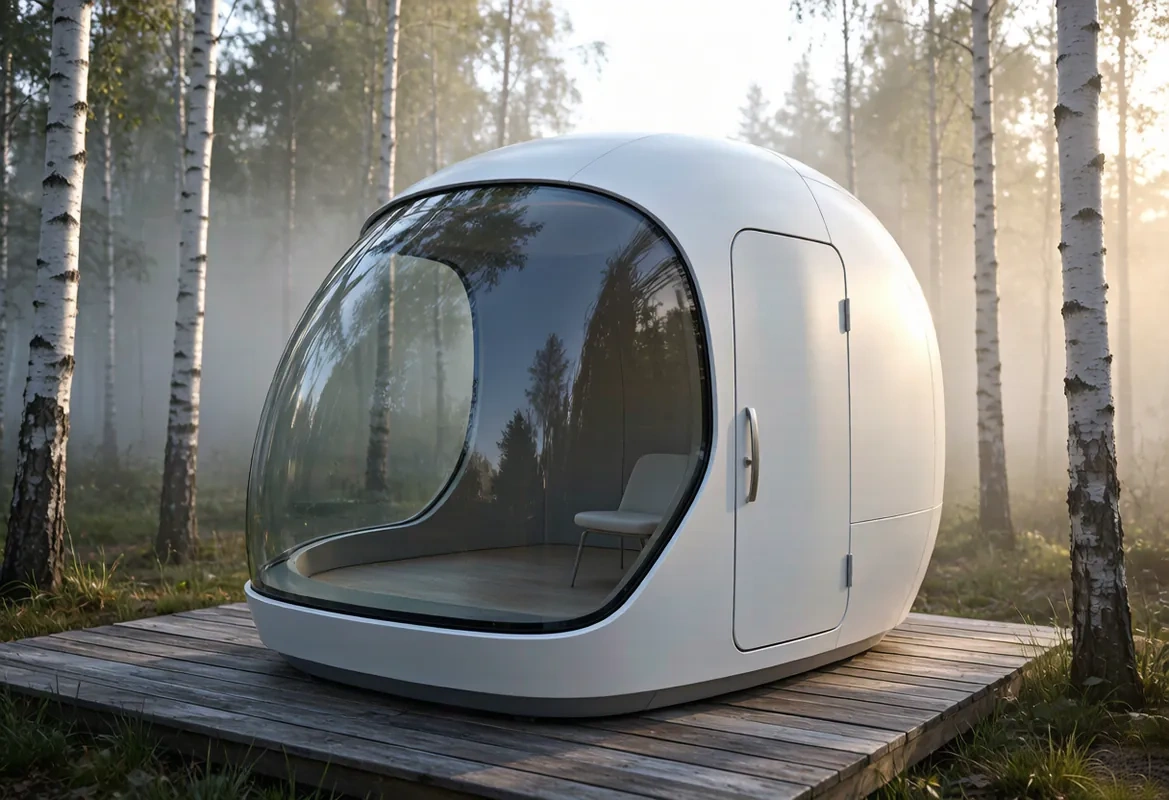
Capsule Home Cost Guide: What You Really Pay in 2026
EXW, shipping, install and the hidden line items — a transparent breakdown of total landed cost.
Read article →
How to Install a Capsule Home in 3 Days: A Step-by-Step Guide
From site prep to first guest — the exact sequence our install crews follow on every deployment.
Read article →
Real Owners, Real Numbers: Success Stories
How a lakeside resort, a Spanish glamping site and a Singapore dealer hit their targets.
Read stories →Talk to the Factory
Ready to Ride the 2026 Wave?
Get the latest catalog, pricing tiers and a layout sketch for your land — straight from the engineering team.