Standardizing a Capsule Home Fleet: Why Identical Units Cost Less to Run
Buying several capsule homes at once? Standardizing model, trim and components across the fleet cuts spare parts, training and downtime. Here is what to lock in.
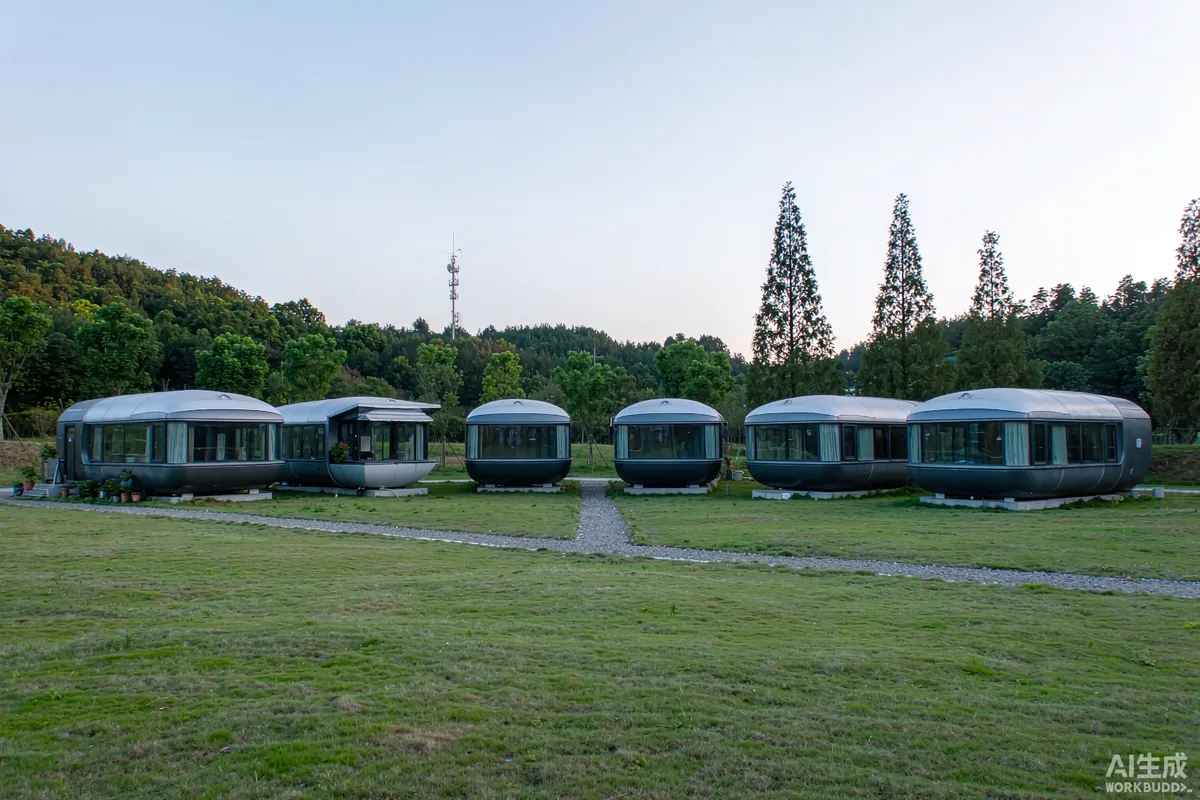
The cheapest multi-unit capsule home site to run is the one with the fewest distinct parts in it. When every unit shares the same model, the same trim level, the same door hardware, the same glazing modules and the same appliance set, one spare part fits every unit, one maintenance routine covers every unit, and one cleaning kit works everywhere. Standardizing a fleet costs nothing at the ordering stage - it mostly means resisting the temptation to customize each unit separately - and it pays back for the whole life of the site.
The Short Answer
Standardize everything a technician would have to identify, order or replace: model, trim, exterior finish, glazing, doors, locks, sanitaryware, appliances, electrical protection and control interfaces. Permit variation only where a unit has a genuinely different job - an accessible unit, a staff accommodation unit, a flagship unit - and then document that difference as a defined variant rather than a one-off. Everything else can vary freely: bedding, cushions, artwork and outdoor furniture cost nothing to differentiate and nothing to hold as spares.
What Fleet Standardization Actually Covers
Commonality is often misunderstood as making every unit look identical from the outside. In practice, the appearance is the least important part. What matters is the layer underneath: the components that fail, wear or need replacing over a ten-year operating life.
- Structure and envelope. The same model and the same wall, roof and floor build-up, so fixings, seals and panel sizes are shared.
- Glazing. The same window and door modules, with the same glass specification and the same gasket profiles.
- Hardware. One door lock, one hinge set, one handle, one shower fitting - not four variants of each.
- Services. One water heater model, one type of heat pump or air conditioner, one electrical protection layout.
- Appliances. One cooktop, one refrigerator, one washer-dryer where fitted.
- Controls. One interface for lighting, heating and ventilation, so staff learn it once.
- Finishes. One flooring product and one interior wall finish, so repairs blend in.
Exterior colour and soft furnishing choices sit outside this list. Two units can look different to a guest and still be identical to a maintenance technician, which is exactly the combination you want.
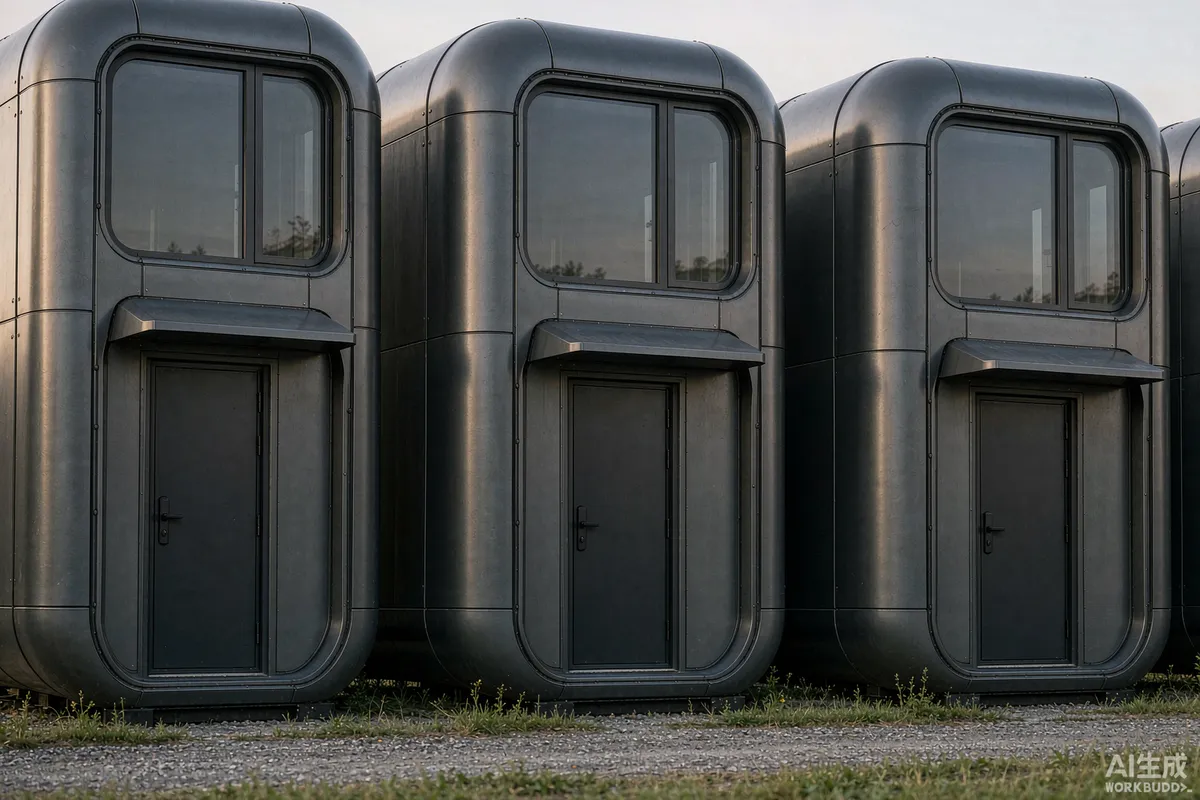
Standardize or Vary: A Working Rule
| Element | Decision | Reason |
|---|---|---|
| Model and footprint | Standardize | Drives foundations, cranage and every downstream dimension |
| Trim level | Standardize | Mixed trim means mixed components and mixed spares |
| Glazing modules | Standardize | Glass is the most likely item to need replacement |
| Door and window hardware | Standardize | High-wear items; variants multiply inventory |
| Appliances | Standardize | Failure is random, so stocking depth matters |
| Electrical protection layout | Standardize | Fault-finding speed depends on familiarity |
| Exterior colour | May vary | Cosmetic only, no spares implication |
| Interior soft goods | May vary | Cheap to change, no technical consequence |
| Accessibility provisions | Defined variant | Some units must differ; document it as a variant |
| Deck and terrace layout | May vary | Site-driven rather than unit-driven |
Where Commonality Shows Up in the Budget
The savings from standardization rarely appear as a line item in a quote. They appear later, in four places that are easy to overlook when the order is placed.
Spare parts inventory
A fleet of twelve identical units needs a shallow stock of each part. A fleet of twelve units with four different door locks needs stock of all four, or accepts that one lock type will be out of stock when it fails. Shallow and broad beats deep and narrow for the same total spend, because the parts that fail are the common ones, not the rare ones.
Technician time
A technician who has opened the same service panel forty times finds a fault quickly. One who has to work out which of three layouts this particular unit uses spends the first twenty minutes of every visit on orientation. Across a season, that difference is measurable in labour hours rather than in minutes.
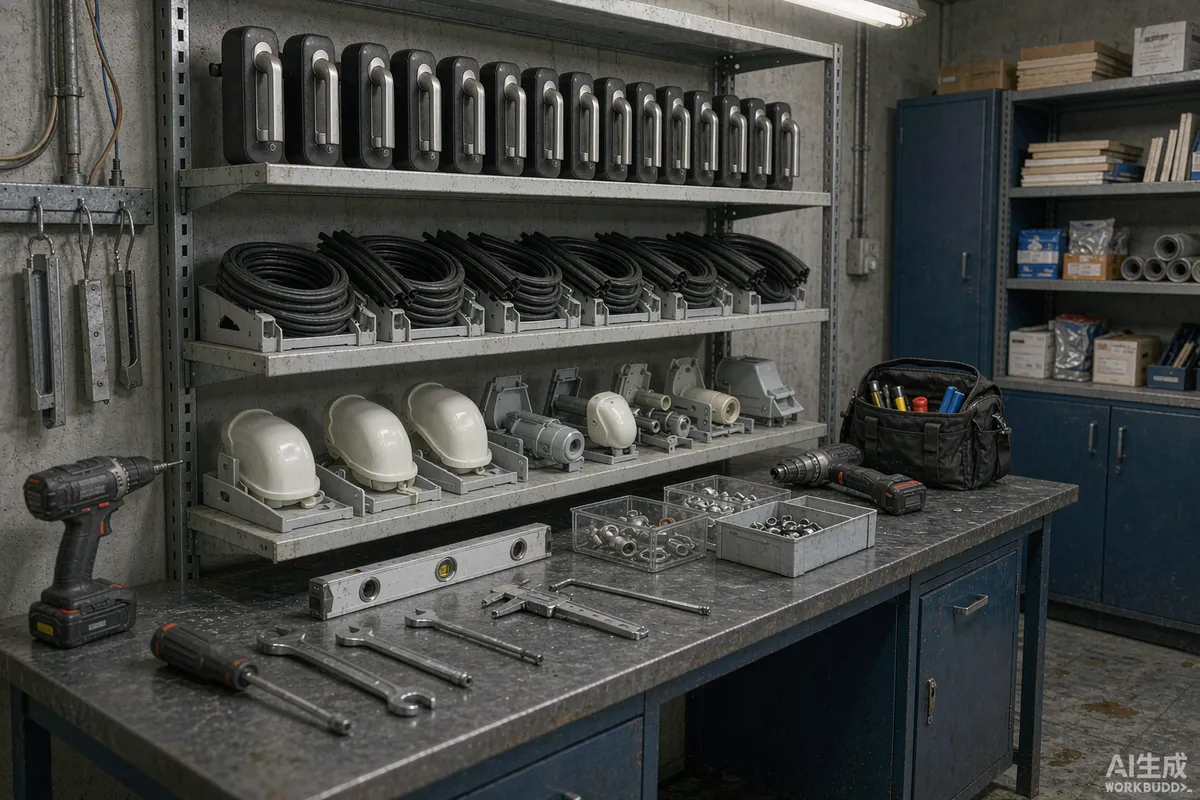
Downtime
A rental unit out of service for a week because a specific part has to be identified and shipped costs more than the part. Common parts are available locally or already on the shelf; uncommon ones are not. This is the single largest financial argument for standardization, and it is invisible in the purchase price.
Guest experience
Guests who return to a site, or who compare notes online, notice inconsistency. Units that work the same way - the same shower controls, the same heating interface, the same lighting - generate fewer support calls and fewer complaints. Consistency is a service feature, not just an operational one.
Where Variation Still Makes Sense
A few variations are worth carrying deliberately, and the cost of carrying them is manageable as long as they are defined rather than improvised.
- An accessible unit. Level entry, wider door, a bathroom arranged for wheelchair use. Requirements may vary by application, market and applicable standard, so confirm the local requirement before specifying.
- A staff or maintenance unit. A simpler interior, durable finishes, and storage for tools and consumables.
- A flagship unit. A larger footprint or a premium interior used for photography and for guests who pay more - one unit, not a scattered set of upgrades.
- Climate-driven differences. If part of the site is exposed and part is sheltered, heating or shading provisions may reasonably differ.
Write each of these down as a named variant with its own parts list. The discipline is not "never vary" but "never vary by accident."
Buying in Waves Without Losing Commonality
Most sites grow: three units this year, four more next year, and so on. The risk is that the second order quietly becomes a different product, because the model was updated, a component was substituted, or a different salesperson wrote the quote.
- Keep the original specification document and attach it to every subsequent enquiry.
- Ask what has changed since the last order, in writing, before signing.
- Freeze the critical components - locks, glazing, appliances, control gear - even if cosmetic items move on.
- Order a spares kit with the first batch sized for the whole eventual fleet, not just for the units arriving.
- Record serial numbers and build dates per unit so service history and parts match.
Haishu builds the Galactic A Series as one platform with A30, A50 and A70 footprints, which is the useful property here: a site can standardize on the A50 for most positions, use an A70 where a double-deck layout is wanted, and still share a large part of the component set across both. Because the units are finished in the factory as turnkey dwellings, the specification agreed at the drawing stage is what arrives on site - and it is what the next order should repeat.
The Takeaway
Decide what must be identical, allow variation only where a unit has a different job, and write the exceptions down as named variants. Keep the specification with the site rather than with the purchase order, re-attach it to every later order, and buy spares for the fleet you intend to have rather than the fleet you have today. The result is a site that is quicker to maintain, cheaper to keep running and easier for staff and guests alike.
More from the Blog
Capsule Home Cost Guide: What You Really Pay in 2026
EXW, shipping, install and the hidden line items — a transparent breakdown of total landed cost.
Read article →
How to Install a Capsule Home in 3 Days: A Step-by-Step Guide
From site prep to first guest — the exact sequence our install crews follow on every deployment.
Read article →
Real Owners, Real Numbers: Success Stories
How a lakeside resort, a Spanish glamping site and a Singapore dealer hit their targets.
Read stories →Talk to the Factory
Ready to Ride the 2026 Wave?
Get the latest catalog, pricing tiers and a layout sketch for your land — straight from the engineering team.