Capsule House in Hot Climate: Saudi Spec Checklist
The thermal and electrical specification a capsule house needs in Gulf heat: cooling sizing, 60 Hz supply, glazing, insulation and sand sealing.
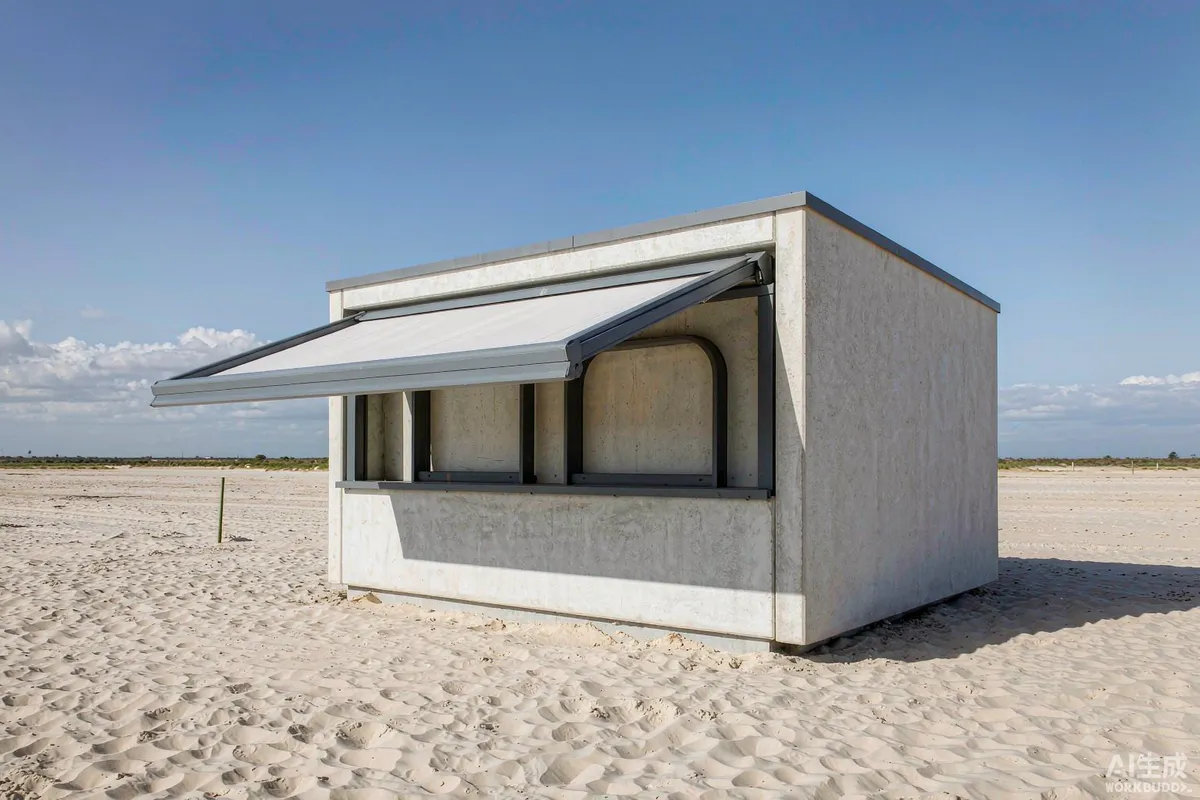
The two specification errors that cause most comfort complaints in the Gulf are not exotic. The first is a cooling system sized from a catalogue rating rather than from the actual peak ambient at the site. The second is electrical equipment rated for 50 Hz installed on a 60 Hz supply. Both are preventable at the order stage, and both are expensive to fix afterwards, because the first means changing the plant and the second means changing the appliances. This is the specification checklist for Gulf conditions; the design-side discussion of shading, ventilation and glazing is in keeping a capsule home cool, and the market background is in the Saudi Arabia capsule house guide. Requirements may vary by application, market and applicable standard.
Start by Writing the Design Conditions as Numbers
Every thermal decision downstream depends on two figures that most orders never state: the summer design dry-bulb temperature for the site, and the peak solar load the envelope will see. A unit sized for a mild summer will not hold setpoint in a Gulf afternoon, and the guest experience is the thermostat, not the brochure.
- State the design ambient. Ask the supplier to size the cooling system for a stated outdoor dry-bulb, with the figure written into the order. Obtain the site figure from your local engineer or from the project's design basis rather than from a climate website.
- State the occupancy and internal gains. Two occupants, lighting, a refrigerator, a water heater and a television are all heat sources inside the envelope. A unit sold as sleeping four is not thermally the same as a unit slept in by two.
- State the orientation. East and west glazing take the harshest low-angle sun; a north-facing panoramic wall is a very different load from a west-facing one. Orientation is a site decision, and it should be made before the unit is ordered, not after it is craned into place.
A supplier who will not state the ambient their cooling capacity was calculated at has not calculated it. Treat the absence of a design temperature as an answer in itself.
Envelope: Insulation and Glazing Are Cooling Decisions
In a hot climate the envelope is not a comfort feature, it is plant sizing. Every unit of heat that gets through the wall or the glass has to be removed by the air conditioner, and the air conditioner is the largest electrical load in the unit. Reducing the envelope load therefore reduces the cooling capacity required, the service size, the generator size and the running cost.
- Insulation: require the supplier to state the U-value for the wall, roof and floor build-ups, with the layer thicknesses and materials. Insulation thickness matters, but continuity matters as much — a thermal bridge through a steel frame can undo the nominal performance.
- Glazing: require the solar heat gain coefficient and the U-value for the glazing units. Large panoramic glass is the product's signature and its biggest liability in direct sun; high-performance coatings and, where appropriate, double glazing change the number substantially.
- Air tightness: the envelope has to be sealed, with the moving penetrations — doors, windows, service entries — detailed rather than assumed.
- External shading: fixed or adjustable shading on the sun-exposed elevations is often the cheapest capacity reduction available, and it also protects the glass from the sand-laden wind.
Ask for the figures as values on the specification, and verify them against the documents behind them. We do not publish performance numbers on behalf of suppliers, and a U-value quoted without a build-up should be treated as marketing until the panel construction is shown.
Cooling Capacity and Air Distribution
Once the envelope load is known, the plant can be sized properly. The practical mistakes are consistent across projects.
- Sizing from nominal capacity. Air conditioners are rated at stated test conditions; capacity falls as the outdoor temperature rises. Require the capacity at the design ambient, not the nameplate figure.
- Ignoring fresh air. Any ventilation or infiltration introduces an additional load on top of the envelope and internal gains.
- One large unit instead of appropriate distribution. A single high-capacity unit at one end of a long space produces hot and cold zones; air distribution matters as much as capacity.
- No redundancy for a revenue unit. For a rental unit, the cost of a cancelled booking exceeds the cost of a second smaller unit or a split system that can carry part load.
- Condensate not detailed. Condensate volume in humid coastal areas is significant, and the drain route, the trap and the discharge point should be on the drawing.
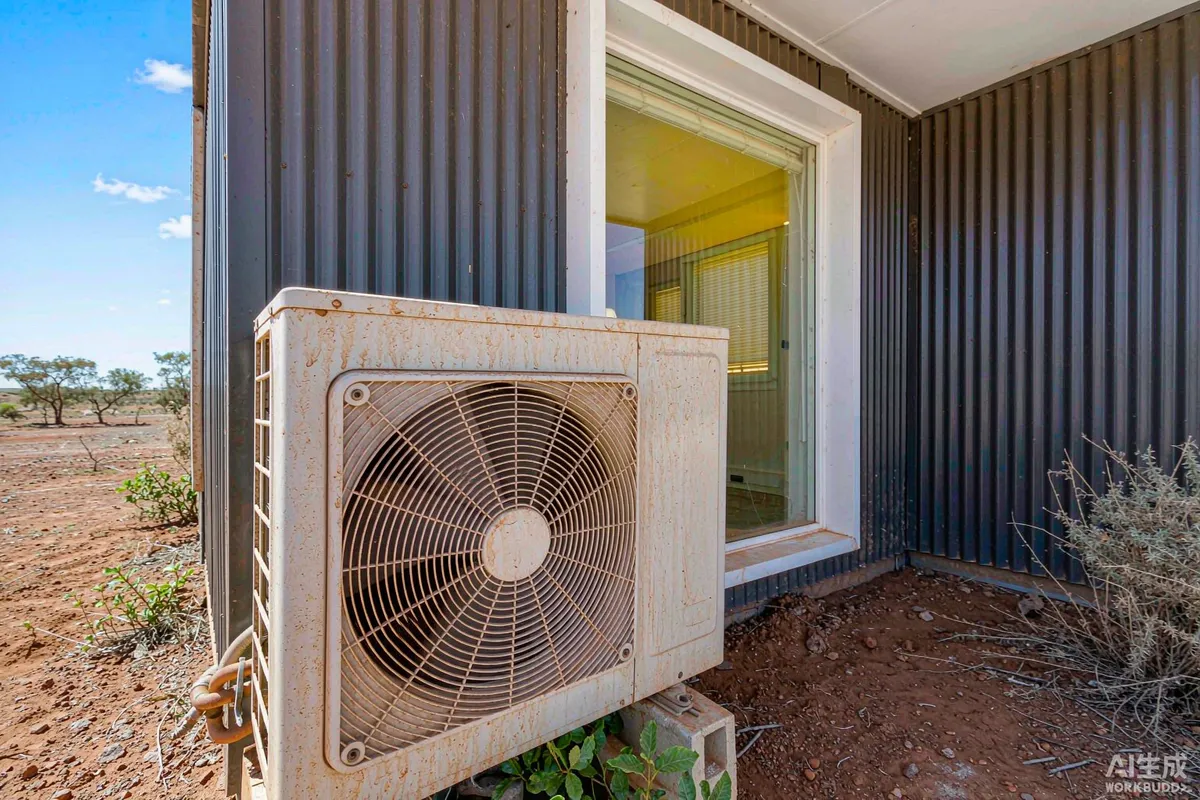
- Condenser sitting in its own reject air. A condenser in an enclosed alcove or in direct sun without shading loses capacity and works harder.
Ask for the load calculation, not just the equipment list. A one-page calculation showing the envelope, glazing, ventilation, occupancy and internal gains, with the resulting capacity, is the document that tells you whether the plant will hold setpoint in August — and it is the same document the electricity company will effectively test when the service is sized.
Electrical: 60 Hz, Voltage and Service Size
This is the part of the specification most often lost in translation, because it is invisible until energisation. A nominal 220 V at 60 Hz supply is the common basis for building services in Saudi Arabia, with three-phase 380 V available for larger loads, and equipment must be rated for it.
- Motors and compressors must be 60 Hz rated. A motor designed for 50 Hz will run at the wrong speed on 60 Hz, and an induction motor run above its design frequency draws different current and runs hotter. Appliances shipped from a 50 Hz market are the usual source of this problem.
- Confirm the site supply before ordering. Including three-phase availability, because a unit needing three-phase on a single-phase site is a project-level change, not a unit-level one.
- Size the service for the simultaneous peak, with margin. Air conditioning starting current is the governing case. A service sized on running current trips when two compressors start together.
- Protection and earthing. Circuit breakers, residual current protection, surge protection and the earthing arrangement should all be on the single-line diagram, with the ratings stated.
- Generator backup, if specified. A generator has to be sized for the same simultaneous peak including motor starting, and it has to be 60 Hz output. The related planning is covered in electrical load planning.
Require a single-line diagram and a load list from the supplier as part of the order documentation. These two documents are also what the electricity company and, where applicable, the Civil Defense reviewer will want to see.
Dust, Sand and Sealing
Fine dust is a maintenance cost in the Gulf rather than a comfort problem in the first week. Its effect is cumulative: filters load, coils foul, seals wear, and the cooling performance declines between cleanings. Specify for cleaning as well as for sealing.
- Filtration and access. Filter media appropriate to fine dust, with the filter accessible without dismantling trim. Ask how long a filter change takes and what tools it needs.
- Ingress protection. External luminaires, sockets and junction boxes should carry a stated IP rating appropriate to exposed locations, and every cable entry should be gland-sealed.
- Seals at moving parts. Doors, windows, hatches and any folding or sliding joint need seals that are replaceable, and the replacement interval should be in the maintenance manual.
- Cleaning access to the coils. If the condenser coil cannot be reached, it will not be cleaned. A slightly less concealed location is the better specification.
- Pressure balance. In very dusty conditions a slightly positive internal pressure reduces infiltration of dust-laden air, but it must be designed rather than improvised with an unbalanced fan.
Water, Plumbing and the Parts Guests Notice
Gulf conditions affect the plumbing in ways that show up in reviews rather than in specifications.
- Hot water. Where the supply is cold, the hot water system does more work; where an electric heater is used, it is a significant electrical load that belongs in the load list.
- Storage and expansion. Tanks, where used, need to be sized and located with the thermal environment in mind, including any external pipework exposed to sun.
- Condensate disposal. As above, but note that in a coastal or irrigated setting the discharge point has to be chosen so it does not create a wet area under the unit.
- External taps and showers. Where they are provided, they should be specified for the duty and for the local water quality.
- Materials. Confirm the pipe and fitting materials with the supplier and their suitability for the water being supplied and the temperatures involved.
The Spec Lines to Put in Your RFQ
| Line | Ask the supplier to state | Why it governs the outcome |
|---|---|---|
| Design ambient | The outdoor dry-bulb the cooling capacity was calculated at | Determines whether setpoint is held at peak |
| Envelope U-values | Wall, roof, floor and glazing U-values with build-ups | Determines the cooling load and therefore the plant size |
| Glazing SHGC | Solar heat gain coefficient and coating specification | Determines solar gain through panoramic glass |
| Electrical rating | 220 V / 60 Hz, and three-phase availability if required | Determines whether the appliances will run correctly |
| Load list and single-line | Every load with its rating and the protection device | Determines service size, generator size and approval documents |
| Ingress protection | IP rating for external electrical items | Determines maintenance frequency in dusty sites |
| Maintenance access | Filter and coil access, and the intervals for seal replacement | Determines the operating cost over the life of the unit |
| Spare parts | Seals, filters, glazing units and electrical spares supplied with the order | Determines downtime for the first two years |
Eight lines, and each one is a question a supplier can answer in a day or evade for a month. Put them in the RFQ as mandatory responses with a value field, and the answers become comparable across suppliers — the template for doing this is in the capsule house RFQ template. Current configurations are on the product pages. If you are specifying for a Gulf site, send the site location, the summer design temperature and the intended occupancy, and we will complete the specification lines with you. Requirements may vary by application, market and applicable standard.
More from the Blog

Capsule Home Cost Guide: What You Really Pay in 2026
EXW, shipping, install and the hidden line items — a transparent breakdown of total landed cost.
Read article →
How to Install a Capsule Home in 3 Days: A Step-by-Step Guide
From site prep to first guest — the exact sequence our install crews follow on every deployment.
Read article →
Real Owners, Real Numbers: Success Stories
How a lakeside resort, a Spanish glamping site and a Singapore dealer hit their targets.
Read stories →Talk to the Factory
Ready to Ride the 2026 Wave?
Get the latest catalog, pricing tiers and a layout sketch for your land — straight from the engineering team.