Estimating Energy Cost per Night for a Capsule Home Rental
How to estimate the energy cost of running a capsule home per occupied night - what drives it, how to measure it, and how to use the figure in pricing and specification decisions.
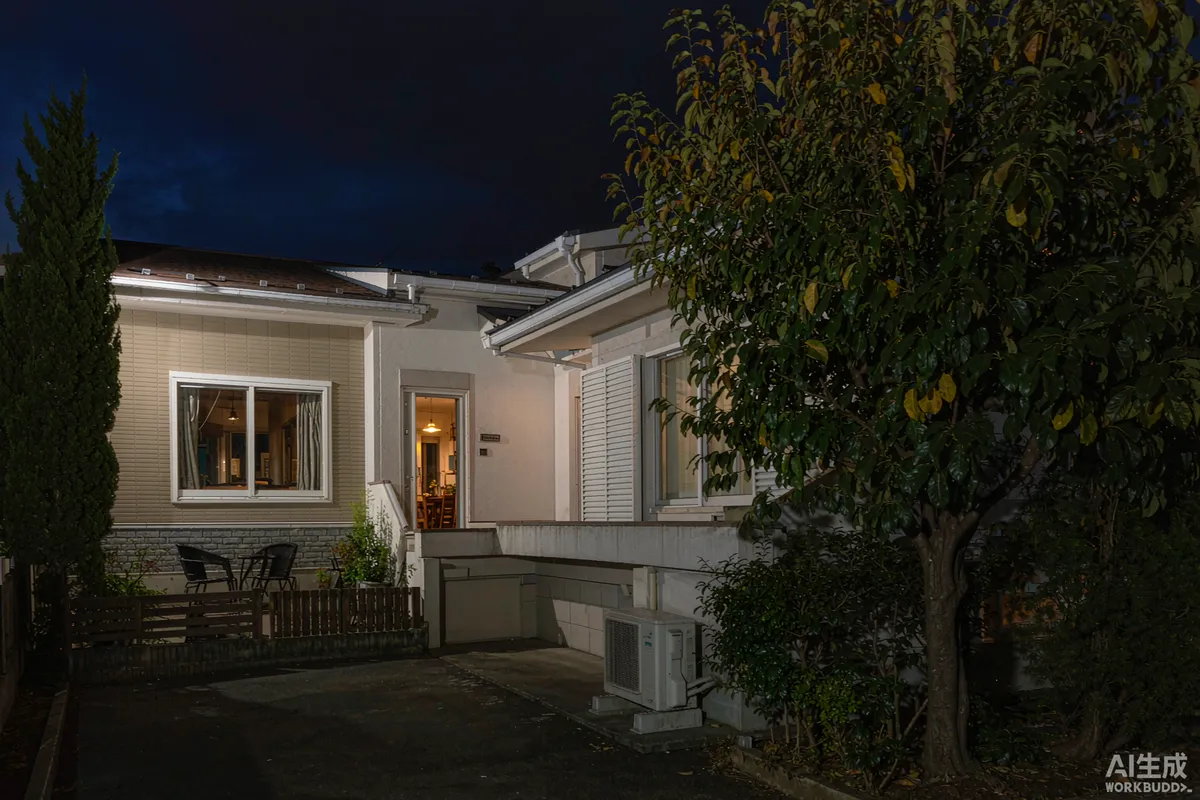
Energy cost per occupied night is one of the few operating numbers a capsule home operator can actually control, and one of the few that quietly destroys margin when it is ignored. The figure varies widely between climates, tariffs and specifications, so any single number quoted without context should be treated as meaningless. What is worth building is a method: identify the loads, measure a representative sample, and express the result per occupied night rather than per month. Once you have that, you can test specification changes and pricing decisions against something real instead of intuition.
Why per-Night Is the Right Unit
Monthly utility totals are almost useless for decision-making because they blend occupied and empty nights, seasonal extremes, and any units that are running abnormally. Per occupied night normalises for occupancy and makes comparison possible.
- It exposes idle consumption. A unit that costs little when occupied but a lot overall is consuming while empty - usually heating, ventilation or a fault.
- It makes specification comparable. Two units on the same site with different envelopes or heating systems can be compared directly.
- It feeds pricing. A per-night energy figure is small against the nightly rate but material against the annual margin at scale.
- It detects faults. A unit drifting upward against its own history is a maintenance signal, often weeks before a guest notices anything.
The Loads That Actually Matter
In a compact, well-insulated unit, the ranking of loads is usually different from a conventional house. Most consumption comes from a small number of sources.
| Load | What drives it | How sensitive it is to guest behaviour |
|---|---|---|
| Space heating and cooling | Climate, envelope performance, setpoint, occupancy pattern | High - a few degrees of setpoint moves it significantly |
| Water heating | Number of guests, shower duration and flow rate, standing losses | High - showers dominate |
| Ventilation | Run hours, filter condition, control strategy | Medium - often left running continuously |
| Cooking and appliances | Length of stay, whether guests self-cater | Medium - varies with guest type |
| Lighting | Fitting type, hours of use, whether lights are left on | Low with efficient fittings |
| Standby and controls | Number of connected devices, network equipment | Low, but constant |
| Idle-period load | Background heating, frost protection, monitoring | Not guest-dependent at all |
The last row is the one most operators never separate out. In a park with low occupancy, idle load can exceed occupied load, and it is frequently the cheapest to reduce.
How to Measure Instead of Estimate
Measurement does not have to be sophisticated. A representative sample over a few weeks will beat any calculation built on assumptions.
- 1. Pick a sample. Choose two or three units representing your main configuration, ideally including one that stays occupied and one that does not.
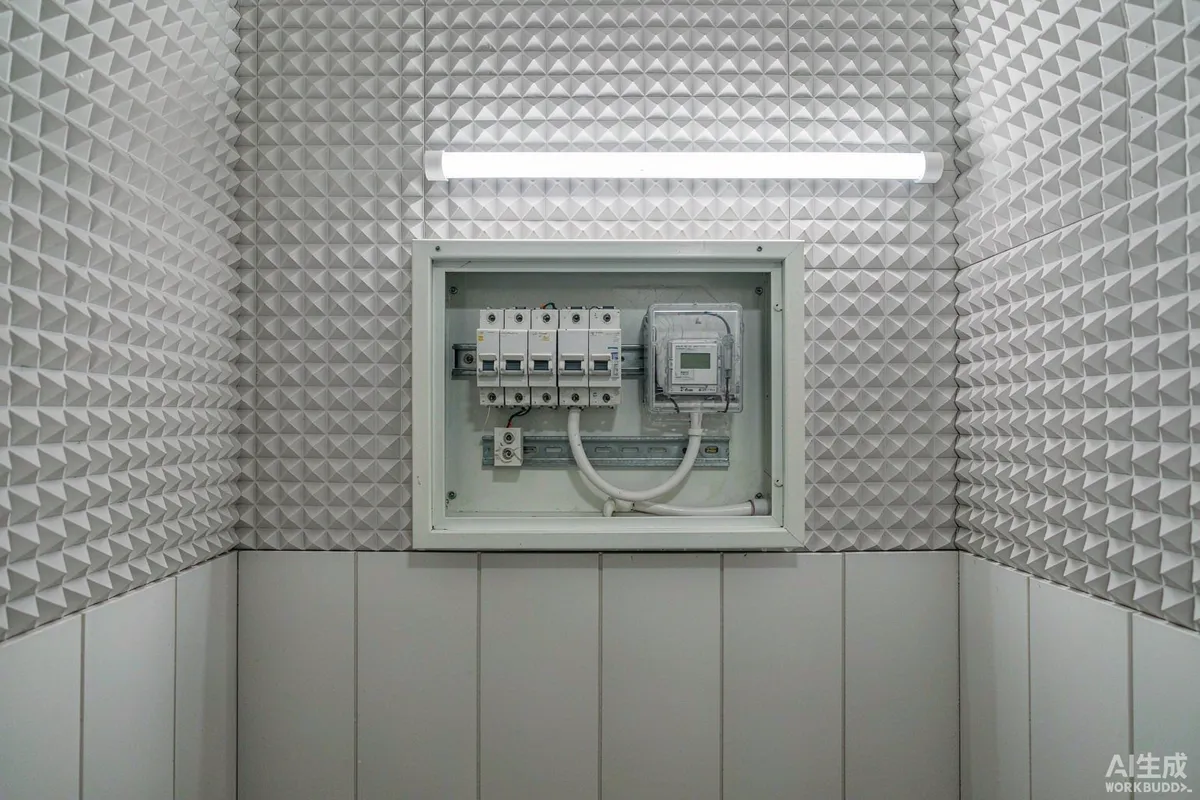
- 2. Install or read a meter. A sub-meter at the unit, or a reading of the existing meter at defined intervals, both work. Record the reading and the date together.
- 3. Record occupied nights. Without an accurate occupancy count, the per-night figure will be wrong even if the consumption reading is right.
- 4. Run it across a season boundary if possible. A summer figure and a winter figure are different products; knowing both is more useful than an average.
- 5. Convert to cost. Apply your actual tariff, including any standing charges and any time-of-use structure that applies to you.
- 6. Separate idle from occupied. Take a reading across a known empty period; subtract that baseline before dividing by occupied nights.
Step six is where the number becomes useful. A high idle baseline is a different problem from a high occupied load and has a different set of solutions.
What to Do With the Number
Once you have a per-night energy figure, it has three practical uses.
- Pricing. Check that the figure is comfortably absorbed at your rate across the year, including in shoulder seasons when the rate is lower but heating or cooling demand is not.
- Specification on the next order. Compare units with different envelopes, glazing or heating systems on the same site and let the measurement decide the specification rather than the brochure.
- Maintenance targeting. Rank units by energy use. The outliers at the top are usually a fault, a control set incorrectly, or a filter that has never been cleaned.

Reducing It Without Hurting the Guest Experience
The easiest savings are the ones a guest never notices. Start there before touching anything that affects comfort.
- Set a sensible unoccupied setpoint. A unit between bookings does not need to be held at occupied temperature, but it does need frost protection and humidity control.
- Check ventilation run hours. Continuous operation is often a default, not a requirement; confirm what the design intends.
- Service filters and heat exchangers. Restricted airflow makes equipment run longer for the same result.
- Fit efficient lighting throughout and avoid fittings that guests leave on because they cannot find the switch.
- Review water heating settings and standing losses. A tank held hotter than necessary loses more and delivers no benefit at the tap.
- Where a tariff has time-of-use pricing, check whether any load can reasonably be shifted - but only where it does not affect the guest.
Be cautious with measures that transfer cost to the guest in the form of comfort. A unit that feels cold on arrival generates a review that costs far more than the energy saved.
Empty Nights, Shoulder Seasons and Closures
Per-night cost rises as occupancy falls, because fixed and idle costs are spread over fewer nights. That is normal, but the size of the effect is worth knowing before setting a low-season rate.
- Calculate the occupied-night cost and the empty-night cost separately, then model occupancy scenarios.
- Check whether a very low shoulder-season rate actually covers the incremental cost of the booking.
- For a seasonal closure, confirm what must stay energised - frost protection, monitoring, humidity control - and what can be isolated.
- Record the closure baseline so that an abnormal reading at reopening is recognisable.
Using the Figure When You Buy
Energy is one of the few specifications where a supplier claim can be checked, and buyers rarely take advantage of it. Build the requirement into the enquiry rather than raising it after the order.
- Ask for the comparable specification, not the claim. Insulation type and thickness, glazing specification, heating system type and control strategy - then compare those between quotes.
- Ask what assumptions a performance figure was calculated under. A figure based on a mild climate or a low setpoint will not survive contact with your site.
- Ask whether the supplier can share measured data from comparable installations in a comparable climate, and treat its absence as information.
- State your own climate and tariff band so any estimate you are given is at least anchored to your situation.
- Where two quotes are close on price, let the envelope and heating specification decide - the running cost difference persists for the life of the asset.
On a fleet order this is worth doing properly, because the same decision is multiplied across every unit and every year of operation. A specification improvement that adds a small amount to purchase price can return that difference several times over a long service life, and the only way to know is to have measured the baseline first.
Keep It Simple and Repeat It
The goal is not an energy model. It is one number per unit type per season, updated annually, that you trust enough to make decisions with. A spreadsheet with four columns - period, consumption, occupied nights, cost - will do. Review it once a year, after any specification change, and whenever a unit's ranking shifts unexpectedly. Where on-site generation or storage is part of the plan, treat the same method as the baseline before adding generation on top; without the baseline, savings cannot be demonstrated. Requirements may vary by application, market and applicable standard.
More from the Blog

Capsule Home Cost Guide: What You Really Pay in 2026
EXW, shipping, install and the hidden line items — a transparent breakdown of total landed cost.
Read article →
How to Install a Capsule Home in 3 Days: A Step-by-Step Guide
From site prep to first guest — the exact sequence our install crews follow on every deployment.
Read article →
Real Owners, Real Numbers: Success Stories
How a lakeside resort, a Spanish glamping site and a Singapore dealer hit their targets.
Read stories →Talk to the Factory
Ready to Ride the 2026 Wave?
Get the latest catalog, pricing tiers and a layout sketch for your land — straight from the engineering team.