Desert Camp Accommodation UAE: Capsule or Tent
Desert camp accommodation in the UAE: what a canvas tent and a capsule house each deliver on cooling, dust sealing, service life and approvals.
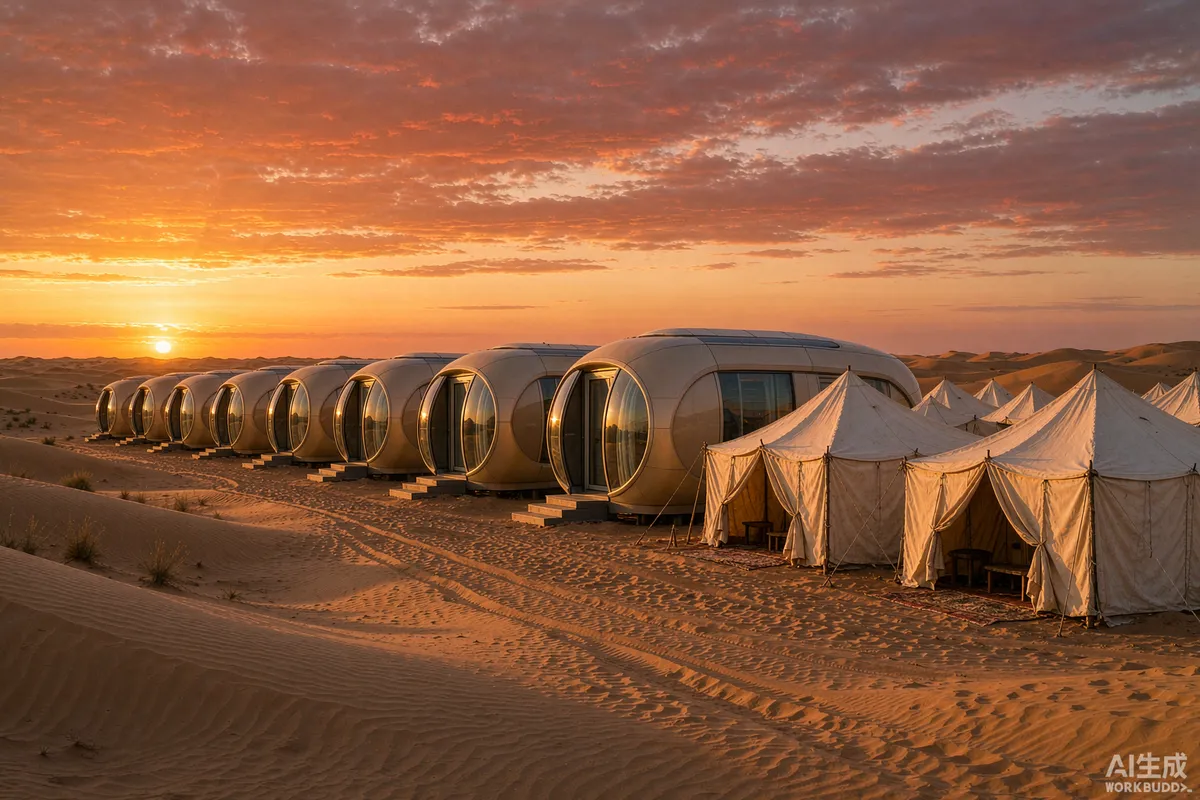
For a UAE desert camp, the accommodation choice is an operating decision rather than an aesthetic one. A luxury tent gives you atmosphere, low capital entry and a season defined by the weather. A sealed factory-built unit gives you a controlled interior, genuine all-year capability and a very different cost structure. This page compares the two on the four things that decide the outcome in Gulf conditions: cooling load, dust sealing, service life under sun and sand, and the approvals route. The market picture is in the UAE capsule house guide. Requirements may vary by application, market and applicable standard.
Start From the Occupancy Model, Not the Product
The two formats suit different businesses. Operators who get this wrong usually choose atmosphere where they needed control.
- Seasonal, experience-led camps, where guests pay for a night under the stars with regional hospitality, and where the operator closes or scales back in the hottest months. Canvas suits this: the tent itself is part of the product.
- Year-round operations, including corporate retreats, remote workforce accommodation, branded glamping resorts selling through international booking platforms, and anything with a fixed-rate calendar. A sealed unit is the more predictable choice.
- Mixed sites, which are common in the region: tents for the shoulder season and for the experience, units for the rooms that have to hold their rate through August. The comparison then becomes a unit-mix question rather than a binary one.
Operators sourcing accommodation units are buying capital equipment, so the relevant comparison is total cost across the operating life rather than purchase price per key. That framing is set out in total cost of ownership over ten years, and the commercial picture for this market is in the UAE price guide.
Cooling: The Difference That Shows Up on the Thermostat
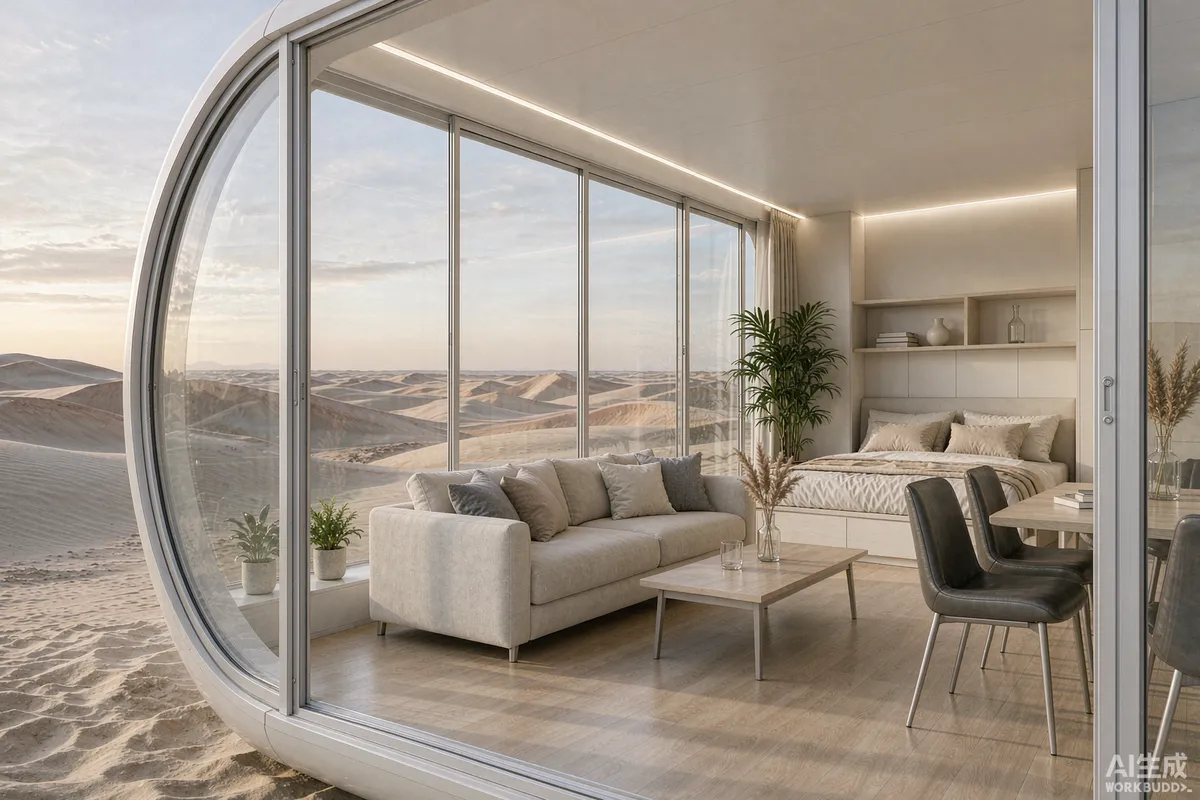
Envelope performance is the entire argument. A canvas structure has effectively no insulation and a large, leaky surface. A factory-built unit has a specified wall and roof build-up, glazing with stated solar performance, and a sealed envelope. That difference flows directly into plant sizing, generator sizing, running cost, and whether the room holds setpoint at 15:00 in August.
- Ask for values, not adjectives. For a unit: wall, roof and floor U-values with layer build-ups, and the solar heat gain coefficient for glazing. For a tent: expect no comparable figure, because there is no comparable envelope.
- Solar gain through glass. Panoramic glazing is the product's selling feature and its largest heat entry. High-performance coatings and the appropriate glazing build-up change the number materially, and external shading changes it again. The design-side discussion is in shading and summer heat.
- Specify for the site's summer peak. Give the supplier the summer design temperature your units must hold, and require capacity at that ambient rather than at catalogue conditions. The detailed checklist in hot climate specification transfers directly to UAE sites.
Dust and Sand Sealing
Fine desert dust is not a comfort problem in week one; it is a housekeeping and maintenance cost that accumulates. Every unsealed gap becomes a dust line on a surface a guest touches, and every loaded filter becomes lost cooling capacity. Below is the practical difference.
| Aspect | Canvas tent | Sealed capsule unit |
|---|---|---|
| Envelope sealing | Fabric and zipped openings; fine dust enters continuously | Gasketed doors and windows, sealed penetrations, stated ingress detail |
| Housekeeping load | Dust returns between turnarounds; notable during shamal periods | Interior stays clean; effort shifts to filters and coils |
| Plant protection | Condensers often exposed or absent | Filtration and accessible coils; ask for the filter specification and access route |
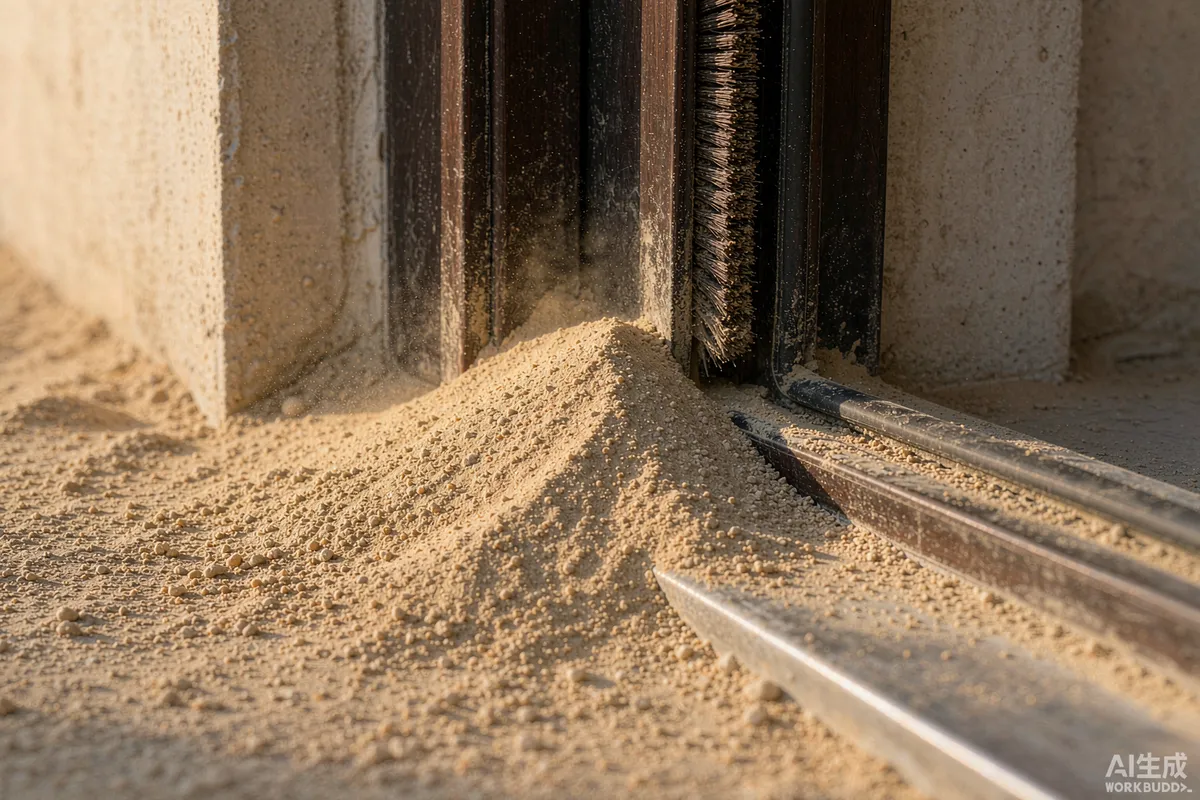
| Threshold detail | Sand drifts at the entrance and needs ongoing management | Brush seals, thresholds and positive-pressure design if specified |
| Electrical protection | Temporary wiring common; requires review | Stated IP rating for external items and gland-sealed entries |
The worthiest line in an RFQ here is a dull one: ask how long a filter change takes, and whether the condenser coil can be reached without dismantling trim. If the answer is awkward, the dust will not be managed. Detailed sealing practice is set out in dust and sand ingress in arid climates.
Service Life, Anchorage and the UV Question
Desert conditions attack materials on two fronts at once: ultraviolet radiation degrades fabrics and coatings, and wind-driven sand abrades anything in its path. For tents the practical consequence is a re-covering cycle and a shorter replacement horizon. For units it is a coating specification question and an anchorage question.
- Anchorage in sand. Both formats need to resist uplift, and loose sand is a poor bearing medium. Require a site-specific approach — screw piles, ballasted pads or pier foundations as appropriate to the geotechnical result — rather than assuming the ground will hold.
- UV stability. Ask what the external coating system is specified for, and whether the supplier will state the finish standard used.
- Abrasion points. Sand-blasted edges, the windward face and any low-level trim wear first. Specify the replacements at order stage.
- Relocation. A tent camp can be re-sited with comparatively little ceremony. Units are heavier to move but they can be moved; see relocating and reinstalling a unit.
Approvals and Services: Where a Unit Stops Being Furniture
This is the part operators underestimate. A seasonal tent camp and a factory-built unit connected to services sit in different places from a regulatory point of view, and the difference is not always where buyers expect. Requirements may vary by application, market and applicable standard.
- Duration and connection matter. A structure that is placed, connected to power and water and used for overnight accommodation generally attracts a different level of review than a seasonal structure that is dismantled. Confirm treatment with the relevant authority before you commit to a unit count.
- Fire and life safety. Means of egress, detection, extinguishing equipment and the reaction-to-fire performance of interior finishes are assessed for accommodation, regardless of construction method. The same topic is developed for the neighbouring market in Saudi regulatory requirements.
- Electrical supply. Confirm voltage and frequency at your specific site, and remember that the cooling plant is the governing load. Load planning is covered in electrical load planning.
- Access and servicing. A camp that receives guests by coach in daylight has different road requirements from one serving individual arrivals year-round.
Practical sequence: get the authority's view on how your layout will be classified, then design services to that answer. Doing it the other way round means buying twice. Themes specific to this market are brought together in UAE regulations and permits.
What Each Option Costs You, Structurally
No price figures here, because they depend on configuration, quantity and route. What can be compared honestly is where the money goes in each model.
- Capital per key. Tents sit lower on entry cost. Units cost more per key but are delivered finished, with services, insulation and glazing inside the same line item.
- Operating cost. The sealed unit's cooling cost is predictable and can be estimated from the load calculation. A tent's cooling approach typically consumes more energy per unit of cooling delivered, and its housekeeping cost is higher per turnaround.
- Replacement horizon. Fabric is a consumable with a shorter cycle. A unit's shell is a long-life item whose renewal cost is coating and seal work rather than replacement.
- Utilisation. The decisive variable. A key that can only be sold eight months a year has to earn more per night to match a key sold twelve.
- Residual value. Units can be relocated and resold; see resale and secondhand value.
Choosing: Six Questions That Settle It
- Do you need to sell this key in July and August at a rate guests will pay?
- Is the site's power and water permanent, or seasonal and delivered?
- What does the authority say the structure will be classified as, once connected?
- How many months of the year can you realistically staff the housekeeping?
- Is dust tolerance part of the guest promise, or a failure condition?
- Over ten years, does one 24-month replacement cycle cost more than the capital difference?
If your answers point to control rather than atmosphere, the unit is the correct procurement and the tent becomes a smaller part of the mix. Configurations and current options are on the product pages, and the transport and installation questions that follow a decision are set out in shipping to Jebel Ali. If you are planning a UAE camp, send the site, the intended unit count and the occupancy calendar and we will cost the comparison against your numbers. Requirements may vary by application, market and applicable standard.
More from the Blog

Capsule Home Cost Guide: What You Really Pay in 2026
EXW, shipping, install and the hidden line items — a transparent breakdown of total landed cost.
Read article →
How to Install a Capsule Home in 3 Days: A Step-by-Step Guide
From site prep to first guest — the exact sequence our install crews follow on every deployment.
Read article →
Real Owners, Real Numbers: Success Stories
How a lakeside resort, a Spanish glamping site and a Singapore dealer hit their targets.
Read stories →Talk to the Factory
Ready to Ride the 2026 Wave?
Get the latest catalog, pricing tiers and a layout sketch for your land — straight from the engineering team.