Capsule House UAE: Desert Resort Specifications
Capsule house projects in the UAE: cooling load under extreme heat, sand and dust sealing, coastal salt exposure, and the approvals sequence.
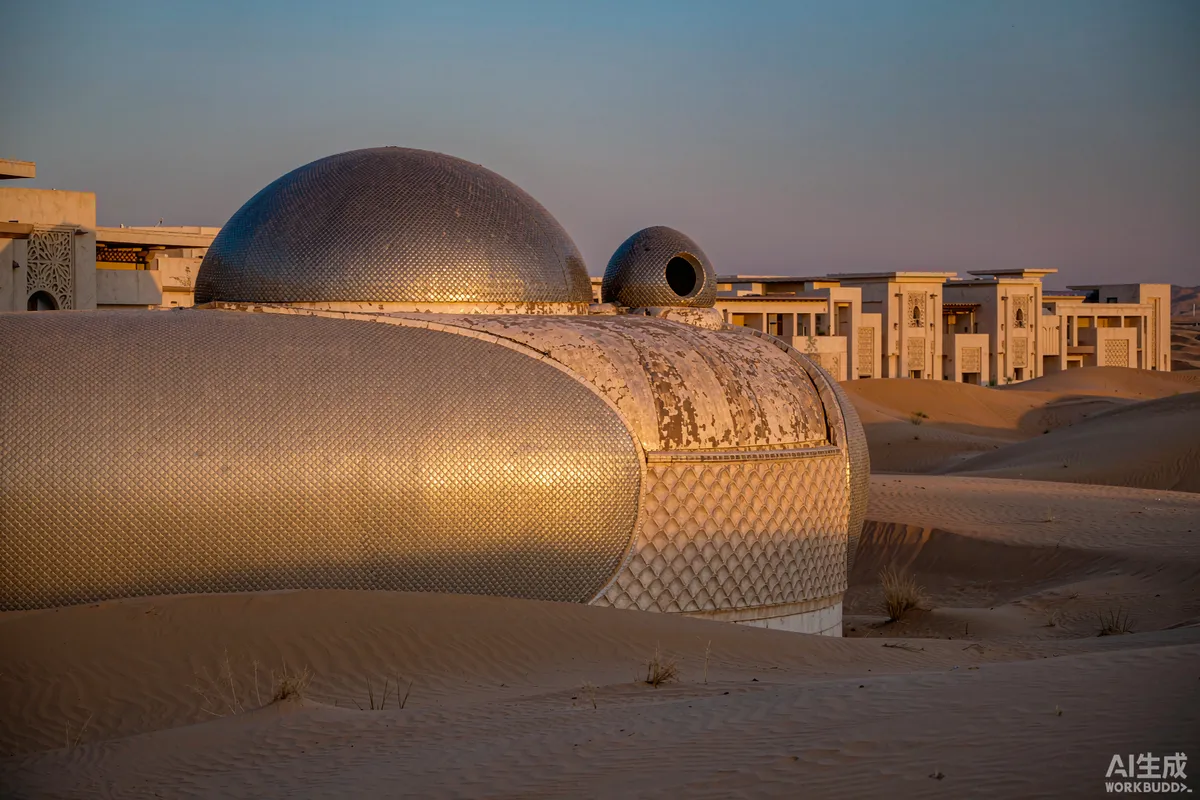
The UAE is one of the most attractive markets for capsule resort development and one of the least forgiving technically. Summer ambient temperatures are extreme, cooling runs continuously for months, fine dust is present year-round, and coastal projects add salt exposure on top. A specification written for a temperate market will produce a unit that is expensive to run and unpleasant to occupy. This page covers the four decisions that determine the outcome.
Decision 1: Cooling Load Under Extreme Heat
Cooling is not an accessory in this market; it is the dominant engineering requirement and the dominant operating cost.
- Size cooling for the site, not from a standard list. Capacity should follow the glazing specification, the orientation, the occupancy pattern and the design ambient conditions - not a nominal unit size.
- Glazing drives the load. Large panoramic panels are the appeal of the format and the largest single contributor to solar gain. Solar-control coatings, external shading and orientation are the three levers, and they work best in combination.
- Plan for continuous duty. Equipment running for months at high load needs a different specification, and a different service interval, from equipment running intermittently.
- Consider the arrival case specifically. A unit that has been closed and unconditioned in peak summer takes a long time to recover; pre-arrival cooling strategy is an operational decision with an energy cost.
- Check condensing unit placement. Ambient conditions at the condenser location, and whether it is shaded, materially affect performance.
Ask the supplier what cooling capacity is provided, on what assumptions, and what the estimated consumption is under peak conditions. If the answer does not reference your ambient conditions, it is not an answer.
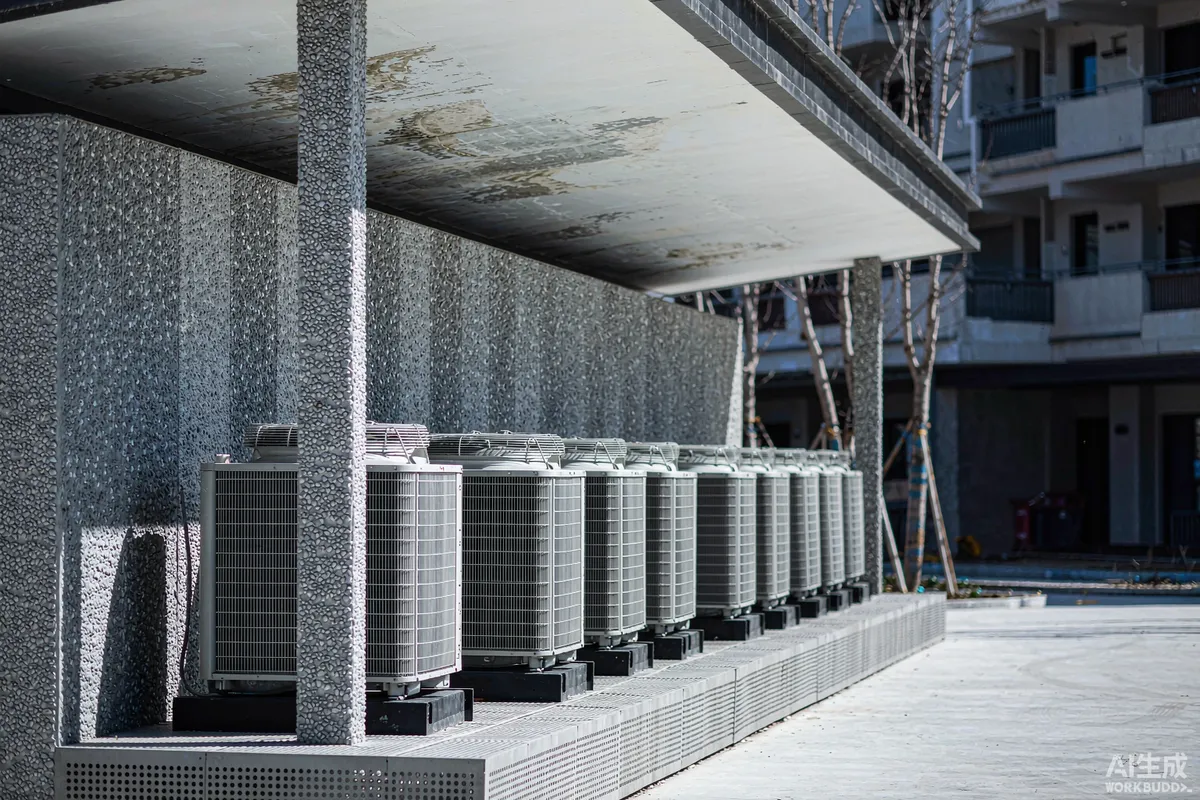
Decision 2: Sand and Dust Sealing
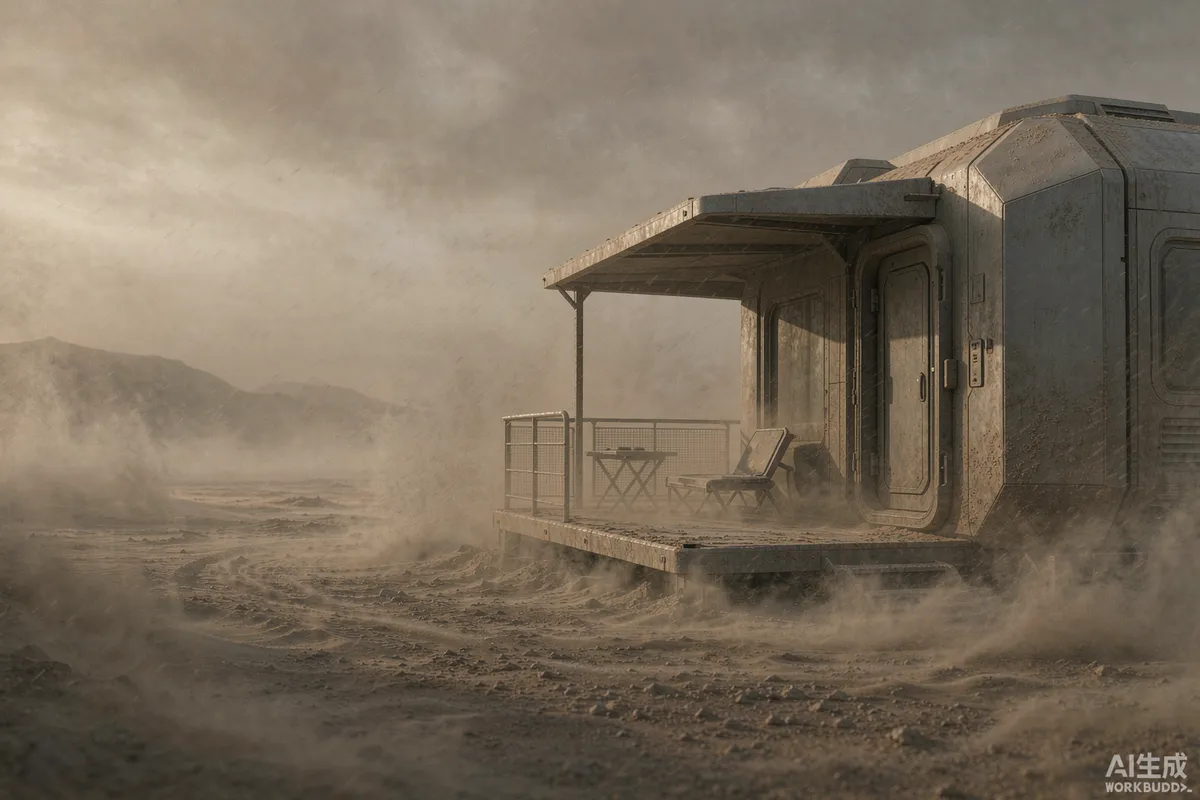
Fine dust is the defining environmental factor, and it affects sealing, filtration and maintenance rather than structure.
- Envelope sealing is the first line. Joint design, sealant specification and penetrations matter more here than in most markets.
- Door and window sealing needs explicit attention. Sliding panels and large openings are the usual entry path for dust.
- Filtration becomes a maintenance item, not a filter. Ask for the filter specification and the replacement interval under local conditions.
- Ask how the unit performs in a dust event rather than in average conditions - the difference is what guests notice.
- Plan the cleaning regime. External surfaces, glazing and intakes all need a defined routine, and labour for it belongs in the operating model.
Decision 3: Coastal and Salt Exposure
Many UAE projects sit on or near the coast, which combines heat, humidity and salt in a single exposure.
- Specify fasteners and fixings explicitly. Corrosion starts at edges and fixings rather than on flat panels.
- Ask how cut edges and penetrations are treated after fabrication.
- Protect external mechanical and electrical equipment appropriate to a marine atmosphere.
- Set a rinse-down and inspection interval and resource it in the operating plan.
- Expect shorter sealant life than a temperate inland site and budget for replacement rather than repair.
Decision 4: Approvals and Programme
Approval sequencing in the UAE is structured and, unusually, it rewards early engagement.
- Establish which authority has jurisdiction - the emirate matters, and so does whether the site is within a free zone, a master development or a municipality area.
- Engage a local consultant early. Drawing submissions are reviewed on detail, and a submission that anticipates comments progresses faster than one that answers them.
- Confirm how the units are classified. Whether they are treated as buildings, as temporary structures or as something else changes the entire path.
- Build the approval duration into the programme as a range. It is the least controllable stage and the one most likely to compress the rest.
- Do not order against a fixed opening date until the consent position is understood; storage cost is the usual consequence of doing otherwise.
Approval requirements, codes and authority practice differ between emirates and change over time. Confirm the current position with the relevant authority or a licensed local consultant. Requirements may vary by application, market and applicable standard.
Operational Notes
Three operating realities specific to this market are worth planning for from the start.
- Energy cost is a first-order line item. Continuous cooling at high ambient temperature makes consumption material to the financial model, and it should be measured rather than estimated after the fact.
- Peak summer demand may not be the peak revenue period. Many desert resort propositions are shoulder-season products, which changes how the year should be priced and staffed.
- Technical support needs to be local. A unit dependent on an overseas specialist for routine faults is not commercially viable.
Glazing and Solar Control
Large glazing is the reason many buyers choose this format, and in the Gulf it is also the largest source of unwanted heat gain. The two facts have to be reconciled deliberately.
- Specify solar control glazing, not standard double glazing. The objective is to limit transmitted solar energy while keeping visible light, and the two are separately controllable.
- Orient the glazing away from the afternoon sun where the outlook permits. Orientation is free and it outperforms most equipment upgrades.
- Provide external shading. A projection, screen or pergola stops energy before it reaches the glass; internal blinds only deal with it afterwards.
- Ask what the frame does, not just the glass. A thermally broken frame matters as much as the glazing unit in this climate.
- Check the night-time case. Inland sites cool sharply after sunset; coastal sites often do not, and the cooling load remains.
Water, Drainage and Power Interfaces
Services connections are where a well-specified unit most often meets an unprepared site.
- Confirm the electrical supply - voltage, frequency, phase and earthing arrangement - before the MEP specification is fixed. The Gulf uses more than one combination.
- Confirm the drainage destination. Mains connection, holding tank or treatment plant each imply different internal provision.
- Plan condensate disposal. Continuous air conditioning in a humid coastal climate produces a substantial volume of water, which needs a route to a drain.
- Provide isolation and protection at the point of connection, sized for the local supply and accessible for maintenance.
Requirements may vary by application, market and applicable standard. Confirm the current local utility and code position with the authority having jurisdiction before finalising services design.
Practical Differences Between Emirates
The UAE is not a single market from a project delivery point of view, and three practical differences recur.
- Approval routes differ between emirates and, in some cases, between free zones and mainland. Identify the authority early rather than assuming a national process.
- Coastal exposure differs markedly between a Gulf-facing site and an inland desert site, with consequences for coating specification.
- Access and plant availability differ between the main cities and remote desert locations, which affects both delivery cost and programme.
For a specification review, send the emirate, exposure and operating pattern.
Operating Calendar and Occupancy
The Gulf operating year has a pronounced seasonal shape, and the specification should follow it rather than treat all months alike.
- Peak cooling months set the design load. Sizing for the annual average leaves the unit under-performing exactly when occupancy is highest.
- Shoulder periods are the opportunity - pleasant outdoor conditions and lower rates - and external shading and outdoor space are what make them sellable.
- Low season maintenance should be planned into the calendar, since it is when units can be taken out of service with least revenue impact.
- Sandstorm events need a defined response: sealing checks, filter replacement and exterior washing, with the consumables already on site.
Current models and the configurable options relevant to hot and coastal climates are listed on the product pages. For a specification review against a particular site and emirate, send the location, exposure and intended operating pattern.
More from the Blog

Capsule Home Cost Guide: What You Really Pay in 2026
EXW, shipping, install and the hidden line items — a transparent breakdown of total landed cost.
Read article →
How to Install a Capsule Home in 3 Days: A Step-by-Step Guide
From site prep to first guest — the exact sequence our install crews follow on every deployment.
Read article →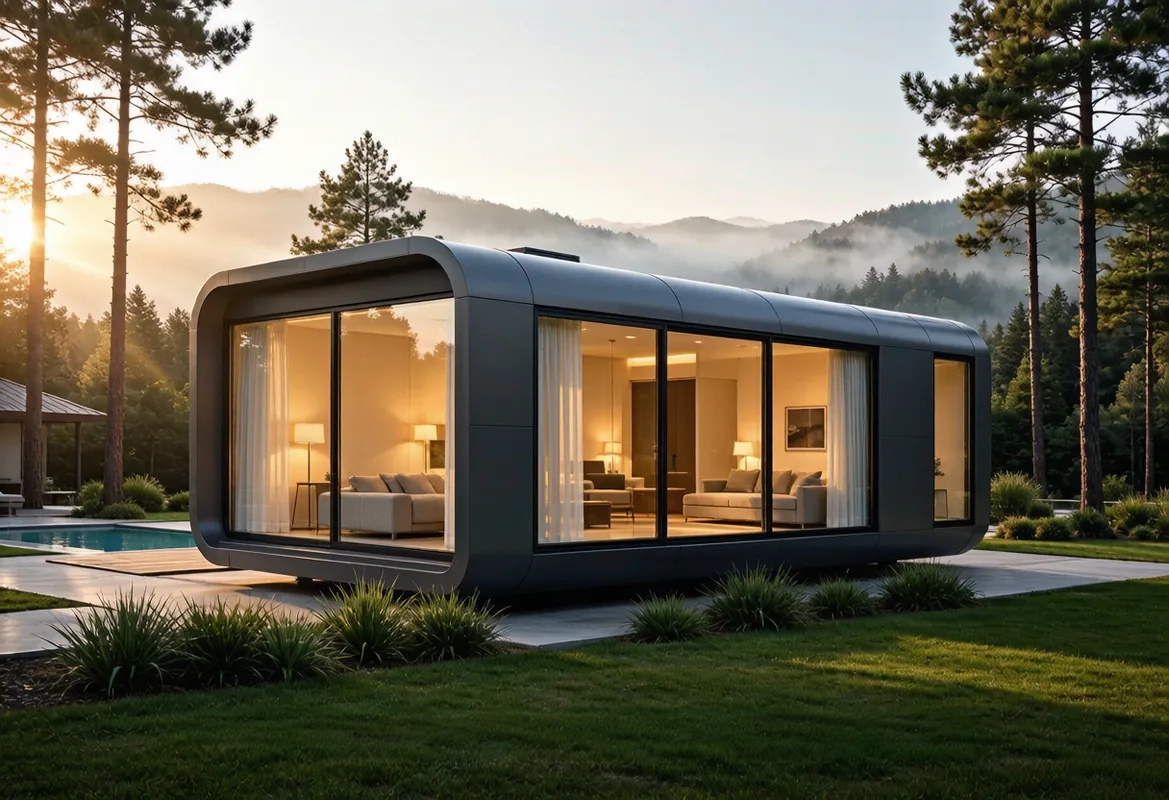
Real Owners, Real Numbers: Success Stories
How a lakeside resort, a Spanish glamping site and a Singapore dealer hit their targets.
Read stories →Talk to the Factory
Ready to Ride the 2026 Wave?
Get the latest catalog, pricing tiers and a layout sketch for your land — straight from the engineering team.