What a Used Capsule Home Is Worth: Resale and Residual Value
A capsule home can be resold and re-sited. What holds value, what destroys it, and how to prepare a unit for sale.

A capsule home holds value differently from a site-built extension, because it can be moved and sold as a structure rather than as part of a property. In practice four things decide the resale figure: the documentation you can produce, the condition of the envelope and the interior, whether the unit can actually be transported and re-sited, and whether the specification still matches what buyers want. None of those are fixed at purchase - most are decided by how the unit is kept.
The Short Answer
Expect the strongest resale interest for units with complete documentation, a clean and dry interior, intact glazing and seals, sound corrosion protection, and a specification that a current buyer would still order. Expect the sharpest discounts for cosmetic neglect, moisture damage, missing documentation, or a layout that has been altered badly. The single cheapest thing you can do for future value is keep the paperwork.
What Holds Value
- Documentation. Supplier papers, serial references, the original specification, maintenance records and, ideally, photographs from delivery.
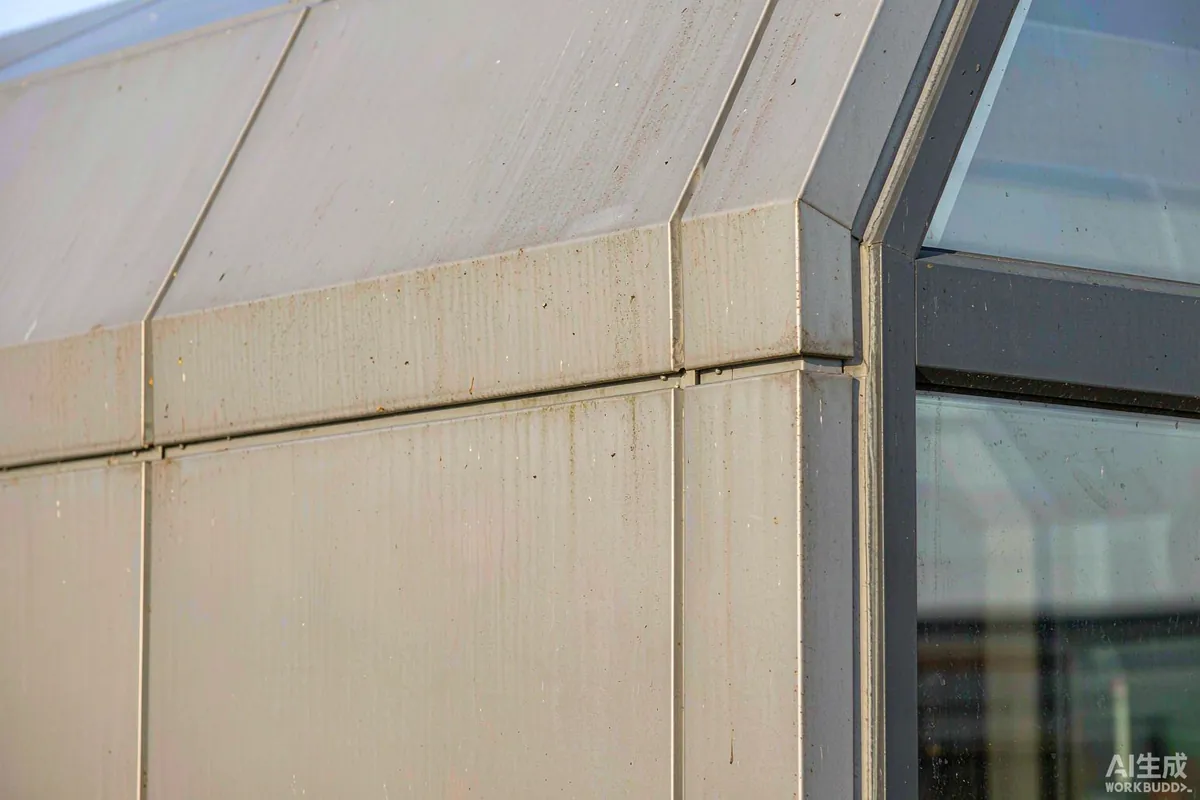
- Envelope condition. Intact cladding, sound seals, undamaged glazing, no staining that suggests moisture inside the build-up.
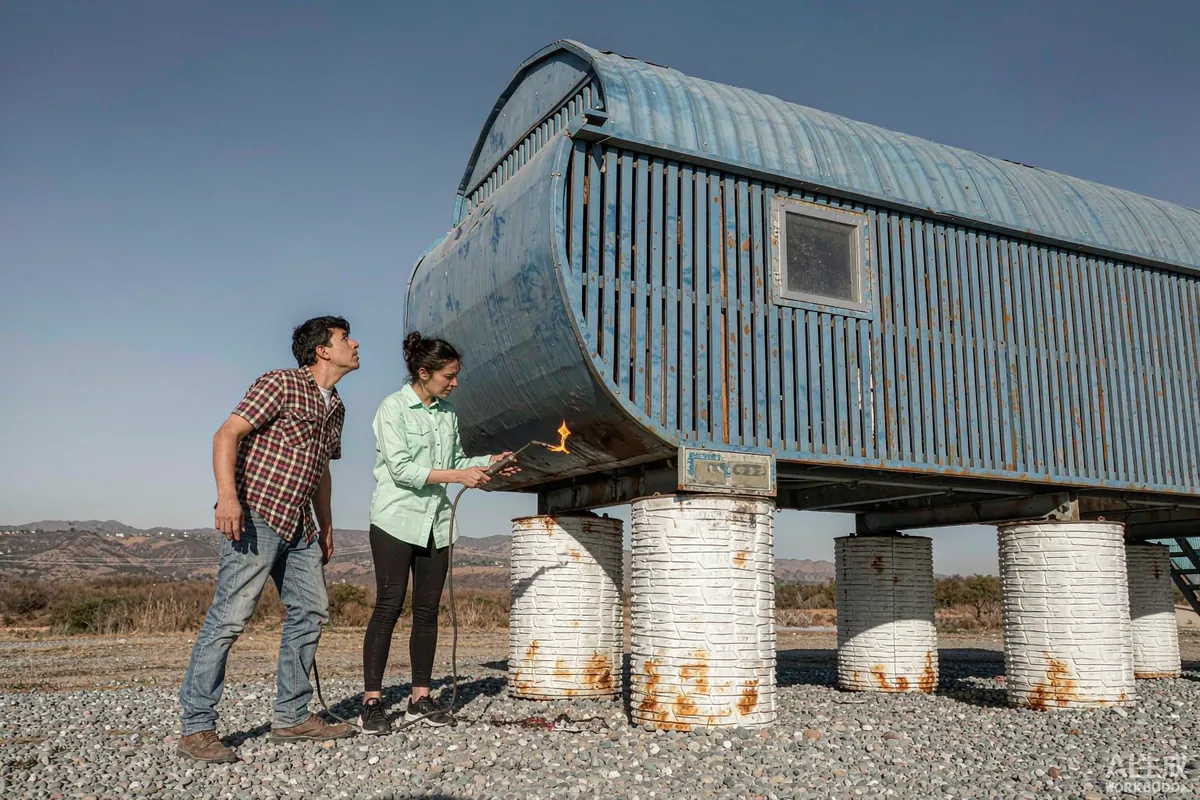
- Corrosion protection. Especially on coastal sites; a well-maintained frame is what makes an older unit credible.
- Transportability. Accessible lifting points, a foundation that can be demounted, and service connections that can be undone.
- Current-relevant specification. Glazing, insulation and services that a buyer today would still choose.
- Mechanical condition. Heating, cooling, water heating and electrical systems tested and working.
What Destroys It
- Moisture damage. The single largest discount factor. Staining, soft linings, or a persistent smell will cost more in buyer confidence than in repair money.
- Missing paperwork. A unit with no serial reference and no specification is difficult to insure, difficult to finance and easy to walk away from.
- Poor alterations. Holes cut through the envelope, non-standard wiring, or a deck bolted on in ways nobody can verify.
- Sun and salt damage. Faded finishes, chalky surfaces and corroded fixings read as neglect even when the structure is sound.
- Abandoned mechanical systems. A heat pump that has not been serviced is a deduction, not a neutral item.
Documentation Is the Leverage
Two otherwise identical units can differ substantially in what buyers will pay, purely on the strength of the file that comes with them. Build it from day one and add to it: the supplier documentation and serial references, the original specification and options list, the delivery and installation photographs, the maintenance log, and records of any modification. If the unit was ever repaired, record what was done and why.
This file does more than support the price. It is what lets a buyer arrange insurance and, in some markets, financing. Without it, the pool of people who can buy your unit shrinks to cash buyers willing to take a risk.
Preparing a Unit for Sale
- Deep clean, including the hidden places. Under furniture, inside service cupboards, the frame edges and the underside.
- Fix the small defects. A sticking door, a failed seal and a dripping fitting cost little and read as carelessness.
- Service the mechanical systems and keep the receipts - evidence beats assertion.
- Refresh the finishes that show wear first: flooring at the entrance, sealant lines, soft furnishings.
- Check the exterior properly. Wash the cladding, clear the gutters, check the fixings and the anchoring.
- Photograph it well - exterior at a good hour, interior in daylight, plus the service cupboard and the underside, which signal condition.
- Write down what is included and what is not. Appliances, furniture and the deck are common points of dispute.
Valuing It: A Practical Method
There is no published price list for used capsule homes, so build the figure rather than guess it. Start from what an equivalent new unit costs today, delivered. Then adjust downward for age, for the condition items above, and for transport - because a buyer will deduct the cost of moving it. Adjust upward for desirable options, for a good site with services already installed, and for anything that shortens the buyer's lead time.
Time-to-availability is an underrated factor. A unit that can be occupied in weeks, with permits and services already resolved on a good plot, is worth more than the same unit in a yard waiting to be shipped.
Selling Options
| Route | Advantages | Watch out for |
|---|---|---|
| Sell in place with the land or lease | Simplest; buyer sees it working | Value is tied to the site, not the structure |
| Sell the unit for relocation | Wider buyer pool; the unit is the asset | Buyer deducts transport and re-siting cost |
| Trade back or consign through a dealer | Fast, no marketing effort | Lower realised price |
| Convert to a different use | Can beat selling - office, studio, staff unit | Check that the new use is permitted |
Where to Find Buyers
- Existing operators expanding a site who want to avoid a production lead time.
- Landowners whose permit path is already clear and who need a unit quickly.
- Buyers priced out of a new unit who will accept a slightly older specification.
- Contractors and site operators who value immediate availability over finish.
- Buyers in a different region where shipping is short and cheap.
Photographs and a complete specification sheet do most of the selling. Include the dimensions, the weight, the model, the services and the access requirements - the questions a buyer needs answered before they will even ask the price.
Maintaining Value Between Now and Then
Resale value is mostly accumulated rather than created. Work the maintenance schedule, especially seals, coatings and mechanical servicing. Keep the unit dry and ventilated during vacant periods, because moisture damage is the largest single discount. Avoid irreversible alterations - if you want to change something, prefer a change you can undo. And keep every document in one place, because you will not be able to reconstruct it in five years.
Timing the Sale
When you sell is almost as consequential as how you sell. Demand for used units rises when new-unit lead times are long, because a buyer who needs something this season will pay for availability. It falls when new units are quick to get and priced competitively, because the discount required to choose a used one has to be larger. Watch lead times rather than trying to time a broader market.
Season matters too. In most markets a unit presents better and attracts more enquiries in good weather, and buyers want to complete before the season in which they intend to use it - which means listing ahead of that, not during it. Conversely, an off-season sale often reaches a more serious buyer: fewer enquiries, but the ones you get are planning rather than browsing.
Finally, decide how long you are prepared to wait. A priced-to-sell unit moves in weeks; a priced-for-the-best-offer unit can sit for a season, during which it needs maintenance, insurance and someone to keep an eye on it. Holding costs are real, and they quietly consume the difference between the two prices.
The Takeaway
A capsule home is one of the few small buildings that can genuinely be resold and moved, which is a real advantage over a site-built structure - provided it is kept in a condition worth moving. Documentation, dryness and an intact envelope are the three things that decide the outcome, and all three are cheap to maintain and expensive to recover.
More from the Blog

Capsule Home Cost Guide: What You Really Pay in 2026
EXW, shipping, install and the hidden line items — a transparent breakdown of total landed cost.
Read article →
How to Install a Capsule Home in 3 Days: A Step-by-Step Guide
From site prep to first guest — the exact sequence our install crews follow on every deployment.
Read article →
Real Owners, Real Numbers: Success Stories
How a lakeside resort, a Spanish glamping site and a Singapore dealer hit their targets.
Read stories →Talk to the Factory
Ready to Ride the 2026 Wave?
Get the latest catalog, pricing tiers and a layout sketch for your land — straight from the engineering team.