Glamping Pod Manufacturer: Vetting a China Factory
How to vet a glamping pod factory in China: production stages to inspect, envelope and glazing records, climate checks and the answers that warn you off.
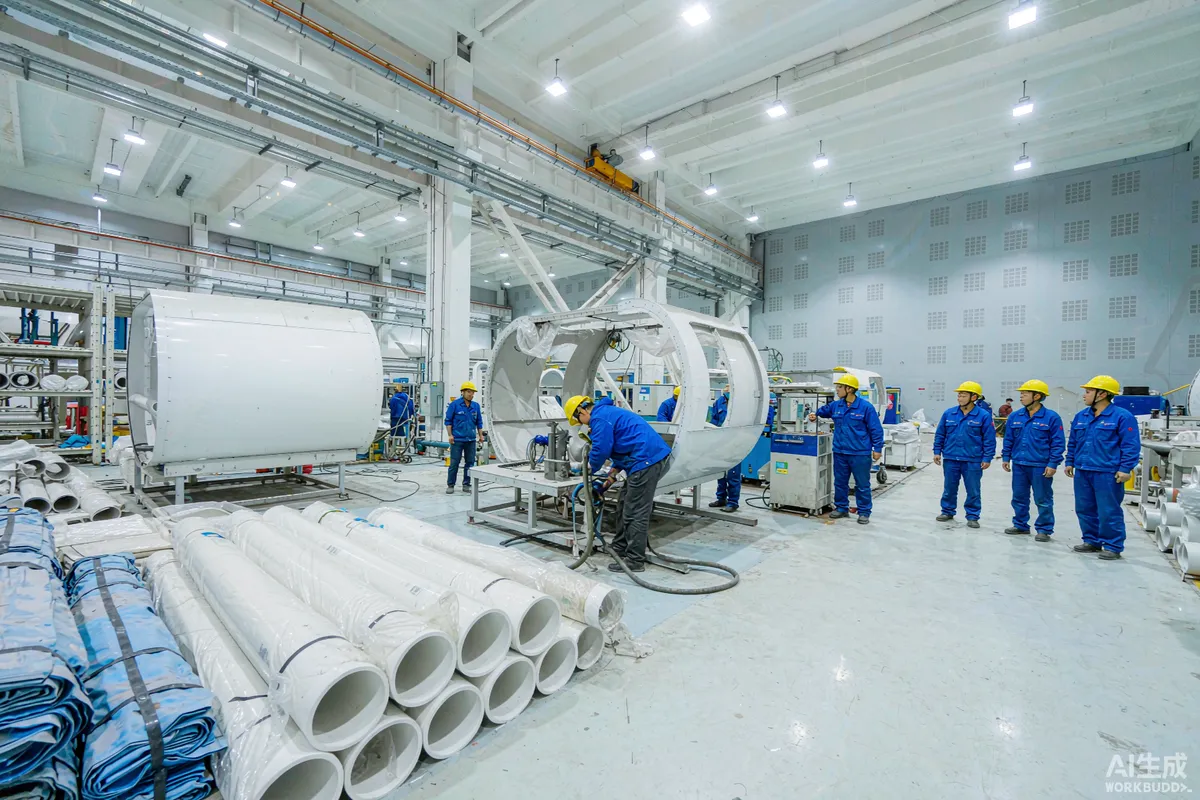
Choosing a glamping pod factory is mainly an exercise in reading evidence rather than in reading brochures. Glamping pod units are simple to draw and hard to make durable: the things that fail in the field — a leaking glazing joint, a cold floor, a sealed roof that lifts, a floor panel that flexes — are decided by process detail that never appears in a product photograph. This page is specific to glamping pod construction: what to look at on the floor, what records to request, and which answers separate a factory that has made this product before from one that has merely photographed it. The general cross-border working relationship is covered separately in working with an overseas factory, which this page deliberately does not repeat.
Before You Visit: Make the Factory Solve a Problem
A useful visit is not a tour. Send a specification and a set of questions in advance and ask for written answers before you arrive; what comes back tells you a lot about what working with that company will be like.
- Send the design conditions as numbers. Winter and summer ambient, wind parameter, snow parameter if relevant, humidity, electrical voltage and frequency, and the occupancy.
- Ask which specific pod model they propose and why — not which catalogue page.
- Ask for the build-up of the envelope: layer materials and thicknesses, stated U-values, and the glazing build-up with its solar heat gain coefficient.
- Ask what documentation ships with the goods. Drawings, load list, declarations, maintenance manual, warranty terms.
A factory that answers in values is easier to work with at every later stage. A factory that answers in adjectives will be equally vague when a problem arrives. If you want a structured way to put these questions to several suppliers at once, use the capsule house RFQ template.
Walk the Line in Production Order
Glamping pods move through recognisable stages, and each one has a specific thing worth looking at. Ask to see work in progress rather than finished units in a showroom corner.
- Steel or framing stage. Look at weld quality, section straightness, jig usage and how cut ends are treated afterwards. Ask how corrosion protection is applied after fabrication, not only before it.
- Floor cassette. Ask about insulation build-up, vapour control layer placement and how services run through the floor. A cold or damp floor is usually a detail decision made here.
- Wall and roof panels. Insulation continuity, thermal bridging at the frame, and how panel joints are made weather-tight.
- Roof covering and rainwater detail. The most common source of field failures. Ask to see the ridge, the penetrations and the eaves detail, all of which matter more than the covering material.
- Glazing installation. Fitting method, gasket type, drainage of the frame, and how a unit is replaced if it is ever damaged.
- First fix services. Cable routing, containment, and whether external items carry a stated ingress protection rating.
- Second fix and finishes. How joinery is fixed, whether access panels exist for later servicing, and how damage-prone corners are detailed.
- Water testing and final inspection. Ask whether every unit is water tested, and ask to see the record for a specific unit.
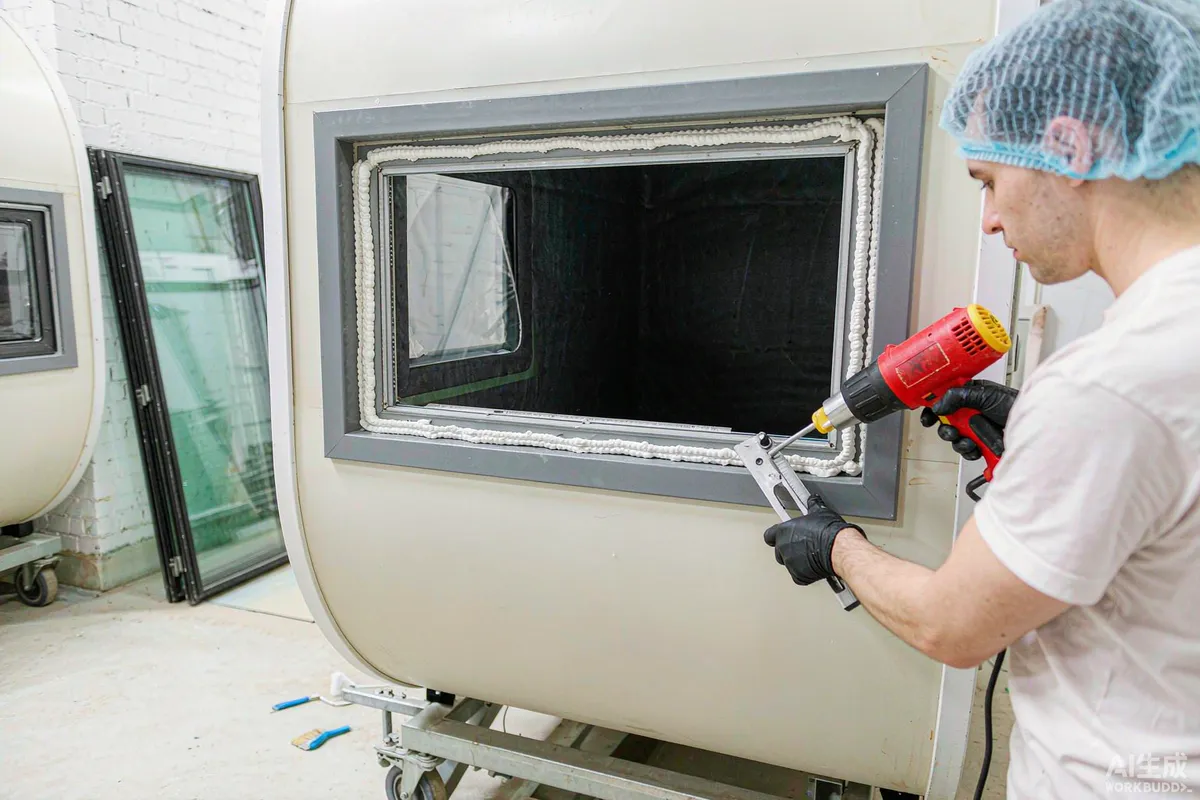
Records to Ask For, and How to Read Them
Documents are where a factory's real capability shows, because a process that is not recorded is a process that is not controlled. Ask for these, and then read them as evidence rather than as paperwork.
- Envelope build-up sheets with materials, thicknesses and stated U-values. A U-value quoted without a build-up is marketing.
- Glazing specification with the build-up, coating and solar heat gain coefficient.
- Water test records, ideally per unit, with dates and the method used.
- Electrical load list and single-line diagram, which also serve the local approvals file.
- Inspection records from an in-house or third party, with the non-conformances as well as the passes. A perfect record is less reassuring than one showing a problem found and closed.
- Material declarations for insulation, interior linings and sealants, particularly where fire performance forms part of the approvals file.
- Maintenance manual with intervals, since that document is what turns future cost into a budget line.
On certificates: where one is offered, request the number, issuing body, scope and validity dates, and verify it with the issuer. Treat any claim as unverified until the document behind it has been seen, and be careful with the difference between a certificate covering a component and one covering a finished unit — they are not the same thing. Requirements may vary by application, market and applicable standard.
Capability Versus Capacity
The distinction matters more than buyers expect. Capacity is how many units a factory can produce; capability is whether it can produce yours. A large line running a standard product may be a poorer choice for an unusual specification than a smaller line with the right experience.
- Ask what similar units they have shipped to comparable climates, and ask what changed in later batches as a result. A factory that has learned something will usually say so.
- Ask what they will not do. This is often the most informative question in the visit.
- Ask how changes are handled. Whether a change request is documented, costed and scheduled before it is made.
- Ask who owns quality on the floor — a named function, not a general assurance.
Where a project depends on approvals, documentation ability becomes a commercial differentiator rather than a formality. It is reasonable to score the documentation pack as a line item in your evaluation, and the method for doing so is set out in evaluating a capsule house supplier.
Heating, Cooling and the Climate Question
Glamping pods are specified into cold and hot extremes, and the failure modes are different in each. Ask the factory to answer against your numbers, not against their catalogue.
- Cold climates. Insulation continuity, thermal bridging at the frame, glazing build-up, floor insulation, condensation and vapour control, and heating capacity at the design ambient. See winter insulation.
- Hot climates. Solar gain through large glazing, shading provision, cooling capacity at the design ambient, and dust sealing: hot climate specification.
- Humid and coastal. Ventilation provision with a stated rate, corrosion protection, and coating system: coastal corrosion protection.
A factory that will not state the ambient against which its plant was sized has not sized it. Ask for the calculation rather than the equipment list; a one-page load calculation is the document that tells you whether the unit will hold its setpoint.
If You Cannot Travel
Remote assessment is workable, and it is worth structuring so that it produces comparable evidence rather than a video call.
- Request a live walk-through of the line at an agreed time, with the camera held where you ask rather than where the host prefers.
- Ask for the inspection of a specific unit, identified by serial number, including close views of the glazing joints, roof penetrations and floor build-up.
- Request the document set for that same unit, so the paperwork and the physical unit can be compared.
- Use a third-party inspection for pre-shipment checks where the order justifies it: pre-delivery inspection.
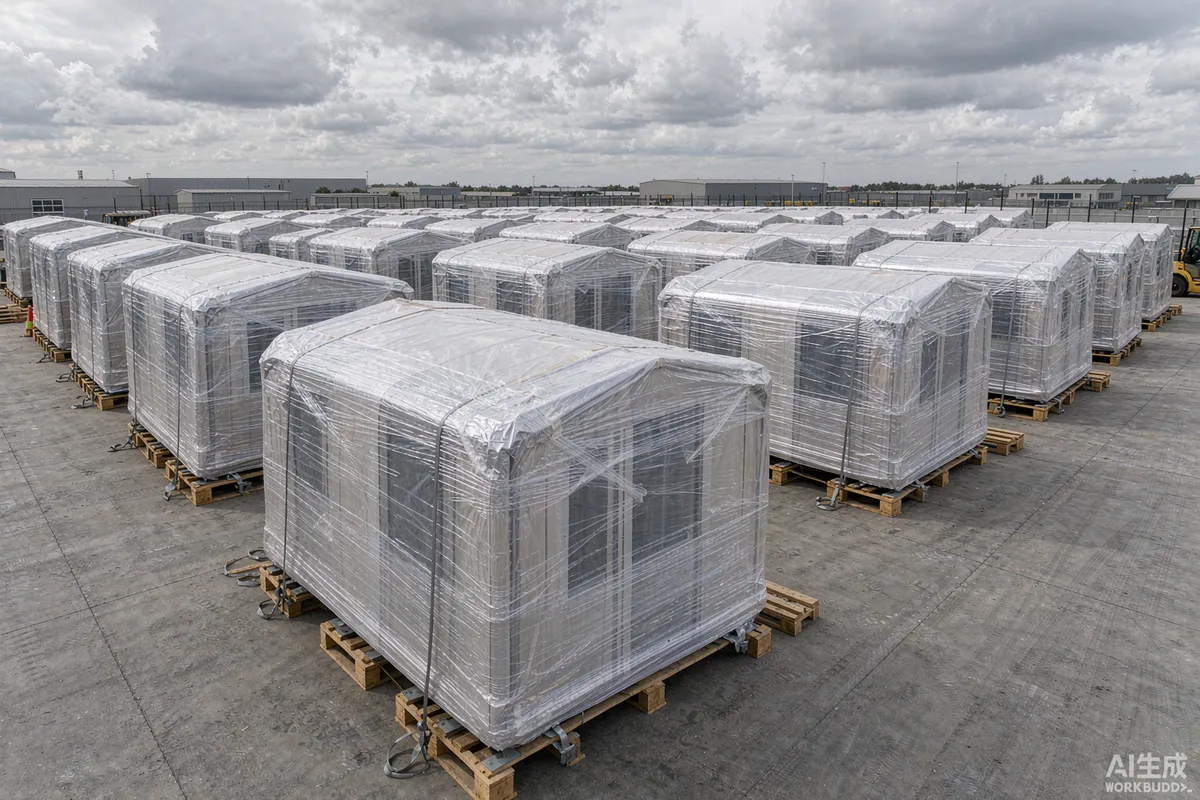
Red Flags Worth Acting On
- No values offered for insulation, glazing or plant sizing after being asked twice.
- A showroom-only tour, with no work in progress visible.
- Certificates offered without numbers, scope or an issuing body you can check.
- Reluctance to show roof penetrations, eaves or floor build-up.
- No water test records, or records with no dates.
- Pressure to confirm an order before a specification exists.
Any one of these is a question rather than a verdict. Several of them together are a verdict.
Current configurations and options are on the product pages; the Haishu story and how we work is on the about page. If you are evaluating glamping pod suppliers, send your design conditions, quantity and destination and we will answer the specification questions in writing so you can compare us against the rest of your list. Requirements may vary by application, market and applicable standard.
More from the Blog

Capsule Home Cost Guide: What You Really Pay in 2026
EXW, shipping, install and the hidden line items — a transparent breakdown of total landed cost.
Read article →
How to Install a Capsule Home in 3 Days: A Step-by-Step Guide
From site prep to first guest — the exact sequence our install crews follow on every deployment.
Read article →
Real Owners, Real Numbers: Success Stories
How a lakeside resort, a Spanish glamping site and a Singapore dealer hit their targets.
Read stories →Talk to the Factory
Ready to Ride the 2026 Wave?
Get the latest catalog, pricing tiers and a layout sketch for your land — straight from the engineering team.