Capsule Homes on the Coast: Salt Air, Corrosion and What to Specify
Salt-laden air changes the specification for a space capsule home. What to look for in the shell, fixings, glazing and maintenance plan on exposed coastal sites.

A capsule home on the coast fails differently from one inland. The structure does not usually break - the finish, the fixings and the seals degrade first, and they degrade faster than most buyers expect. Salt-laden air settles on every horizontal surface, stays damp longer than fresh water does, and finds its way into joints, railings and glazing channels. The answer is not a different building; it is a specific set of choices about the shell, the metal parts and the maintenance routine.
The Short Answer
Specify a shell finish that tolerates salt, use compatible fasteners rather than whatever is on the shelf, seal the glazing channels properly, keep drainage paths clear, and rinse the unit on a schedule. Choose a site position that reduces direct exposure where the plot allows it. Ask the factory what they do for coastal orders specifically - the difference between a standard unit and a coastal-spec unit is mostly in details that are cheap in production and expensive to correct later.
What Salt Air Actually Does
Three mechanisms matter, and they are worth separating because they have different fixes.
- Deposition. Salt aerosol settles on surfaces and holds moisture, which keeps a film of electrolyte on the metal for far longer than rain would.
- Crevice attack. Joints, lap seams and under fastener heads are where salt concentrates and does not get washed away. This is where coatings fail first.
- Galvanic coupling. Dissimilar metals in contact - a stainless screw in an aluminium panel, for example - create a cell that corrodes the less noble metal. On a coast, this happens quickly.
None of these is exotic. They are the reason two identical units five hundred metres apart can age at visibly different rates, depending on whether one is behind a dune and the other faces open water.
Shell and Coating
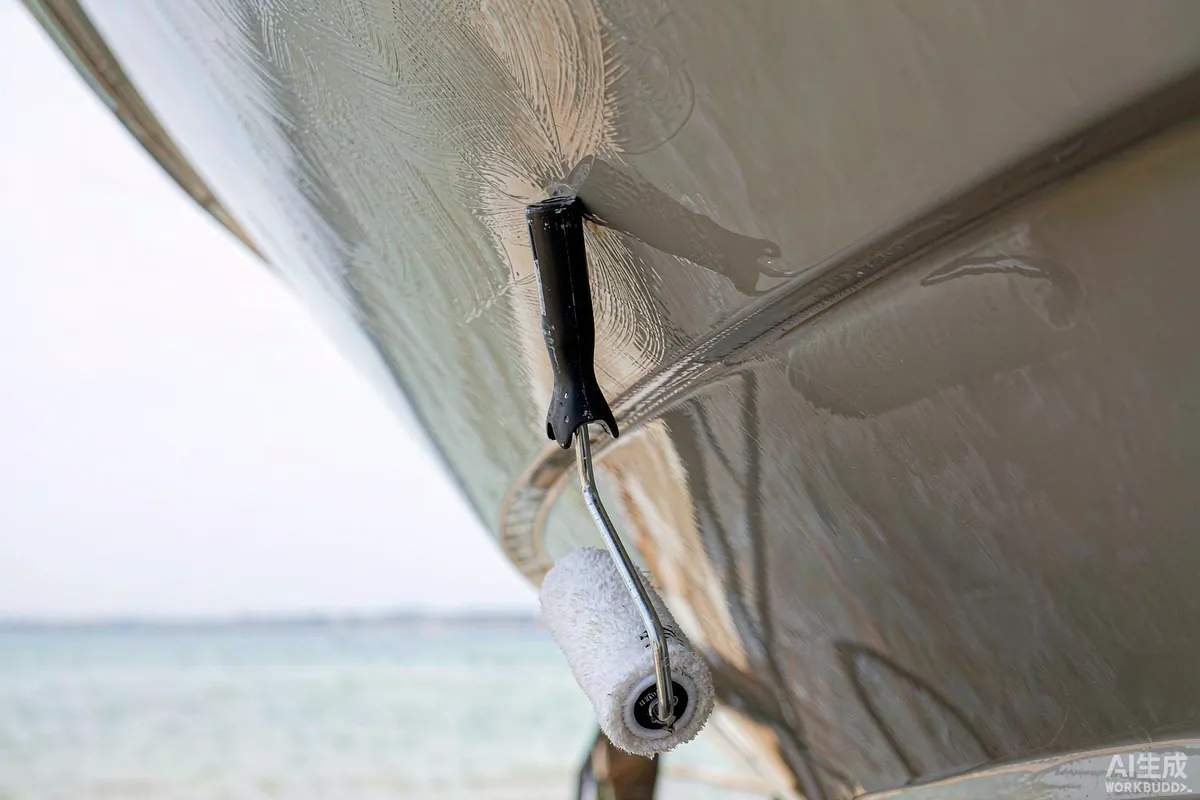
The curved shell of a capsule home is an advantage here: water sheds, and there are fewer flat surfaces where salt can pool. What matters is the coating system and the edges. Ask what the finish is, how it is applied, and what the touch-up procedure is - because every unit gets scratched in transport, and an untreated scratch on the coast becomes a visible line within a season.
Questions worth asking
- Is the coating applied in the factory after fabrication, and is there a documented repair procedure?
- What happens at cut edges, drill holes and panel joints?
- Is there a coastal or marine-grade finish option, and what does it change?
- Does the factory supply touch-up material with the unit?
A factory finish is a meaningful advantage over site painting. It is applied in controlled conditions with proper preparation, which is hard to replicate on a windy plot beside the sea.
Fasteners: The Detail That Decides
Ask a coastal owner what failed first and the answer is usually a fastener. Screws, brackets, hinges and railings are the small parts that corrode, stain and eventually seize. Two rules cover most of it: use fasteners compatible with the metal they touch, and avoid mixing metals without isolation.
| Component | What goes wrong | What to specify |
|---|---|---|
| External screws and bolts | Rust staining down the shell, seized heads | Compatible grade for the substrate, isolation where metals differ |
| Hinges and door hardware | Stiff operation, surface pitting | Marine-suitable hardware, specified at order stage |
| Deck railings and brackets | Corrosion at the base where salt collects | Drainable details, no water traps, accessible for inspection |
| Glazing channels and trims | Staining, seal degradation | Sealed channels with drainage, compatible trim material |
This is a conversation to have before production. Swapping a fastener specification in the factory is an administrative change; swapping two hundred corroded screws on a cliff is a project.
Glazing on an Exposed Elevation
Panoramic glass is the reason many coastal buyers choose a capsule home, and it is also the part most exposed to salt film. Salt residue on glass is not only cosmetic - left on the seals, it accelerates their ageing. Two things help: a rinsing routine that includes the frames, not just the panes, and seal details that can be inspected and replaced without dismantling the unit.
Also consider what the glass does to the interior. A large glazed area facing open water takes the full force of sun and wind. Internal blinds handle glare, but external shading handles heat, and on a coast the heat load is what pushes the cooling system - which is itself a piece of metal sitting in salt air.
Siting: The Free Mitigation
Before spending on specification, look at the plot. Exposure is the variable you can change for nothing.
- Use existing dunes, tree lines or outbuildings as a windbreak on the prevailing side.
- Keep the unit back from the immediate spray zone where the plot allows it.
- Avoid low spots where salt-laden damp collects and does not dry.
- Orient the entrance and service connections away from the prevailing weather.
A unit twenty metres further back, behind a dune, can be a fundamentally easier maintenance proposition than one on the crest.

The Rinsing Routine
Fresh water is the cheapest corrosion protection available, and the schedule matters more than the pressure. A gentle low-pressure rinse removes deposited salt before it concentrates in joints. High pressure does the opposite - it drives salt and water into seals and can damage coatings.
- Rinse the shell, glazing frames and hardware on a frequency matched to exposure - more often in the first month and after storms.
- Include the underside details and the base of railings, where salt concentrates.
- Keep drainage channels and weep holes clear so water can leave.
- Log what you find. A recurring stain at the same fastener is a specification problem, not a cleaning problem.
Where a unit is used for rental, add these items to the turnover checklist. A weekly clean that ignores the exterior is how coastal units age prematurely.
A Simple Coastal Maintenance Calendar
Coastal ownership is mostly calendar discipline. A short routine, written down and actually followed, keeps a unit looking new for far longer than occasional deep cleans.
- Monthly in season. Low-pressure rinse of shell, glazing frames and hardware; clear drainage channels; visual check of fastener heads and coating edges.
- After storms. Rinse as soon as access allows, especially after onshore weather. Salt deposited in a single night can sit for a week if nobody visits.
- Twice a year. Inspect glazing seals, door and window hardware operation, deck bracket bases and any painted touch-ups. Photograph anything that looks new.
- Annually. Review the coating condition on the most exposed elevation, and deal with any chip or scratch while it is still small.
The photography is not vanity. A dated set of images is the fastest way to show a factory or an insurer what changed and when, and it makes the difference between a maintenance issue and a dispute.
What to Confirm With the Factory
Coastal specification is a set of small decisions that are only cheap once, at the point of order:
- Finish system and whether a coastal upgrade exists.
- Fastener and hardware grade, with isolation where metals differ.
- Glazing seal details and whether they are inspectable.
- Touch-up material and a documented repair procedure supplied with the unit.
- Whether the unit's transport packaging protects the finish until installation.
Haishu supplies units factory-finished and delivered turnkey, which means these decisions are made once, in controlled conditions, rather than on an exposed site. On a coast that is worth more than it sounds.
The Takeaway
Coastal exposure is manageable, but only if it is designed for rather than discovered. Specify the finish and the fasteners, seal the details that trap salt, site the unit out of the worst of the weather, and rinse on a schedule. The units that look tired after two seasons are almost always the ones where the specification was generic and the routine was absent.
More from the Blog

Capsule Home Cost Guide: What You Really Pay in 2026
EXW, shipping, install and the hidden line items — a transparent breakdown of total landed cost.
Read article →
How to Install a Capsule Home in 3 Days: A Step-by-Step Guide
From site prep to first guest — the exact sequence our install crews follow on every deployment.
Read article →
Real Owners, Real Numbers: Success Stories
How a lakeside resort, a Spanish glamping site and a Singapore dealer hit their targets.
Read stories →Talk to the Factory
Ready to Ride the 2026 Wave?
Get the latest catalog, pricing tiers and a layout sketch for your land — straight from the engineering team.