Working With an Overseas Factory: Drawings, Approvals and Communication
Buying a capsule home from a factory in another country works well when the information flow is managed. How to handle drawings, approvals, changes and time zones.

Buying a prefab capsule home from a factory in another country is normal practice, and most of the problems that occur are not manufacturing problems. They are information problems: a drawing approved without being understood, a change made verbally and never documented, a question asked by email and answered three days later in a different thread. The manufacturing is usually fine. The paper trail is what needs managing.
The Short Answer
Establish one drawing set as the single reference, approve it in writing with a version number, route every change through a written change note that states cost and schedule impact, agree a communication cadence that suits both time zones, and inspect at defined milestones rather than at the end. Distance stops being a problem when information has one place to live and one way to change.
Why Distance Causes the Problems It Does
Working across borders compresses the feedback loops that normally catch mistakes. In a local project, someone walks over and points at the thing that is wrong. In a cross-border order, that correction has to travel through a message, a time zone and often a language - and if it does not, it arrives as a finished unit.
- Slow loops. A question answered 18 hours later turns a one-day decision into a three-day one.
- Implicit assumptions. What is standard practice in one market is an option in another, and neither side thinks to mention it.
- Verbal changes. Agreed on a call, forgotten by both parties, discovered at handover.
- Version drift. Three files called "final", none of them current.
Every one of these has the same fix: fewer, better-managed documents and a clear decision log.
The Drawing Set Is the Contract
Treat the approved drawing set as the definition of what is being built, not as an illustration of it. Everything that matters should appear on it.
| Drawing | What it fixes | Common omission |
|---|---|---|
| General arrangement | Layout, dimensions, zones | Clearances around beds and doors left unverified |
| Electrical | Voltage, frequency, socket type, circuit layout, entry point | Entry point on the wrong side for the site |
| Plumbing and drainage | Supply, waste route, drain points | Waste connection position relative to the site stub |
| Interior elevations | Joinery, finishes, storage positions | Storage depth too shallow for the intended contents |
| Glazing schedule | Pane sizes, build-up, openable areas | Which panels actually open |
| Services and plant | Heating, cooling, ventilation, water heating | Condenser or plant location and condensate drainage |
| Transport and lifting | Dimensions, weight, lifting points | Crane capacity required on site |
Ask for the set to carry a version number and a date on every sheet, and for revisions to be issued as a complete updated set rather than as individual replacement sheets. A partial set is how version drift starts.
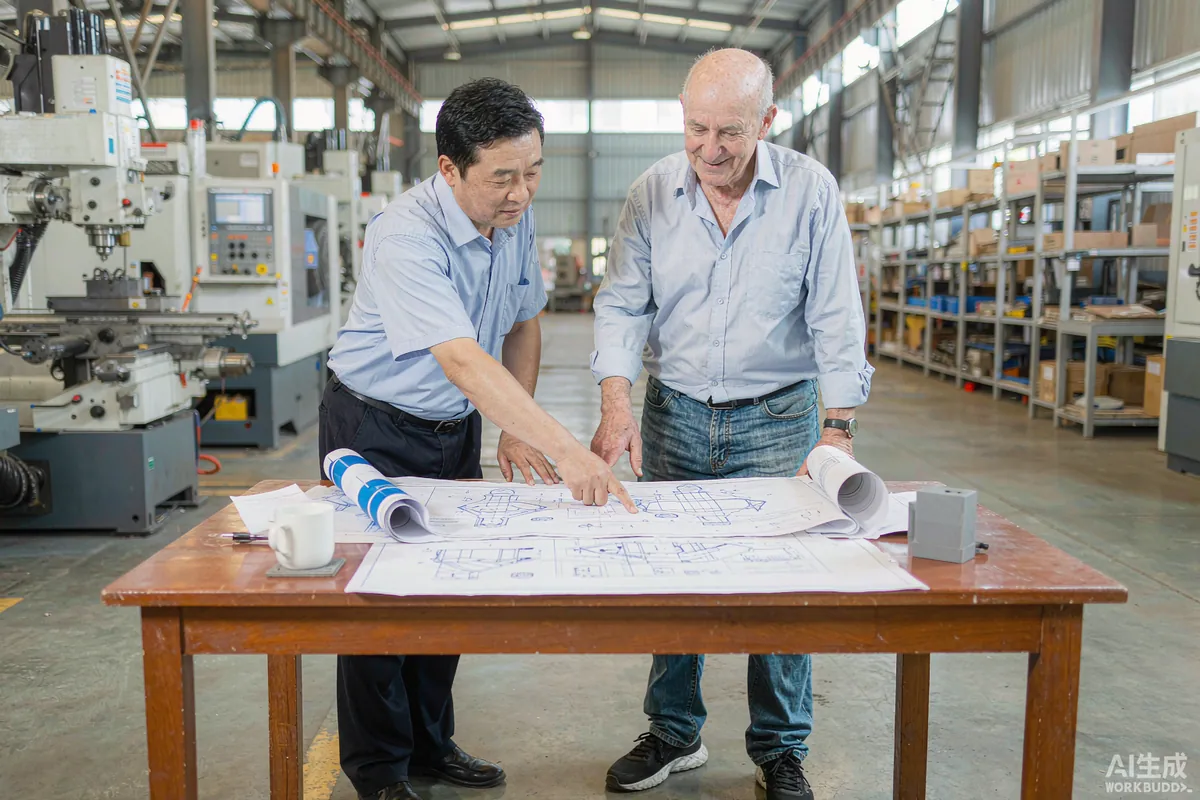
The Approval Gate
Approval should be a deliberate act, not a reply to an email. Before you approve, confirm the items that are expensive to change later.
- Model, trim and footprint, matching the quote.
- Electrical voltage, frequency and socket type for the destination market.
- Position of the service entry and waste outlet relative to your site.
- Layout clearances: can you actually walk past the bed, open the bathroom door, and use the kitchen?
- Which panels open, and whether the ventilation strategy works.
- Finish schedule, with samples approved where colour matters.
- Lifting points and total weight, checked against the crane you can get.
- Anything that affects classification or approval in your market. Requirements may vary by application, market and applicable standard.
Then say so explicitly: "Drawing set revision 3 dated [date] is approved for production." One sentence, one email, and there is no ambiguity about what is being built.
Change Control: Where Orders Go Wrong
Changes are normal and reasonable; undocumented changes are what cause disputes. A change note does not need to be formal, but it does need to be written.
- What changes. Reference the drawing sheet and revision.
- Why. Site condition, preference, regulation - the reason matters later.
- Cost impact. Stated as a number, or stated as none.
- Schedule impact. In working days, or stated as none.
- Timing. Whether the change can still be made in the current production stage.
- Confirmation. Both sides reply, and the change is entered in a single log.
Keep a simple change log - a spreadsheet with a row per change, its status and the revised totals. It takes minutes to maintain and settles almost every disagreement about what was agreed. The stage that matters most is the cut-off: once the shell is closed, changes to anything inside a panel go from cheap to expensive overnight, so ask what the last date is for changes of each type.
Communication Cadence
Ad-hoc messaging across a large time difference produces long gaps and rushed decisions. A fixed rhythm is better for both sides.
- One weekly written update from the factory: production stage, photographs, and any open questions. Photographs are the single most useful content.
- One scheduled call at a time that suits both sides, with an agenda circulated in advance.
- One channel for decisions. Email or a shared document - not split across chat apps, calls and messages where they cannot be found later.
- A named person on each side. Not a generic sales address.
- Agreed response times. "Questions answered within one working day" is a reasonable ask and sets expectations both ways.
Ask for photographs at defined milestones - steel frame, envelope closed, services rough-in, insulation before lining, fit-out, and final before packing. Those six sets of pictures substitute for most site visits, and they create a record of the build that is useful years later if a question arises about what is inside a panel.
Factory Visits and Inspections
A visit is worth it for a first order, a large order, or anything heavily customised. It establishes a working relationship and resolves in a day what correspondence takes weeks to approximate.
- Go early - during the specification phase, or at first production - rather than at the end when nothing can be changed.
- Bring the drawing set and walk the actual unit against it, sheet by sheet.
- Look at another customer's unit at the same stage to see standard quality rather than a prepared showroom piece.
- Ask about export preparation. Packing, container loading and securing methods are visible on site and invisible in a brochure.
- If you cannot go, send someone. A local agent or inspector costs a fraction of a dispute.
What Good Suppliers Do Anyway
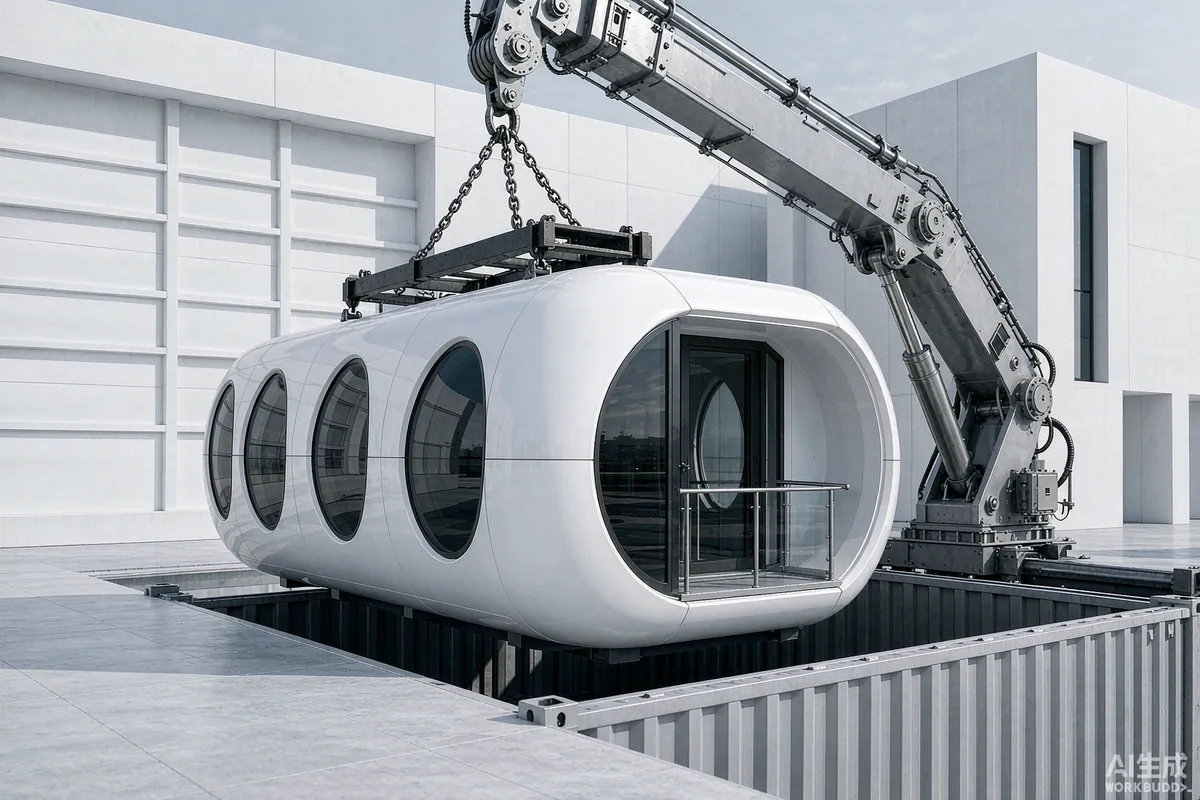
Much of the above should not have to be asked for. A factory that exports regularly will already have versioned drawings, milestone photographs, a packing list and a clear statement of what the site must provide. Those are signals of export experience, and they are worth more than any single specification claim when you are choosing whom to buy from.
Haishu ships A Series units - A30, A50 and A70 in Standard, Pro and Ultra trim - one per 40HQ container, factory-direct from China, with a stated 10-60 working day production window depending on configuration, and a three-day installation programme once the site is prepared. OEM and ODM are supported, which is relevant here: a customised programme needs exactly the drawing discipline described above, because there is no standard configuration to fall back on when a detail is unclear.
A Short Checklist
- One versioned drawing set as the single reference.
- Written approval naming the revision and date.
- A change log with cost and schedule impact per change.
- Known cut-off dates for changes by production stage.
- Weekly written update with photographs.
- Milestone photographs, including pre-packing and loading.
- A named contact on each side and an agreed response time.
- A pre-delivery inspection before the balance payment is due.
The Takeaway
Distance is a documentation problem, not a manufacturing one. Fix the drawing set as the reference, approve it explicitly, put every change in writing with its cost and schedule impact, agree a communication rhythm with milestone photographs, and inspect before the unit ships. Do that and an overseas factory order runs predictably; skip it and the unit you receive is the one you failed to describe.
More from the Blog

Capsule Home Cost Guide: What You Really Pay in 2026
EXW, shipping, install and the hidden line items — a transparent breakdown of total landed cost.
Read article →
How to Install a Capsule Home in 3 Days: A Step-by-Step Guide
From site prep to first guest — the exact sequence our install crews follow on every deployment.
Read article →
Real Owners, Real Numbers: Success Stories
How a lakeside resort, a Spanish glamping site and a Singapore dealer hit their targets.
Read stories →Talk to the Factory
Ready to Ride the 2026 Wave?
Get the latest catalog, pricing tiers and a layout sketch for your land — straight from the engineering team.