Capsule Home Insulation and Winter Performance: What to Check
How do capsule homes perform in winter? Learn which insulation, glazing and heating specifications to check before buying for a cold climate.
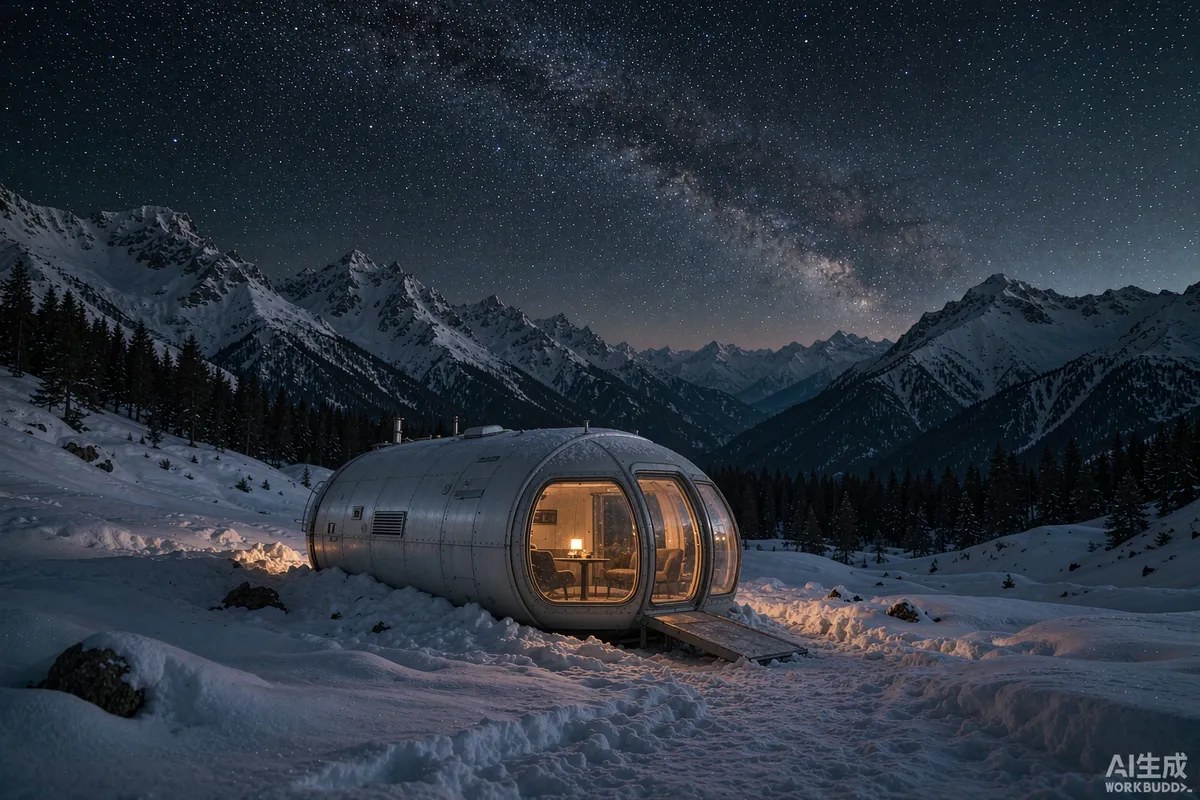
A capsule home can be comfortable in winter, but only if the envelope and the heating are specified for it. Cold-climate performance is not one feature - it is the result of wall insulation, glazing, air sealing and correctly sized heating working together. This guide sets out what to check before you order.
Why Winter Performance Is a System Question
Buyers often focus on insulation thickness alone. In practice, heat is lost through four routes: conduction through the walls, through the glazing, through air leakage, and through thermal bridges where the structure crosses the insulation layer. A thick wall with poor air sealing will still feel cold and will still produce condensation.
The Wall Build-Up
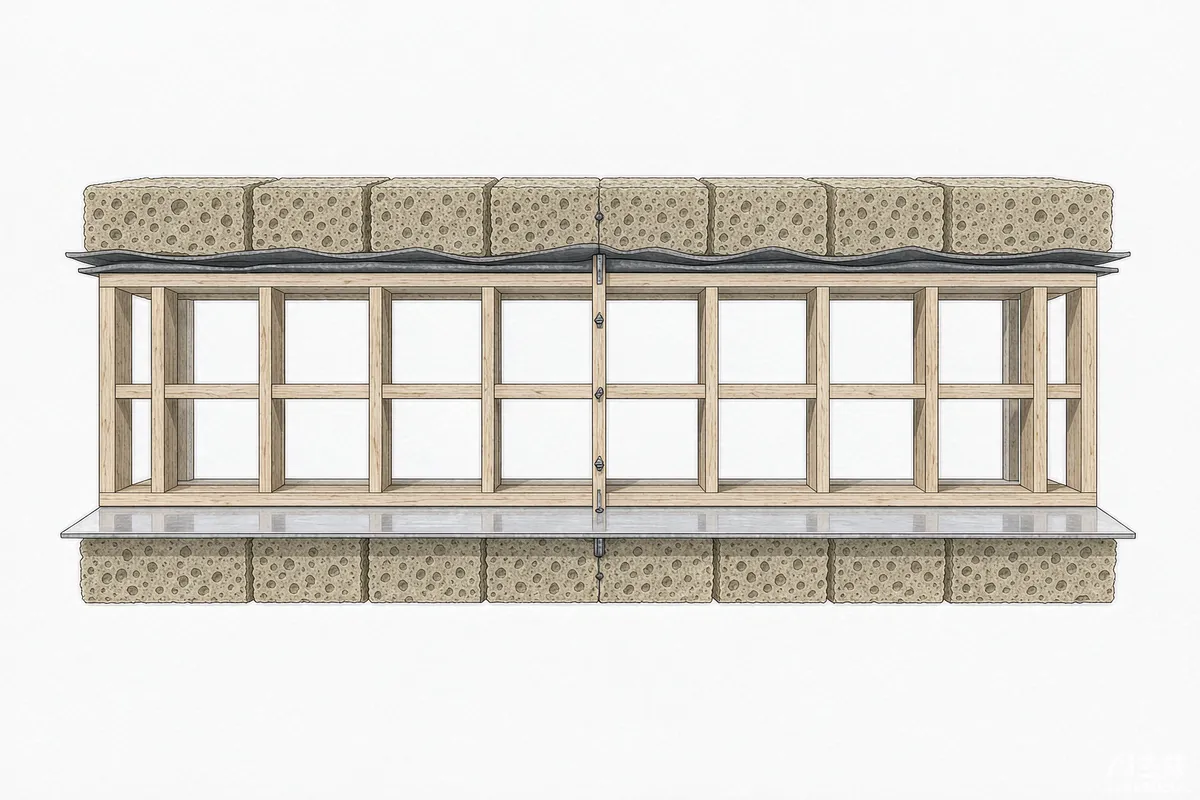
Ask for the full wall assembly in writing, layer by layer. A cold-climate build-up typically combines a structural frame, insulation, a vapour-control layer and an interior lining. What matters is continuity - insulation that is compressed, gaps at panel joints, or a missing vapour layer will undercut the stated performance.
Glazing: The Biggest Single Variable
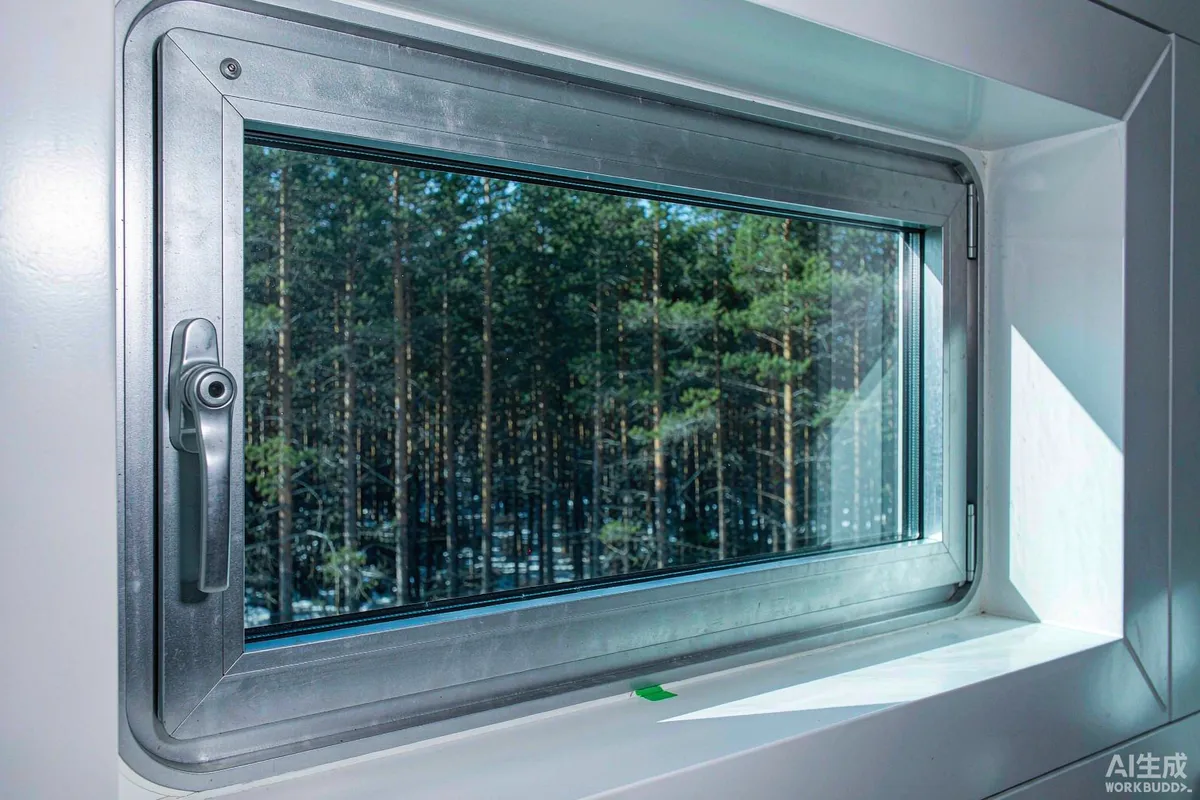
Panoramic glass is the feature that sells a capsule home, and it is also the weakest thermal point. Large single-glazed areas lose heat quickly and are the first place condensation appears. For cold climates, look for double or triple glazing with a low-emissivity coating and a thermally broken frame.
The practical test is interior glass temperature. If the inner pane runs close to room temperature, occupants will feel comfortable near the window. If it runs cold, you get draughts and condensation regardless of how well the walls are insulated.
Air Sealing and Condensation
Warm interior air carries moisture. When it reaches a cold surface, it condenses - inside the wall if the vapour layer is wrong, or on the glass if the glazing is under-specified. Condensation inside the envelope is the failure mode to avoid, because it is invisible until it damages insulation and linings.
Heating: Size It for the Envelope
A well-insulated capsule home needs surprisingly little heating capacity; a poorly specified one needs a great deal and still feels cold. Heating should be sized against the actual heat loss of your unit in your climate, not by rule of thumb. Consider how the unit is used between bookings - a unit kept at a low background temperature needs a system that can recover quickly before guests arrive.
What to Ask a Supplier
- Wall build-up: full layer list, including the vapour-control layer.
- Glazing: number of panes, coating type, frame type and whether the frame is thermally broken.
- Air sealing: how joints and penetrations are detailed.
- Heating: how capacity is calculated, and whether it is sized for your climate.
- Ventilation: how moisture from bathrooms and cooking is removed.
- Cold-climate references: units already operating in comparable conditions.
Site and Seasonal Factors
Where the unit sits matters. Wind exposure, shading and whether the unit is raised on legs all change heat loss. A unit on open, elevated ground loses more heat than a sheltered one. Snow load and freeze protection for pipework also need to be part of the specification in genuinely cold regions.
Setting Expectations
No factory-built unit performs identically in every climate. Confirm the specification against your coldest expected conditions, and treat generic comfort claims as a starting point for questions rather than an answer. Requirements may vary by application, market and applicable standard.
More from the Blog
Capsule Home Cost Guide: What You Really Pay in 2026
EXW, shipping, install and the hidden line items — a transparent breakdown of total landed cost.
Read article →
How to Install a Capsule Home in 3 Days: A Step-by-Step Guide
From site prep to first guest — the exact sequence our install crews follow on every deployment.
Read article →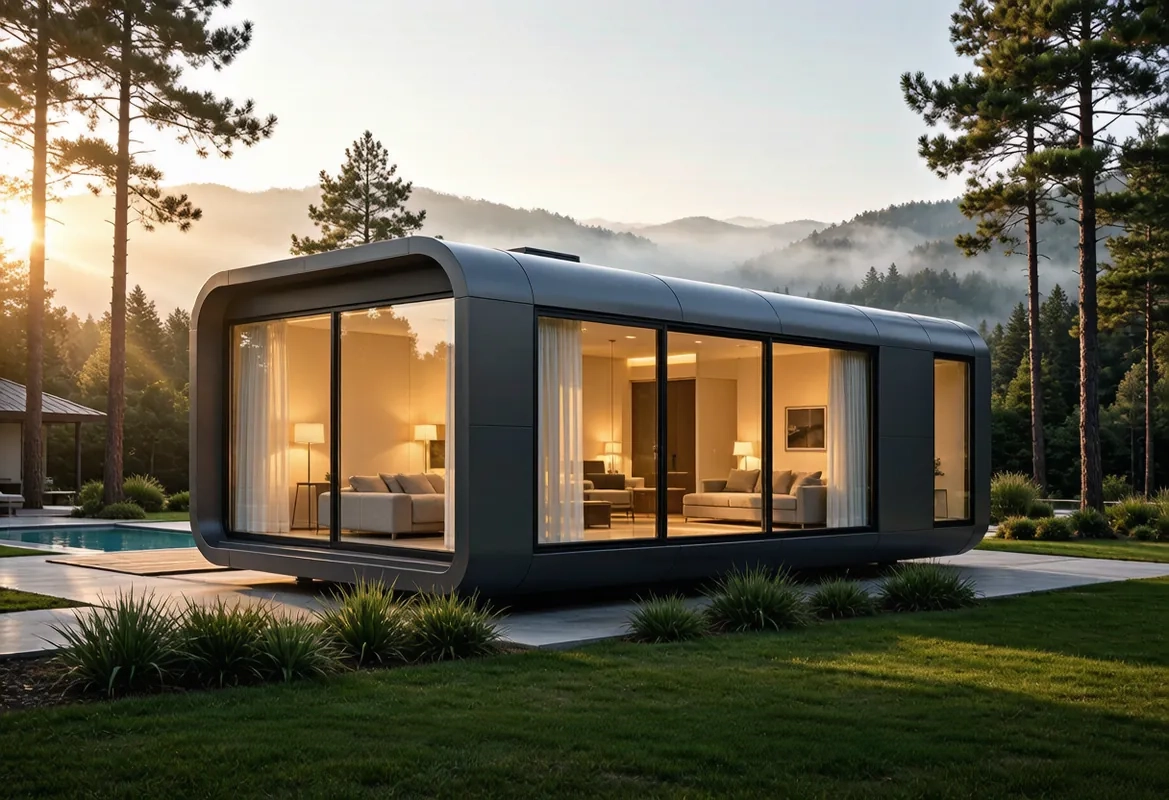
Real Owners, Real Numbers: Success Stories
How a lakeside resort, a Spanish glamping site and a Singapore dealer hit their targets.
Read stories →Talk to the Factory
Ready to Ride the 2026 Wave?
Get the latest catalog, pricing tiers and a layout sketch for your land — straight from the engineering team.