Glamping Pod Prices: What Buyers Really Pay For
Glamping pod prices: the nine variables that set the number, the specification lines worth paying for, and how to compare two offers properly.
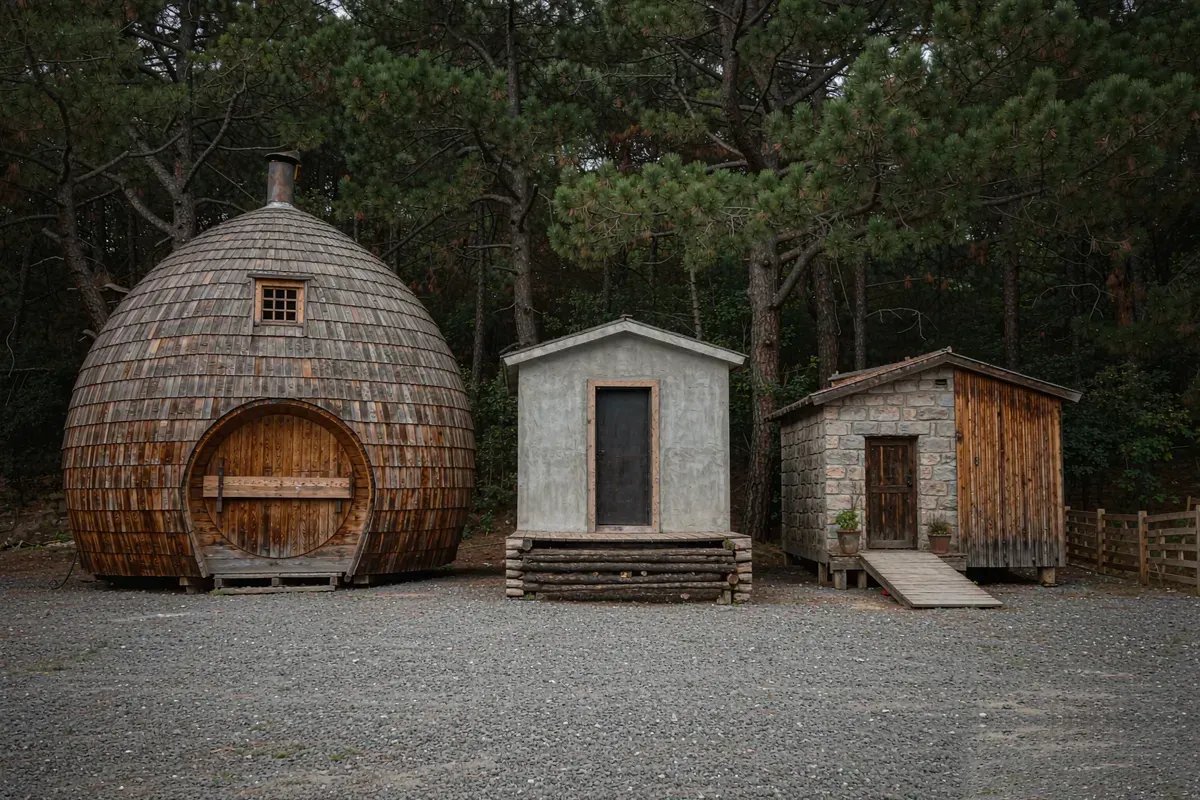
Glamping pod prices vary widely between suppliers, and the spread is rarely explained by quality alone. It is mostly explained by what is inside the quoted number. Two pods that photograph identically can differ in envelope build-up, glazing specification, electrical standard, interior substrate, transport form and warranty scope — and those differences are invisible in a product image but decisive over a five-year operating life. This page sets out the variables that actually move the number, in the order they carry weight, so that a buyer can compare offers on like terms. We publish no price figures here — they depend on configuration, quantity, route and date, and only your suppliers can quote them. For the category itself, see our glamping pods overview.
The Nine Variables That Set the Number
| Variable | Why it moves cost | What to pin down in writing |
|---|---|---|
| Footprint and height | Material volume and transport envelope both scale with size | External dimensions, internal floor area, head height, and whether it ships complete |
| Envelope build-up | Structural frame, sheathing and insulation system drive both cost and performance | Frame material and grade, insulation type and thickness, vapour control layer |
| Glazing area and spec | Large panoramic glazing is the defining feature and a major cost line | Glazing build-up, any performance rating and the standard it was measured under |
| Climate specification | Cold, hot, coastal and high-humidity sites each add different items | Which climate stresses the pod is built for, and what was added for each |
| Interior fit-out grade | Substrates, finishes, joinery and appliances span a wide range | Named products or agreed samples, not descriptive labels |
| Electrical and plumbing | Standard conformity and appliance load change the assembly materially | Voltage, frequency, socket type, protective devices, wiring standard |
| Transport form and quantity | Complete, folded or flat-packed changes freight per unit significantly | Packages per unit, dimensions, and units per container or voyage |
| Customisation depth | Bespoke engineering and tooling add non-recurring cost | What is standard, what is modified, and any one-off engineering charge |
| Warranty and spares | Longer cover and supplied spares are real cost, and real value | Coverage period, exclusions, who pays freight, and the supplied spares list |
Read that table as a checklist when comparing offers. A lower price that quietly removes three rows is not a lower price.
Envelope and Glazing: Where the Money Goes
For a glamping pod, the envelope is the product. It is what the guest sees, what determines comfort, and where cost concentrates.
Glazing. Panoramic glass is the reason guests book a pod rather than a cabin. Its cost is driven not only by area but by build-up: single, double or laminated; coatings for solar control; framing material and thermal break; and any safety or performance rating claimed. Ask what the rating is and the standard it was measured under — a number without a method is not a specification.
Insulation. Insulation performance is a system property, not a thickness number. Continuity across the envelope, including the floor and around glazing frames, determines whether the stated performance is achieved in practice. In hot-humid climates the vapour control strategy matters as much as the insulation value; in cold climates the direction of the risk reverses. Our page on humid-climate condensation explains why.
Coastal and dust exposure. Fastener grade, coating specification and sealing approach determine service life at exposed sites. This is a specification line, not an upgrade, if your site is coastal or arid. See coastal corrosion protection.
Fit-Out Grade: The Line Buyers Underestimate
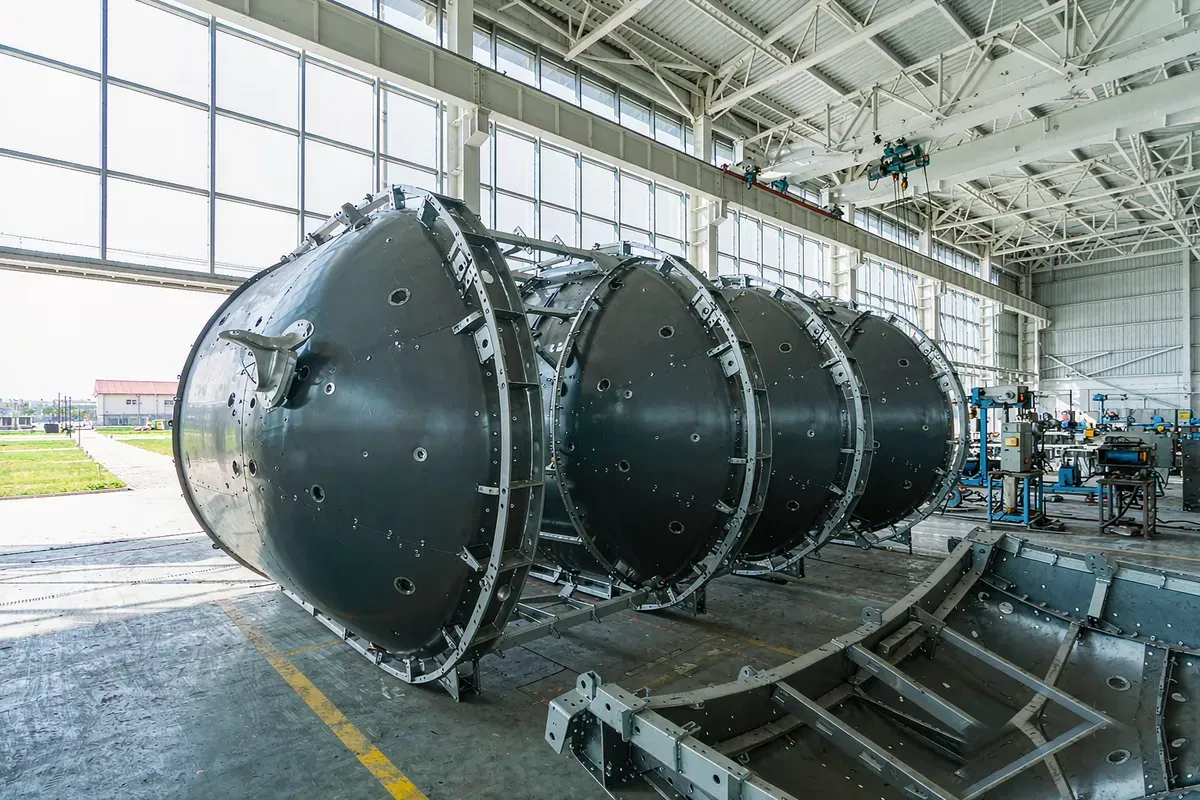
Interior fit-out is where two quotations most often diverge, because it is the easiest place to save money without changing the photograph. Behind a visible finish there is a substrate, and behind a wet room there is a waterproofing method. Both determine how the pod looks and smells after two seasons of guests.
Ask three questions on fit-out: what is behind the visible surface and how does it behave with moisture; how wet areas are waterproofed and whether the waterproofing is tested before handover; and what the renewing cycle is for sealants, coatings and soft finishes under your occupancy rate. Our guide to interior finish durability goes through the same check in more detail.
Appliances and furniture deserve an itemised list with quantities and grades. "Fully furnished" without a list is not a specification you can enforce if something is missing on arrival.
Transport Form and Quantity: The Quiet Multiplier
Freight per unit depends more on how the pod packs than on how far it ships. A complete pod is an out-of-gauge load with permits and escort costs; a folded or flat-packed unit travels as conventional cargo but shifts assembly work to your site. The right answer depends on site access, local labour cost and how many units you are bringing — a design that packs efficiently pays back across a whole site, not on a single unit.
Quantity affects more than freight. Repeating one configuration lets a factory run efficiently, and it also reduces your lifetime spare-part and maintenance complexity. Standardising across a site is one of the few decisions that lowers both capital cost and operating cost. Our page on fleet standardisation covers the operating side.
What Should Not Be Priced Down
Some reductions cost more than they save. Three are worth naming because they are the ones most often cut: corrosion and sealing specification at exposed sites, electrical conformity to the local standard, and pre-delivery inspection. Cutting any of these transfers cost from the capital budget to the operating budget, usually at a worse exchange rate.
Electrical conformity deserves particular attention. A pod built to the wrong voltage, frequency or plug standard is not a minor inconvenience — it is a rework, a safety question and potentially a compliance problem. Confirm the destination standard at order time and verify it at inspection. Requirements may vary by application, market and applicable standard.
Comparing Offers Properly
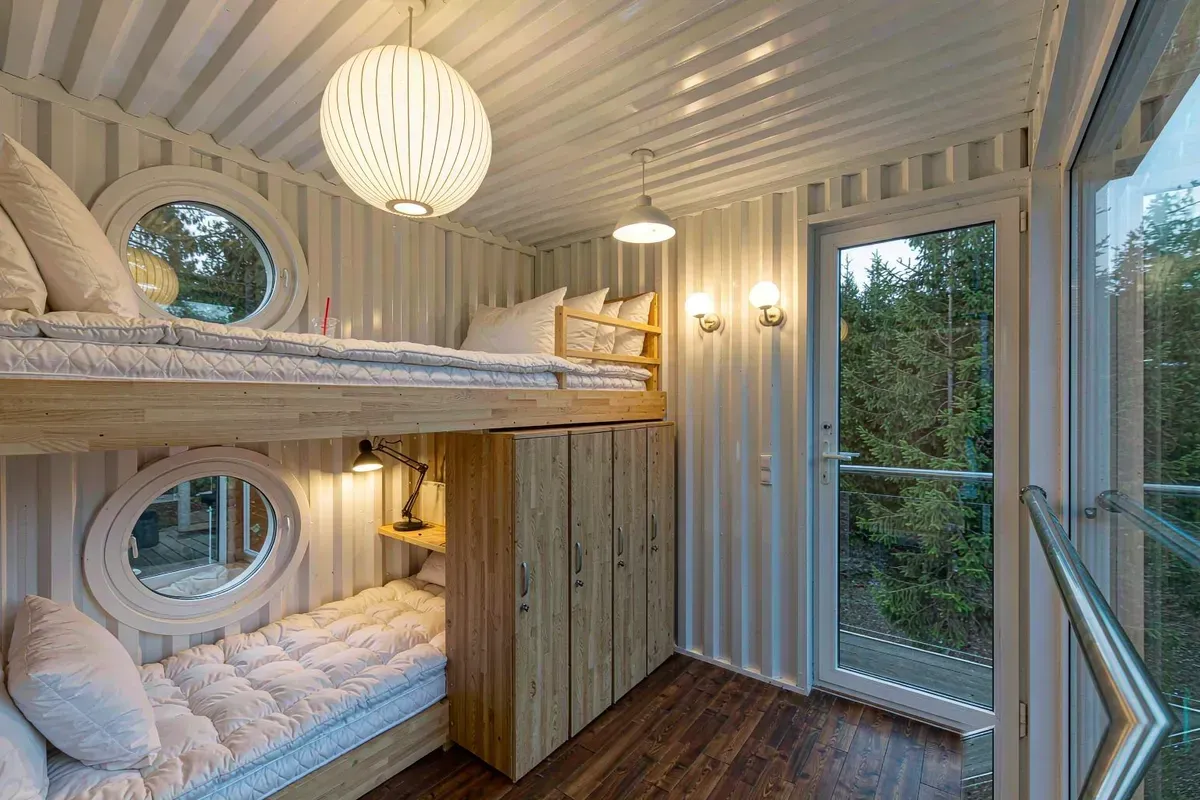
Normalise before you compare: same incoterm, same currency, same validity date, and an itemised scope from each supplier. Then price the exclusions at your own local rates and add the landed-cost lines neither supplier quotes — inland haulage, foundation, utility connection, crane and commissioning. Only then is a difference between two totals meaningful. Our guide to reading a capsule house quotation walks through the same process line by line.
Purchase Price Against Cost of Ownership
The purchase price is the number that gets compared, and it is usually the smaller number over the life of the asset. For a pod operating at resort occupancy, the costs that accumulate are energy for cooling and heating, housekeeping and turnover, envelope and coating maintenance, interior renewal, and downtime — nights the unit cannot be sold.
Two specification decisions dominate that accumulation. Envelope performance determines energy cost and comfort complaints, and it is fixed at manufacture. Interior durability determines how many seasons pass before renewal is needed, and it is also fixed at manufacture. Both are cheaper to specify correctly than to correct later, and neither appears in a photograph.
Downtime deserves separate treatment. A pod that is out of service for a week during high season loses more revenue than most of the specification savings available at purchase. When comparing offers, ask what the spare parts supply and warranty response actually look like in practice, because that is what determines downtime. Our page on total cost of ownership sets out how to model the full picture.
Getting a Number for Your Site
Send the site conditions, climate stresses, quantity, delivery port and the electrical standard at destination, and we will tell you which specification items change for your project and what we can quote. We publish no price figures on this page — they depend on configuration, quantity, route and date, and only your suppliers can quote them. Compare the Galactic A series configurations, then use the contact page to send your requirements.
More from the Blog

Capsule Home Cost Guide: What You Really Pay in 2026
EXW, shipping, install and the hidden line items — a transparent breakdown of total landed cost.
Read article →
How to Install a Capsule Home in 3 Days: A Step-by-Step Guide
From site prep to first guest — the exact sequence our install crews follow on every deployment.
Read article →
Real Owners, Real Numbers: Success Stories
How a lakeside resort, a Spanish glamping site and a Singapore dealer hit their targets.
Read stories →Talk to the Factory
Ready to Ride the 2026 Wave?
Get the latest catalog, pricing tiers and a layout sketch for your land — straight from the engineering team.