Glamping Pods for Sale: Factory-Direct Buying Guide
Buying glamping pods factory direct: what the specification covers, site and servicing requirements, delivery terms, supplier questions and cost structure.
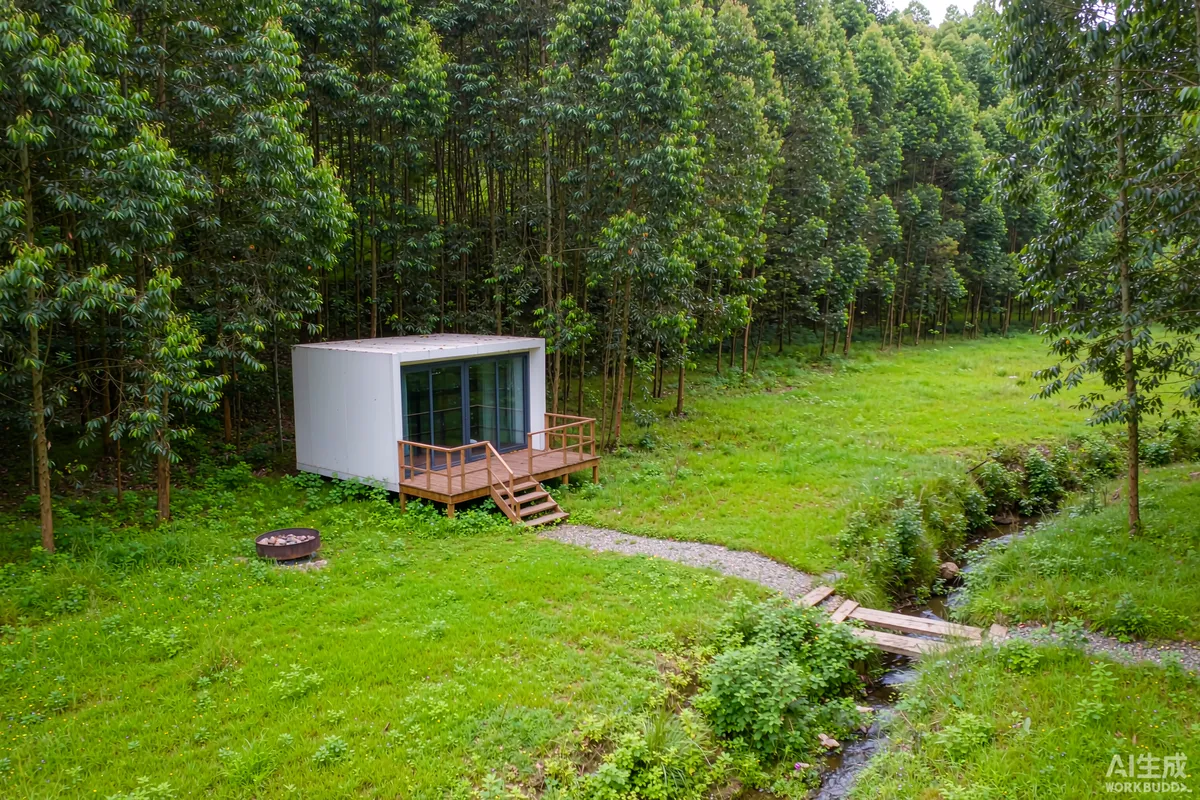
This page is written for buyers procuring glamping pods, not for guests looking for somewhere to stay. The questions that matter at purchase stage are specification, delivery terms, site readiness and documentation - and they are answerable before you pay a deposit rather than after. Current models are on the product pages.
What a Glamping Pod Is
The term covers a range of factory-built, transportable accommodation units, from simple insulated shells to fully serviced rooms with a wet room and panoramic glazing. Three characteristics distinguish them from site-built structures.
- They arrive finished. Insulation, glazing, lining, wiring and plumbing are installed in the factory, so site work is limited to placement and connection.
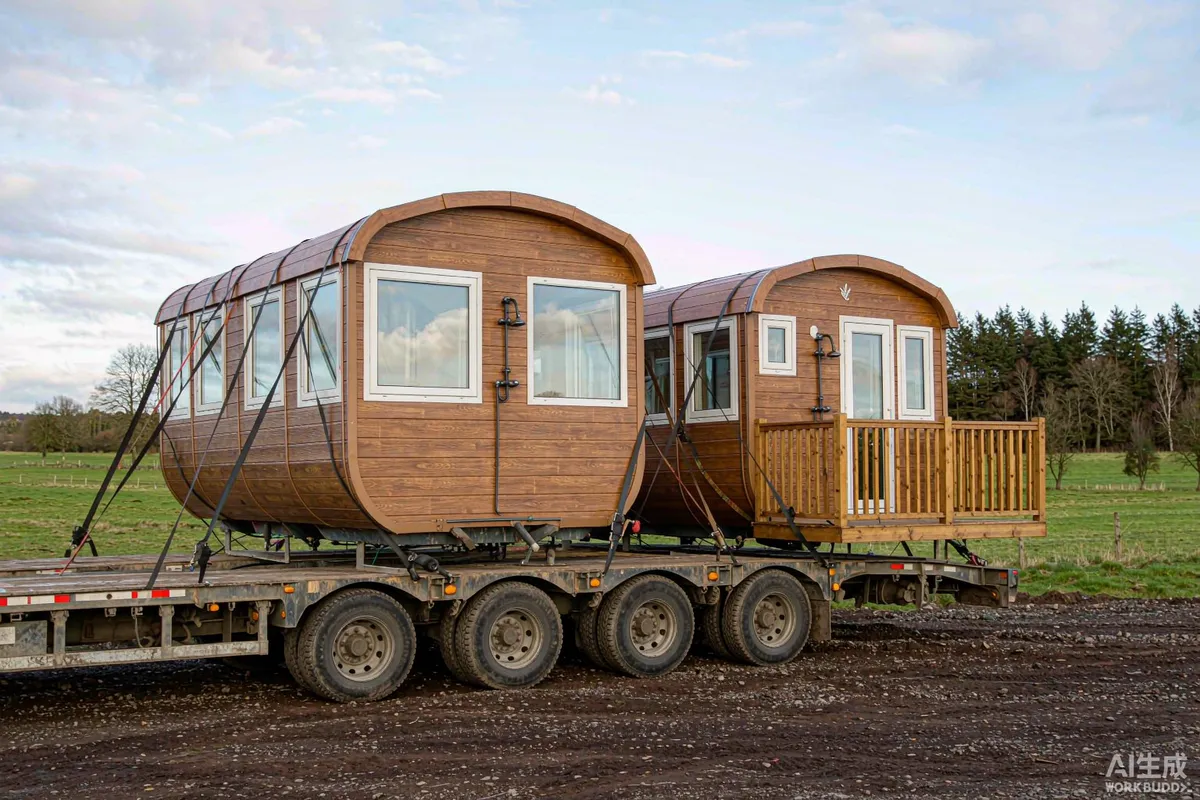
- They are dimensioned for transport. Packed dimensions and weight determine the route, the vehicle and the lift.
- They are repeatable. The economics depend on producing the same unit many times, which is why standardisation saves money and customisation costs it.
Where the design is a fully glazed curved shell, see our definition of a space capsule house; the two categories overlap and the distinction is mostly about form and glazing ratio.
The Specification Menu
Six layers, and they constrain each other - choosing in a sensible order avoids late changes.
| Layer | Choices | What it changes elsewhere |
|---|---|---|
| Shell | Metal or composite envelope, coating system, colour | Weight, maintenance interval, coastal durability |
| Insulation | Type and thickness, vapour control | Running cost, condensation behaviour, wall build-up |
| Glazing | Double or solar control, opening sections, frame type | Comfort, cooling load, wind and impact performance |
| Interior | Lining, flooring, joinery, storage | Weight, cleaning time, humidity tolerance |
| Wet room | Layout, fittings, ventilation, waterproofing | Service positions, maintenance access |
| MEP | Voltage and frequency, heating and cooling, water heating, drainage | Everything downstream on site |
Decide in that order. The destination climate and the use pattern come first; appearance comes last, within what the earlier decisions allow.
What the Site Must Provide
The unit arrives complete; everything around it is a local scope item, and this is where budgets break.
- Access for the delivery vehicle and for the lift, surveyed against the packed dimensions.
- A foundation or support system designed locally for the ground conditions and the unit loads.
- Power to the connection point, at the correct voltage, frequency and capacity, with protection and isolation.
- Water and drainage, including the destination of wastewater and any treatment requirement.
- External works - decking, paths, steps, screening, lighting.
- Consents, which should be confirmed before ordering rather than after.
See our installation guide for the responsibility split between factory, contractor and owner.
Delivery Terms and Freight
- Name the term. Ex-works, FOB, CIF and DDP measure different things, and only one basis allows comparison.
- Get freight quoted against actual packed dimensions and the actual route, not from a rate table.
- Confirm what happens if the site is not ready when the goods arrive; storage is a cost regardless of cause.
- Ask about packing method - containerised, flat-rack or break-bulk - because it determines handling risk.
- Confirm insurance coverage and who is responsible for a claim during each leg.
Questions to Put to a Supplier
- What is included and what is excluded? The exclusions list is more informative than the total.
- What drawings will you issue, and when? Plan, elevation, section and MEP positions are the minimum.
- What are the packed dimensions and packed weight for this exact configuration?
- What are the foundation load figures? Your engineer cannot design without them.
- Which certificates and test records will you supply? Ask for them explicitly and verify them with the issuing body. Do not accept a claim of certification on the strength of a scan.
- What is the warranty, and when does it start?
- What spares should I hold, and what are the part numbers?
Cost Structure
- Unit price by model and specification.
- Freight and insurance as separate lines.
- Duties and clearance as buyer-side costs unless the term is DDP.
- Site costs - foundation, cranage, services, external works - priced locally.
- Contingency for what is genuinely unknown at estimate stage.
See the price page for quotation structure and the cost guide for the landed calculation. A comparable procurement route is covered in our RFQ guide.
Compliance: Confirm, Do Not Assume
- Planning classification - whether a pod is treated as a building or as movable - determines the submission route.
- Electrical and plumbing standards are local, and the installation should be designed to them by a locally qualified professional.
- Operating licensing for letting to guests is a separate requirement from the structure.
Requirements may vary by application, market and applicable standard. Confirm the current position with the authority having jurisdiction before you order.
How Many to Order
Quantity affects both unit cost and project risk, and the two pull in different directions.
- Freight improves with quantity. A container costs roughly the same whether it is part-filled or full, so the freight cost per unit falls as the shipment fills.
- Site establishment costs do not scale. Cranage mobilisation, professional fees and site setup are largely fixed per site and are spread across the units.
- Risk rises with a single large order. Ordering everything before the first unit has been placed means committing to a specification you have not seen installed.
- A common resolution: order phase one at a size that is independently operable, then reorder the same specification. The second order benefits from the first one's freight and documentation, and it is specified with knowledge.
- Confirm that the specification will still be available. Ask how long a configuration is produced for, since a discontinued model cannot be matched later.
Layout and Servicing Notes
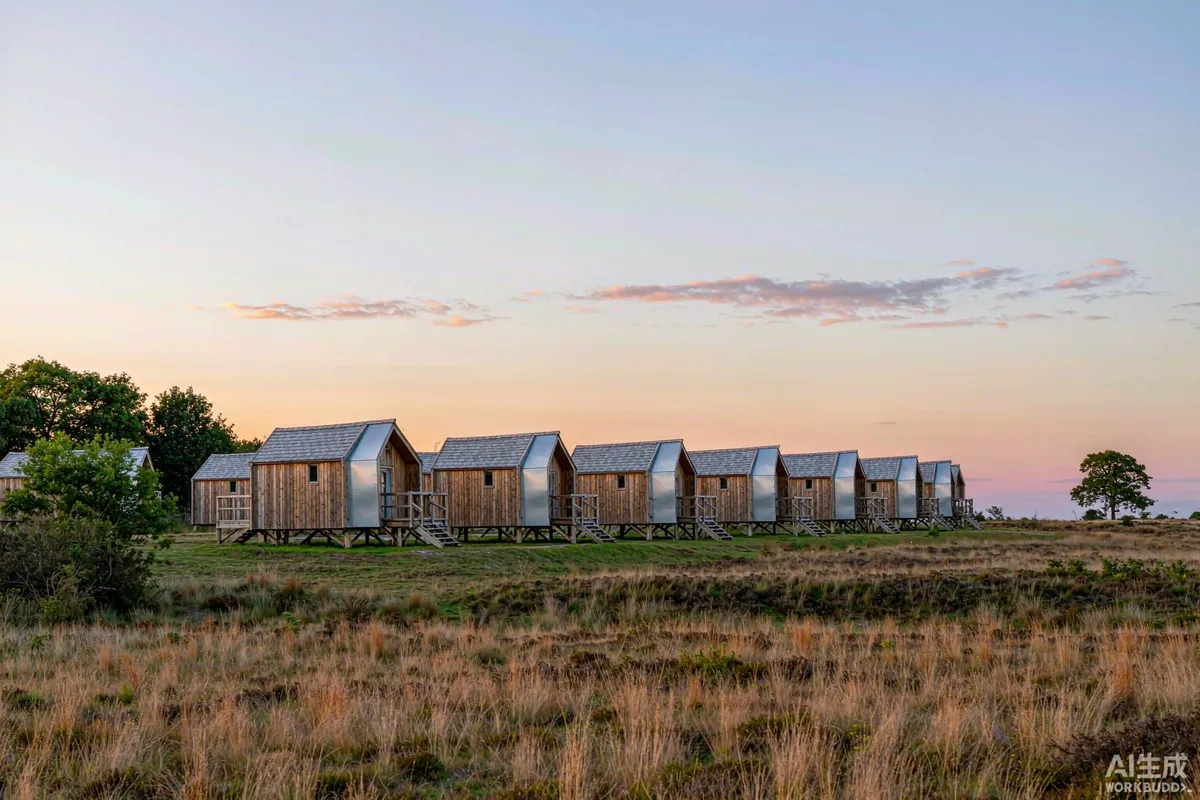
- Separation is the product. In glamping, the premium is for privacy and outlook; units spaced too closely stop being glamping and start being a campsite.
- Service routes need to reach every unit without passing through another unit's private outdoor space.
- Keep the dark. Control light spill from paths and service buildings, and make the route to the bathroom obvious at night.
- Plan water and wastewater together with the layout, because retrofitting a services route through a finished layout is expensive.
- Leave land unbuilt deliberately. Gaps are part of the product and are the first thing sacrificed when someone asks for more units.
Layout for this format is covered in more detail in our glamping site layout guide.
Warranty, Spares and After-Sales
- Establish the warranty start date - dispatch, arrival or commissioning - and get it in writing.
- Name the spares to hold, with part numbers, and ship them with the units rather than after.
- Confirm the commissioning support arrangement, including time-zone overlap, because questions will arise while units are being energised.
- Confirm how a claim is made and what evidence is required, before there is a claim to make.
Common Procurement Mistakes
- Comparing quotations on different delivery terms. Normalise first.
- Ordering before the consents position is understood. Units arriving before approval is granted incur storage cost and programme risk.
- Designing the layout before the services strategy. Where power and water come from determines where units can go.
- Assuming the local lines are a percentage. Get local prices for foundation, cranage and services.
- Accepting a certification claim without verification. Obtain the document and check it with the issuing body.
What to Confirm Before Paying a Deposit
- The specification in writing, layer by layer, with model names or descriptions rather than adjectives.
- The delivery term and the named destination.
- The drawings you will receive and when - plan, elevation, section, MEP positions and foundation loads.
- The production slot and the shipment window, and what happens if either slips.
- The payment schedule and what each payment is tied to.
- The change procedure after specification lock, including how changes are priced.
Six items, one page, before money moves. A supplier who finds this reasonable is easier to work with at every later stage.
To request a structured quotation, send the site, the unit count and the intended use.
More from the Blog

Capsule Home Cost Guide: What You Really Pay in 2026
EXW, shipping, install and the hidden line items — a transparent breakdown of total landed cost.
Read article →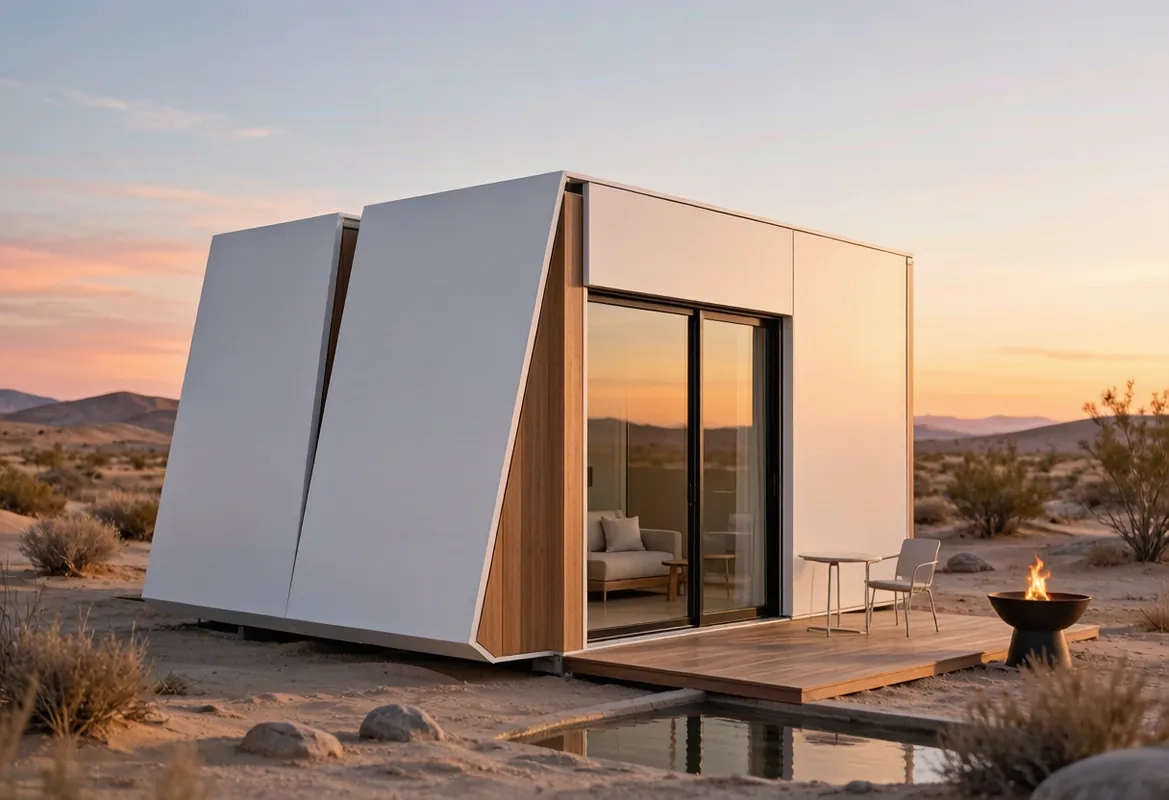
How to Install a Capsule Home in 3 Days: A Step-by-Step Guide
From site prep to first guest — the exact sequence our install crews follow on every deployment.
Read article →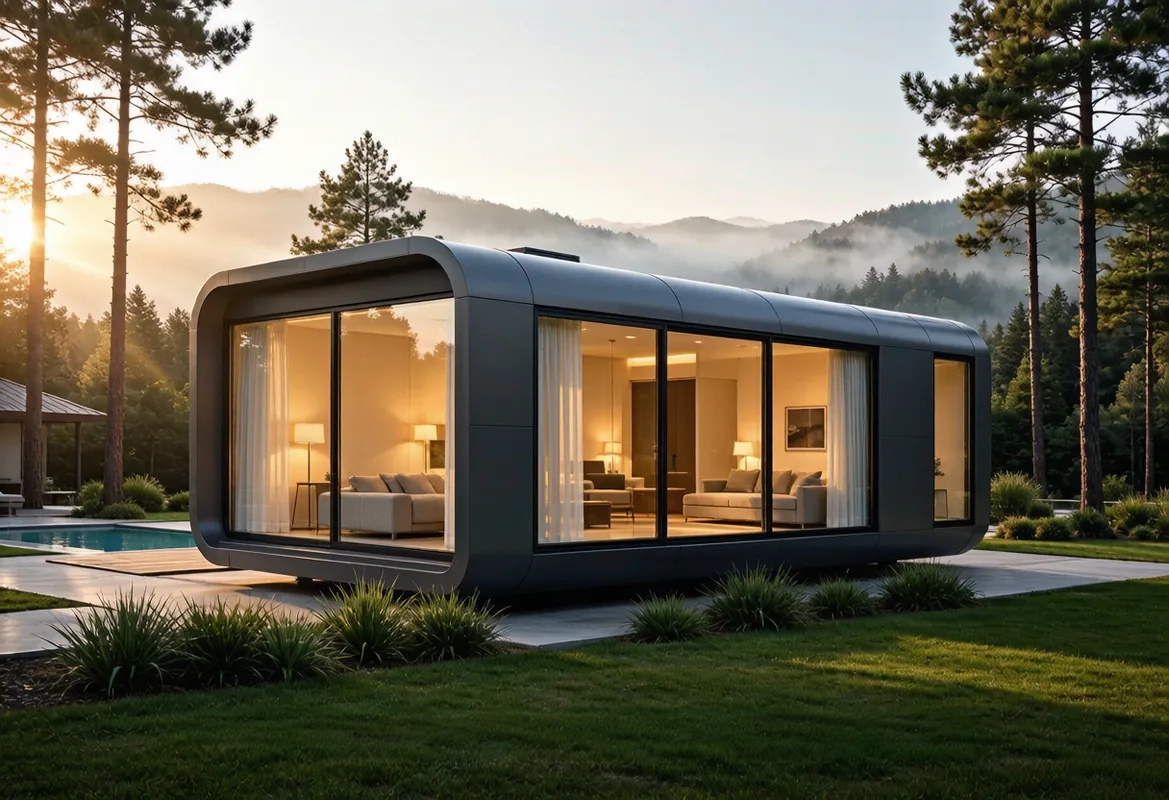
Real Owners, Real Numbers: Success Stories
How a lakeside resort, a Spanish glamping site and a Singapore dealer hit their targets.
Read stories →Talk to the Factory
Ready to Ride the 2026 Wave?
Get the latest catalog, pricing tiers and a layout sketch for your land — straight from the engineering team.