Specifying Interior Finishes for High-Occupancy Capsule Home Rentals
Rental interiors fail on wear, not on looks. Here is how to specify floors, walls, worktops and fittings that survive high occupancy.
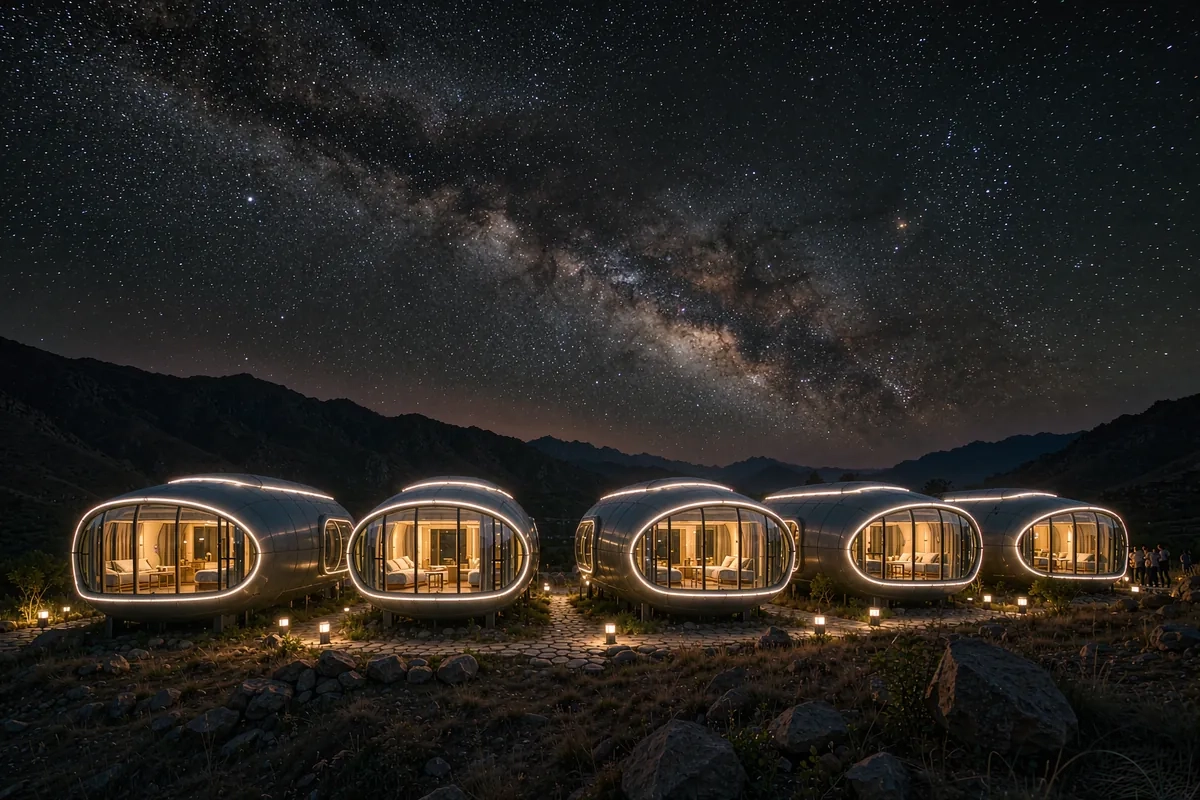
An owner-occupied capsule home and a high-occupancy rental capsule home are finished differently, or they should be. Owner-occupiers choose finishes they like living with. Rental operators need finishes that survive hundreds of changeovers, suitcase wheels, wet coats, spilled coffee and cleaning products - and that still photograph well at the end of it. Those are different specifications, and the difference shows up in year two rather than on handover day.
The short answer: choose for cleanability, replaceability and repairability first, and for appearance second. In practice that means continuous hard surfaces in wet and high-traffic zones, modular wall panels that can be replaced one at a time, mid-tone colours that hide wear, and hardware rated for commercial rather than domestic use.
What Rental Wear Actually Looks Like
Designing against wear starts with knowing where it lands. In a compact unit the same square metre gets far more use than in a house, because there is no spare space to absorb it.
- Entry zone - grit, wet footwear, suitcase wheels, dropped keys.
- Floor around the bed - the heaviest traffic line in the unit, usually overlooked.
- Kitchenette worktop - heat, knife marks, staining, standing water at the sink edge.
- Bathroom surfaces - limescale, humidity, cleaning chemicals, hair products.
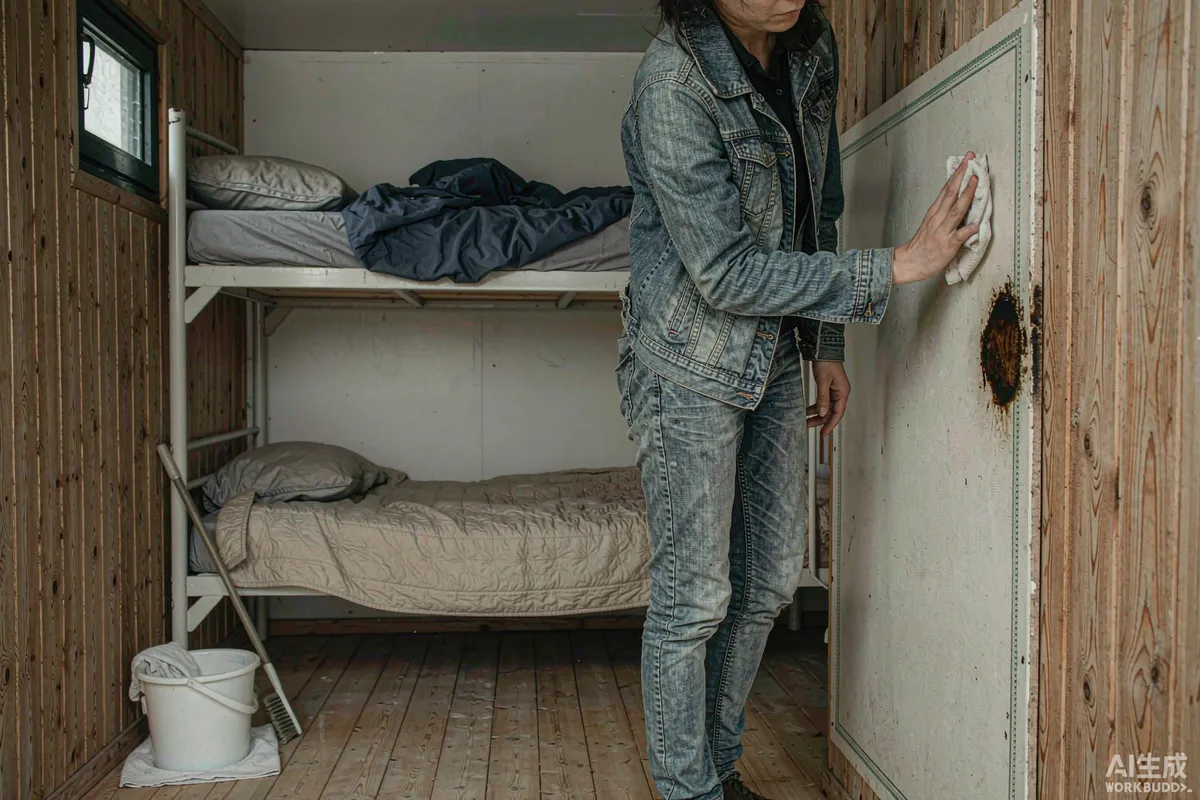
- Wall beside switches and handles - finger marking, scuffs from bags.
- Window reveals and sills - condensation, sun exposure, guests sitting on sills.
Every one of those is a specification decision. None of them is a maintenance failure.
Flooring
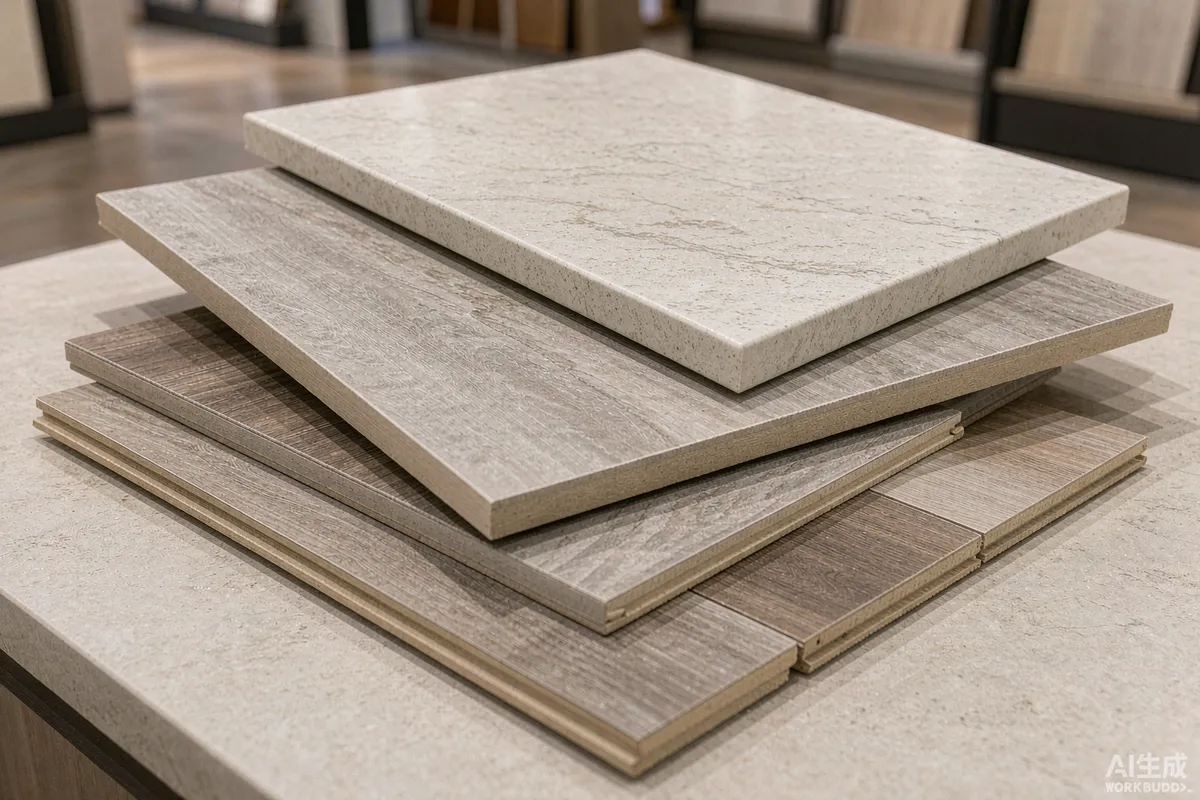
Flooring takes more abuse than anything else in a small unit and is the most disruptive thing to replace, because it means moving furniture and appliances out. Choose accordingly.
| Option | Suits | Watch for |
|---|---|---|
| Luxury vinyl plank or tile | Most rental units; water tolerant, warm underfoot | Wear layer thickness; use a commercial-rated product |
| Laminate | Dry zones, budget-conscious projects | Water at joints causes swelling; avoid in wet areas |
| Engineered wood | Premium positioning | Refinishing cost and downtime; scratches show |
| Continuous resilient sheet | Wet rooms and high-turnover units | Seams and repairs need a specialist |
| Tile | Bathrooms and entries | Cold and hard underfoot; grout maintenance |
Two rules that matter more than the material choice: specify a wear rating appropriate to commercial traffic, and buy enough of one batch to replace a damaged section later. Flooring that cannot be matched is flooring that gets replaced wholesale.
Walls and Ceilings
Painted plasterboard is the cheapest wall finish and the most expensive one to live with in a rental, because every scuff needs a patch and a repaint, and the colour match rarely survives. Modular wall panels change the economics: a damaged panel is one panel, replaced in minutes.
- Prefer panels in the entry and bed zones, where bags and cases do the damage.
- Use a scrubbable finish if you do paint - matte finishes mark and cannot be cleaned.
- Avoid pure white and pure black. Very light shows every mark; very dark shows every scratch and dust line.
- Mid-tones and textures hide wear and photograph well.
- Protect the wall behind door handles and at the bed head. This is a cheap, high-value detail.
- Keep a spare panel from the original batch for each pattern used.
Worktops, Joinery and Hardware
In a compact kitchenette, the worktop and the cabinet hardware get more cycles per year than a domestic kitchen sees in a decade.
- Worktop - choose a surface tolerant of heat and staining, with a sink detail that does not trap water at the edge.
- Cabinet fronts - a durable laminate or a painted finish specified for cleaning, with soft-close hardware.
- Hinges and drawer runners - specify commercial-grade, and check spares availability.
- Handles - simple, solid, and replaceable from a standard supplier rather than a bespoke one.
- Door stops and catches - an unstopped door in a small unit damages both the door and the wall.
Textiles and Soft Furnishings
Soft furnishings are the fastest thing to date and the easiest to change, which makes them the right place to spend on appearance and the wrong place to spend on longevity.
- Bedding - buy in threes for each bed, so a set can be stripped, laundered and rotated.
- Mattress protector - non-negotiable in a rental, and replaced on a schedule.
- Curtains and blinds - choose for cleanability and for how they handle humidity near glazing.
- Rugs - generally a liability in high-turnover units; if used, choose washable.
- Cushions and throws - cheap to refresh, so treat them as a seasonal update rather than a capital item.
Designing for the Turnover Clean
The best durability decision is one that makes the clean faster. Every minute saved on a changeover is recurring margin, and every surface that cannot be cleaned quickly becomes a surface that gets damaged by rushed cleaning.
- Minimise the number of different materials the cleaner has to treat differently.
- Avoid deep grooves, open shelving and intricate profiles that collect dust.
- Keep skirting and trim simple, and sealed against moisture.
- Provide a designated place for cases, wet coats and boots.
- Choose silicone and sealants in a colour that does not yellow visibly.
Colour, Light and Photography
A rental unit is sold twice: once by the listing photographs and once by the guest's own photos. Finish choices drive both, and they interact with the glazing that capsule homes rely on.
- Mid-tones survive both wear and photography. Very light finishes show every mark; very dark ones show dust, scratches and water spotting.
- Keep the palette to two or three materials repeated throughout. In a small volume this reads as deliberate rather than busy.
- Watch glare on gloss surfaces. Large glazing plus high-gloss cabinetry produces reflections that photograph badly and feel cheap in person.
- Choose warm, consistent lighting and check the finishes under it before approving samples - a floor that looks right in a showroom can look grey under cool light.
- Test cleanability on a sample with the actual cleaning products your team uses, not with water.
- View samples in the unit's own light if possible, at the time of day guests arrive.
The finishes that last and the finishes that photograph well are largely the same finishes. That is not a coincidence - both are asking for surfaces that stay even, unmarked and consistent under difficult light.
Safety and Compliance Notes
Furnishings and textiles in a letting unit may be subject to fire performance requirements, and floor surfaces to slip resistance expectations, depending on where the unit operates and how it is let. Requirements may vary by application, market and applicable standard. Confirm what applies to a letting unit specifically - which is often a different regime from a private dwelling - with the local authority or a licensed professional, and ask suppliers for the documentation that demonstrates compliance.
A Specification Checklist
- Commercial-rated wear layer on all flooring, with spare stock from the same batch.
- Modular, replaceable wall panels in high-traffic zones.
- Scrubbable, mid-tone paint where panelling is not used.
- Worktop tolerant of heat, staining and standing water.
- Commercial-grade hinges, runners and handles, with spares.
- Washable or easily replaceable textiles, bought in multiples.
- Surfaces chosen for a fast, single-method clean.
- Fire performance documentation for furnishings, as required locally.
Specify on that basis and the unit looks close to new far longer than an owner-occupier specification would - which is exactly what the next guest's photographs will show.
More from the Blog
Capsule Home Cost Guide: What You Really Pay in 2026
EXW, shipping, install and the hidden line items — a transparent breakdown of total landed cost.
Read article →
How to Install a Capsule Home in 3 Days: A Step-by-Step Guide
From site prep to first guest — the exact sequence our install crews follow on every deployment.
Read article →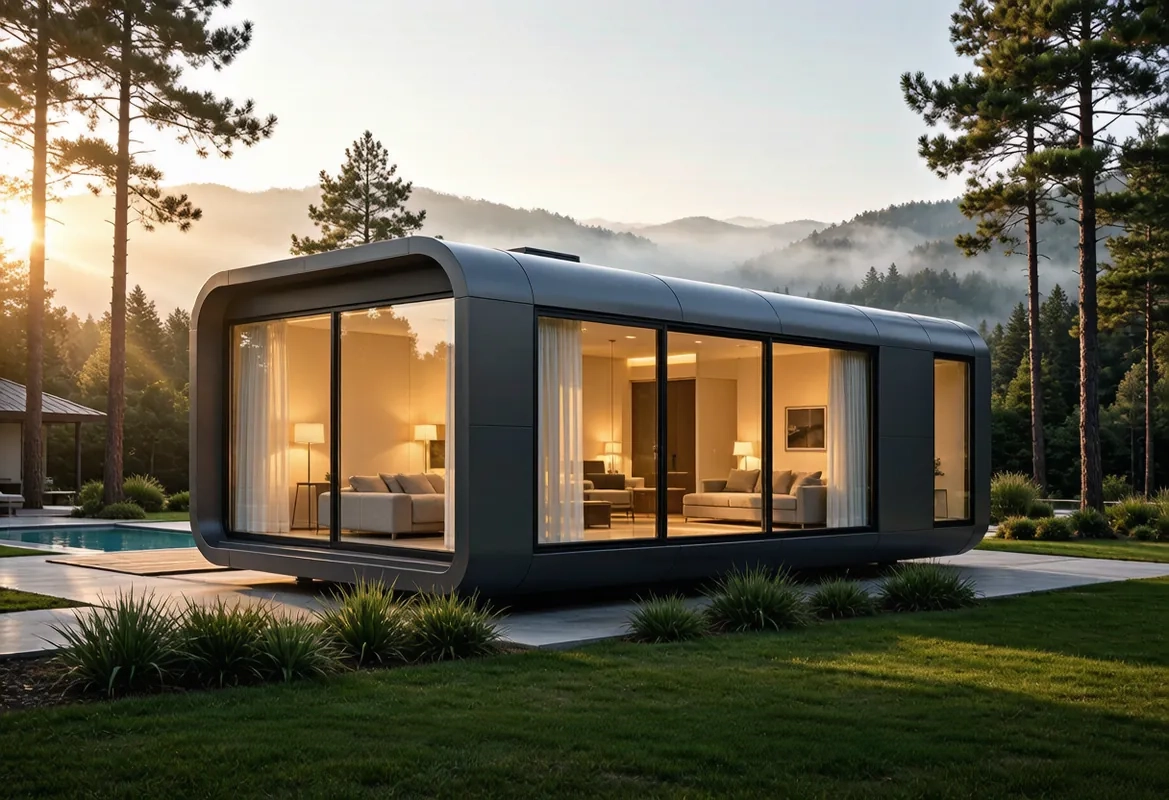
Real Owners, Real Numbers: Success Stories
How a lakeside resort, a Spanish glamping site and a Singapore dealer hit their targets.
Read stories →Talk to the Factory
Ready to Ride the 2026 Wave?
Get the latest catalog, pricing tiers and a layout sketch for your land — straight from the engineering team.