Questions to Ask Before Ordering a Capsule House
Thirty questions to ask a capsule house supplier before ordering, grouped by packing, documents, access, site readiness, responsibility and spares.

Almost every expensive surprise in a capsule house order is knowable in advance, and almost all of them are covered by a question that nobody asked. This page is that question set: thirty questions in seven groups, with the reason each matters and what a satisfactory answer sounds like. It assumes you already understand the basics of freight and installation - it does not explain them.
Group 1: Packing and Loading (5 questions)
- What are the packed dimensions and the packed weight? Why: everything downstream - vehicle, route, crane - depends on these. A good answer is a figure in writing, given before shipping is booked.
- How is the unit protected for the journey? Why: abrasion and water ingress during transit are the two most common damage types. A good answer describes materials and method, not just "export packing".
- What is removed for transport and refitted on site? Why: it changes both the packed size and the on-site work content.
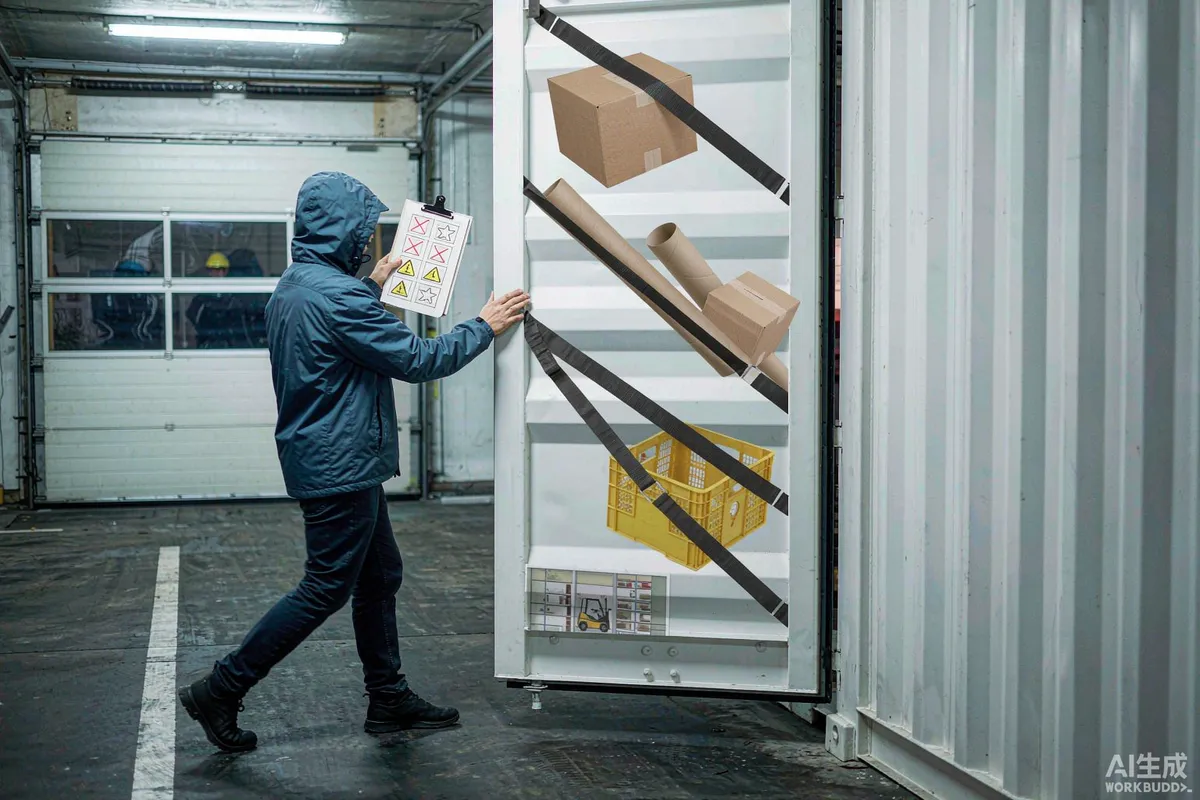
- How is it secured, and to what standard? Why: inadequate securing is a common cause of transit damage and a common cause of contested claims.
- Can I have photographs of the packed unit before dispatch? Why: this is the evidence base for any damage claim, and it costs nothing to produce.
Group 2: Documents and Customs (4 questions)
- What documents are provided, and when? Why: missing or late documents cause storage charges at the port. A good answer is a list with dates.
- What classification is used, and is it confirmed for my market? Why: classification determines duty and whether additional requirements apply. Confirm locally rather than accepting it.
- Who is the importer of record? Why: someone must be registered and able to act before the vessel arrives.
- Are there destination-specific documents required - conformity assessment, registration, or testing? Why: some markets require them, and they are not produced overnight.
Import procedures, duty treatment and any conformity requirements vary substantially between markets and change over time. Confirm the current position with a licensed broker or the relevant authority. Requirements may vary by application, market and applicable standard.
Group 3: Access and Placement (5 questions)
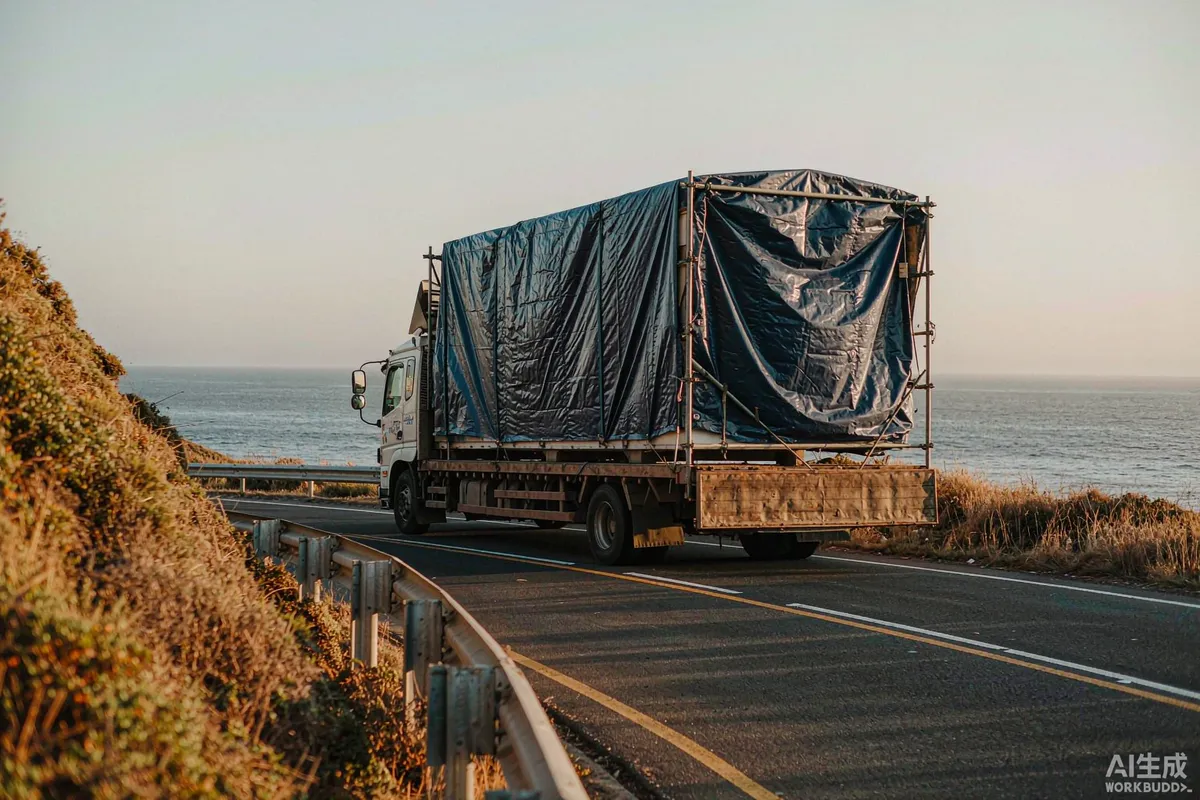
- What vehicle type does delivery require, and can it reach my site? Why: this is the question that most often has a bad answer, and it is cheapest to ask first.
- What crane capacity is required, and at what radius? Why: capacity at radius, not capacity at minimum reach.
- What are the lifting points, and are they part of the structure? Why: improvised lifting arrangements are a safety and a damage risk.
- What ground bearing does the crane need? Why: outrigger loads are significant and soft ground fails under them.
- What are the overhead clearance requirements? Why: lines and trees stop lifts more often than weight does.
Group 4: Site Readiness (4 questions)
- What foundation type does this unit require? Why: it is a local design item and it gates the whole programme.
- Where do services terminate, and on which face? Why: the site has to reach them, and they cannot be moved afterwards.
- What voltage, frequency and protection does the unit require? Why: a mismatch is discovered at commissioning, which is the worst time.
- What working clearance is needed around the unit during placement? Why: more than the final footprint.
Group 5: Responsibility (4 questions)
- What delivery term is the price based on, and where does risk transfer? Why: the single most consequential line in the contract.
- Who arranges and pays for inland transport? Why: commonly assumed by both parties to be the other.
- Who is responsible for placement, and is supervision included? Why: whether anyone technical attends changes the risk profile considerably.
- Who commissions the unit, and what does that include? Why: an uncommissioned handover produces call-backs.
Group 6: Spares and Warranty (4 questions)
- What spare parts are recommended to hold, and what do they cost? Why: a unit waiting three weeks for a gasket is losing revenue.
- Is damage in transit covered, and how is it claimed? Why: transit damage is frequently excluded from product warranty by implication.
- What is the warranty period, and what is excluded? Why: exclusions matter more than duration.
- How are technical queries handled, in which language, and in which hours? Why: time zone is a real constraint during commissioning.
Group 7: Schedule and Change (4 questions)
- What is the production slot, and what does it depend on? Why: a conditional slot is an honest answer; an unconditional one is worth probing.
- How is progress reported, and how often? Why: silence between order and dispatch is where slippage hides.
- What is the change cut-off date? Why: after this point, changes cost disproportionately.
- What happens if my site is not ready when the unit ships? Why: storage costs and, in some contracts, deemed acceptance.
How to Use the List
- Send it as part of the enquiry rather than after the quotation. The quality of the answers is itself a selection criterion.
- Insist on written answers. Verbal answers given in good faith are not a record either party can rely on later.
- Note the questions that are not answered. Silence on packing weight or on warranty exclusions is informative.
- Keep the answers with the order file. They become the reference when something is disputed.
Who Should Answer Each Group
Routing the questions correctly is half the value of the list. Misrouted questions produce confident answers from people who do not own the risk.
- Packing, documents and customs belong with the supplier's export department and your freight forwarder, jointly.
- Access and placement belong with whoever will operate the crane, and should be answered only after a site visit.
- Site readiness belongs with your local contractor or engineer, not with the factory, because the answers depend on ground conditions.
- Responsibility and warranty belong with the commercial contact, and should be answered in the contract rather than in correspondence.
- Spares belong with the supplier's after-sales function, and the answer should name part numbers rather than categories.
When to Ask Each Group
Timing matters, because some answers can still change the design and some cannot.
- Before specification is locked: access, placement and site readiness. These can change the unit's dimensions, weight and service positions.
- Before the contract is signed: packing, documents, responsibility and warranty. These are commercial terms and belong in the contract.
- Before shipment: spares, and the final confirmation of packed weight and dimensions against the booked route.
- After arrival: nothing on this list. By then the answers are observations rather than decisions.
Asking the access questions late is the most common error, and it is the one that produces crane upgrades, road closures and, occasionally, an undeliverable unit.
Recording the Answers
Verbal answers have a short half-life. Three practices make the list useful rather than decorative.
- Ask in writing and accept answers in writing. A supplier will commit to more in an email than on a call, and the email can be referred to later.
- Move the commercial answers into the contract. Anything about responsibility, warranty or documentation that is not in the contract is a preference, not an obligation.
- Keep a single version of the list with dates against each answer, so that a change can be identified as a change rather than discovered as a surprise.
See also our container transport guide for the packing and loading detail behind group 1.
The underlying topics each have their own treatment elsewhere on this site: shipping logistics, delivery access and crane planning, import, customs and duties, and freight damage claims. If you would like written answers against a specific configuration, send the destination and site details.
More from the Blog

Capsule Home Cost Guide: What You Really Pay in 2026
EXW, shipping, install and the hidden line items — a transparent breakdown of total landed cost.
Read article →
How to Install a Capsule Home in 3 Days: A Step-by-Step Guide
From site prep to first guest — the exact sequence our install crews follow on every deployment.
Read article →
Real Owners, Real Numbers: Success Stories
How a lakeside resort, a Spanish glamping site and a Singapore dealer hit their targets.
Read stories →Talk to the Factory
Ready to Ride the 2026 Wave?
Get the latest catalog, pricing tiers and a layout sketch for your land — straight from the engineering team.