Importing a Capsule Home: Duties, Documents and Who Does What
Landed cost is more than the unit price. A plain guide to Incoterms, documents, duties, port charges and the division of work between buyer, supplier and forwarder.
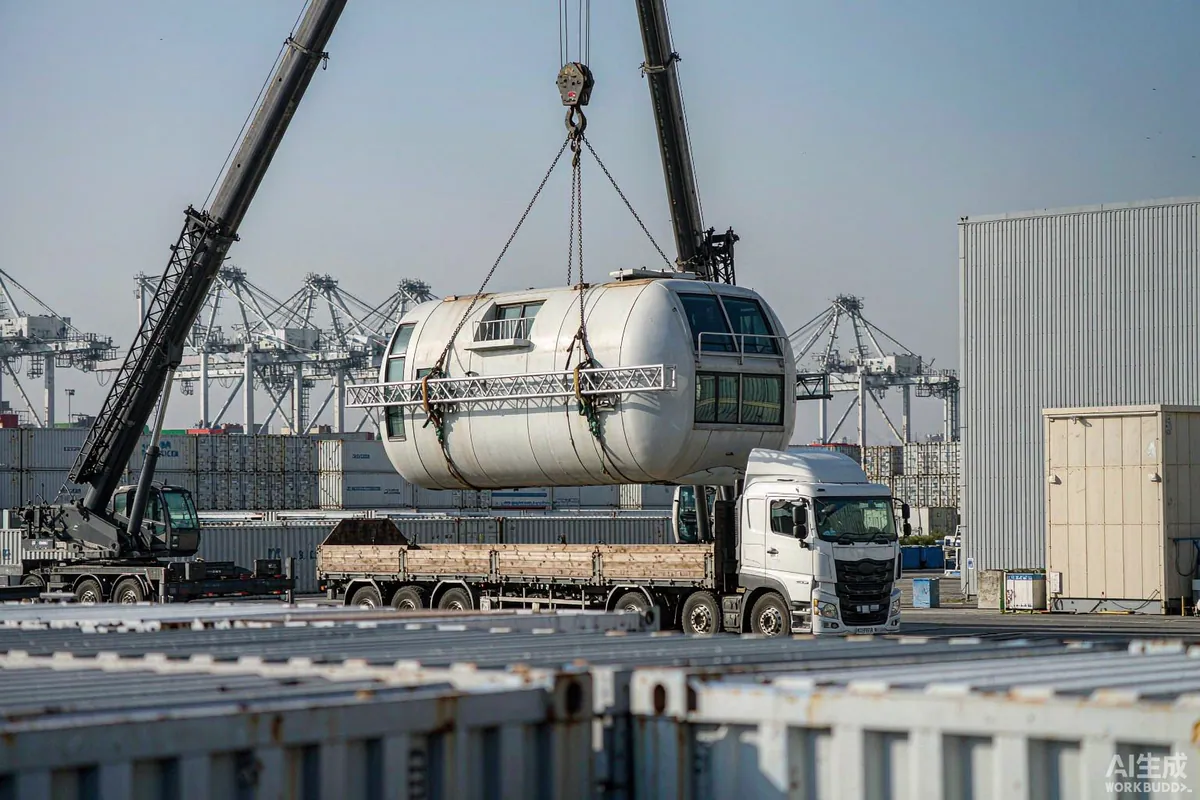
The price on the quotation is not the price you pay to get a capsule home onto your land. Landed cost is the unit price plus inland transport at origin, ocean freight, marine insurance, customs duties and import taxes, port and terminal charges, customs brokerage, inland haulage at destination, and the crane or placement work on site. Some of those lines belong to you and some to the seller, and which is which is decided by one word in the contract: the Incoterm. Read that word before you compare two quotations, because a lower price under a different Incoterm is often not lower at all.
The Short Answer
Ask for the quotation and the Incoterm together, and ask your freight forwarder for a landed-cost estimate before you commit. Under EXW you organize and pay for almost everything from the factory gate onward; under DDP the seller carries it to your door. Most first-time importers are happiest somewhere in the middle, with a forwarder they have appointed themselves handling the movement and a broker handling clearance.
Incoterms: What You Are Actually Buying
| Term | Where the seller's responsibility ends | What you take on |
|---|---|---|
| EXW (Ex Works) | At the factory, goods made available | Loading, origin haulage, export clearance, freight, insurance, import, destination haulage |
| FOB (Free On Board) | Goods loaded on the vessel at the port of export | Ocean freight, insurance, import clearance, destination haulage |
| CIF (Cost, Insurance and Freight) | Goods on board at the destination port, insured | Import clearance, duties, terminal charges, destination haulage |
| DAP (Delivered At Place) | Goods delivered at the named place, not unloaded or cleared | Unloading, import clearance and duties (depending on the agreement) |
| DDP (Delivered Duty Paid) | Goods delivered and cleared at the destination | Unloading and placement only |
None of these is universally better. EXW gives you control and more work; DDP gives you simplicity and less visibility. What matters is that you know which you have agreed, in writing, and that your budget matches it.
The Document Pack
- Commercial invoice. Describes the goods and the value used for customs purposes.
- Packing list. What is in the container, with weights and dimensions.
- Bill of lading. The transport contract and the document of title.
- Certificate of origin. Often required to determine duty treatment.
- Insurance certificate. Evidence that cargo is covered in transit.
- Import declaration. Prepared by your broker with the classification and value.
- Anything product-specific. Your market may require additional declarations for electrical equipment, glazing or treated timber. Ask your broker, not the internet.

Duties, Taxes and Classification
Every product has a customs classification, and the classification determines the duty rate. A factory-built unit can plausibly fall in more than one category depending on how complete it is, whether it is on wheels, and what the local authority considers it to be. That is not something to guess. Ask your broker for a written classification opinion with the rate that follows from it, and use that number in your budget. Duty is usually only one part of the import tax picture - value-added, sales or goods-and-services tax may apply as well, and in some markets it is recoverable by a registered business and in some it is not. Requirements may vary by application, market and applicable standard.
Port and Inland Charges People Forget
- Terminal handling. Charged at both ends, rarely in the freight quote.
- Demurrage and detention. Charged when the container sits at the terminal or the container is not returned in time. This is the charge that punishes delay.
- Customs brokerage. A modest fee that saves considerably more than it costs.
- Inland haulage. Often priced separately, and sensitive to route restrictions and permits.
- Crane and placement. Site-side, but should be planned at the same time as the freight.
- Storage. If the site is not ready, the port or a yard will charge for the wait.
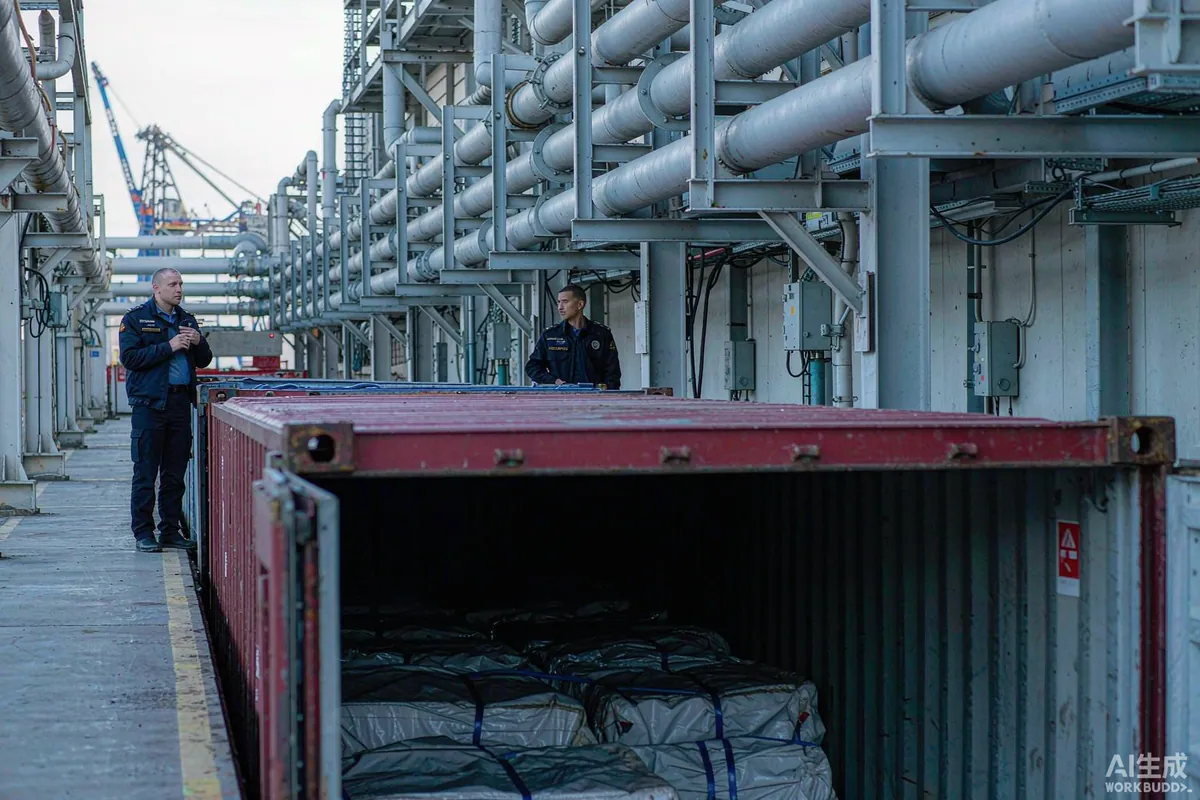
Who Does What
| Party | Responsible for | What you should confirm |
|---|---|---|
| Supplier | Building, testing and packing the unit; export documentation | That packing suits container transport and that documents are issued on time |
| Freight forwarder | Booking space, routing, tracking | That the quote includes the charges you think it does |
| Customs broker | Classification, declaration, clearance | That they have handled modular or oversize cargo before |
| Marine insurer | Cover during transit | That cover runs door to door, including the inland legs |
| Buyer | Duties, taxes, site readiness, placement | That the pad, access and crane are ready before the container lands |
Where Delays Come From
- Booking space too late, particularly before peak shipping seasons.
- Documents issued late or with details that do not match the packing list.
- Classification queries that require additional information.
- Port congestion, or an inspection that selects your container.
- Permits for oversize inland transport not applied for in time.
- A site that is not ready, which converts free time into demurrage.
Container Loading and Damage Prevention
Transport damage is the most common and most avoidable cost in this process, and it is decided at the factory. A capsule home is engineered to be packed efficiently - the dimensions work because they were designed around container transport - but efficiency only helps if the unit is properly blocked, braced and protected.
- Ask for packing photographs tied to your unit's serial reference, taken before the container is sealed.
- Confirm how the unit is braced against movement in two directions, not just how it is strapped.
- Ask about edge and corner protection on glazing and cladding, and how protruding items are handled.
- Confirm what is shipped loose inside the unit and how it is secured - loose items cause damage to the interior they are travelling in.
- Check the container condition at loading. A container with a damaged roof is a leak waiting for a voyage.
- Make sure marine insurance covers the inland legs as well as the ocean crossing.
On arrival, inspect before you sign for the delivery if you can, photograph any damage to the container or the packaging before unloading, and note exceptions on the delivery document rather than discovering the problem after the truck leaves.
A Cost-Control Checklist
- Get the quotation and the Incoterm at the same time, and compare like with like.
- Ask a forwarder for a written landed-cost estimate including terminal charges.
- Get a written classification and duty opinion from a broker before you ship.
- Confirm in writing who pays demurrage if the site is not ready.
- Book inland haulage and crane at the same time as the vessel, not after it sails.
- Keep a contingency line for inspection, storage and re-delivery.
Timing the Order Against the Shipping Calendar
Freight pricing and vessel availability move with the shipping calendar, and two periods reliably cause difficulty: the surge before major manufacturing holidays in the country of origin, and the peak season for the trade lane you are using. Book space earlier than feels necessary. A unit finished two weeks before its vessel is a storage problem at the factory; one finished two weeks late is a rebooking charge and a slipped site programme.
Work backwards from the date you need the unit on the ground, and add realistic allowance for production, inland transport to port, customs and loading at origin, the voyage itself, destination clearance and inland haulage. Then add a buffer you do not spend. First-time importers almost always underestimate the origin-side legs, because those are the ones nobody discusses until something goes wrong.
The Takeaway
Importing is not difficult, but it is unforgiving of assumptions. The three questions that prevent most cost surprises are: which Incoterm, what classification, and is the site ready on the day the container lands. Answer those before production finishes and the rest is administration.
More from the Blog

Capsule Home Cost Guide: What You Really Pay in 2026
EXW, shipping, install and the hidden line items — a transparent breakdown of total landed cost.
Read article →
How to Install a Capsule Home in 3 Days: A Step-by-Step Guide
From site prep to first guest — the exact sequence our install crews follow on every deployment.
Read article →
Real Owners, Real Numbers: Success Stories
How a lakeside resort, a Spanish glamping site and a Singapore dealer hit their targets.
Read stories →Talk to the Factory
Ready to Ride the 2026 Wave?
Get the latest catalog, pricing tiers and a layout sketch for your land — straight from the engineering team.