How Capsule Homes Are Shipped: Container Loading and Freight Basics
From factory to site - how capsule homes are packed, loaded and shipped, and which freight terms and checks protect your budget.
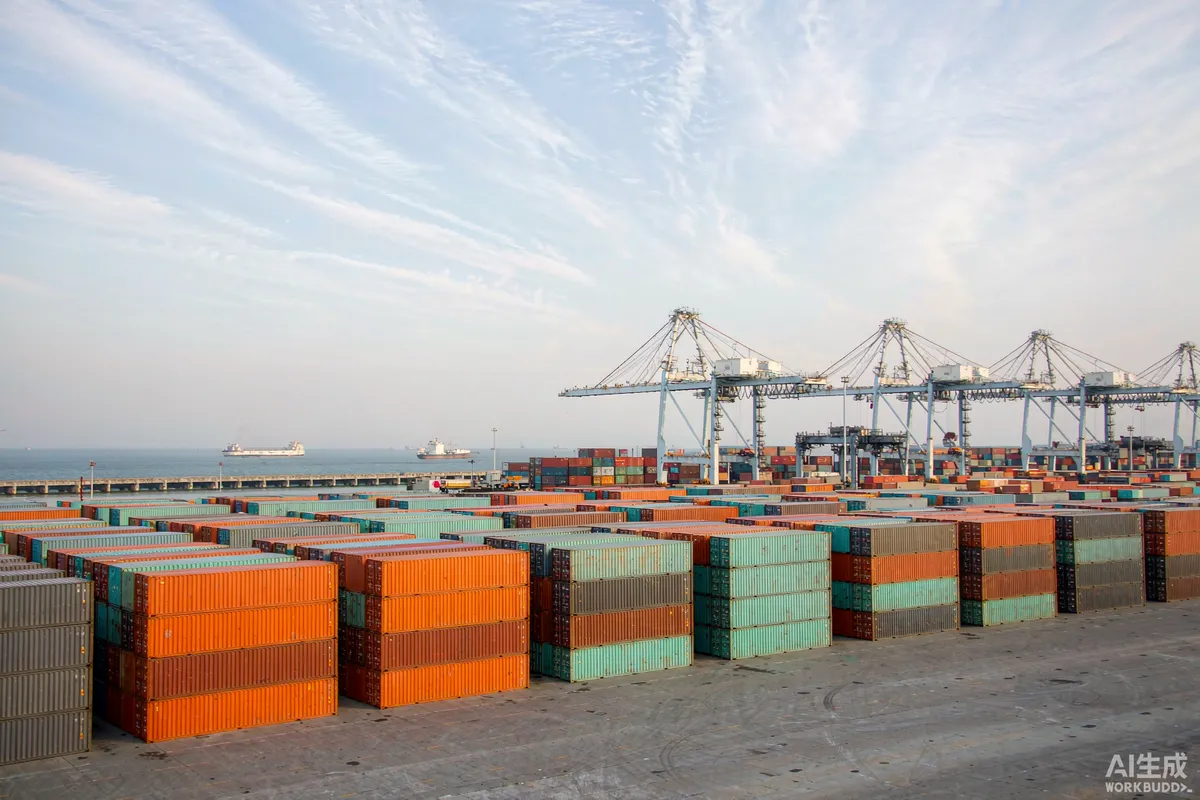
Freight is the line item that most often surprises first-time buyers. A capsule home is a large, awkward, high-value object, and getting it from a factory to a hillside plot involves packing, port handling, ocean freight, inland transport and a crane. Understanding where the cost and risk sit is the difference between a smooth delivery and an expensive one.
How Units Are Packed
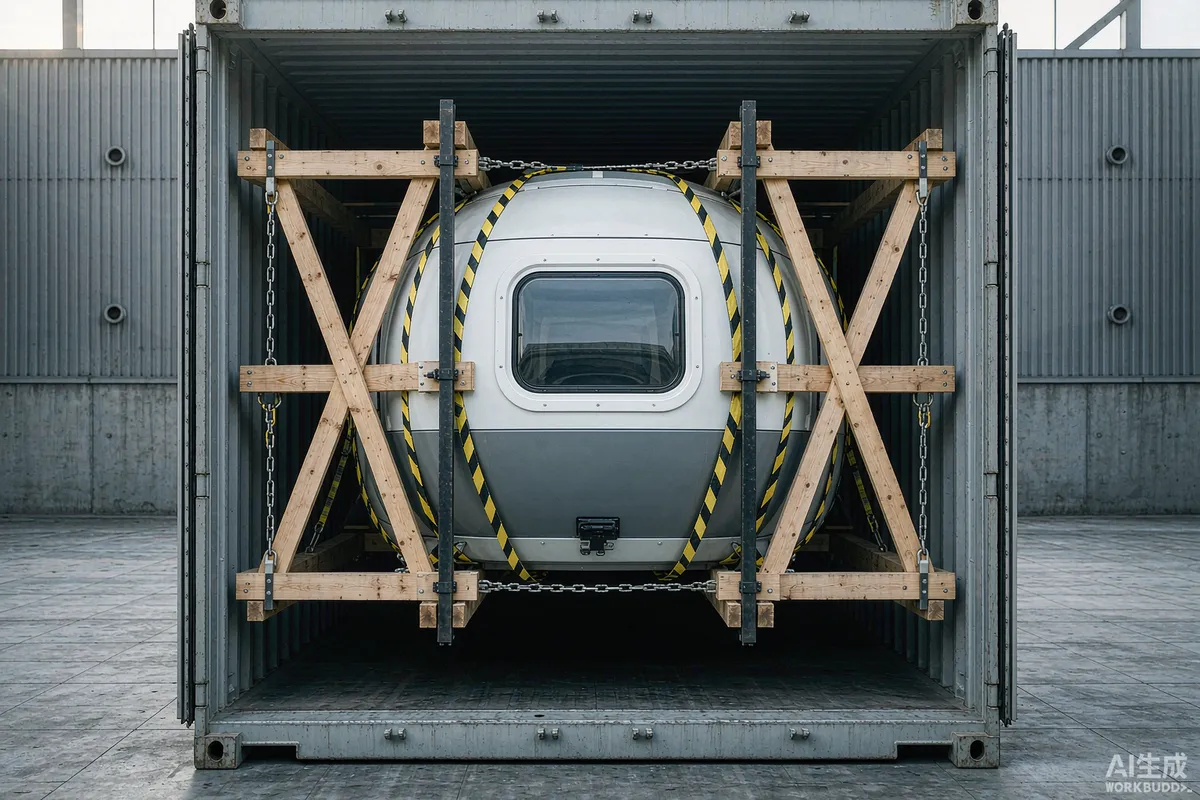
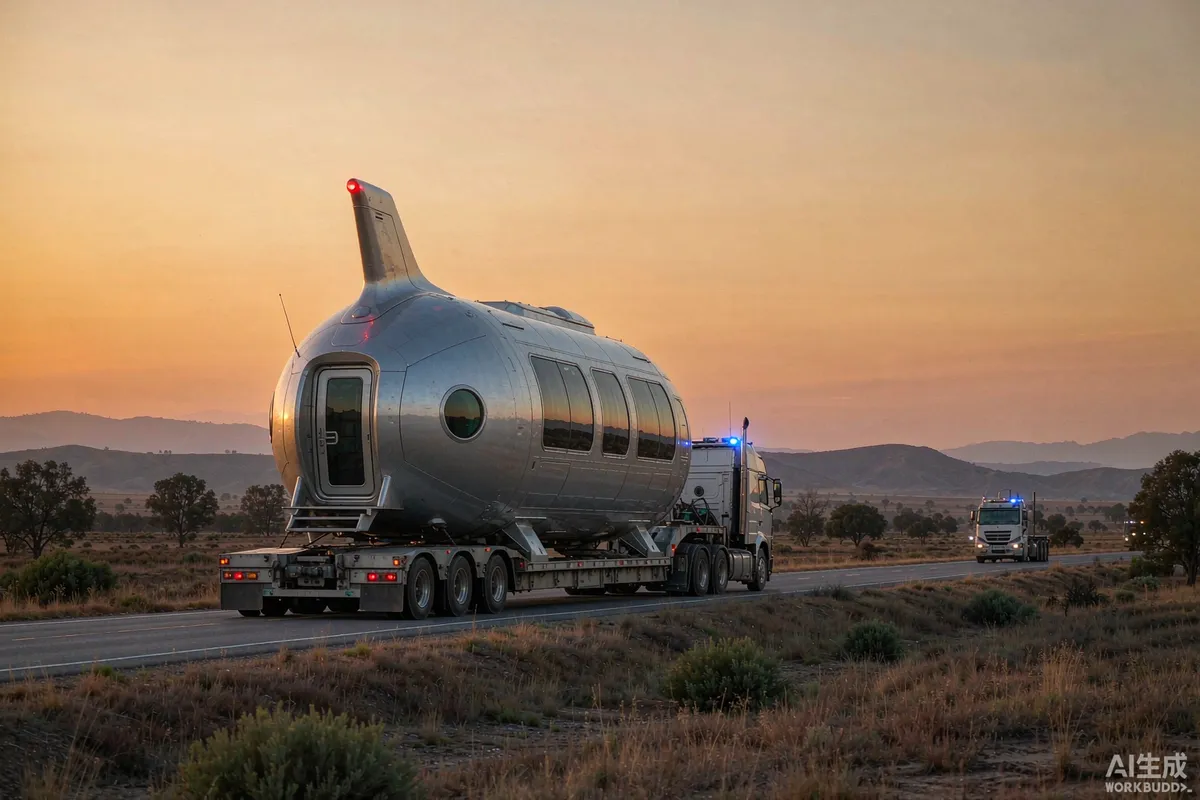
Most capsule homes ship either as complete units or as a small number of modules. Complete single-deck units can often be loaded into standard containers, which is the cheapest method. Larger or double-deck units usually exceed container dimensions and travel as out-of-gauge break-bulk cargo on a flat rack or flatbed.
The number of units that fit into one container is a genuine cost driver, because freight is largely charged per container rather than per unit. Ask your supplier how many units fit per container for the model you want - that ratio moves your landed cost more than a small change in unit price.
Container vs Out-of-Gauge
| Method | Typical use | Cost profile | Risk notes |
|---|---|---|---|
| Containerised | Compact single-deck units | Lowest per unit | Protected from weather and handling |
| Flat rack / open top | Taller or wider units | Higher | Exposed, needs careful lashing |
| Break-bulk | Large double-deck units | Highest | Most handling, needs route survey |
| Domestic flatbed | Inland delivery from port | Variable by distance | Route clearance critical |
Freight Terms: Know Who Pays for What
International shipping uses standardised terms that define exactly where cost and risk transfer from seller to buyer. The two you will meet most are EXW, where the buyer collects from the factory and handles everything, and FOB, where the seller delivers the goods onto the vessel. Under EXW the buyer takes on more responsibility - including export formalities - and a lower headline price can hide a much larger workload.
Lead Time Is Made of Several Parts
Total delivery time is production time plus inland transport to port, port handling, ocean transit, customs clearance and final delivery. Any one of these can slip. Ask which portions your supplier controls and which are outside their influence, and build contingency into your opening date rather than assuming the fastest case.
Pre-Shipment Checks Worth Insisting On
- Loading photographs showing the unit secured before the container or vessel is sealed.
- Packing list itemising every component, fixture and spare part.
- Dimension and weight confirmation for your route survey and crane sizing.
- Export documentation matched to your country's import requirements.
- Insurance covering transit, because standard carrier liability is usually limited.
The Last Mile Is Often the Hardest
Getting a unit from the port to a rural or elevated plot can cost more than the ocean freight. Narrow roads, low bridges, soft ground and limited crane access all add cost. Before ordering, walk the route with your dimensions in hand - or have a local haulier assess it.
Protecting Your Budget
Get freight quoted as a separate line, confirm the term in writing, and ask what happens if a unit is damaged in transit. A clear answer on those three points is worth more than a small discount on the unit price. Requirements may vary by application, market and applicable standard.
More from the Blog

Capsule Home Cost Guide: What You Really Pay in 2026
EXW, shipping, install and the hidden line items — a transparent breakdown of total landed cost.
Read article →
How to Install a Capsule Home in 3 Days: A Step-by-Step Guide
From site prep to first guest — the exact sequence our install crews follow on every deployment.
Read article →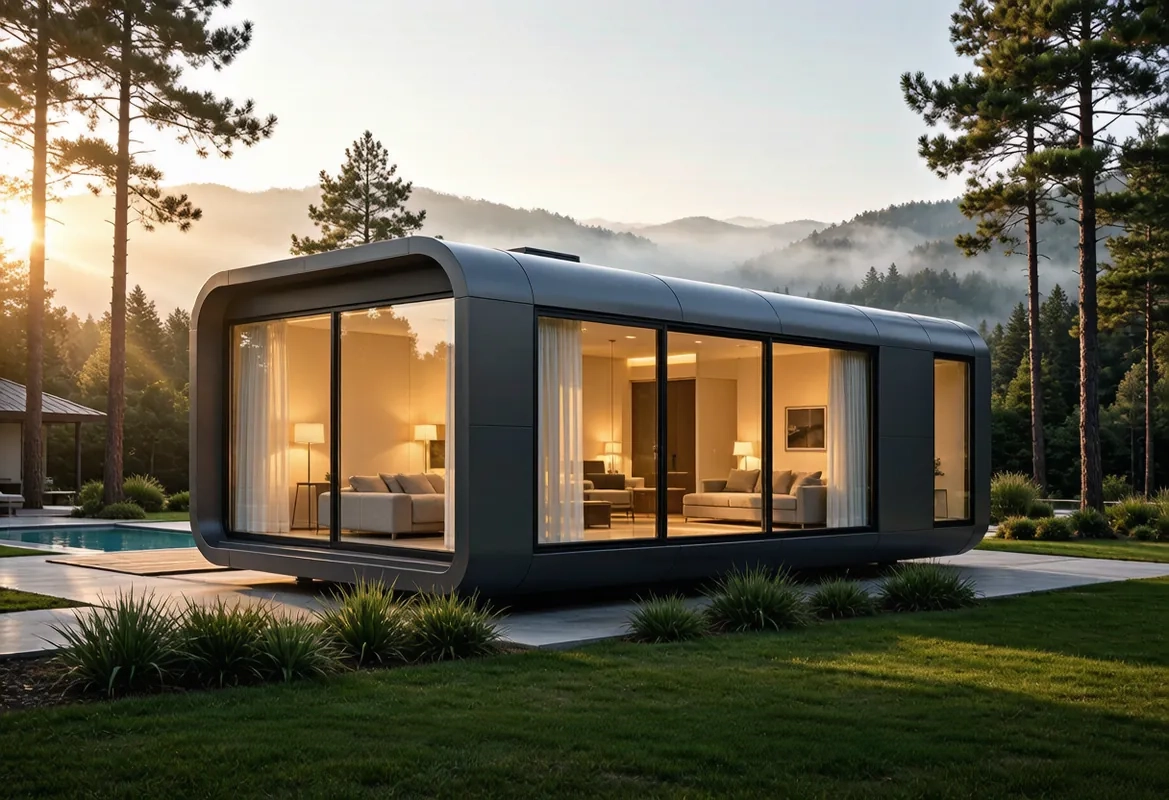
Real Owners, Real Numbers: Success Stories
How a lakeside resort, a Spanish glamping site and a Singapore dealer hit their targets.
Read stories →Talk to the Factory
Ready to Ride the 2026 Wave?
Get the latest catalog, pricing tiers and a layout sketch for your land — straight from the engineering team.