Freight Damage and Transit Claims for a Capsule Home: How to Protect Yourself
Most capsule home transit damage is preventable or recoverable. Here is how to document, inspect and claim before the window closes.

A capsule home can travel thousands of kilometres by truck, ship and crane before it reaches your site. Most of that journey is uneventful, but the small percentage that is not becomes your problem the moment you sign a clean delivery receipt. The good news is that transit damage is both largely preventable and, when it happens, usually recoverable - provided you know who is responsible at each leg and you create the evidence while it is still fresh.
The short answer: decide which party carries risk at each stage before shipping, photograph the unit at every handover, inspect before you sign, and note any damage on the delivery document itself rather than in a later email. A claim without a documented handover condition is a claim that will be declined.
Who Is Liable, and When
Liability in a shipment is not continuous - it changes hands at defined points. The commercial terms you agree in the contract determine where those points sit.
| Stage | Typically responsible | What to confirm |
|---|---|---|
| Factory to port of loading | Seller or nominated carrier, depending on terms | Where the risk transfers under your delivery term |
| Loading and stowage in container | The party responsible for loading | Whether loading is supervised and photographed |
| Ocean or road carriage | Carrier, subject to liability limits | Carrier's limits and whether cargo insurance is in place |
| Port handling and storage | Terminal or onward carrier | Who bears risk while the unit sits at port |
| Final delivery and unloading | Delivering carrier, or buyer if self-collected | Whether unloading is included and who operates the crane |
Ask the seller to state, in writing, the delivery term being used and where risk transfers. That single line determines who you claim against, and buyers are often surprised by the answer.
Insurance: Two Different Policies
Carrier liability and cargo insurance are not the same thing, and neither is optional in practice.
- Carrier liability is limited by convention and by the carrier's terms - often by weight rather than by value.
- Cargo insurance covers the value of the goods and is arranged separately, by you or by the seller depending on the delivery term.
- Confirm the insured value - is it the unit price only, or does it include freight and duty?
- Confirm the deductible and who pays it.
- Confirm the covered perils and, importantly, the exclusions - inadequate packing is a common one.
- Confirm the survey requirement - many policies require immediate notice and a survey.
If the seller arranges insurance, ask for the certificate before shipment and read it. Finding out after a loss that cover was arranged on the wrong basis is the worst version of this problem.
Packing and Loading: Where Damage Is Prevented
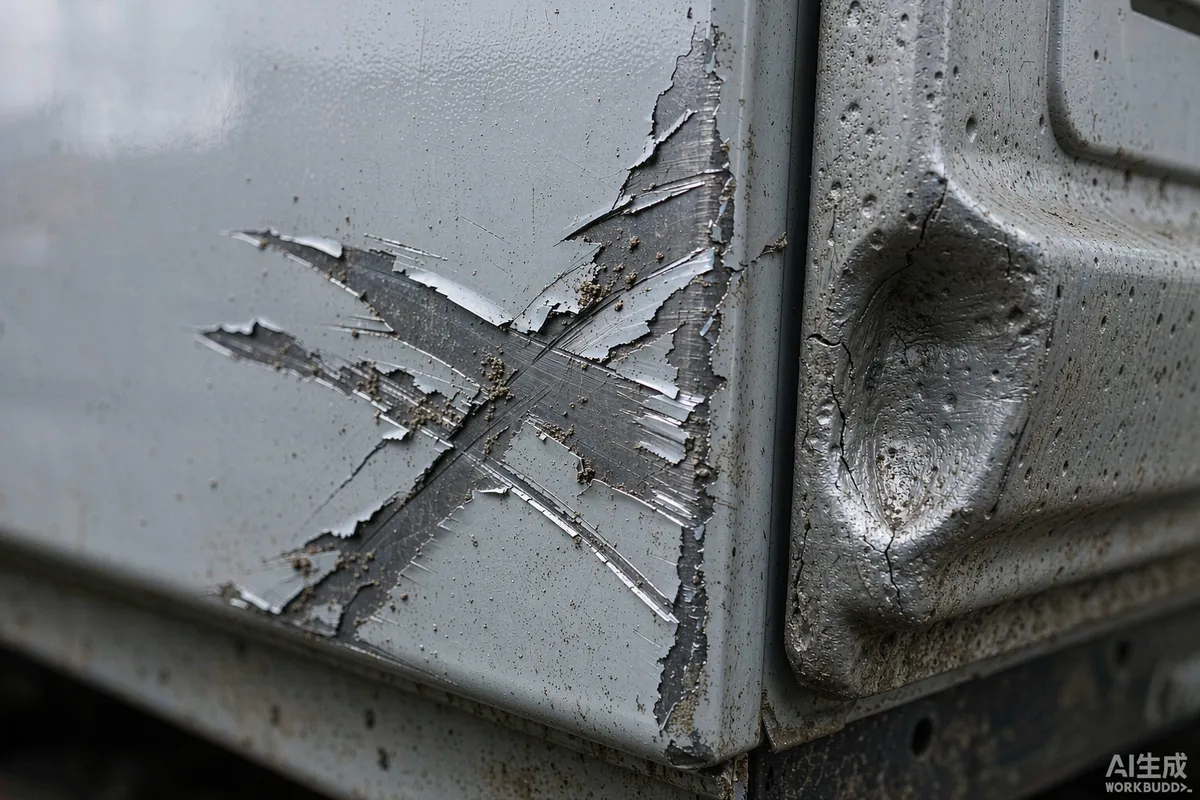
Most transit damage traces back to how the unit was packed, restrained or handled - not to the sea state. These are the checks worth insisting on before the container is sealed.
- Restraint - the unit must be secured against movement in all directions, not merely placed.
- Dunnage and blocking - load spread where straps or timbers bear on the structure.
- Protection at contact points - corner castings, panel edges and glazing.
- Moisture control - desiccants and a sealed container for a long voyage.
- Load distribution - weight within limits and reasonably distributed.
- Photographs of the packed container before closing, and of the seal number.
Ask the factory for the packing photographs and the container and seal numbers as part of the pre-shipment document set. It costs nothing and it is the baseline evidence for anything that follows.
At Delivery: The Five Minutes That Decide the Claim
- Check the seal - is the number the one you were given, and is it intact?
- Photograph before opening - the container, the seal, the doors.
- Photograph immediately on opening - before anything is moved or unpacked.
- Inspect systematically - corners, panel edges, glazing, roof, base, doors and any protruding element.
- Note damage on the delivery receipt itself, in writing, before signing - or sign under protest.
- Notify all relevant parties in writing the same day - seller, carrier, insurer.
The delivery receipt is the single most important document in a claim. A clean signature followed later by photographs is the weakest possible position, however good the photographs are.
Building a Claim File
- Commercial invoice, packing list and bill of lading or waybill.
- Container and seal numbers, with photographs.
- Pre-shipment packing photographs from the factory.
- Delivery receipt with the damage noted, or the protest wording.
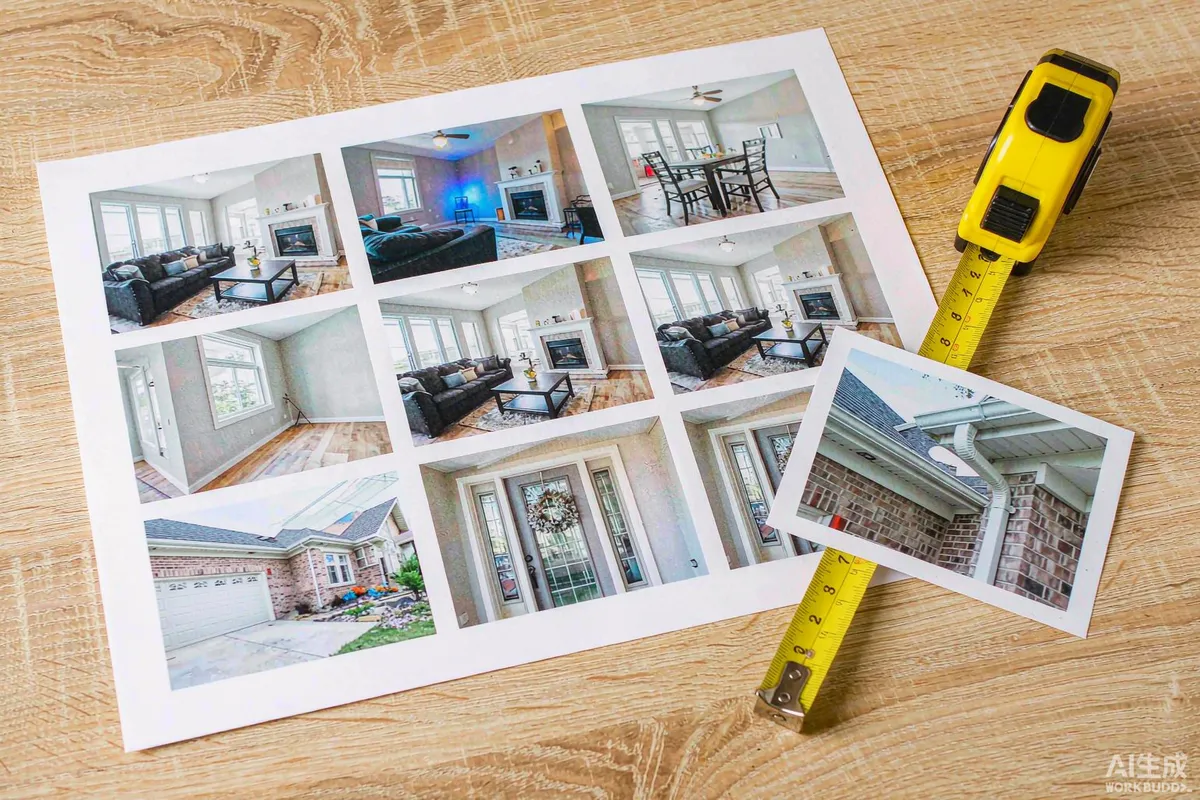
- Dated photographs of the damage, wide and close, in good light.
- A written description: what is damaged, where, and how extensive.
- Any survey report the insurer requires.
- A repair estimate or quotation from a competent repairer.
- Correspondence with all parties, kept in one thread.
Keep the damaged item available for inspection until the insurer or carrier releases it. Repairing immediately is understandable but can remove the evidence a surveyor needs.
Cosmetic Damage Versus Structural Damage
Not every mark is a claim. Separating the two saves time and keeps credibility for the cases that matter.
- Cosmetic - paint scuffs, minor panel marks, trim damage. Usually repairable on site; claim the repair cost.
- Functional - a door that will not close, damaged glazing, a seal displaced. Affects use; repair before occupancy.
- Structural - deformed frame, cracked welds, damaged lifting or corner castings. Do not install the unit; get it assessed in writing first.
If a lifting point or a structural member is damaged, stop. A unit that cannot be lifted safely is a safety issue before it is a commercial one, and it should be assessed by a competent person before anyone attempts to move it.
Mistakes That Lose Claims
Most declined claims fail on procedure rather than on merit. These are the errors that appear again and again:
- Signing a clean delivery receipt and reporting damage later. This is the single most damaging mistake.
- Notifying the insurer but not the carrier, or the reverse. Notify everyone in writing.
- Missing the notice deadline in the carriage contract or policy.
- Photographing after the unit has been moved, so the damage cannot be tied to the transit leg.
- Repairing before inspection, which removes the evidence a surveyor needs.
- Claiming cosmetic damage as structural, which undermines credibility for the parts of the claim that matter.
- Not keeping a single thread of correspondence, so nothing can be reconstructed later.
Whose Paperwork Applies
Notice periods, liability limits and claim procedure depend on the contract of carriage, the delivery term and the applicable convention or law for that leg. Some regimes impose very short notice deadlines, measured in days. Requirements may vary by application, market and applicable standard. Read the carriage contract and the insurance policy before shipping rather than after the incident, and diarise the notice deadlines as soon as you have a shipping date.
A Simple Pre-Shipment Checklist
- Delivery term and risk transfer point confirmed in writing.
- Insurance certificate received, value and exclusions checked.
- Packing photographs and seal number requested.
- Unloading responsibility and crane arrangement confirmed.
- Someone present at delivery with a camera and authority to note damage.
- Insurer's notice deadline known before the ship sails.
Do those six things and the vast majority of transit problems become administrative rather than financial. Transit damage is real, but it is one of the more manageable risks in buying a factory-built unit - provided the paperwork is done before it is needed.
More from the Blog

Capsule Home Cost Guide: What You Really Pay in 2026
EXW, shipping, install and the hidden line items — a transparent breakdown of total landed cost.
Read article →
How to Install a Capsule Home in 3 Days: A Step-by-Step Guide
From site prep to first guest — the exact sequence our install crews follow on every deployment.
Read article →
Real Owners, Real Numbers: Success Stories
How a lakeside resort, a Spanish glamping site and a Singapore dealer hit their targets.
Read stories →Talk to the Factory
Ready to Ride the 2026 Wave?
Get the latest catalog, pricing tiers and a layout sketch for your land — straight from the engineering team.