Prefab Cabins for Resorts: Spec and Cost Guide
Prefab cabins for resorts: the specification parameters to fix before quoting, the cost structure behind them, and how to evaluate suppliers.
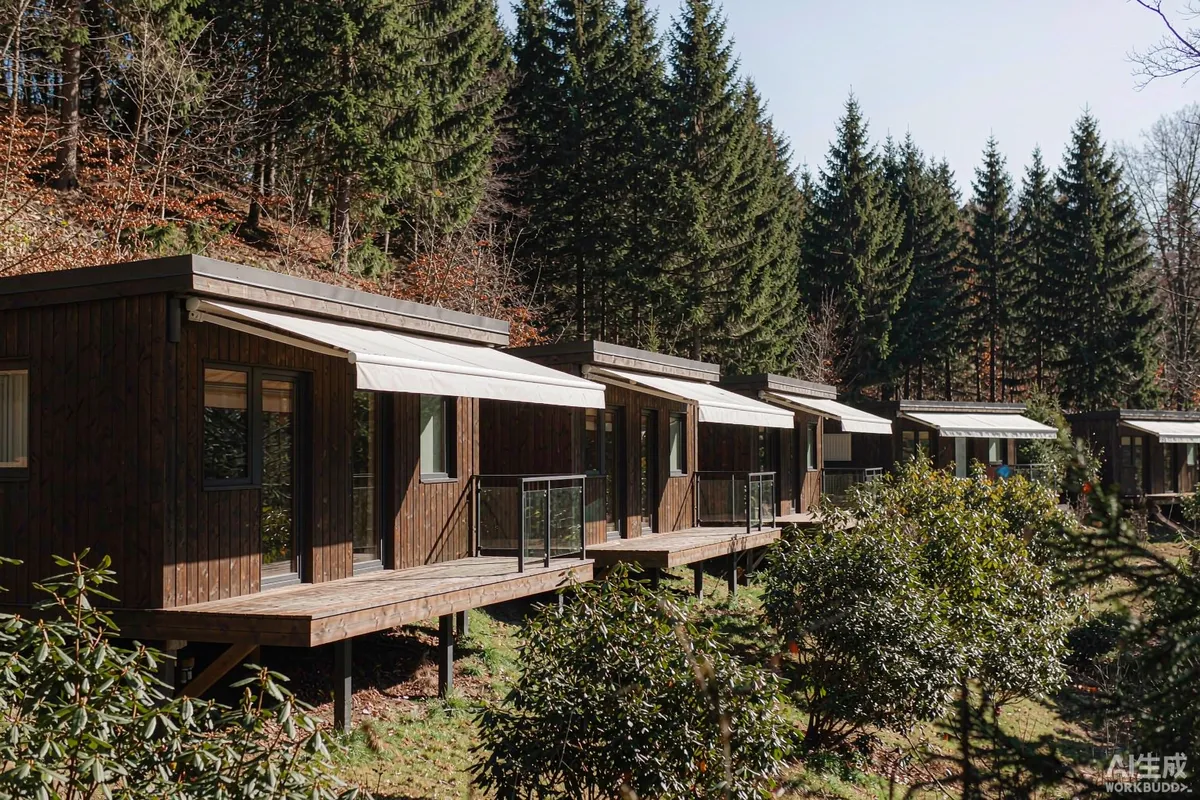
Prefab cabins are bought by resorts for one of three reasons: speed to opening, cost predictability, or the ability to build where conventional trades and materials are hard to get. All three are real, and all three are lost if the specification is left open until the price is agreed. This page is written for resort developers, operators and procurement teams specifying factory-built cabins in quantity. It sets out what to fix before you ask for a price, how the cost is structured, what happens at delivery, and how to evaluate a supplier. Current models are on the product pages. Requirements may vary by application, market and applicable standard.
Where Prefab Cabins Fit in a Resort
The term covers a range of products, and the range matters because the specification and the price follow the use.
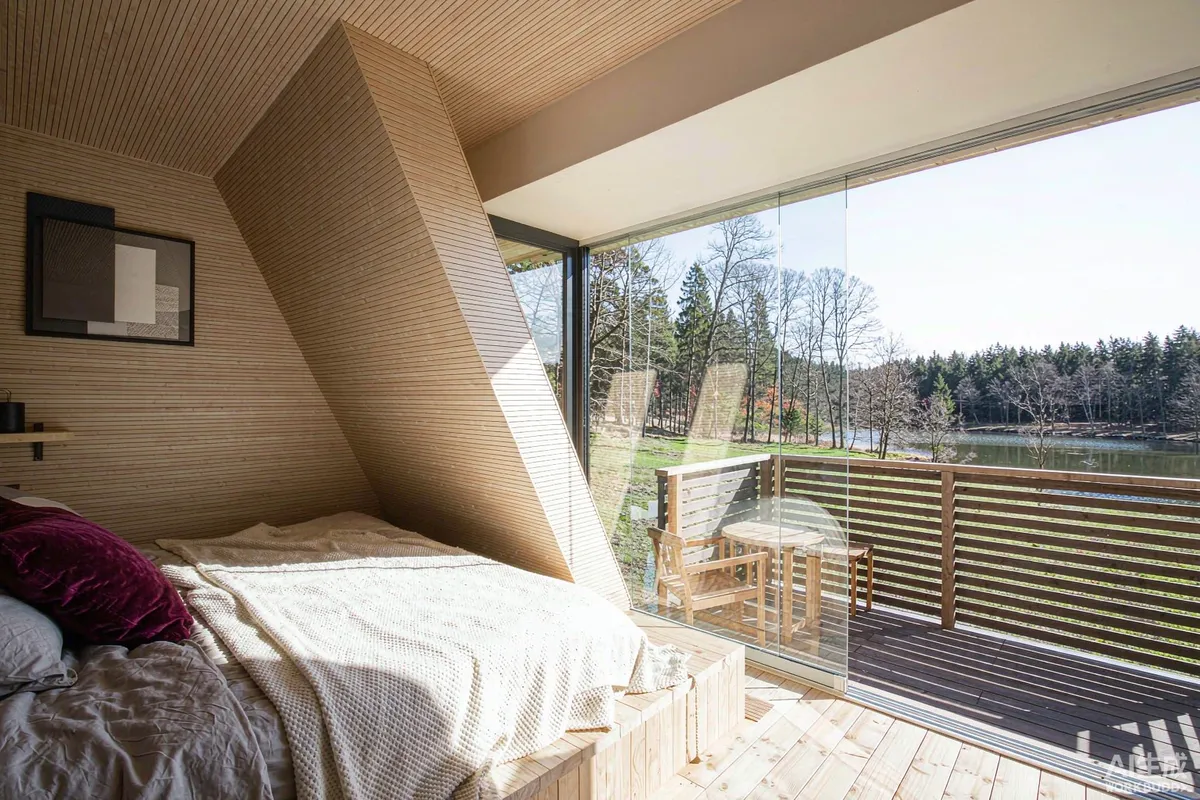
- Guest keys. The largest and most specification-sensitive category: the unit is the product the guest buys, so glazing, thermal comfort, acoustics and finishes carry weight.
- Staff and back-of-house. Simpler fit-out, higher density, and durability matters more than appearance.
- Reception, F&B and activity spaces. Larger spans and different servicing; sometimes better delivered as a separate modular building type than as a repeated cabin.
- Seasonal or overflow capacity. Bought for deployability and for the ability to add and remove units as demand changes.
Decide which of these you are buying before you start comparing products. A cabin specified for guest use and a cabin specified for staff use are not the same item, and comparing them on price alone produces the wrong answer.
Specification Parameters to Fix Before Quoting
| Parameter | What to state | Why it changes the price |
|---|---|---|
| Model and footprint | Model reference, deployed dimensions, occupancy | Primary driver of material, freight and crane class |
| Structure and envelope | Frame, wall build-up, cladding, roof system | Determines durability and transport weight |
| Thermal package | Insulation build-up, target performance, design indoor condition | Drives both price and the operating energy cost |
| Glazing | Area, build-up, coatings, frame system, opening types | Major cost and thermal item; also a safety item |
| Wet areas | Bathroom configuration, waterproofing method, sanitaryware | The most common source of defects in factory-built units |
| MEP | Cooling and heating provision, water heating, lighting, controls, connected load | Sizing follows the climate and the occupancy pattern |
| Interior fit-out | Finish schedule, joinery, appliances, furniture, soft furnishings | Widest cost spread between suppliers |
| Transport envelope | Shipping dimensions, weight, folding or expanding provision | Decides freight mode and access requirements |
| Service life and maintenance | Coating system, inspection intervals, spare parts availability | Determines the ten-year cost, not the purchase cost |
A specification document with these nine items filled in will produce comparable quotations. One without them will produce numbers that differ for reasons nobody can explain.
How the Cost Is Structured
Four blocks, and the order matters because the later ones are where budgets break.
- Production - the unit itself, priced against the frozen specification. This is the number suppliers quote first and the one most easily compared.
- Logistics - origin haulage, ocean freight, insurance, port handling, clearance, duty and tax, inland transport. Freight mode follows from the transport envelope, so a design decision made months earlier is being paid for here.
- Site works - ground investigation, foundation or piers, cranage, placement, anchoring, sealing and commissioning.
- Services - power, water, wastewater, external lighting, access roads, landscaping, and the approvals that come with them.
Two levers move the total more than negotiation does. The first is standardisation: identical units cost less per unit than variations, and they are cheaper to operate and to hold spares for. The second is the delivery term: a price to the factory gate and a price delivered and placed on prepared foundations are different products. Always ask which one you have been given. Cost structure generally is set out in our capsule house price guide; transport lines in the shipping cost guide.
Transport Envelope and Installation
The same unit can be cheap to ship and expensive to install, or the reverse, and the difference is decided by the design.
- Units that ship within container dimensions move at containerised rates with widely available equipment.
- Units that fold or expand can offer a larger deployed footprint at containerised freight cost, at the price of a deployment operation on site.
- Oversize units travel as out-of-gauge or flat rack cargo with equipment surcharges and a route survey.
- Installation needs planning: access width and gradient, ground bearing under the crane, weather windows, and a crew briefed on the sequence.
Access, cranage and route survey are covered in our delivery and crane access guide, and foundation preparation in the foundation and site prep guide.
Compliance, Documentation and Verification
Compliance is a local obligation and it is the buyer's, not the manufacturer's. What a manufacturer can do is supply the evidence that makes a local submission possible.
- Drawings and specifications in a form a local engineer can work from.
- Structural basis and the anchoring interface, so that the foundation can be designed for the site.
- Material declarations for the performance claims made, including thermal and fire behaviour where required.
- Certificates where a scheme applies - to be requested from the supplier and verified with the issuing body, not assumed to exist.
- Manuals, spare parts list and maintenance schedule in a language the operating team can use.
Local building, fire and occupancy requirements apply to the installation regardless of where the cabin was made. Confirm the applicable set with a licensed local professional for your site and use. Requirements may vary by application, market and applicable standard.
Evaluating Suppliers
| Criterion | What to ask | Evidence to request |
|---|---|---|
| Specification clarity | Can they quote against your nine parameters? | A completed specification response, not a brochure |
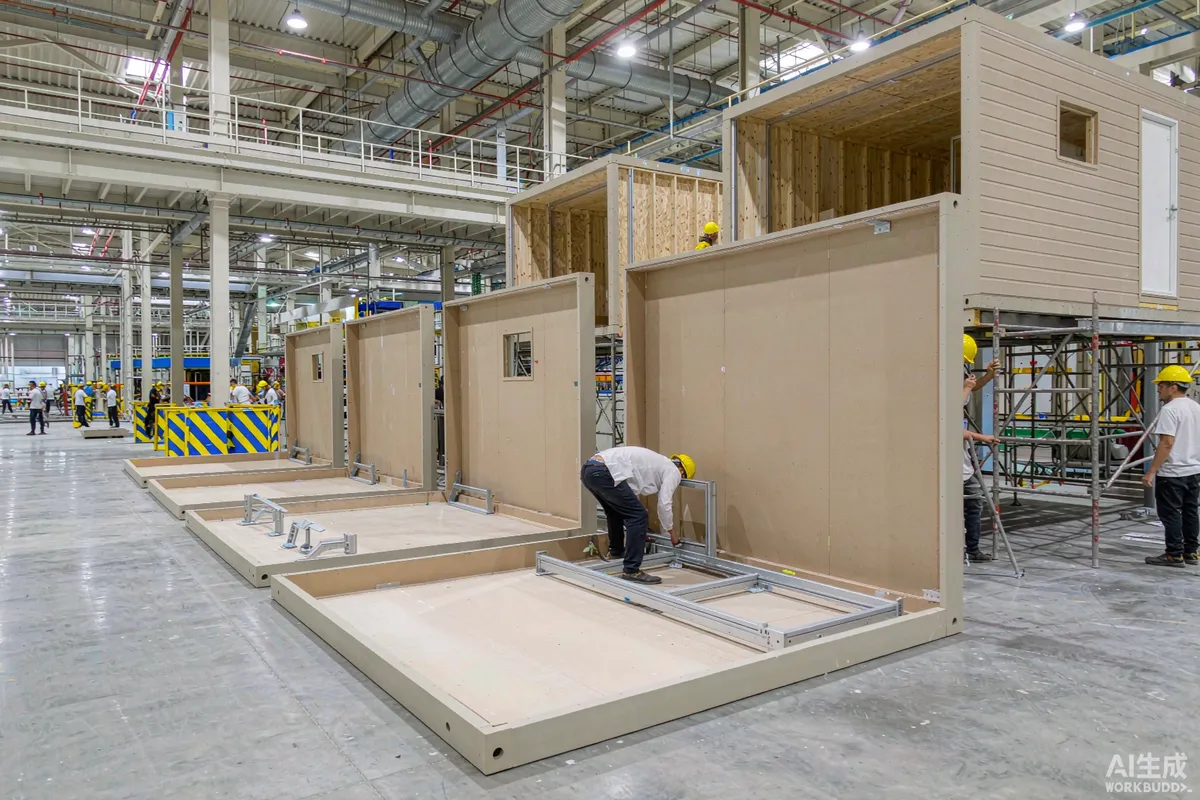
| Production transparency | Can you see the line, and progress during build? | Photographic progress reports against milestones |
| Export experience | Have they shipped to your market and delivery basis? | Packing method, shipping references, documentation samples |
| Installation support | What is included, and who signs off commissioning? | Scope statement and handover checklist |
| After-sales | Spare parts lead time and warranty terms in writing | Parts list, warranty document, response commitment |
| Claims discipline | How are shortages and transit damage handled? | A written claims procedure with time limits |
Specification Gaps That Cause Disputes
Most disagreements between resort buyers and cabin suppliers are not about quality. They are about items that neither party wrote down.
- Furniture and soft furnishings. Whether they are included, delivered loose or fitted decides both the price and the installation scope.
- Appliances and their ratings. Supply voltage and frequency at the destination are a buyer input; equipment supplied against the wrong conditions is a buyer problem.
- Curtains, blinds and insect screens. Small items, routinely omitted, and immediately visible to guests.
- External steps, decks and thresholds. Usually site-built and frequently unallocated between the parties.
- Service connection points. Where the unit expects power and water to arrive determines the site work on both sides.
- Spare parts and consumables in the first shipment - seals, filters, fixings and touch-up materials. Waiting three months for a gasket is avoidable.
- Documentation language and format. Manuals the operating team cannot read are documentation in name only.
Put these in the specification as explicit line items with an owner for each, even where the answer is "not included". An explicit exclusion is not a dispute waiting to happen; an unstated one is.
Phasing a Rollout
- Pilot phase. One or two units delivered early to resolve specification, permitting and installation questions at small scale.
- First tranche. Enough units to open and start trading, with the operating manual and maintenance regime in place.
- Stabilisation. Measure actual energy, water and housekeeping cost per occupied night against the assumption; correct the specification if needed.
- Rollout. Repeat the corrected specification at volume, where standardisation now pays.
The pilot is not an optional extra on a first project. It is the cheapest way to find out whether the specification suits the site before twenty units are committed to it.
Pod-style layouts are covered in our glamping pods guide. Current models are on the product pages; to request a specification review and quotation, send the site, the unit count and the intended use.
More from the Blog

Capsule Home Cost Guide: What You Really Pay in 2026
EXW, shipping, install and the hidden line items — a transparent breakdown of total landed cost.
Read article →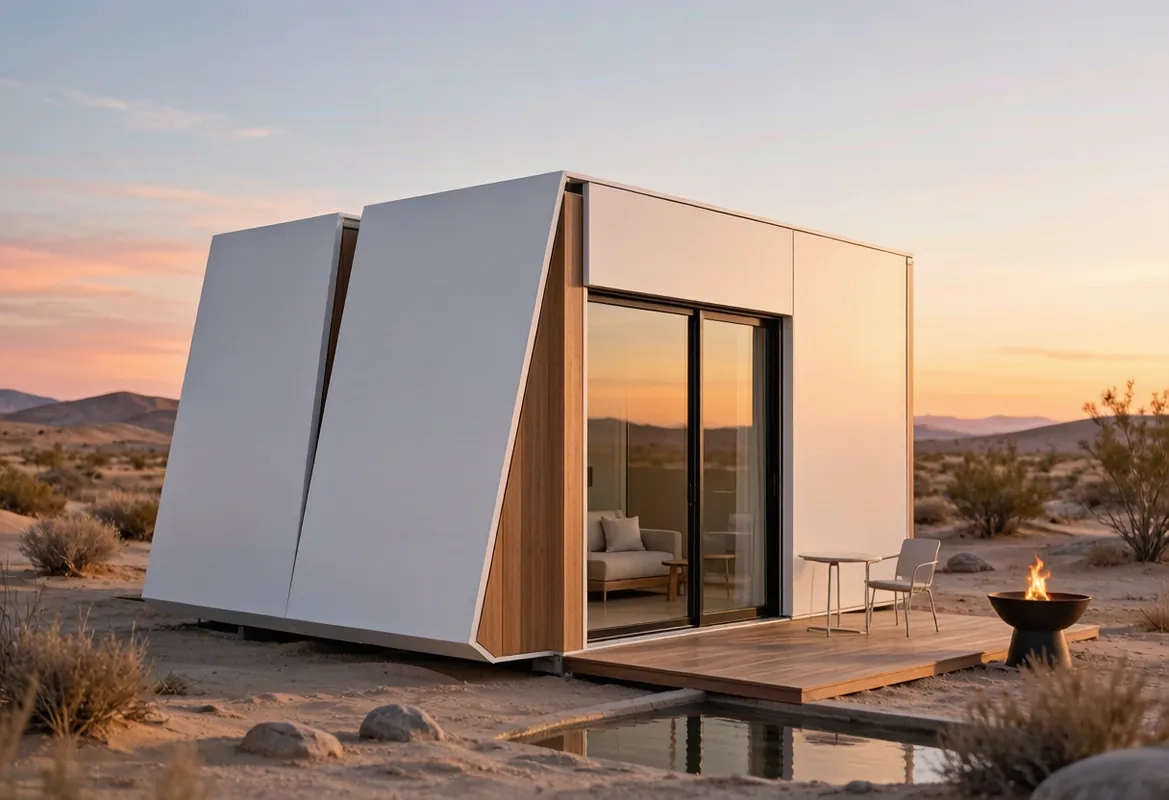
How to Install a Capsule Home in 3 Days: A Step-by-Step Guide
From site prep to first guest — the exact sequence our install crews follow on every deployment.
Read article →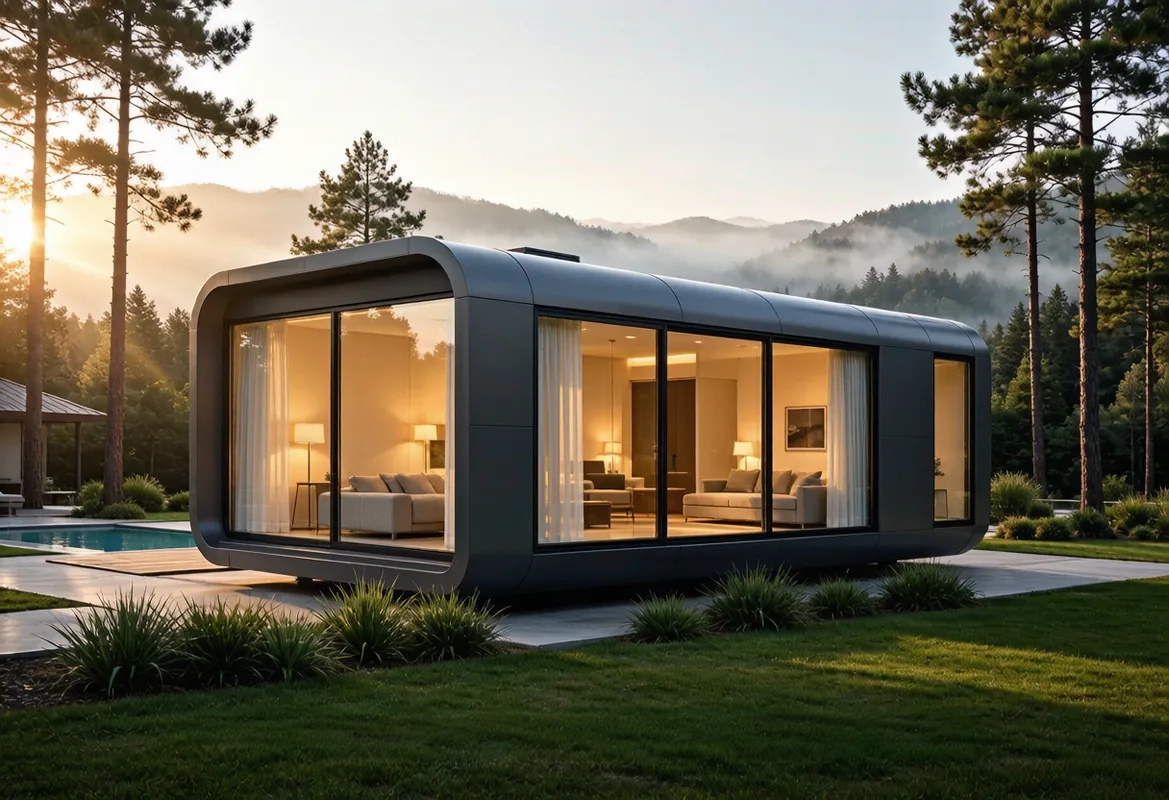
Real Owners, Real Numbers: Success Stories
How a lakeside resort, a Spanish glamping site and a Singapore dealer hit their targets.
Read stories →Talk to the Factory
Ready to Ride the 2026 Wave?
Get the latest catalog, pricing tiers and a layout sketch for your land — straight from the engineering team.