Portable Houses for Sale: Specs Buyers Compare
Portable houses for sale, read as a buyer: what portability requires, the ten specification lines that make quotes comparable, packing method and lead time.
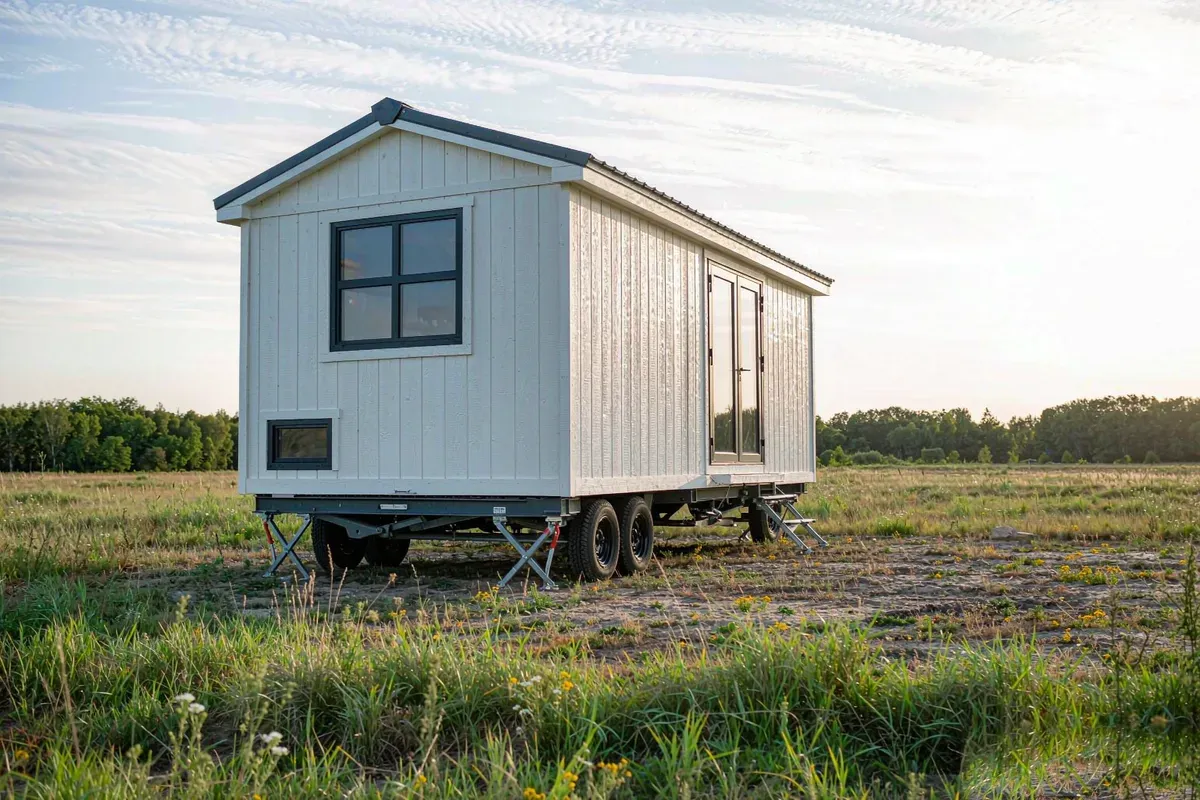
When a supplier offers portable houses for sale, the word "portable" is doing a lot of undefined work. In practice it means the unit is intended to be moved more than once in its service life, and that single intention changes the structure, the handling hardware, the packing method and the specification you should be comparing. This page is written for a buyer placing an order, not for someone looking for a place to stay. It covers what portability actually requires, the specification lines that make two quotes comparable, and the packing and lead-time questions that decide whether a delivery date is real. Related product pages: our expandable houses page, our garden pods page and our glamping pods page. Quote structure is on our capsule house price page and a ready-to-send enquiry format on our RFQ template page. No prices appear on this page.
What "Portable" Has to Mean in Practice
Before comparing products, settle three questions, because they determine which construction is appropriate.
- How many moves, and how often? A unit moved once from factory to final site is a transport problem. A unit moved every eighteen months is a structural fatigue problem, and it needs a permanent transport case designed to be lifted repeatedly.
- Who moves it? A unit designed for a local low-loader with a driver and a banksman needs different hardware from one designed for a spreader beam at a port, or for a crane in a field with no hard standing.
- Does it arrive furnished? Contents travel inside the unit or separately. If they travel inside, they need to be restrained and the restraint needs to be specified, not assumed.
The answer to the first question is the one that separates real portability from nominal portability. A unit can physically be moved without being designed to be moved repeatedly; the difference shows up in the frame, the lifting points and the joint details after the second or third relocation. If your operating model depends on relocation, state the expected number of moves in the enquiry and ask the supplier to confirm the structure and the lifting hardware are designed for it.
Specification Lines That Make Two Quotes Comparable
Two quotes for "a portable house" are usually not comparable until both answer the same list. Request these as a written schedule, with units and with the exclusions stated:
- Transport envelope. Overall length, width and height in the travelling configuration, and the same three in the deployed configuration if the unit expands.
- Weight. Tare weight, and the weight in the configuration that will actually be lifted, plus the position of the centre of gravity.
- Lifting method. Certified lifting lugs, corner castings, or a spreader beam — with the working load limit stated for each point and the sling angles the design assumes.
- Structure. Primary frame material and section, the transport case, and how the deployed structure locks and is secured.
- Envelope. Wall, roof and floor build-up, with insulation type and thickness for each, and the stated performance basis for each figure quoted.
- Glazing. Type, build-up, and whether the specification is identical in the travelling and deployed states.
- Services. Electrical rating and plug type, water inlet and outlet specification, drainage outlet position and diameter, and whether any of it is pre-plumbed to a single connection point.
- Interior scope. Exactly what is installed: floor finish, wall finish, ceiling, wet room, kitchen, joinery, appliances, furniture.
- Transport case. Whether a permanent chassis is retained, and if so, whether it is removable and what removal involves.
- External works excluded. Foundations, craneage, utility connection and any local compliance work — stated as exclusions, in writing.
That list is also a checklist for what a vague quote is hiding. A proposal that will not state the working load limit of its lifting points, or the weight in the lifted configuration, is not a proposal you can plan a crane day around. Confirm any performance claim against a test report or a certificate issued by a named body. Requirements may vary by application, market and applicable standard.
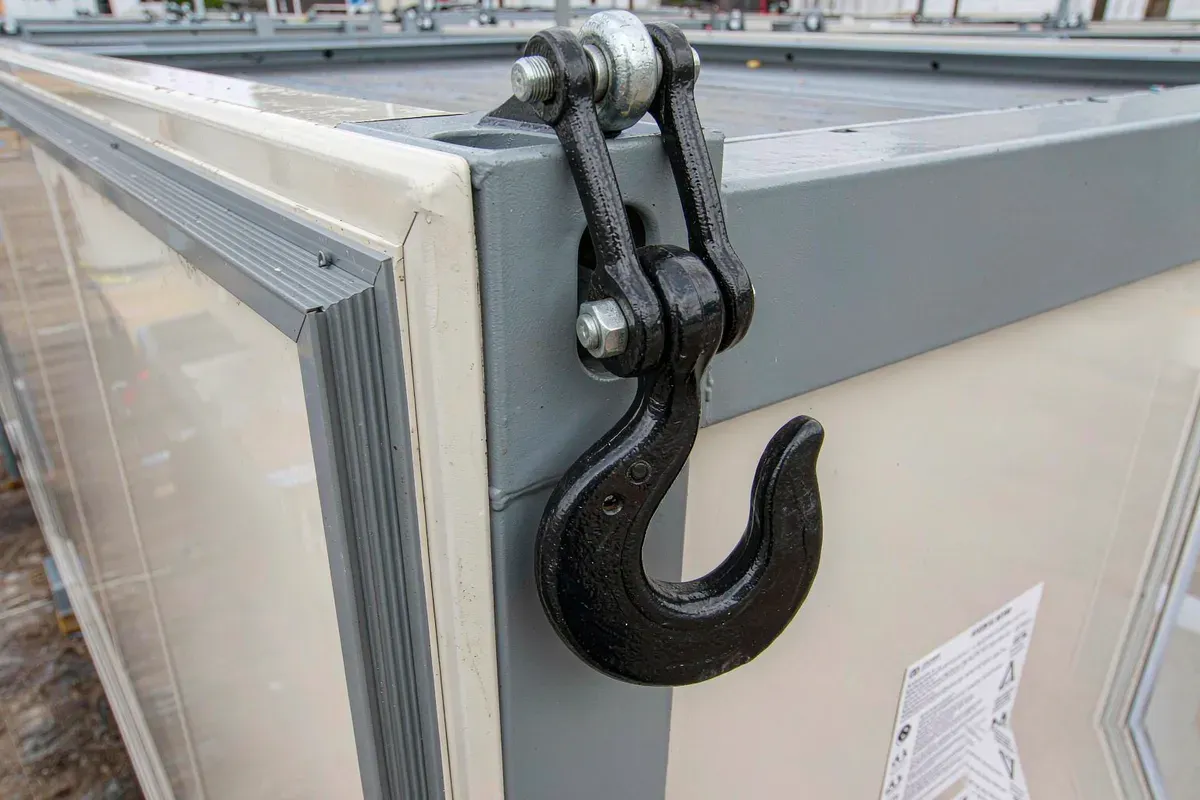
Packing Method, and Why It Moves the Freight Number
How a unit travels is a design decision, not a shipping decision, and it is taken months before anyone books a vessel. Three methods cover most of what is sold:
- Complete unit, moved whole. The finished building is loaded onto a low-loader or into an open-top or flat-rack container and moved as one piece. Fastest to deploy on arrival, and the least space-efficient per unit of floor area.
- Folding or sliding unit. Sections fold or slide to reduce the travelling width, then are deployed on site. Better freight efficiency; introduces a moving joint that must be sealed and maintained.
- Flat-pack or panelised set. Components travel densely and are assembled on site. Best freight efficiency; the largest share of finishing work on site, and the highest dependence on local labour.
Choose against your site, not against the freight rate. A folding unit saves money on the vessel and spends it on the deployment crew; on a remote site with no skilled labour to hand, that trade may be a bad one. Conversely, for a large order into a port with good local labour, the flat-pack route can be decisive. Ask the supplier to state the packing method, the number of pieces per unit, and the expected on-site assembly hours and crew size, and compare those across quotes rather than comparing unit prices alone.
Lead Time Is a Chain, Not a Number
When a supplier says twelve weeks, that is usually one link in a chain that has five. Ask which link they mean, and then ask about the other four.
- Order release to drawing freeze. Depends on you as much as on the supplier, and it is the link most often compressed badly.
- Drawing freeze to production slot. Depends on the factory's booked capacity, not on your order date.
- Production. The visible part, and usually the shortest of the five in proportion.
- Inspection, packing and port readiness. Includes any pre-shipment inspection you require, which should be booked before this link, not during it.
- Shipping and inland delivery. Vessel schedules, port handling, permits, and the last-mile road leg to your site.
A delivery date quoted without that breakdown is a date with no committed basis. Ask for the five links separately and for the dependencies between them; a supplier who tracks them separately is a supplier who will tell you early when one slips. Our RFQ template includes the questions that produce this breakdown in the first enquiry, which saves a round of correspondence on every order.
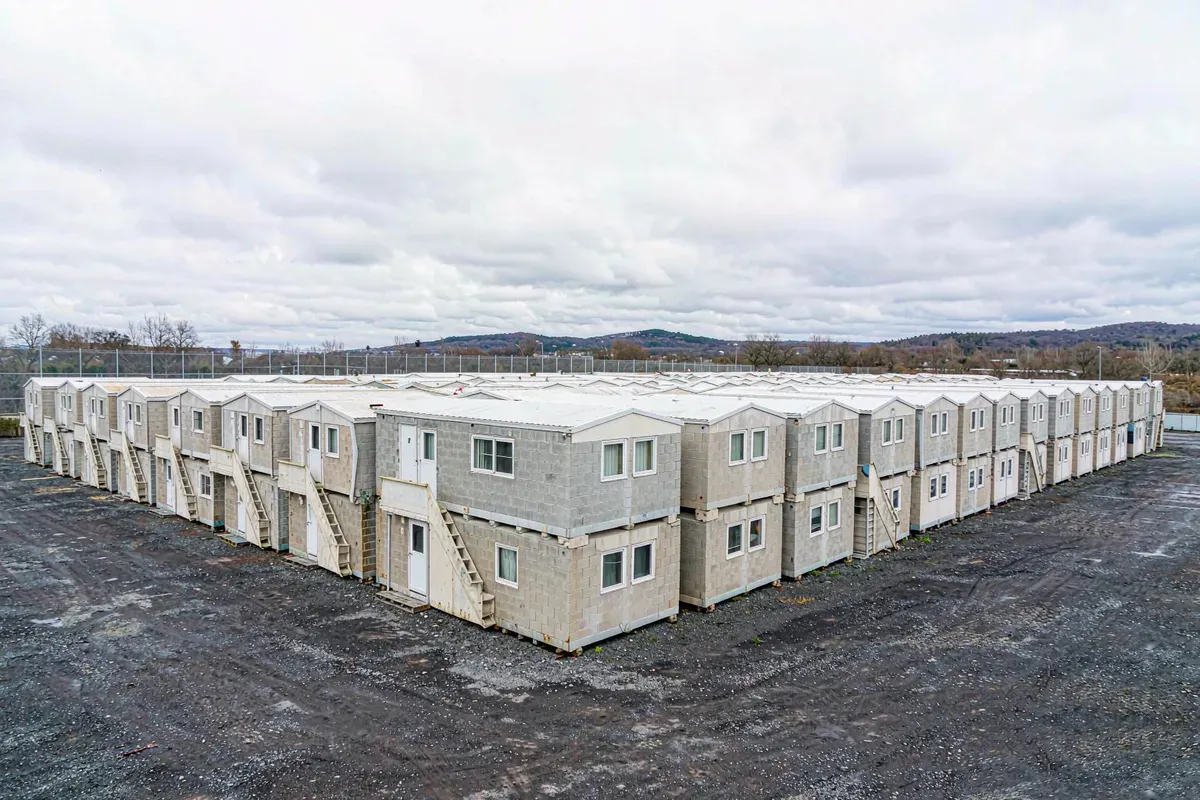
Buying Direct From the Factory
Buying portable houses factory-direct removes a layer of margin and adds a layer of your own coordination. Three things determine whether that trade is worth making.
- Do you have someone at the factory? Inspection before dispatch is the highest-value activity in a direct purchase. If you cannot attend, arrange a third-party inspector and book the hold points in the contract.
- Do you know the incoterm? The point at which risk and cost transfer determines who books the vessel, who handles the port, and who is exposed if something is damaged in transit. State it in the order; do not leave it implied.
- Do you have the local side covered? Craneage, foundations, utility connection and any local approvals remain yours unless you have contracted them. The supplier's scope usually ends at the point the unit is set.
Haishu works on that direct model for space capsule homes and expandable prefab houses, with the Galactic A series — the compact A30, the mid-size A50 and the larger A70 — covering most portable-house briefs at three scales. For the commercial structure of a direct enquiry, see our price page, and for the hospitality format of the same units, our glamping pods page.
More from the Blog

Capsule Home Cost Guide: What You Really Pay in 2026
EXW, shipping, install and the hidden line items — a transparent breakdown of total landed cost.
Read article →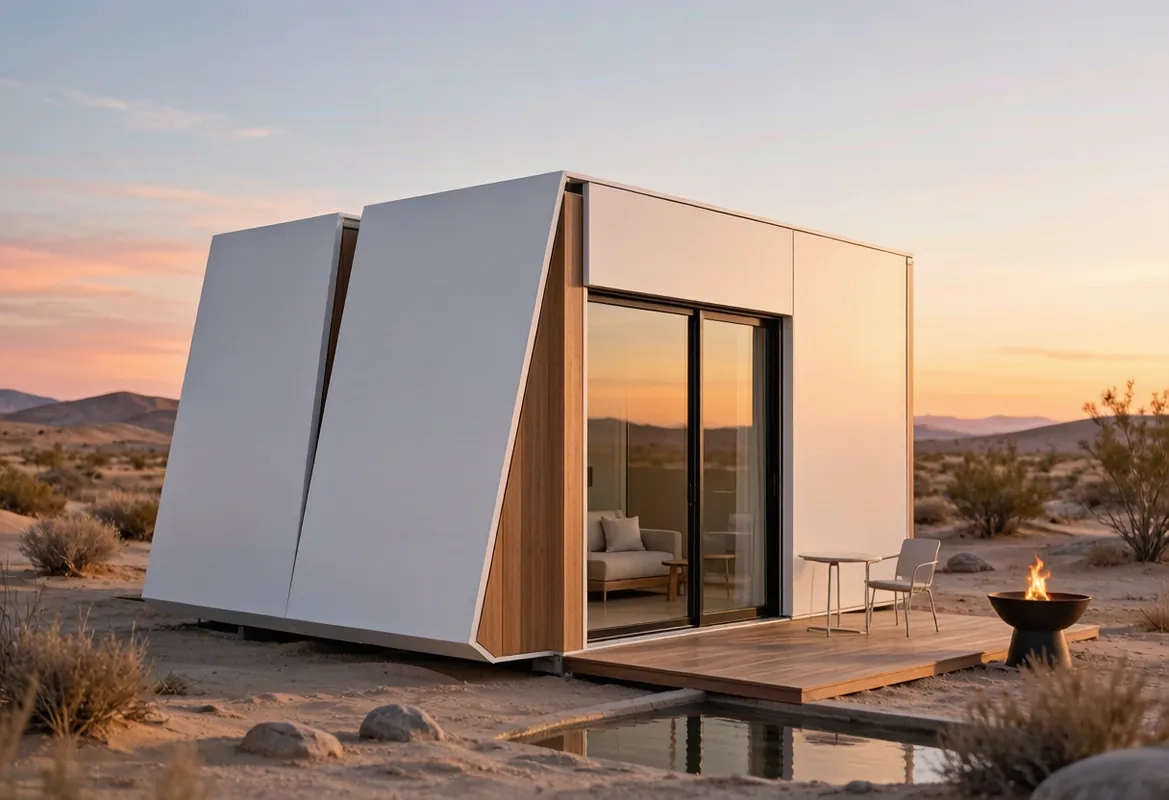
How to Install a Capsule Home in 3 Days: A Step-by-Step Guide
From site prep to first guest — the exact sequence our install crews follow on every deployment.
Read article →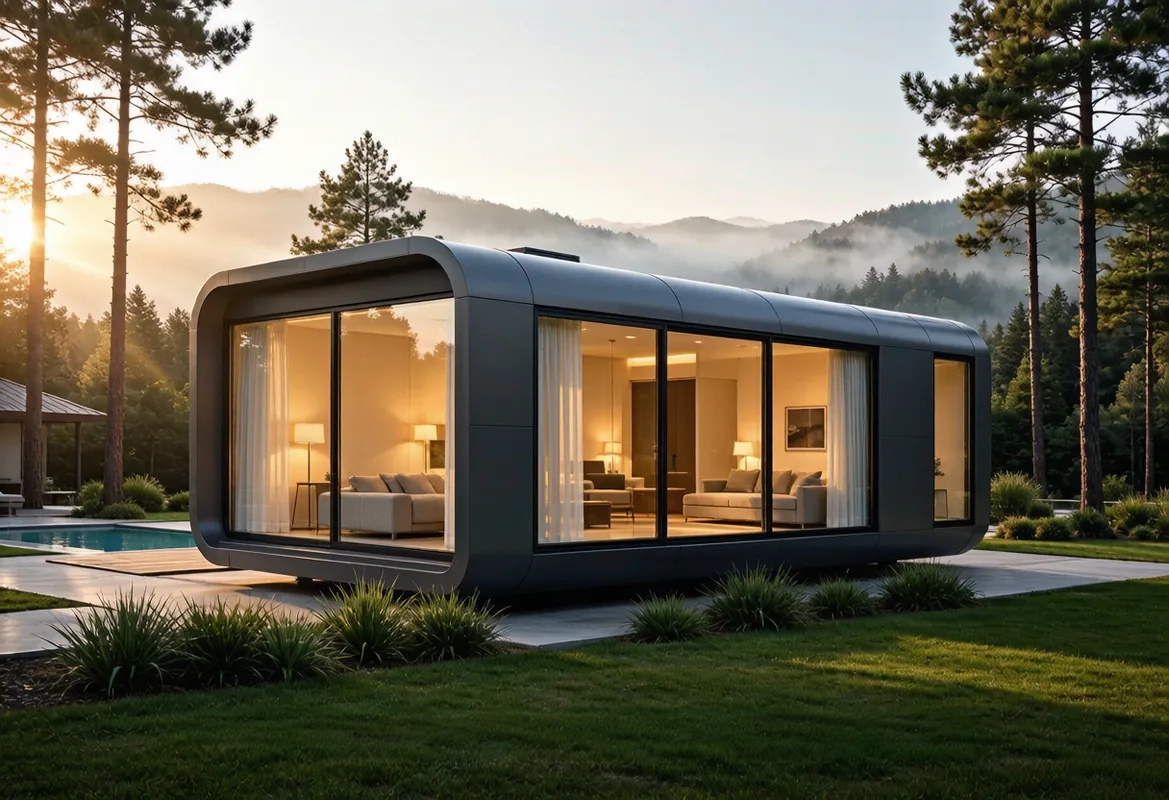
Real Owners, Real Numbers: Success Stories
How a lakeside resort, a Spanish glamping site and a Singapore dealer hit their targets.
Read stories →Talk to the Factory
Ready to Ride the 2026 Wave?
Get the latest catalog, pricing tiers and a layout sketch for your land — straight from the engineering team.