Glamping Pods Dubai: Desert Camp Specification
Glamping pods for Dubai and Abu Dhabi desert camps: cooling and shading, sand sealing, power and water, access, and the operating regime that follows.
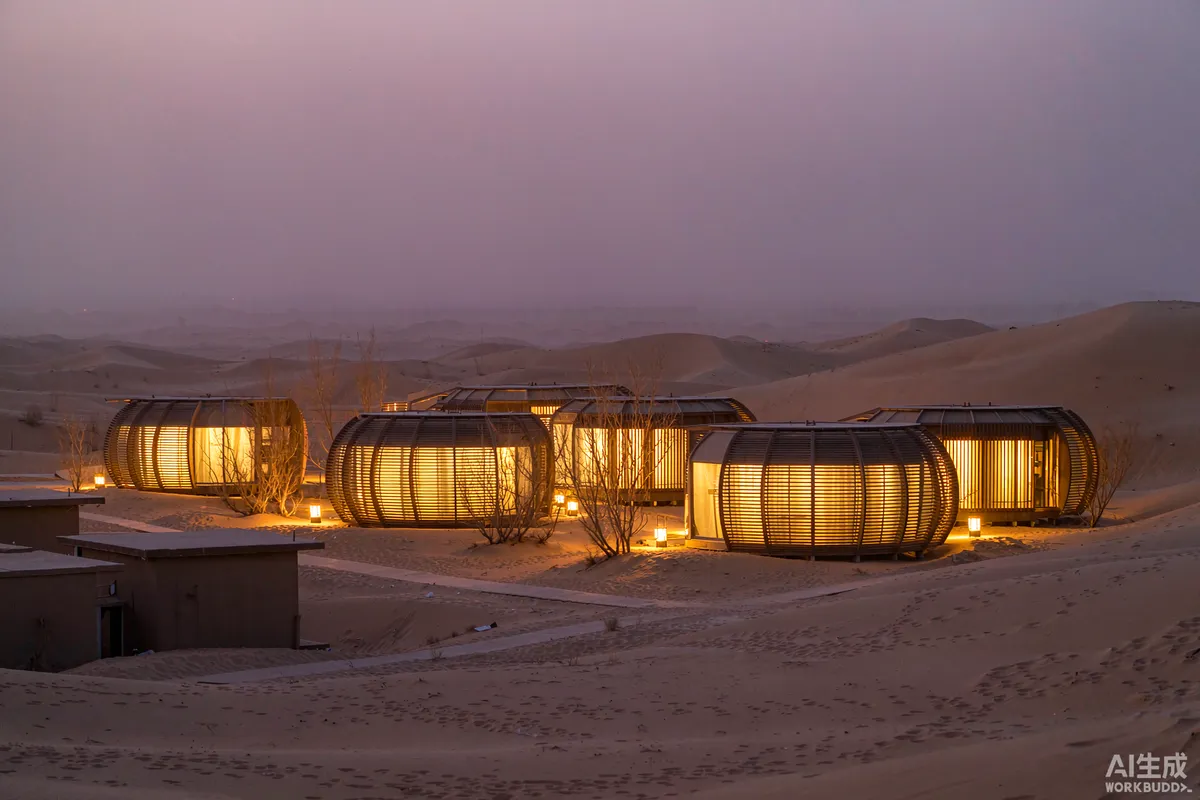
A glamping pod that works in a temperate forest will underperform in the Dubai desert within a season. The determining factors on a Gulf site are the cooling load, the dust load, the distance to services, and the maintenance regime the operator can realistically sustain through summer. This page is written for desert camp operators and resort developers specifying pods for Dubai, Abu Dhabi and the wider Emirates, and it covers the specification decisions in that order. Current pod and capsule models are on the product pages. Requirements may vary by application, market and applicable standard.
What a Desert Camp Is Really Buying
The product a guest pays for is a comfortable night in a spectacular place. Everything in the specification should trace back to that, and in the Gulf the comfort side does most of the work.
- Thermal comfort through the night, which means cooling that holds setpoint in high ambient temperature without being loud.
- Dust exclusion, because a room that smells of dust or has grit on the surfaces is a room that gets a bad review.
- A view, with shade - the glazing that sells the room is also the largest heat and glare source.
- Self-sufficient services, since most desert plots have no mains power, water or drainage at the boundary.
- A maintenance regime the team can run, with intervals set for the environment rather than copied from a mild climate.
A pod is the whole system. Buyers who evaluate the shell and leave the services to be solved later are the ones who discover the cost on site.
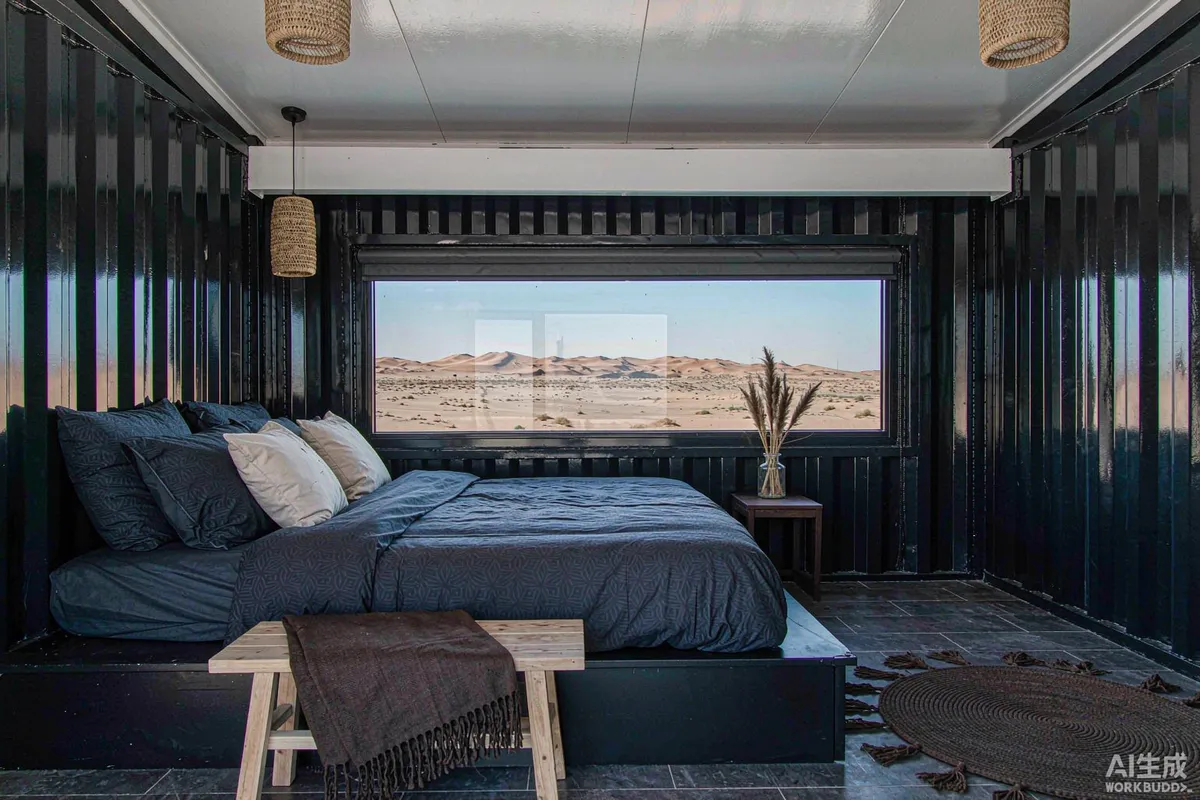
Cooling, Glazing and Shade
Capacity is a consequence of the envelope, not a number to be guessed. Three decisions determine it.
- Glass build-up and coatings. Solar control performance, and whether the coating is specified for the orientation the pod will actually face.
- External shading. A canopy, roof overhang or planted shade structure removes load before it reaches the glass. Shade is cheaper per kilowatt than the plant needed to compensate for its absence.
- Envelope continuity. Insulation, sealing at penetrations, and the absence of thermal bridges determine whether the plant cycles or runs continuously.
Have the cooling load calculated by a qualified engineer for the design conditions at your site, and specify the indoor condition you want to hold. Ask for the unit's declared thermal performance and the standard it was assessed against, and verify it rather than assuming. Where a supplier quotes a capacity without referencing a design ambient condition, the number is not comparable with anything.
Sand and Dust: Sealing, Filtration and Cleaning
Fine airborne dust is continuous on a desert site and seasonal in its severity. It is a specification item with three parts.
- Exclusion at the openings. Seals and gaskets on doors and windows, the detailing of service penetrations, and the threshold design. Ask how the sealing system performs rather than what it is called.
- Filtration sized for the load. Filters that are undersized for the environment load quickly, restrict airflow and increase energy use. Set the grade and the change interval against the actual conditions, and hold spares on site.
- Cleaning access. Glass, external surfaces and plant need to be reachable safely. On a two-storey or elevated unit that means designing the access in, not improvising it.
Power and Water on an Unserviced Plot
Most desert camps generate and store their own utilities, and the plant is commonly a larger capital item than the pods themselves.
- Power. A generator set, a solar and storage hybrid, or a combination. Size it against the calculated cooling load with diversity, and set a refuelling and servicing regime that matches occupancy.
- Water. Storage capacity against occupancy and the delivery cycle, with a defined refill method and a quality regime for stored water.
- Wastewater. Holding with a licensed removal contractor, or treatment on site with an approved discharge or reuse arrangement. Either way it is an approved activity, not a plumbing detail.
- Metering. Even off-grid, measuring consumption per occupied night is what makes the operating cost manageable - and it is the evidence base for any efficiency investment later.
Our glamping pods guide covers pod types and layouts generally; the Gulf context is in our UAE guide.
Getting the Pods to the Site
Desert sites are usually open and flat, which helps, but the approach is often an ungraded track. Before confirming a delivery date:
- Survey the access route for width, gradient, surface and any soft sections, and confirm what preparation is needed.
- Confirm the ground bearing where the crane will stand; loose sand is a common reason for a lift to be aborted.
- Decide whether the unit arrives fully finished or is deployed on site, and who performs the deployment.
- Plan the lift for the cooler part of the day and for the crew, not only for the schedule.
Access, cranage and route planning are covered in our delivery and crane access guide.
The Details Guests Actually Review
Desert camp reviews turn on a small number of items, and all of them are specification decisions rather than service decisions.
- Acoustic separation. Plant noise is the most common complaint where condensers are close to the sleeping area. Position plant away from the bed wall, isolate it, and specify the noise level you will accept.
- Glare control. A west-facing window at sunset is the view and the problem at once; blinds or curtains that actually block are part of the specification.
- Night cooling stability. A unit that cycles loudly or drifts warm at three in the morning generates reviews no photograph will offset.
- Dust on arrival. Turnaround cleaning between guests has to include every horizontal surface; a specification that reduces dust ingress reduces housekeeping time per key.
- Cold nights. Winter desert nights are cold, and heating provision sized for the same envelope keeps the unit sellable year-round.
Layout, Orientation and Privacy
- Orientate the glazing for the view you are selling and away from the afternoon sun where those conflict.
- Space pods for privacy rather than for maximum density; sound carries in still desert air at night.
- Plan the service routes - power, water, and the vehicle that empties wastewater - as part of the layout, not after it.
- Design for the shoulder season too. Winter nights in the desert can be cold; heating provision is part of the same specification exercise.
The Operating Regime
| Item | Desert interval | Why |
|---|---|---|
| Air filters | Short interval, spares held on site | Dust loading reduces airflow and raises energy use |
| Door and window seals | Inspected on a set cycle, not on complaint | Grit and UV degrade elastomers |
| External glass | Cleaned with safe access designed in | Dust film is immediate and visible |
| Generator or hybrid plant | Serviced on hours run, fuel and filters checked | Cooling load makes plant the critical asset |
| Water storage and quality | Tested on a schedule, tank cleaned | Stored water in heat needs a regime |
| Coatings and fixings | Inspected annually, coastal sites more often | UV, sand abrasion and salt where coastal |
Write the intervals into the operating manual before opening, and assign a named person to each. A regime that exists only in a supplier's recommendation will not survive the first busy month.
What to Ask a Supplier
- The declared thermal performance of the envelope and glazing, and the standard it was assessed against.
- The sealing system at openings and penetrations, described by performance.
- The design ambient conditions the cooling provision is sized for, and who signs off the sizing.
- Whether certification or test evidence is available for the claims made, and from which body - to be requested and verified, not assumed.
- Delivery basis, deployment scope, and what the operating manual specifies for this environment.
Approvals for this market are covered in our UAE permit guide, and cost structure in the UAE price page. Current models are on the product pages; to specify pods for a desert camp, send the plot, the unit count and the intended occupancy.
More from the Blog
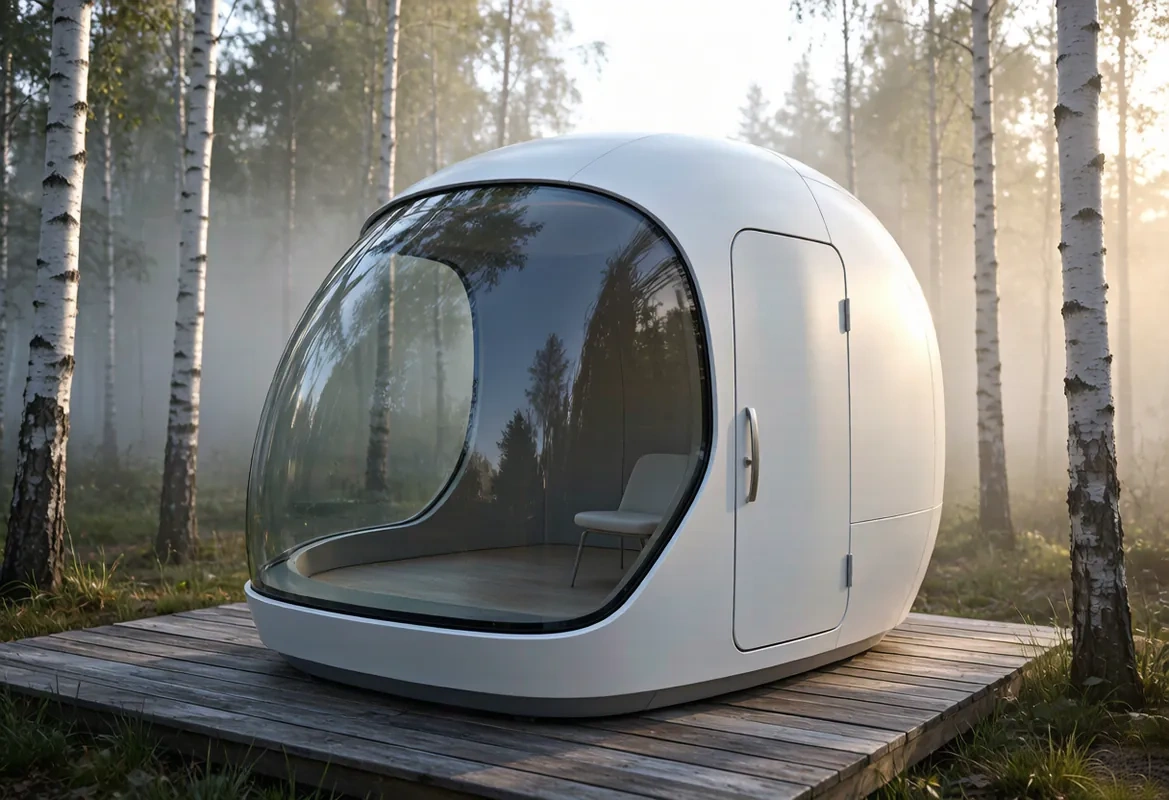
Capsule Home Cost Guide: What You Really Pay in 2026
EXW, shipping, install and the hidden line items — a transparent breakdown of total landed cost.
Read article →
How to Install a Capsule Home in 3 Days: A Step-by-Step Guide
From site prep to first guest — the exact sequence our install crews follow on every deployment.
Read article →
Real Owners, Real Numbers: Success Stories
How a lakeside resort, a Spanish glamping site and a Singapore dealer hit their targets.
Read stories →Talk to the Factory
Ready to Ride the 2026 Wave?
Get the latest catalog, pricing tiers and a layout sketch for your land — straight from the engineering team.