Capsule House Qatar: Resort and Event Accommodation
Capsule house projects in Qatar and the wider GCC: heat and coastal humidity, dust sealing, event and seasonal use, approvals and import conformation steps.
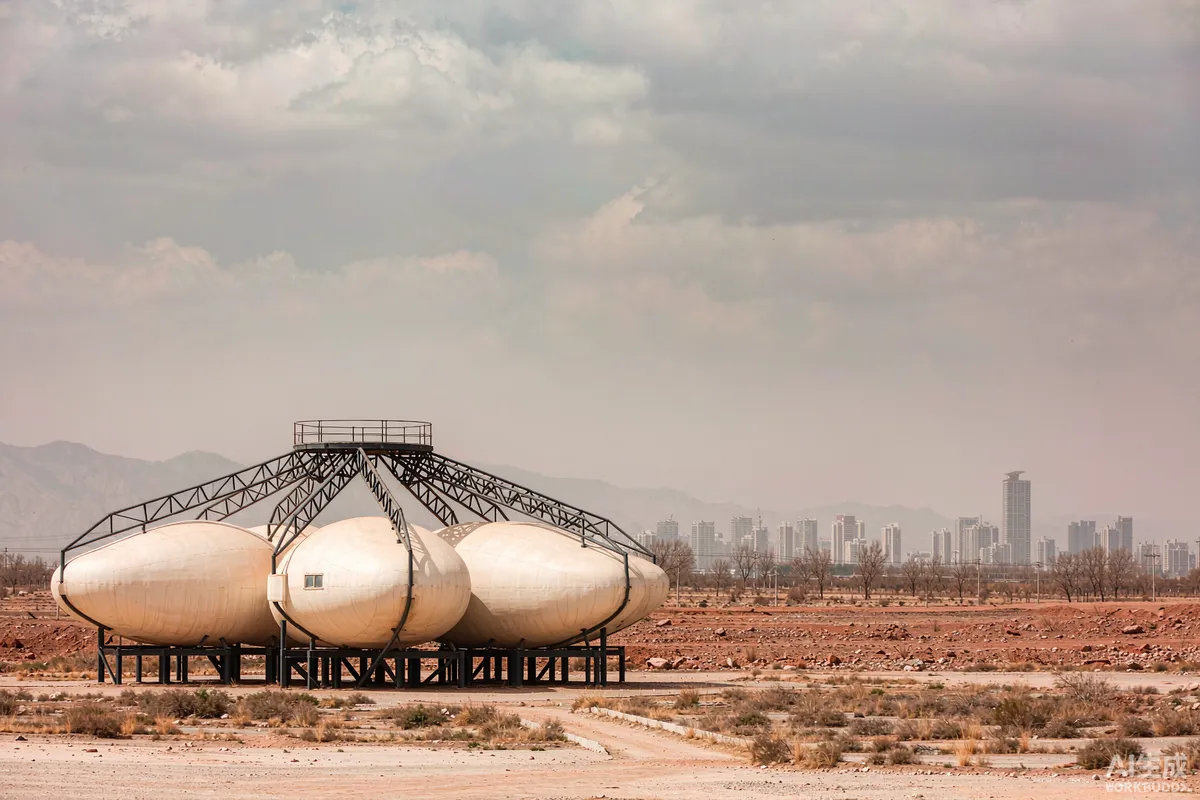
Qatar and its GCC neighbours share a demanding climate, a strong events and hospitality pipeline, and an import environment where documentation is the gating factor rather than the product. This page covers the Gulf as one market - because the specification decisions are largely the same across it - while noting where country-level checks are unavoidable. Models are on the product pages.
What Drives Demand Here
Enquiries from the Gulf cluster around four project types, and each carries a different emphasis.
- Resort and beachfront hospitality, where salt exposure, humidity and solar control lead the specification.
- Event and seasonal accommodation, where deployment speed, removability and storage between events dominate everything else.
- Desert and inland destinations, where the diurnal temperature range, dust sealing and visual sensitivity matter most.
- Workforce and project accommodation, which is a distinct product with distinct requirements, covered separately in our staff accommodation page.
Stating which of these applies at enquiry stage is the single fastest way to get a useful specification rather than a generic one.
Climate: Heat, Coastal Humidity and Dust
The Gulf combines three loads that rarely appear together elsewhere, and each has its own answer.
- Solar gain. Solar control glazing, external shading and orientation, in that order of value. Interior blinds deal with heat only after it has entered.
- Coastal humidity. On the Gulf coast, humidity keeps the cooling load up overnight and produces condensate that must be drained.
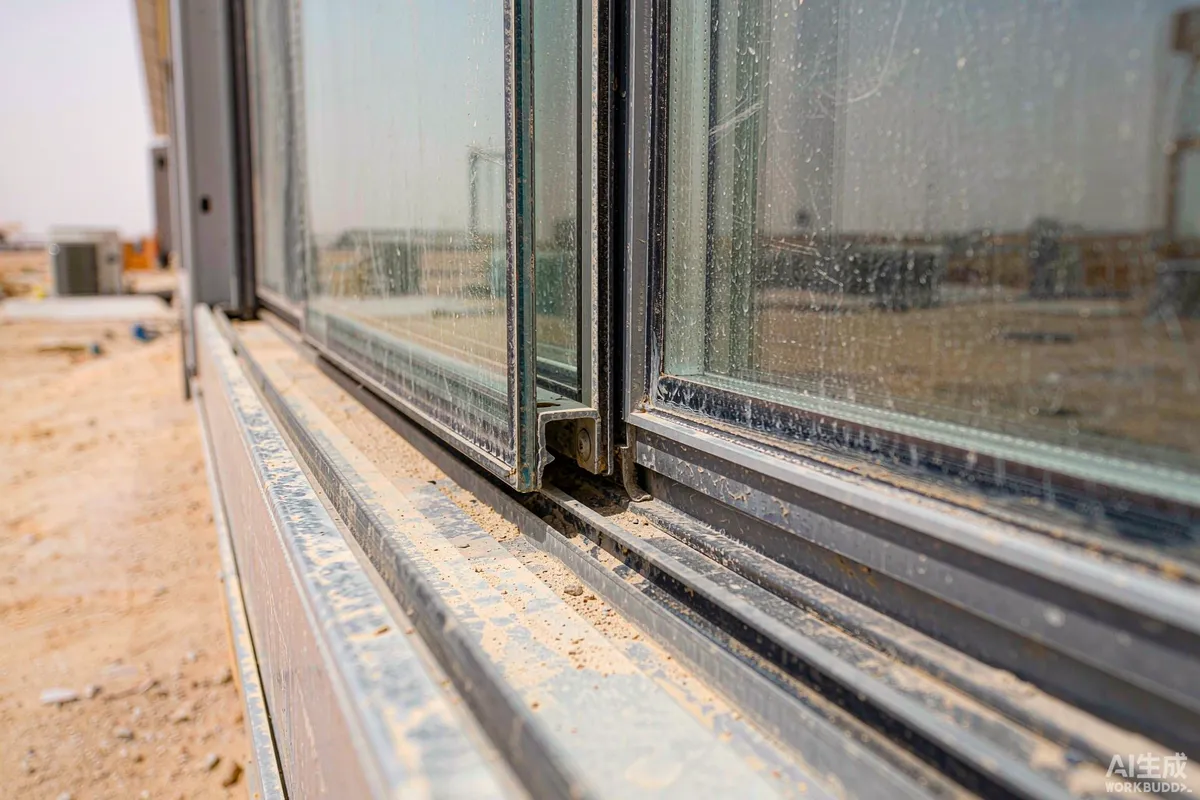
- Dust and fine sand. Sealing at openings and penetrations, filtration, and a defined cleaning regime. Air-handling filters need more frequent attention than in a temperate climate.
- Inland diurnal range. Away from the coast, nights can be cool. Insulation works in both directions and heating provision should not be omitted from a cooling-led specification.
Event and Seasonal Use: What Changes
A unit deployed for a six-week event and the same unit deployed for a five-year resort are different products, and the differences are worth listing.
- Removability. For event use, the consent often depends on the structure being temporary. The unit should be liftable and the ground reinstatable, and both should be describable in the submission.
- Storage between deployments. Where units are stored between events, the storage conditions matter: covered, ventilated, and with a defined preparation routine before redeployment.
- Rapid services connection. Event sites favour standardised, quick-connect service points over bespoke connections.
- Finish durability under high turnover. Surfaces must survive heavy use and fast cleaning.
- Transport cycle count. A unit moved four times a year experiences more handling stress in two years than a fixed unit does in ten.
Approvals: The Question to Answer First
- Temporary or permanent. How the authority classifies the installation determines the entire submission route. Establish this before drawings are produced.
- Which authority. Municipality, tourism regulator, free zone or event organiser may each have jurisdiction depending on where and why the units are placed.
- Services and waste. Power, water and wastewater arrangements are usually scrutinised more closely than the structure itself.
- Event-specific permissions, where applicable, with their own timelines that do not align with construction programmes.
Requirements may vary by application, market and applicable standard. Confirm the current position with the authority having jurisdiction for your site and use.
Import and Conformity: Verify, Do Not Assume
Gulf states operate their own import and conformity procedures, and some product categories are subject to common Gulf-level arrangements. Three rules keep this manageable.
- Confirm at order time. Certificate, labelling and conformity requirements change, and a requirement from a previous project may no longer be the current one.
- Name the documents in the contract. Which certificates, drawings, manuals and test records are supplied, and when.
- Use a local clearing agent early rather than at the port, and ask them to confirm the classification and documentation before the vessel sails.
Ask the supplier for written confirmation of what they will issue. Certificates should be obtained and independently verified against the issuing body rather than accepted on the strength of a scan.
Logistics Across the Gulf
- Name the discharge port against the final site before booking; changing it after departure is expensive.
- Survey the inland route against the packed dimensions - width, height, turning circle and any weight restriction.
- Plan around heat. Daytime working restrictions in extreme heat affect unloading windows and labour availability in the summer months.
- Confirm port storage as a fallback for slippage, since demurrage accrues regardless of cause.
Configuration Choices
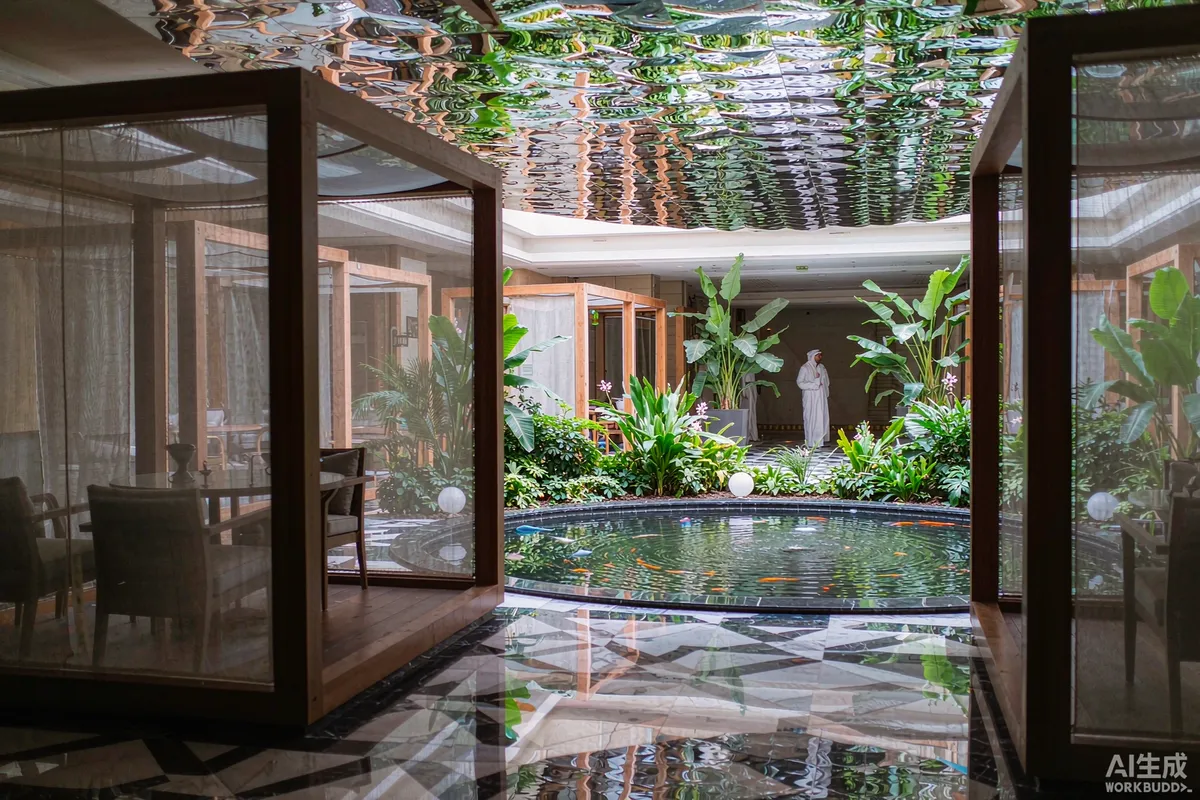
- Compact units suit high-count deployments and short-stay event use.
- Mid-size units suit resort use where guests stay several nights.
- Larger or two-level units suit family and longer-stay demand, and carry higher freighting and placement requirements.
- Standardise across the deployment wherever possible: one configuration means one spares list and one maintenance routine.
Interior Specification for Continuous Cooling
Where air conditioning runs for most of the year, the interior specification should be chosen for that duty rather than for appearance alone.
- Filtration access. Filters need changing more often in a dusty environment, and the access panel should be reachable without dismantling anything.
- Surface durability under dry heat. Some finishes and adhesives behave differently in sustained high temperatures; ask the supplier what they use in Gulf projects.
- Thermal bridging at the frame. A thermally broken frame and correct installation matter more here than additional insulation thickness.
- Condensate routing. On the humid coast, condensate volume is significant and must be plumbed to a drain.
- Blackout provision. Guests sleeping through daylight hours need it; guests watching the desert night need it open. Both should be possible.
Programme Advice for Event-Driven Projects
Event programmes have a fixed date and no tolerance for slippage, which changes how the order should be sequenced.
- Work backwards from the event date and set the order date from the freight schedule, not the other way round.
- Book the vessel early. Sailings to Gulf ports are frequent but capacity on specific routings is not guaranteed at short notice.
- Confirm the authority's timeline for temporary installations, because it does not align with a construction programme and cannot be compressed.
- Rehearse the placement. On a tight site, a dry run of the lift sequence is cheaper than discovering the crane position is wrong on the day.
- Plan the removal at the same time as the installation, including reinstatement of the ground and storage of the units afterwards.
Regional Notes Beyond Qatar
The Gulf is treated here as one market for specification purposes, but three differences should be checked country by country.
- Approval routes and authorities differ between states, and between mainland and free-zone jurisdictions.
- Conformity and labelling requirements differ, and some categories are covered by common Gulf-level arrangements while others are national. Confirm both.
- Port capacity and inland distance differ substantially, which changes both freight cost and programme risk.
Standardisation Across a Gulf Portfolio
Where units will be deployed across more than one country or site, standardisation pays for itself quickly.
- One configuration per use case keeps the spares list short and the maintenance routine teachable.
- One documentation set per configuration, held centrally, makes the next import faster than the last.
- One commissioning procedure across sites, so that results are comparable and faults are recognisable.
- One point of contact at the factory who knows the specification history, which is what makes a change request quick rather than a re-education.
Unit sizing is covered in the A-series size guide; cost structure in the cost guide; market-specific notes in the UAE and Saudi Arabia pages. For a specification review, send the country, site exposure and intended use.
More from the Blog

Capsule Home Cost Guide: What You Really Pay in 2026
EXW, shipping, install and the hidden line items — a transparent breakdown of total landed cost.
Read article →
How to Install a Capsule Home in 3 Days: A Step-by-Step Guide
From site prep to first guest — the exact sequence our install crews follow on every deployment.
Read article →
Real Owners, Real Numbers: Success Stories
How a lakeside resort, a Spanish glamping site and a Singapore dealer hit their targets.
Read stories →Talk to the Factory
Ready to Ride the 2026 Wave?
Get the latest catalog, pricing tiers and a layout sketch for your land — straight from the engineering team.