Capsule Home Sizes: How to Choose Between A30, A50 and A70
A30, A50 or A70? Compare footprint, layout, guest capacity and site requirements to pick the right capsule home size for your plot.
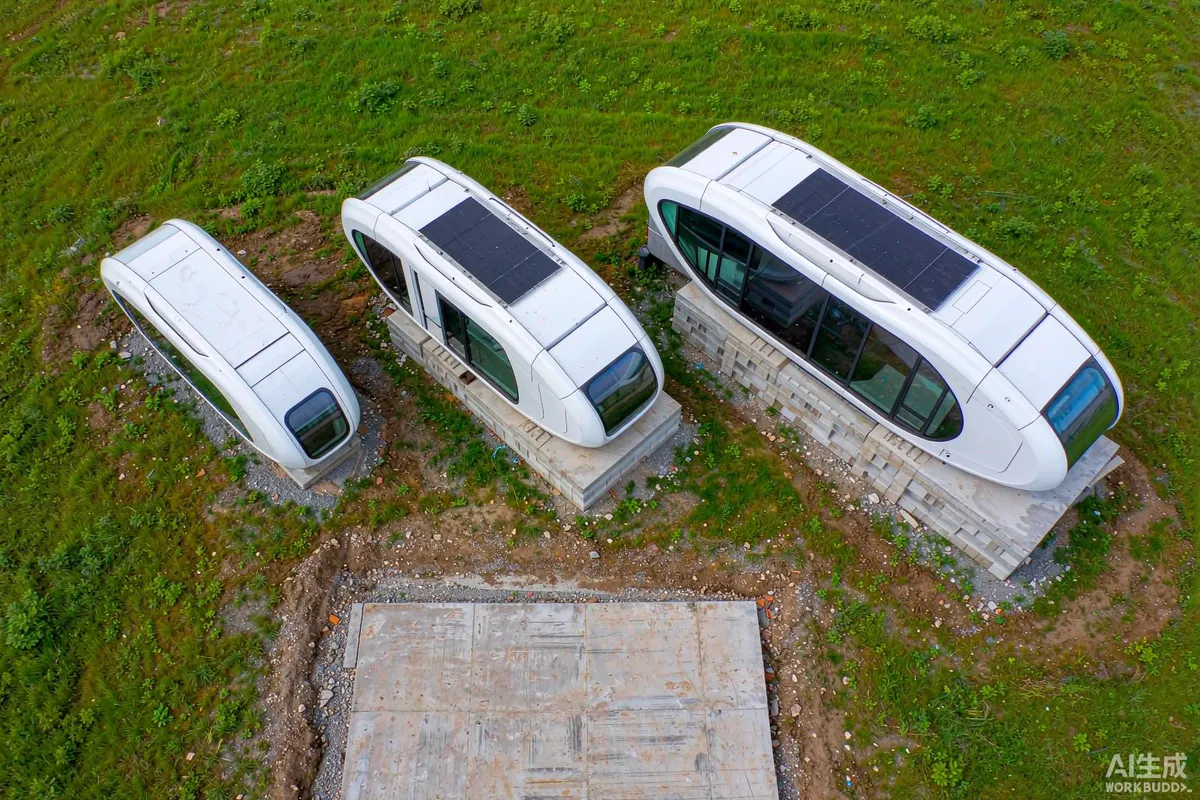
Choosing a capsule home size is mostly a question of guest profile and site constraint, not of getting the biggest unit you can afford. A compact unit on a tight plot can outperform a large one that barely fits. This guide compares compact, medium and grand formats - the A30, A50 and A70 classes - and what each is best at.
Compact: The A30 Class
A compact single-deck unit suits solo travellers and couples, and fits plots where a larger unit would be intrusive. Its advantages are logistical: lower weight, easier transport, smaller crane requirement and a lighter visual footprint in a natural setting.
The limitation is storage and living space. Compact units work well for short stays where guests are out exploring during the day, less well for extended stays or for guests carrying a lot of luggage.
Medium: The A50 Class
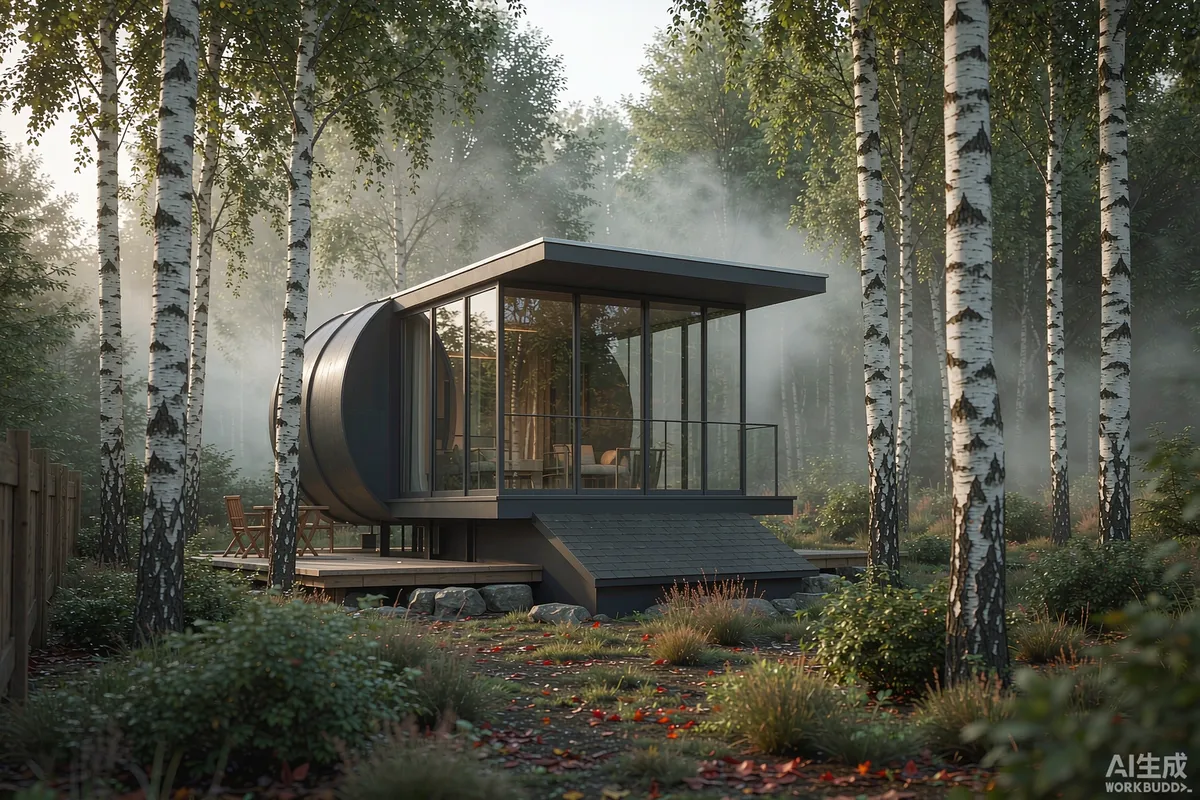
A medium unit is the general-purpose choice. It typically allows a proper sleeping zone plus a small living or dining area, and can accommodate a kitchenette without feeling cramped. For most operators this is the format with the widest market - comfortable for couples, workable for a small family.
Medium units also tend to be the best balance of freight efficiency against achievable nightly rate, which is why they are often the default starting point for a first deployment.
Grand: The A70 Class
A grand unit - often a double-deck configuration - targets guests who want space and separation: families, two couples, or longer stays. The extra volume supports distinct zones rather than one shared room, and the additional glazing area can be a strong marketing asset.
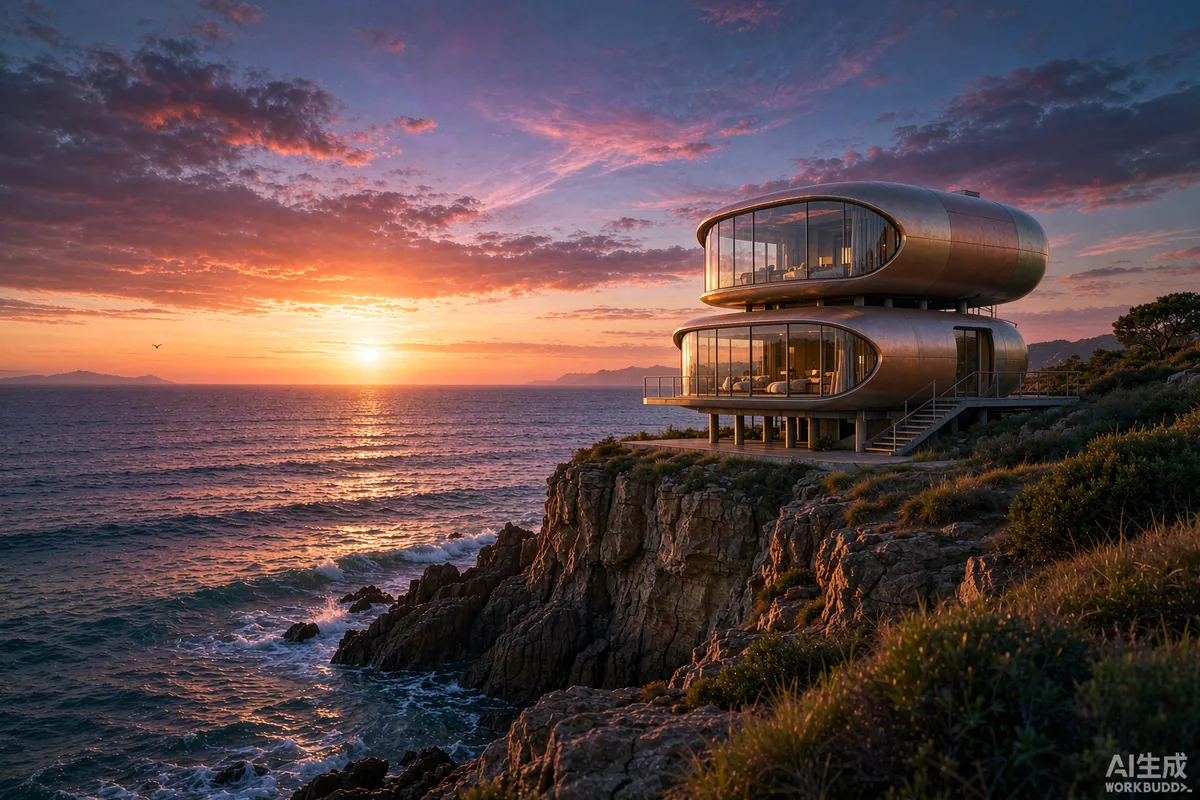
The costs are real: higher purchase price, greater weight, more demanding transport and craning, and usually more site preparation. A grand unit needs a plot that can actually take it.
Comparison
| Class | Best for | Site demand | Freight profile |
|---|---|---|---|
| A30 compact | Couples, solo, short stays | Low - tight or wooded plots | Easiest, lightest |
| A50 medium | Couples and small families | Moderate | Balanced |
| A70 grand | Families, longer stays, groups | High - needs access and space | Heaviest, may be out-of-gauge |
Let the Site Decide First
Before comparing layouts, establish what your plot can accept. Check access width and turning space for the delivery vehicle, overhead clearance, ground bearing capacity, and whether a crane can be positioned. These constraints will often narrow your choice faster than any preference you have.
Match Size to Your Booking Market
- Weekend couples market: compact or medium, prioritise the view and the glazing.
- Family holidays: grand, with genuine separate sleeping areas.
- Longer remote-work stays: medium or grand, with space to work.
- Mixed fleet: start with medium, then add compact or grand once you see what books.
Mixing Sizes Across a Site
Many operators run a mix rather than a single format. A spread of sizes widens your market and smooths occupancy, because different formats attract different booking profiles. If you are unsure, starting with two medium units and one compact gives you real booking data before committing to a larger fleet. Requirements may vary by application, market and applicable standard.
More from the Blog
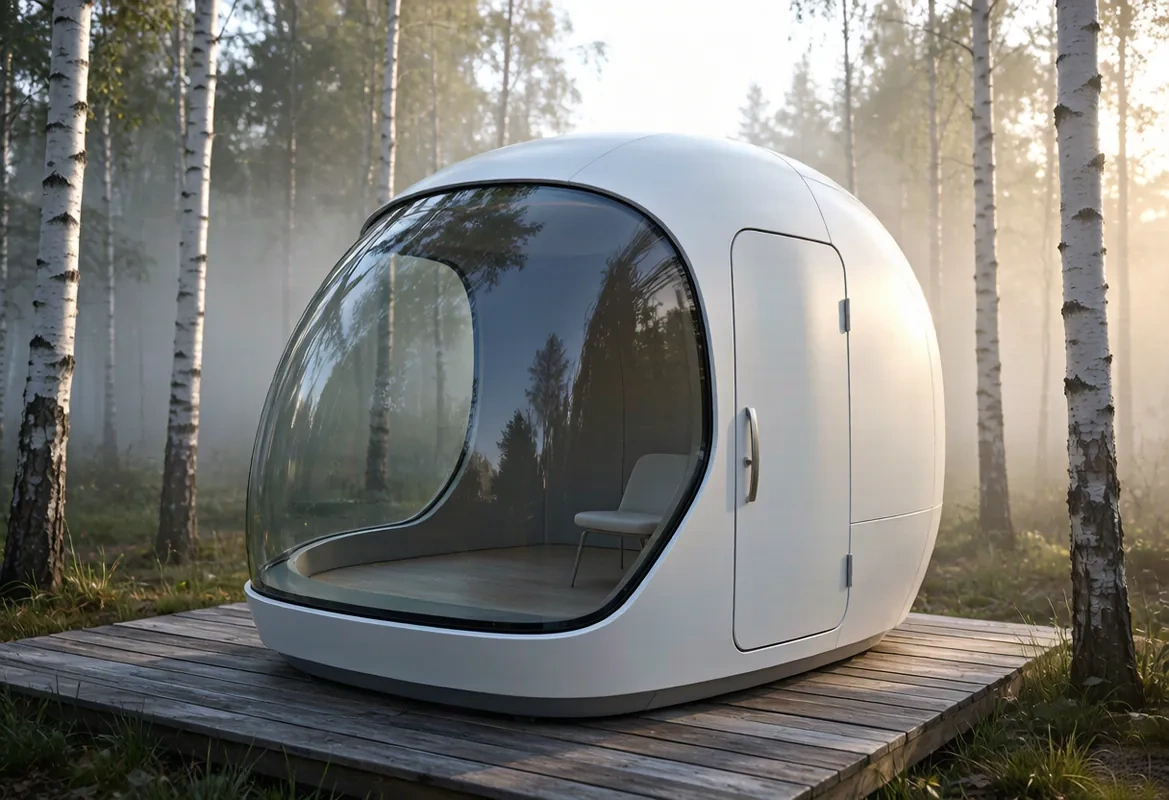
Capsule Home Cost Guide: What You Really Pay in 2026
EXW, shipping, install and the hidden line items — a transparent breakdown of total landed cost.
Read article →
How to Install a Capsule Home in 3 Days: A Step-by-Step Guide
From site prep to first guest — the exact sequence our install crews follow on every deployment.
Read article →
Real Owners, Real Numbers: Success Stories
How a lakeside resort, a Spanish glamping site and a Singapore dealer hit their targets.
Read stories →Talk to the Factory
Ready to Ride the 2026 Wave?
Get the latest catalog, pricing tiers and a layout sketch for your land — straight from the engineering team.