Capsule Homes for Airbnb Owners: Key Decisions
Listing a capsule home: local short-term rental rules, listing category, how the word capsule affects click-through, expectation management and review risk.
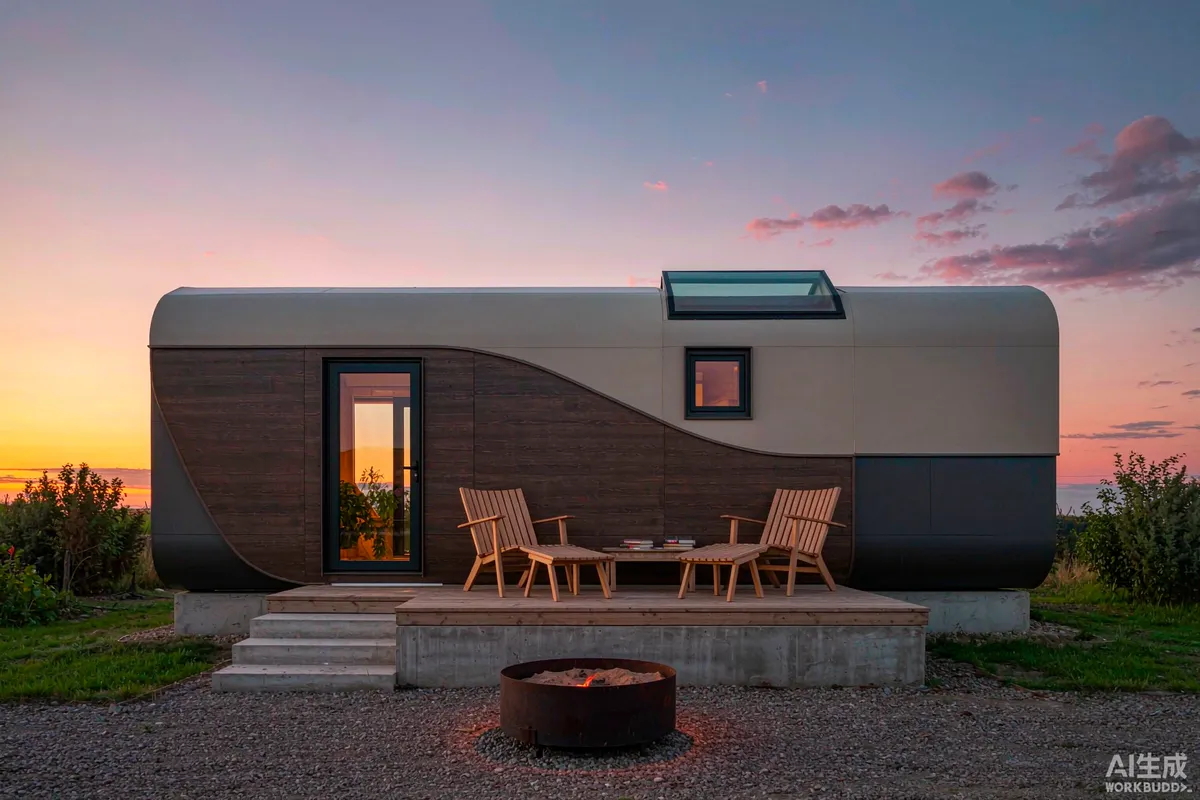
A capsule home on a short-term rental platform is not the same commercial object as a capsule home in a resort. It is listed alone, judged alone against conventional holiday lets, and reviewed by guests who may have no idea what they have booked. That produces a specific set of decisions - about compliance, category, wording and expectation - that a resort operator never faces. This page covers those. It does not repeat the general checklist for setting up a short-term rental, which is covered separately.
Start With Whether It Can Be Listed At All
This is a regulatory question, and it is the one that determines whether anything else matters.
- How is a detached, factory-built unit classified locally? In some places it is treated as a dwelling, in others as a structure, and in some as something closer to a caravan or mobile unit. The classification drives everything else.
- Does short-term letting require registration or a permit? Many markets now require it, and some cap the number of nights or the number of properties per operator.
- Are there additional requirements for sleeping accommodation let to the public - fire safety, means of escape, smoke and carbon monoxide detection, or sanitation standards?
- Does the platform require you to attest to compliance? Most do, and the attestation is a statement you are making, not a formality.
These rules change frequently and differ substantially between countries, regions and municipalities - and in some cases between a city and the district surrounding it. Confirm them with the relevant local authority or a qualified professional before listing. Requirements may vary by market and applicable local regulation.
Choosing the Listing Category
Platforms offer categories, and picking the wrong one affects both visibility and guest expectation.
- Unique or unusual accommodation categories tend to suit the format and attract guests seeking exactly this.
- Standard entire-home categories compete the unit against conventional houses on space and amenities, which it will lose.
- Tiny house or cabin categories, where offered, set the right expectation about size before the guest clicks.
- Be accurate about what is provided. A category that implies a full kitchen when there is a kitchenette produces a complaint at arrival.
The trade-off is real: a novelty category attracts curious guests and higher click-through, while a standard category attracts guests comparing on space and price. Most operators do better in the former.
Does the Word "Capsule" Help or Hurt?
It helps, on balance, but only if the listing does the work afterwards.
- It attracts attention in a search result full of similar rooms and cottages, and it is a genuine differentiator.
- It attracts curiosity rather than need, which means the booking window is shorter and the cancellation rate can be higher.
- It sets no expectation about size, so the listing must supply that immediately - dimensions, occupancy, and what the wet room contains.
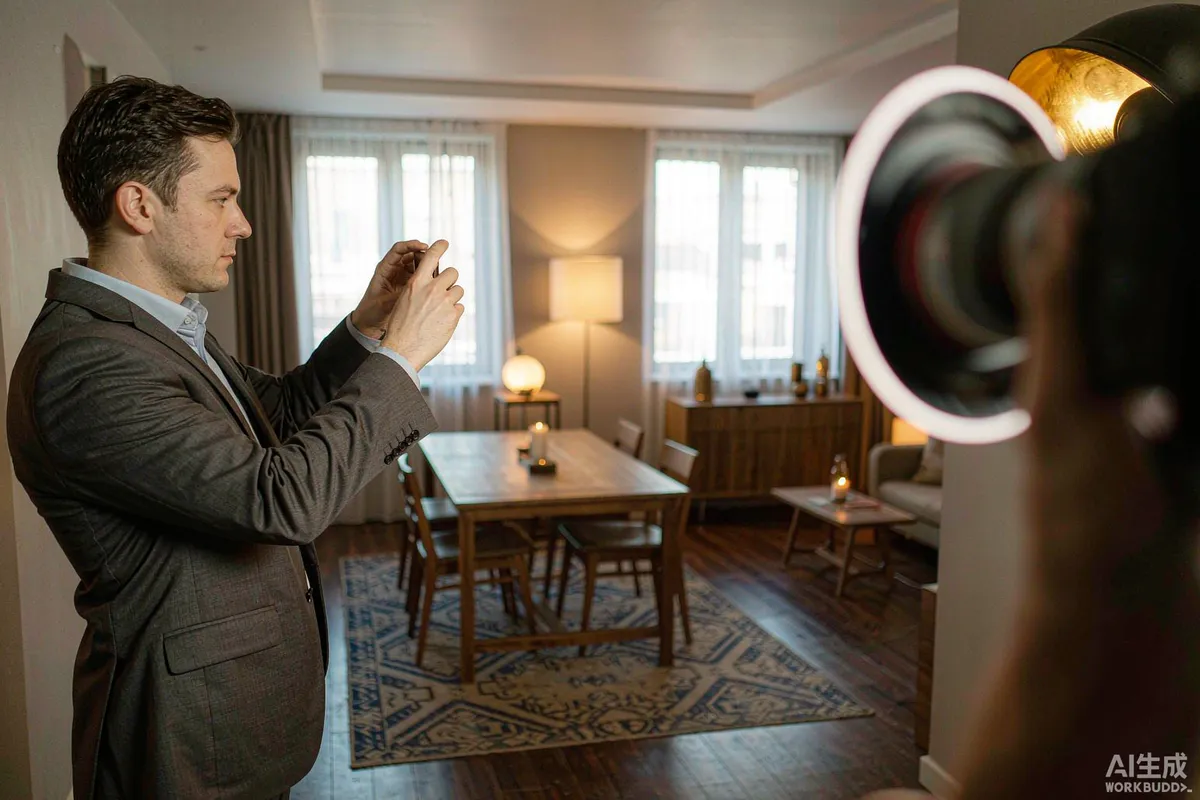
- Photographs do more than adjectives. One image with a person in frame for scale prevents more misunderstandings than any paragraph.
Our article on rental marketing photography covers how to shoot these units so that the listing matches reality.
Expectation Management: The Four Recurring Surprises
Almost every negative capsule review I have read traces to one of four unmet expectations. Each is preventable in the listing.
- Privacy. Large glazing surprises guests who assumed curtains meant blinds. State what the glass is and what screening exists.
- Temperature. A highly glazed unit behaves differently from a cottage in both summer and winter. Say what heating and cooling exist, and how quickly the unit responds.
- Sound. Compact hard-surfaced interiors transmit noise. Being honest about what is audible - wildlife, wind, neighbours - reads as care rather than as a warning.
- Size. Give the floor area and the sleeping arrangement in numbers. "Cosy" is not a number.
What to Say Before the Guest Books
Most disputes start before arrival, in the gap between what a listing implies and what a unit is. Closing that gap in the listing is cheaper than managing it afterwards.
- State the floor area and the sleeping arrangement in numbers. Adjectives are interpreted differently by every reader.
- State what the glass is and what screening exists. This is the single most common surprise.
- State the heating and cooling provision and roughly how quickly the unit responds.
- State the access honestly - parking distance, surface, steps, and whether arrival in darkness is practical.
- State what is not provided rather than leaving it to be discovered.
Guests who book with accurate expectations leave better reviews than guests who booked with flattering ones, even when the unit is identical. That is the commercial case for writing the listing honestly.
Review Risk Specific to the Format
Two risks are distinctive, and both are managed rather than eliminated.
- Novelty decay. The first reviews are often enthusiastic about the novelty itself; later reviews judge it as accommodation. The listing should be written for the second kind of guest.
- Expectation gap on arrival. Guests who arrive in the dark to an unfamiliar building have a worse first impression than those arriving in daylight. Arrival instructions and lighting are part of the review, not logistics. Our guide to house rules and damage deposits covers the parts worth stating in writing.
Pricing, Minimum Stay and Seasonality
Three commercial settings behave differently for a capsule listing than for a conventional holiday let.
- Minimum stay. A two-night minimum usually suits the format: it recovers the higher per-stay servicing effort and reduces the changeover burden that a one-night policy creates for a compact unit.
- Premium positioning. Competing on price against ordinary rooms is a losing strategy for a distinctive unit; competing on distinctiveness is not. Set the rate against other unusual inventory, not against the local average.
- Seasonality. A highly glazed unit has a more pronounced seasonal shape than a well-insulated cottage. In cold or very hot markets, expect stronger shoulder seasons and price accordingly rather than holding one rate all year.
- Cleaning cost per stay. Compact does not mean quick. Glass, a wet room and a distinctive interior take time, and this should be priced into the rate rather than absorbed.
The Platform's Own Requirements
Beyond local law, the platform imposes its own conditions, and breaching them affects listing status rather than just a single booking.
- Accuracy obligations. Listings must match what is provided. Overstating size, facilities or capacity is the fastest route to a penalty.
- Safety disclosures. Most platforms require disclosure of specific features and hazards. Declare what is relevant rather than deciding what seems material.
- Cancellation terms must be applied as published, including where a platform scheme overrides your own policy for certain booking types.
- Response and acceptance expectations affect search placement. A listing that declines or times out repeatedly is penalised in ranking.
- Photography standards. Some platforms specify minimum quality and accuracy standards for images.
Read the platform's current terms for your market rather than relying on summaries, since these change and vary by jurisdiction. Requirements may vary by market and applicable local regulation.
When the Format Performs Well - and When It Does Not
Being candid about this saves owners from a poor fit.
- Performs well where the setting is the attraction, where the market lacks distinctive inventory, and where the owner can respond quickly to issues.
- Performs well for one- and two-night stays, couples, and guests specifically seeking something different.
- Performs poorly in a market competing purely on space per unit of currency, or for family groups needing separate rooms.
- Performs poorly where the site is unremarkable. Without a setting, the unit is competing as a small room.
Channel and pricing decisions - direct versus platform, and how to price shoulder nights - are covered in our article on booking channels, OTA and direct. For the operational setup sequence, see short-term rental setup. If you are considering a unit specifically as a rental asset, tell us the market and we will comment on fit before you order.
More from the Blog

Capsule Home Cost Guide: What You Really Pay in 2026
EXW, shipping, install and the hidden line items — a transparent breakdown of total landed cost.
Read article →
How to Install a Capsule Home in 3 Days: A Step-by-Step Guide
From site prep to first guest — the exact sequence our install crews follow on every deployment.
Read article →
Real Owners, Real Numbers: Success Stories
How a lakeside resort, a Spanish glamping site and a Singapore dealer hit their targets.
Read stories →Talk to the Factory
Ready to Ride the 2026 Wave?
Get the latest catalog, pricing tiers and a layout sketch for your land — straight from the engineering team.