OTAs vs Direct Bookings: Getting the Channel Mix Right for Capsule Rentals
Should capsule home rentals rely on booking platforms or sell direct? How each channel works, what it costs, and how to build a mix as the site grows.
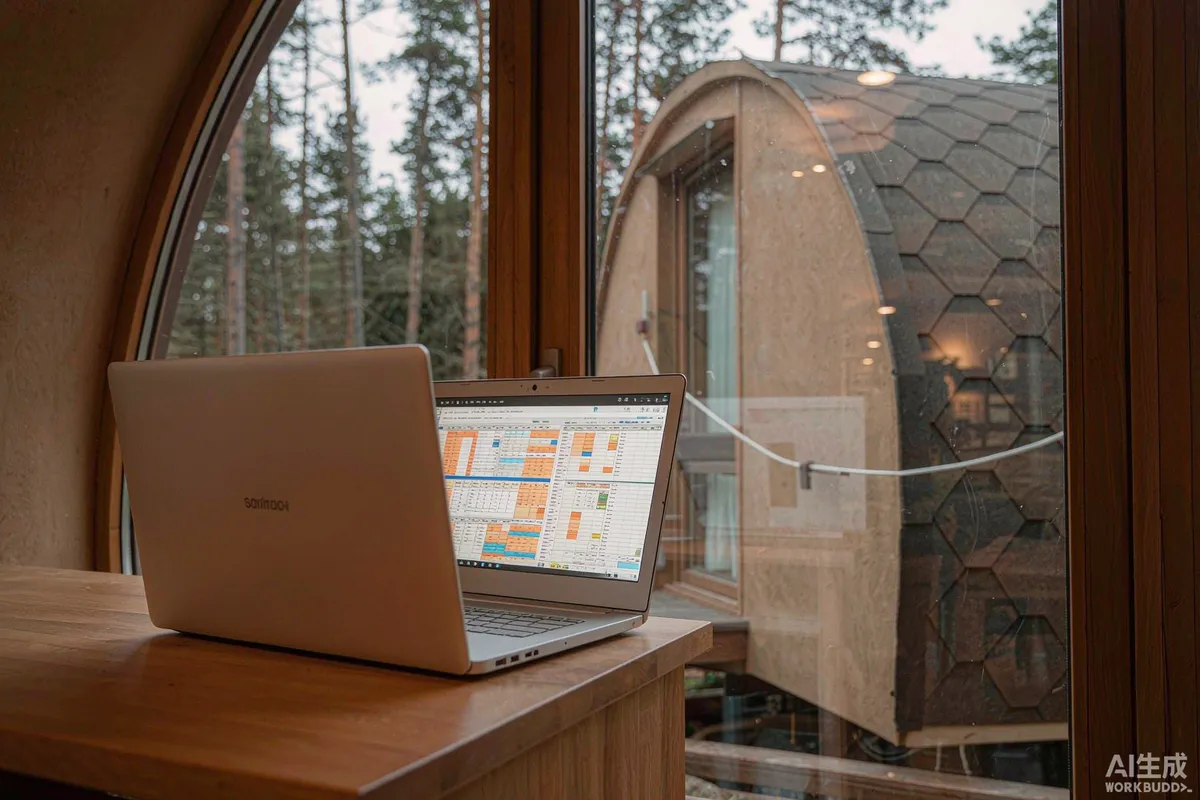
Yes, list your capsule homes on the major booking platforms - especially at the start. Platforms reach travellers you have no other way of reaching, and for a new site with no reviews and no domain authority, that demand is worth paying for. The mistake is treating the listing as the whole strategy and never building anything behind it.
The right question is not "platform or direct" but "what proportion of my bookings do I want to own, and what am I willing to spend to get there". That proportion changes as the site matures, and the costs of each channel are not as different as they look once you count everything.
What Each Channel Actually Buys You
Platforms sell demand. They have the traffic, the search ranking, the trust infrastructure and the payment handling, and they put a distinctive property in front of people who were not looking for you specifically. For a capsule home - a product many travellers have never booked - that discovery function is genuinely valuable.
Direct bookings sell margin and relationship. You keep the commission, you get the guest's contact details, you control the cancellation terms, and you can sell the second stay. What you have to supply yourself is everything the platform was supplying: visibility, trust, payments and support.
- Platforms provide: reach, trust, payment infrastructure, reviews infrastructure, and often some dispute handling.
- Direct provides: margin, guest data, policy control, upsell opportunity, and repeat business.
- Neither provides: a reason to choose your site over the next one. That part is still yours.
The Real Cost of a Platform Booking
Commission is the visible cost and usually the one owners focus on. It is not the whole cost, and sometimes not the largest one.
- Commission - the headline percentage, and whether it is charged on the nightly rate only or on fees and extras as well.
- Payment processing on the amounts you do receive.
- Rate pressure - if you price higher on a platform to cover commission, check whether your agreement and any parity expectation allow different pricing across channels.
- Guest data limits - if you cannot contact the guest afterwards, the repeat stay is harder to win.
- Policy constraints - platform-driven cancellation and alteration rules you may not fully control.
- Support burden - responding to platform messages within the response windows that affect your ranking.
Compare channels on contribution per night after all of those, not on commission alone. A direct booking that costs you a payment fee and a support hour is still usually worth more - but not infinitely more, and not if conversion is poor.
What Direct Booking Actually Requires
Direct selling works when four things are in place. Missing any one of them and the channel underperforms, which leads people to conclude - wrongly - that direct does not work for them.
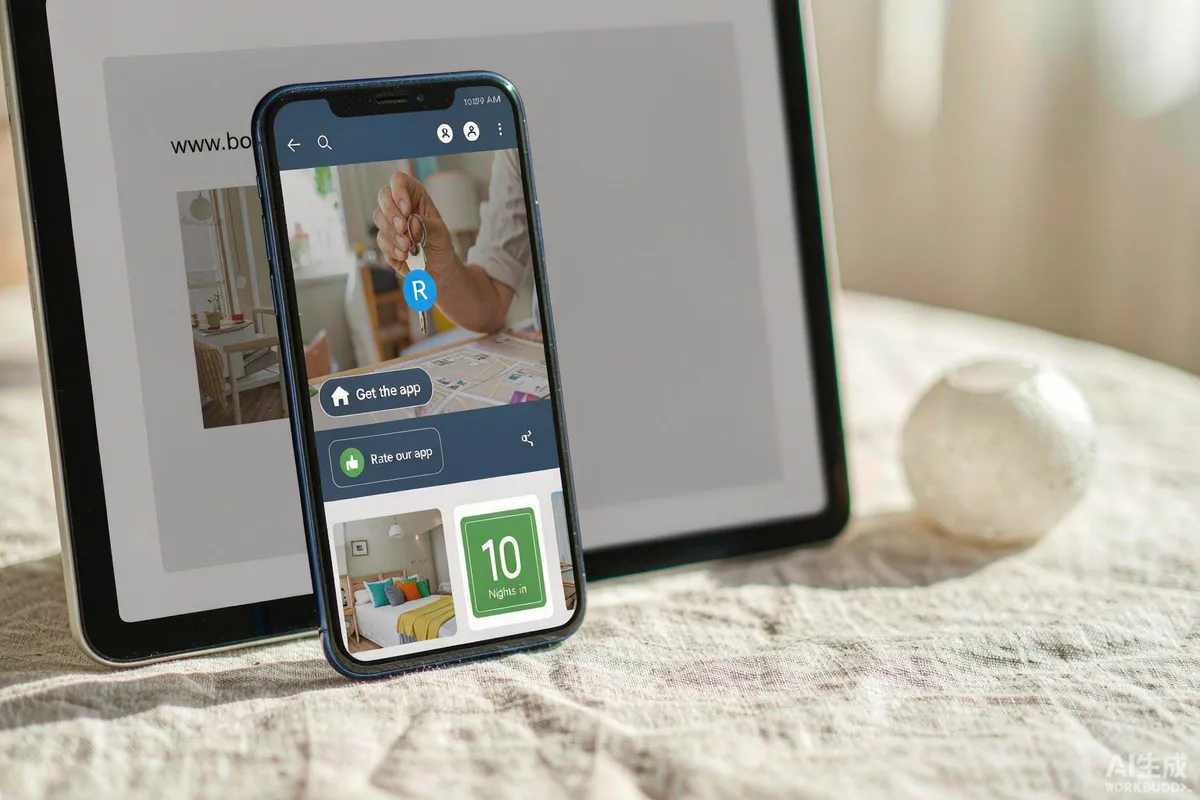
- A way to be found. Search visibility, maps listings, social presence, or existing guest lists. Without traffic, a booking engine is a shop with no door.
- A booking engine that works on a phone. Most direct enquiries arrive on mobile; if selecting dates and paying takes more than a couple of screens, they leave.
- Trust signals. Reviews, real photographs, clear policies, a real address and a way to contact a person. Travellers are being asked to pay an unknown operator in advance.
- A reason to book direct. A small, honest incentive or a benefit the platform cannot offer - a flexible arrival time, a welcome provision, or a rate that reflects what you saved.
None of these are expensive individually. What they require is consistency: a direct channel that is half-built produces worse results than no direct channel, because it creates the impression that you are difficult to book.
Channel Mix by Stage
| Stage | Practicable mix | Priority |
|---|---|---|
| Pre-launch, no reviews | Platform-heavy | Get bookable, collect reviews, learn what guests ask |
| First season | Mostly platform, direct being built | Build the guest list; photograph properly; stabilise operations |
| Established, reviewed | Balanced | Convert past guests to direct; improve search visibility |
| Mature, repeat demand | Direct-leaning | Protect occupancy with platforms while maximising margin direct |
| Off-peak or new market | Platform-heavy again | Buy demand you cannot generate yet |
Notice that the mix moves back towards platforms whenever you enter a market or a season where your own demand is thin. That is not a failure; it is what the channel is for.
Cancellation Policy Is a Channel Decision
Your cancellation terms interact with channel choice more than most operators expect. Stricter terms protect revenue but reduce conversion, particularly from guests booking a category they have not tried before - and a capsule home is exactly that for many travellers.
- Keep terms consistent and legible across channels so nobody feels misled.
- Decide whether platform and direct terms differ, and be clear about it at the point of booking.
- Check what the platform requires before promising something your listing cannot honour.
- Be explicit about weather and access at sites with seasonal roads, so disputes do not start from ambiguity.
- Consider whether travel insurance or a clear rebooking offer resolves more situations than a strict policy does.
Guest Data and the Second Stay
The most valuable asset a platform booking does not automatically give you is the guest. A repeat booking costs you almost nothing to acquire and carries no commission if it comes direct - which is why capturing contact details properly, within the rules of each channel and applicable data protection law, matters more than the margin on any single night.
- Use every lawful opportunity to build your own list, with consent recorded.
- Follow up once, well - a short message after the stay works better than a campaign.
- Make the return path obvious in any post-stay communication.
- Respect data protection obligations in every market you sell into; these differ and they are not optional.
Metrics Worth Tracking
Channel decisions should be made on numbers rather than instinct. A small set tracked consistently is enough.
- Share of nights by channel - the headline mix.
- Contribution per night after all costs - the comparison that actually matters.
- Lead time by channel - platforms often book shorter, which affects how you use them.
- Repeat rate - how much of your demand you own.
- Cancellation rate by channel - often surprisingly different.
- Cost of acquisition for direct - time and money spent, so the comparison is honest.
Mistakes That Cost Occupancy
- Treating commission as the only cost of a platform booking.
- Sending platform enquirers to a website that cannot complete a booking.
- Pricing direct identically to platforms and then wondering why nobody books direct.
- Ignoring response-time metrics that affect platform ranking.
- Building the direct channel during peak season when nobody has time to finish it.
- Assuming repeat guests will find you again without a deliberate return path.
- Letting availability fall out of sync across channels, which produces double bookings and refunds.
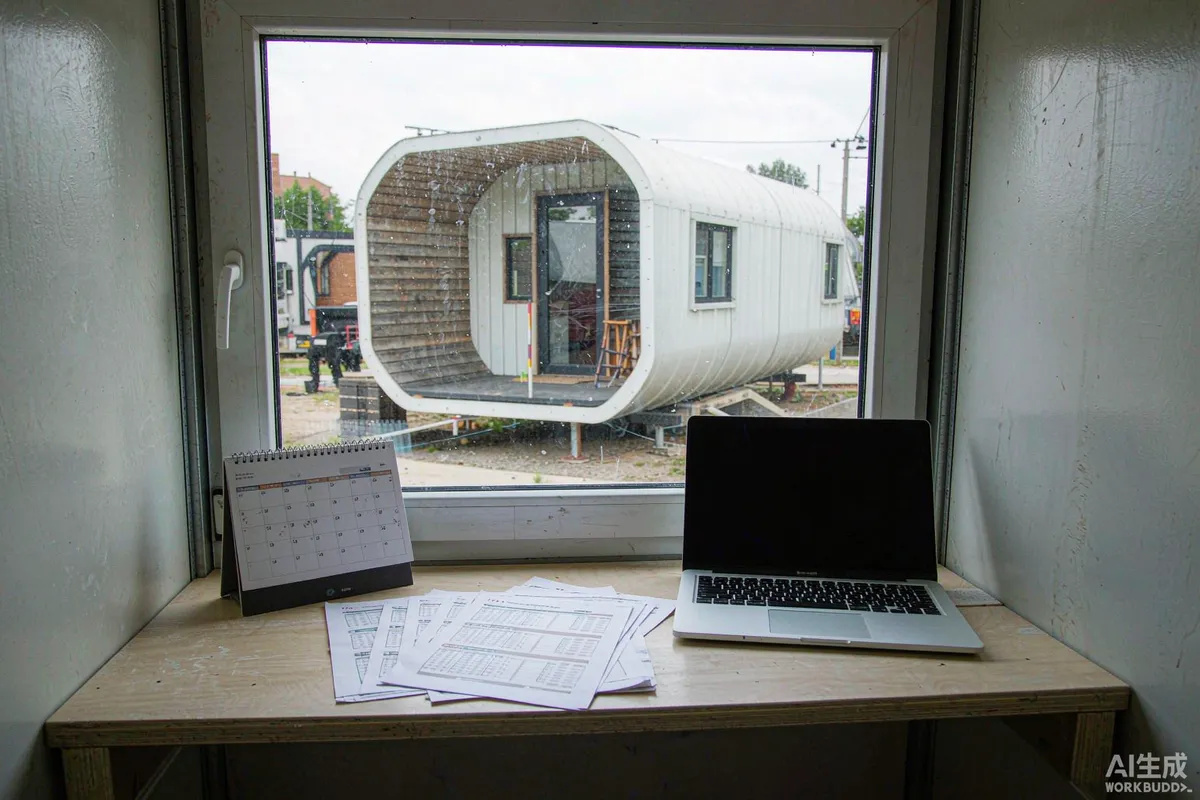
Availability synchronisation deserves particular attention. As soon as you sell on more than one channel, a central calendar is not a luxury - a double booking costs more than any commission saving.
A Practical Checklist
- List on platforms from the start, and treat the listing as acquisition.
- Calculate contribution per night per channel, including all costs.
- Build direct in the off-season, on a phone-first booking flow.
- Give guests a genuine reason to book direct.
- Keep availability synchronised across every channel.
- Capture guest contacts lawfully and follow up once, well.
- Track share, contribution, lead time, repeat rate and cancellations monthly.
- Rebalance the mix each season rather than setting it once.
The operators who do well over several years are not the ones who avoid platforms or the ones who only use them. They are the ones who know what each channel costs, what it delivers, and who adjust the mix deliberately as their own demand grows.
More from the Blog

Capsule Home Cost Guide: What You Really Pay in 2026
EXW, shipping, install and the hidden line items — a transparent breakdown of total landed cost.
Read article →
How to Install a Capsule Home in 3 Days: A Step-by-Step Guide
From site prep to first guest — the exact sequence our install crews follow on every deployment.
Read article →
Real Owners, Real Numbers: Success Stories
How a lakeside resort, a Spanish glamping site and a Singapore dealer hit their targets.
Read stories →Talk to the Factory
Ready to Ride the 2026 Wave?
Get the latest catalog, pricing tiers and a layout sketch for your land — straight from the engineering team.