House Rules, Damage Deposits and Guest Agreements for Capsule Rentals
How to set house rules, deposits and guest agreements for capsule home rentals - what to cover, how to state it, and how to handle claims without damaging reviews.
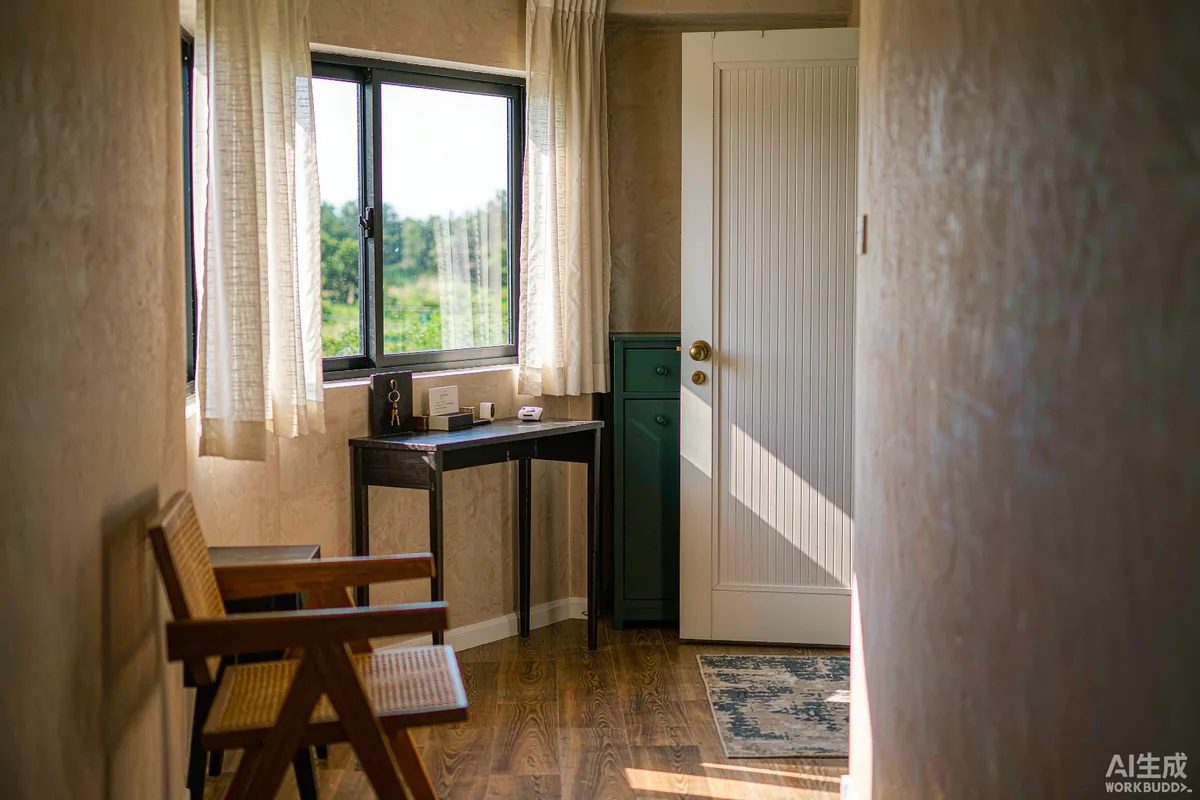
House rules exist for two reasons: to protect a unit that is more expensive to repair than a standard hotel room, and to set expectations so that guests are not surprised. Deposits exist to make the consequences of damage clear and recoverable. Neither works if the guest first encounters them at check-in, or if they are written in language designed to be legally safe rather than understood.
The commercial reality is that most guests treat a unit well. A small minority cause damage. The purpose of a good agreement is to handle that minority efficiently without making the majority feel distrusted - because a guest who feels distrusted leaves a review saying so.
Start With the Rules That Actually Prevent Damage
Long rule lists are counterproductive: guests stop reading, and the important items disappear among the trivial ones. Write the short list that maps to real damage you have seen or can reasonably expect.
- Occupancy. The maximum the unit is designed for, and whether visitors are permitted.
- Smoking and open flame. Inside, and how near the unit outside - which is also a fire-safety matter.
- Glazing and doors. What to close before leaving, and in windy conditions. Large panels are expensive.
- Heating and ventilation. Settings to leave when out, and running extraction while showering or cooking.
- Water and waste. What must not go down the drains, which matters especially where a septic or treatment system is used.
- Noise and quiet hours, framed as consideration for neighbours and other guests.
- Pets - permitted or not, and on what terms if they are.
- Outdoor fires and barbecues - where they are allowed and where they are not.
- Parking - where, and how many vehicles.
- Check-out time and what state the unit should be left in.
Every rule should have a reason attached, briefly. "Please close the large door in wind - the hinges and seals are not designed for it moving freely in gusts" is a request a guest will remember. "Do not leave door open" is a line to be ignored.
Where and When to Present the Agreement
Timing determines whether the agreement works. Presented at the right moment it reads as information; presented at the wrong moment it reads as a threat.
- At booking. The headline points, in plain language, in the listing and the confirmation.
- In the pre-arrival message. The key rules plus arrival and access details.
- In the unit. The welcome folder, with the full list.
- At check-in, if there is one. A verbal mention of the two or three that matter at this site.
A rule that first appears when a guest is standing at the door with luggage will be resented regardless of how reasonable it is. Repetition in the right places is not nagging - it is how people absorb unfamiliar information.
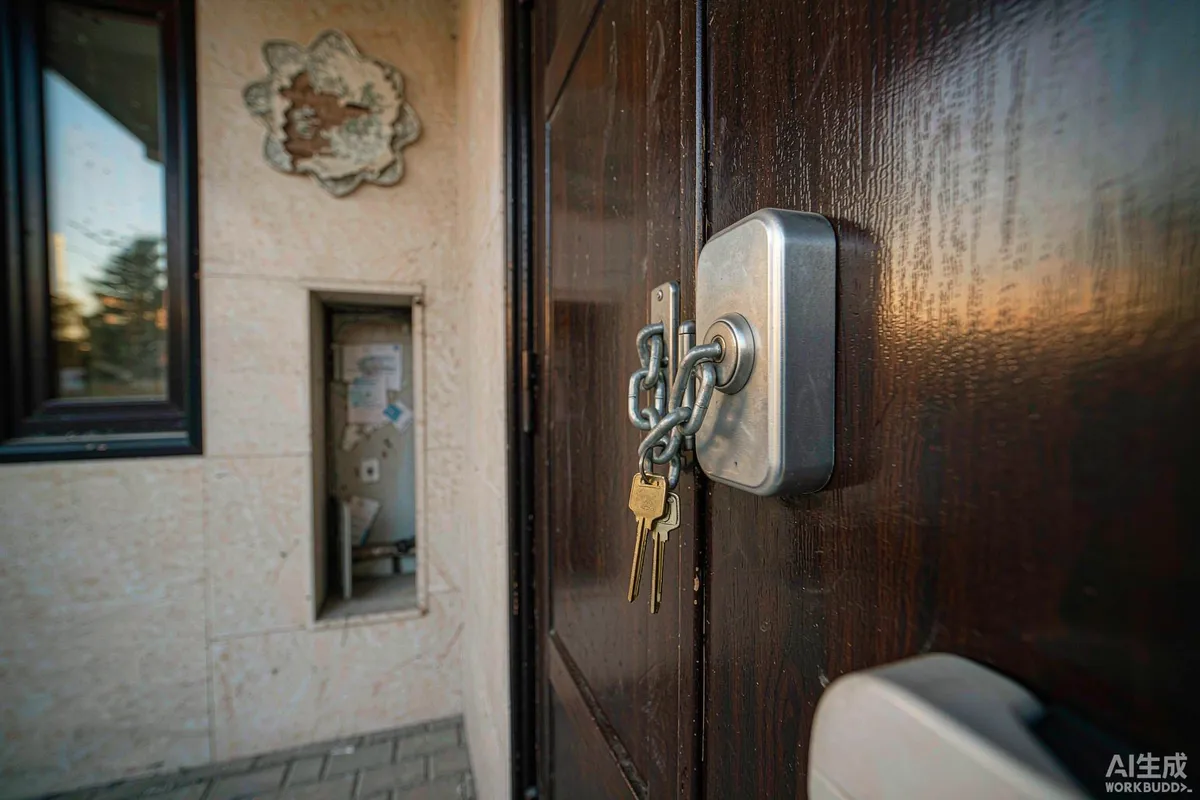
Deposit, Waiver, or Neither?
There are three common approaches, and they suit different operations.
| Approach | How it works | Suits | Watch for |
|---|---|---|---|
| Refundable deposit hold | An amount is held or pre-authorised and released after check-out | Higher-value units, longer stays | Release timing complaints; card limits; administration |
| Damage waiver fee | A small non-refundable fee covers defined damage up to a limit | High-turnover, short stays | Scope must be clear; it does not cover everything |
| No deposit | Damage absorbed or pursued after the fact | Low-risk, well-managed sites | Recovery is difficult once the guest has gone |
Whichever you use, the scope has to be written down. "Covers accidental damage to the interior up to a stated amount, excluding..." is a sentence that prevents most arguments. Whether a hold or a waiver is appropriate, and what consumer rules apply to taking or retaining funds, varies by market - check before adopting a model.
Defining Damage Versus Wear
This distinction is where most disputes sit, and it is worth defining in your own documentation before you need it.
- Wear is the expected result of normal use: light scuffing, minor marks on soft furnishings, fading over time.
- Damage is a specific event with a cause: a broken panel, a stained mattress, a cracked glazing unit, a burned surface.
- Loss is missing inventory: kitchenware, linen, remote controls, keys.
- Neglect is a failure to follow an instruction with a consequence - a unit left unheated in freezing weather being the classic example.
Write examples into the agreement. "A glass marked by normal use is wear; a chipped basin is damage" resolves more disputes in advance than any amount of general wording.
Evidence, Timing and Process
When something does go wrong, the outcome usually depends on how promptly and how calmly it is handled.
- Inspect promptly after check-out, ideally the same day, before the next arrival resets the scene.
- Photograph everything, including a wide shot showing context and a close shot showing the detail.
- Keep the item if it is broken and safe to keep, until the matter is resolved.
- Price the remedy with a quote or an invoice, not an estimate from memory.
- Notify the guest quickly and factually, with photographs attached and a clear number.
- Allow a response before any deduction is taken.
- Record the outcome, including anything you waived and why.
Speed matters. A claim raised three days later, after the unit has been cleaned and re-let, is very hard to sustain and easy for a guest to dismiss. A claim raised the same afternoon with photographs is usually accepted.
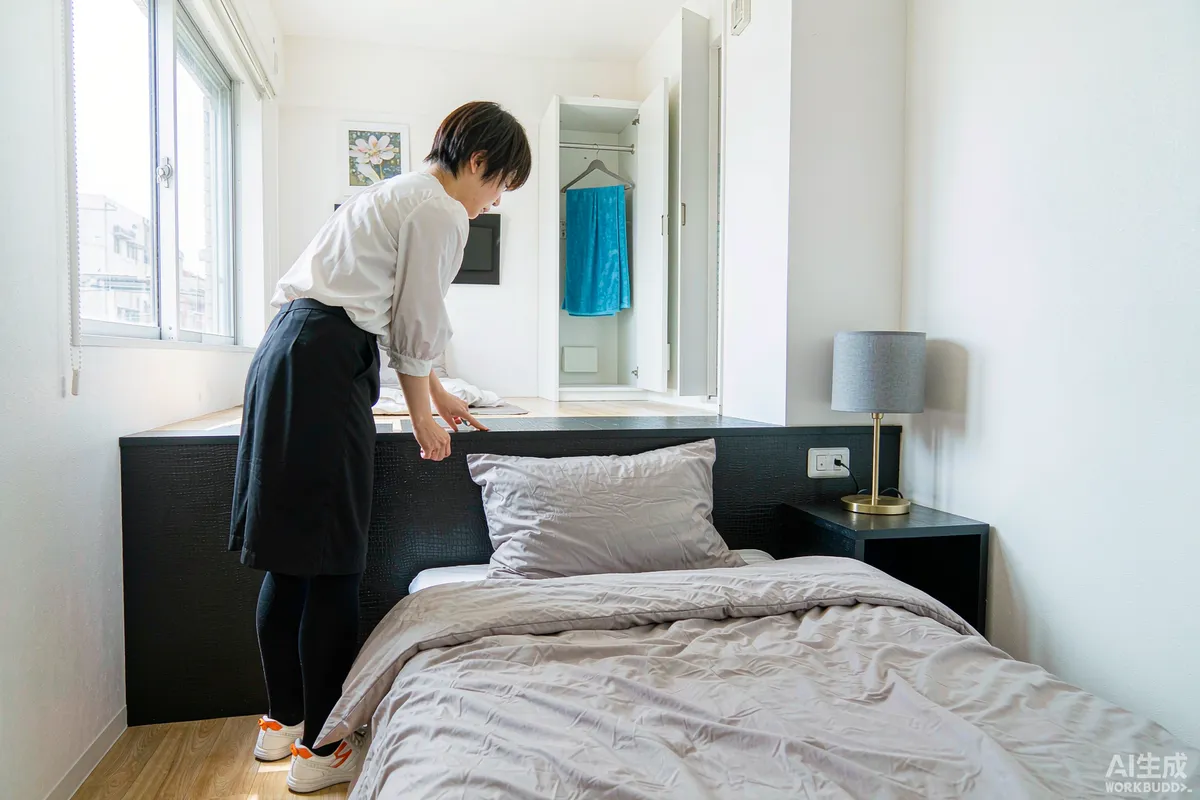
Handling Claims Without Damaging the Relationship
The tone of the first message largely determines the review. Assume carelessness rather than malice until there is reason to think otherwise.
- Describe, do not accuse. "The glazing unit has a crack here" rather than "you broke the window."
- Attach the evidence rather than asking the guest to take your word for it.
- State the amount and its basis - the invoice, not a round number.
- Offer the cheaper option where one exists, such as repair rather than replacement.
- Separate genuine accidents from rule breaches and treat them differently.
- Know when to let it go. Chasing a small amount at the cost of a public dispute is rarely a good trade.
- Keep the channel written so there is a record of what was said on both sides.
Inventory and Condition Records
A claim depends on knowing what the unit contained and what condition it was in beforehand. This is unglamorous and decisive.
- An inventory per unit, with quantities, reviewed when anything is added or removed.
- Dated photographs of each unit in good condition, refreshed after any refurbishment.
- A serial or asset record for major items and appliances.
- A maintenance log showing pre-existing issues, so a guest is not charged for something already noted.
- A check-out checklist completed by housekeeping, signed or initialled, every turnover.
A Short Checklist
- Rules limited to what prevents real damage, each with a reason.
- Agreement presented at booking, pre-arrival and in the unit.
- Deposit, waiver or neither - chosen deliberately, scope written down.
- Damage versus wear defined with examples.
- Same-day inspection with photographs, and a fast, factual claim message.
- Inventory and condition records maintained per unit.
- Consumer and tenancy requirements for your market checked before adopting a model.
Legal requirements relating to deposits, deductions, short-stay agreements and consumer rights vary significantly between markets, and in some places depend on how the stay is classified. Requirements may vary by application, market and applicable standard. Have your agreement reviewed by a qualified local professional before use.
More from the Blog

Capsule Home Cost Guide: What You Really Pay in 2026
EXW, shipping, install and the hidden line items — a transparent breakdown of total landed cost.
Read article →
How to Install a Capsule Home in 3 Days: A Step-by-Step Guide
From site prep to first guest — the exact sequence our install crews follow on every deployment.
Read article →
Real Owners, Real Numbers: Success Stories
How a lakeside resort, a Spanish glamping site and a Singapore dealer hit their targets.
Read stories →Talk to the Factory
Ready to Ride the 2026 Wave?
Get the latest catalog, pricing tiers and a layout sketch for your land — straight from the engineering team.