Setting Up a Capsule Home as a Short-Term Rental
From listing photos to house rules: how to prepare a capsule home for short-term letting, including staging, access, cleaning turnaround and off-season use.
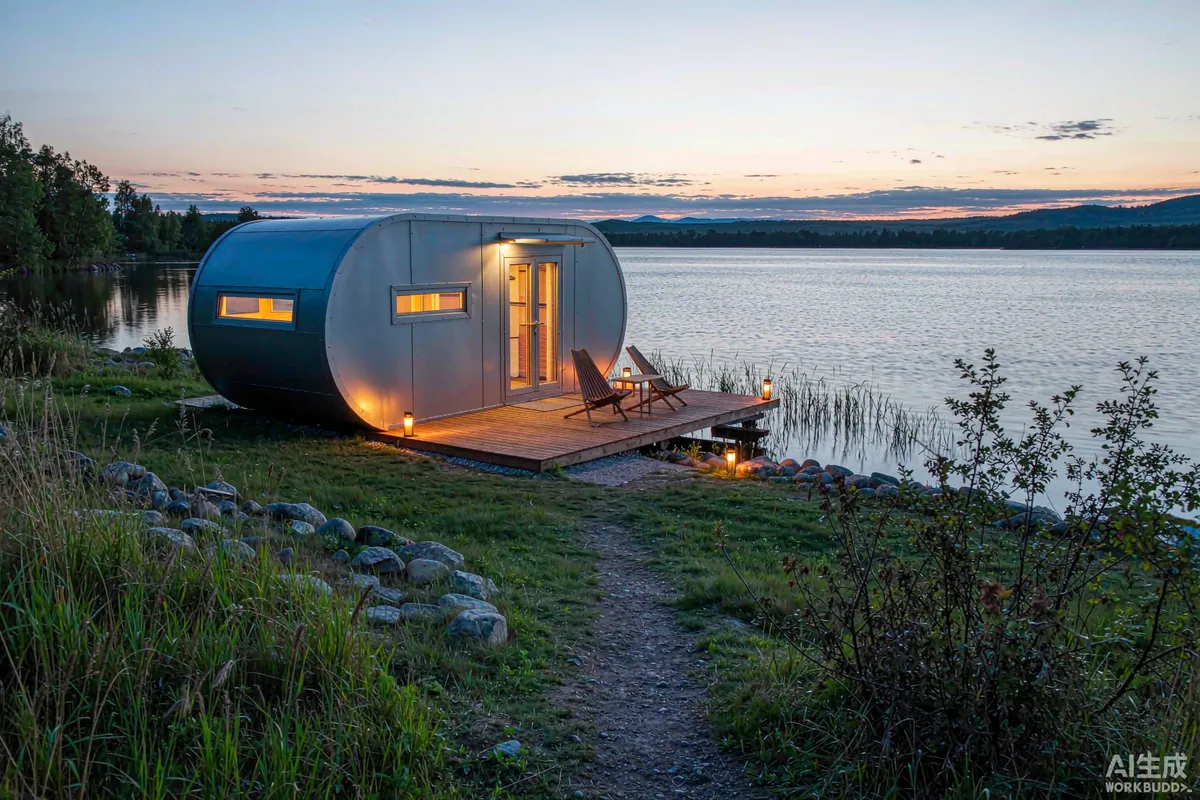
A capsule home can be guest-ready within days of placement, because the interior arrives finished. What takes time is everything around the unit: photography, access, cleaning supply, listing copy and the small operational decisions that determine whether a stay runs smoothly. Set those up once, carefully, and each subsequent booking costs you very little.
Before You List: Decide Who You Are Hosting
The choices below follow from one decision - who the unit is for. A couples' weekend retreat, a family base for a national park, and a remote-work week are three different products, and they need different furniture, different copy and different amenities. Trying to serve all three usually produces a listing that converts poorly for each.
- Couples and solo travelers. Prioritize the view, lighting and a comfortable bed. Occupancy comes from weekday and shoulder-season nights.
- Families. Prioritize storage, durable finishes and safe external circulation.
- Remote workers. Prioritize desk space, connectivity and a heating pattern that holds steady all day.
Photography Comes First
Your photographs are the product. Shoot after staging is complete, in good weather, and include three types of frame: the hero exterior at the best time of day, the interior from the doorway looking toward the glazing, and two or three detail shots that communicate comfort rather than dimensions.
- Shoot the exterior at dusk with interior lights on - this is usually the strongest frame for a glazed unit.
- Include one wide interior that shows the whole layout in a single image.
- Include one detail of the bed, one of the kitchenette, one of the bathroom.
- Include one honest context shot showing approach, parking and distance to the view.
Context shots reduce complaints. Guests who can see the path, the steps and the parking before they arrive arrive with the right expectations.
Staging: Fewer, Better Items
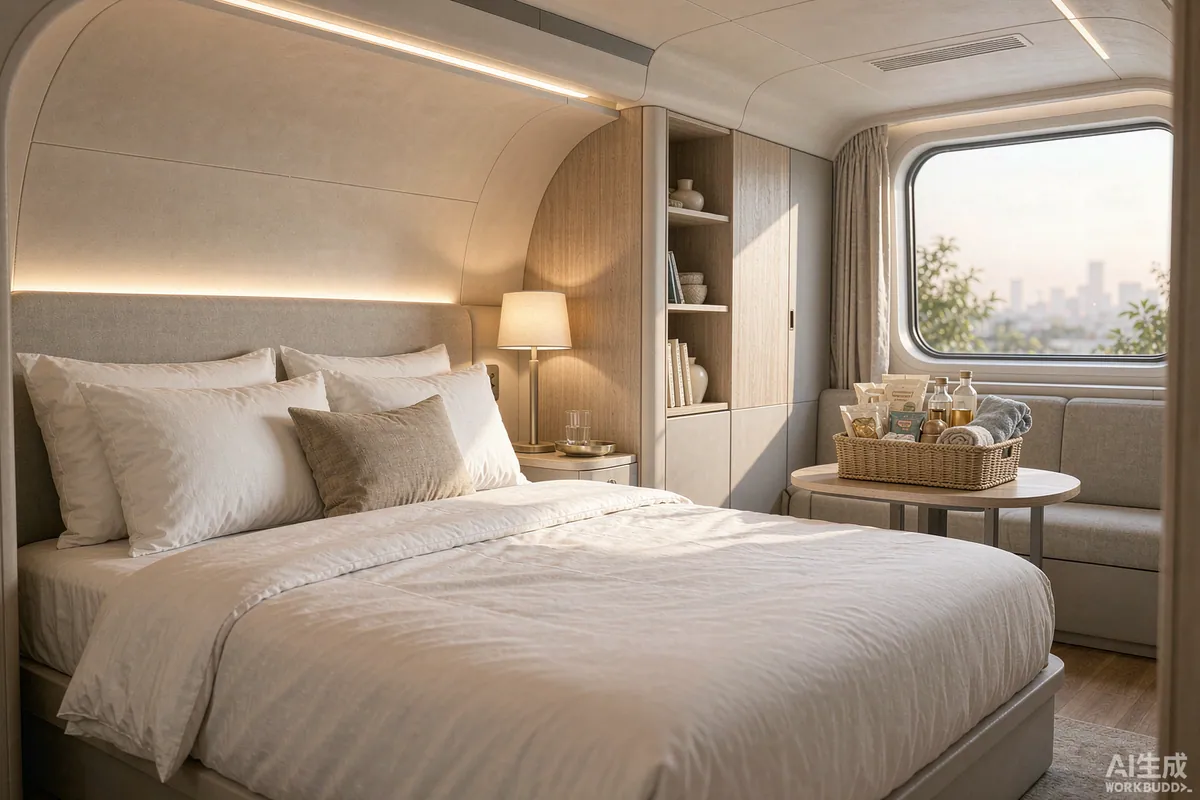
Compact interiors reward restraint. Choose a small number of items that carry the room - good bedding, a proper lamp, a chair positioned to face the view - and keep surfaces clear. Every object in a small space has to justify its place, both visually and functionally.
| Include | Skip |
|---|---|
| Quality bedding and two pillow options | Excess cushions and throws |
| One comfortable chair facing the view | Second seating that blocks circulation |
| Luggage storage and hooks | Bulky freestanding wardrobes |
| A welcome card with the four things guests ask | Long printed binders nobody reads |
Access and Check-In
Self-check-in is standard now, and it removes the single most common source of friction. A lockbox or smart lock, clear arrival instructions with a photograph of the door, and a lighting scene that is already on when guests arrive will prevent most late-night messages.
- Send directions as a pin plus a written description; cellular coverage is rarely universal on rural plots.
- Light the path from parking to door, with a low-level setting that stays on all night.
- Leave heating on a low setpoint in winter so the unit is never cold on arrival.
- Keep one physical key in a lockbox even if you use a smart lock, as a fallback.
Cleaning Turnaround
Design the unit for a fast changeover. Fewer textiles, wipeable surfaces and a single linen store all cut minutes, and minutes matter when you are turning a unit on the same day. Write a one-page checklist for the cleaner with photographs of how the unit should look when finished, and store spare linen on site rather than transporting it.
Decide your minimum gap between stays and hold to it. A rushed changeover produces the review you do not want, and a single poor review costs more than an empty night.
House Rules That Prevent Problems
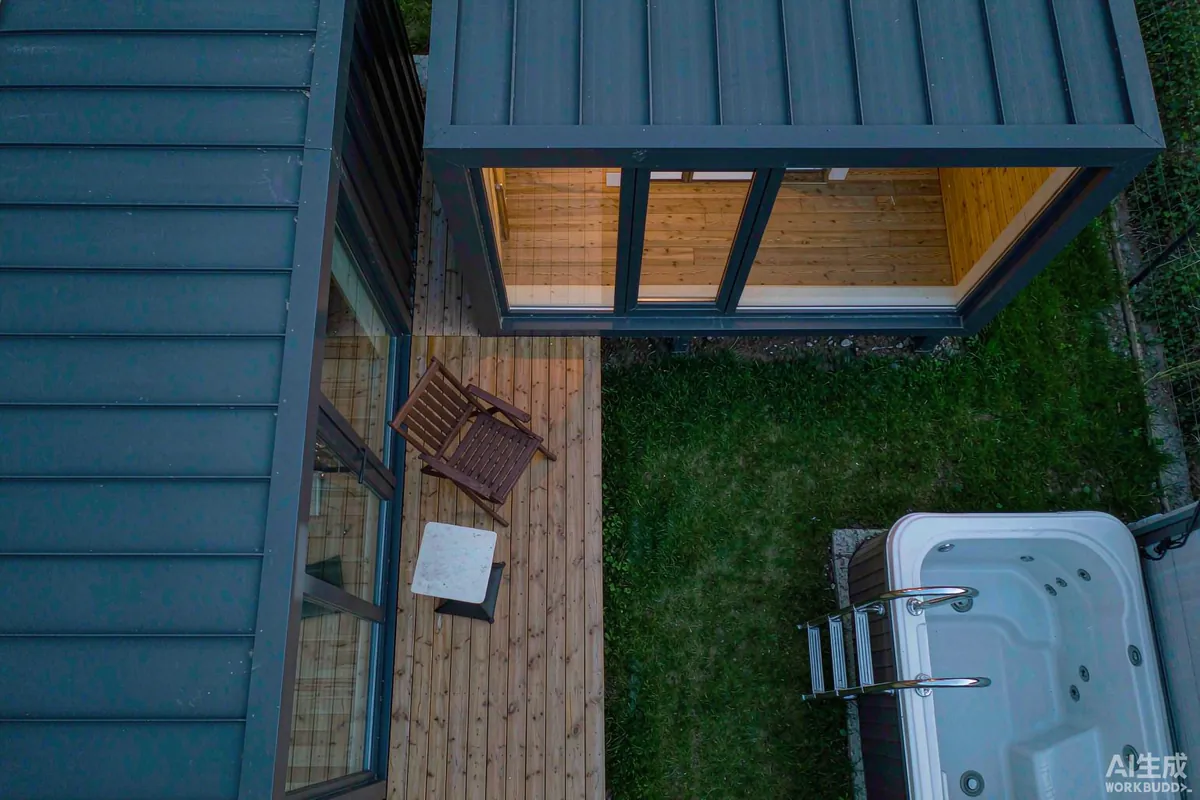
Most disputes come from a small number of recurring questions. Answer them in the listing, in the welcome card, and in the house rules: parking, quiet hours, heating and ventilation, what can go down the drain, and what to do if something stops working. Keep the tone practical rather than legalistic - guests follow clear reasons better than long prohibitions.
If the unit is off-grid or on a septic system, say so plainly and explain the one or two behaviors that matter. Guests are generally happy to cooperate when the reason is explained.
Pricing and Seasonality
Set a base rate, then build rules rather than guessing each week: a weekend premium, a low-season floor, a discount for stays of a week or more, and a minimum stay that matches your cleaning capacity. Review actual bookings monthly rather than reacting daily - one slow week is noise, a slow quarter is a signal.
Off-season is where capsule rentals are won or lost in colder markets. A unit with good insulation, a reliable heat source and a reason to visit in winter - dark skies, a storm view, a nearby trail - will hold occupancy when an unheated alternative cannot.
Using the A Series for Rental
A compact A30 suits one or two guests and turns around quickly, which makes it a good first unit. An A50 medium gives enough room for a small family and a proper kitchenette, and it widens your addressable market. A double-deck A70 separates sleeping from living, which supports longer stays and a higher nightly rate. If you plan to operate several, standardize on one model for linen, cleaning and spare parts - the operational saving across a small fleet is larger than it looks.
First 30 Days
Stay in the unit yourself for one night before the first guest. You will find the loose doorstop, the missing spoon, the light switch nobody can locate and the path that needs a lamp - all of it cheap to fix now and expensive in review form later.
The First Ten Reviews
Early reviews set the trajectory of a listing, so the first weeks deserve more attention than the steady state. Read every review for the difference between what guests liked and what they mentioned twice - repetition is the signal, because one comment is taste and three are a defect.
What Guests Actually Comment On
Across small, design-led units the same themes recur. Guests rarely comment on the structure; they comment on the things they touched.
- Bedding and temperature. The two most common drivers of both five-star and three-star reviews.
- Arrival clarity. Finding the unit in the dark is where a stay is won or lost.
- Water pressure and hot water recovery. Particularly in compact units with a single heater.
- Wi-Fi reliability. Mentioned constantly when it fails, never when it works.
- Noise. From roads, neighbors, or the building itself - and it is almost always fixable with information or a small adjustment.
Respond and Then Fix
Reply to every review briefly and without defensiveness, then fix the underlying issue before the next stay. A listing that visibly improves earns the benefit of the doubt on the small things; one that argues with its guests does not.
If a recurring problem is genuinely outside your control - a neighboring property, a seasonal insect, a road - say so in the listing before arrival. Guests are far more forgiving of a disclosed inconvenience than of a surprise.
Build the Listing Around the Stay
Once you have ten reviews, rewrite the description using the language guests used. The words they chose are the words the next guest is searching for, and they describe the experience more accurately than anything written before the unit opened.
Photography can then be refreshed with a second seasonal set - the same unit in a different light widens the range of dates people can imagine staying, which is one of the few marketing actions that raises occupancy without lowering the rate.
More from the Blog
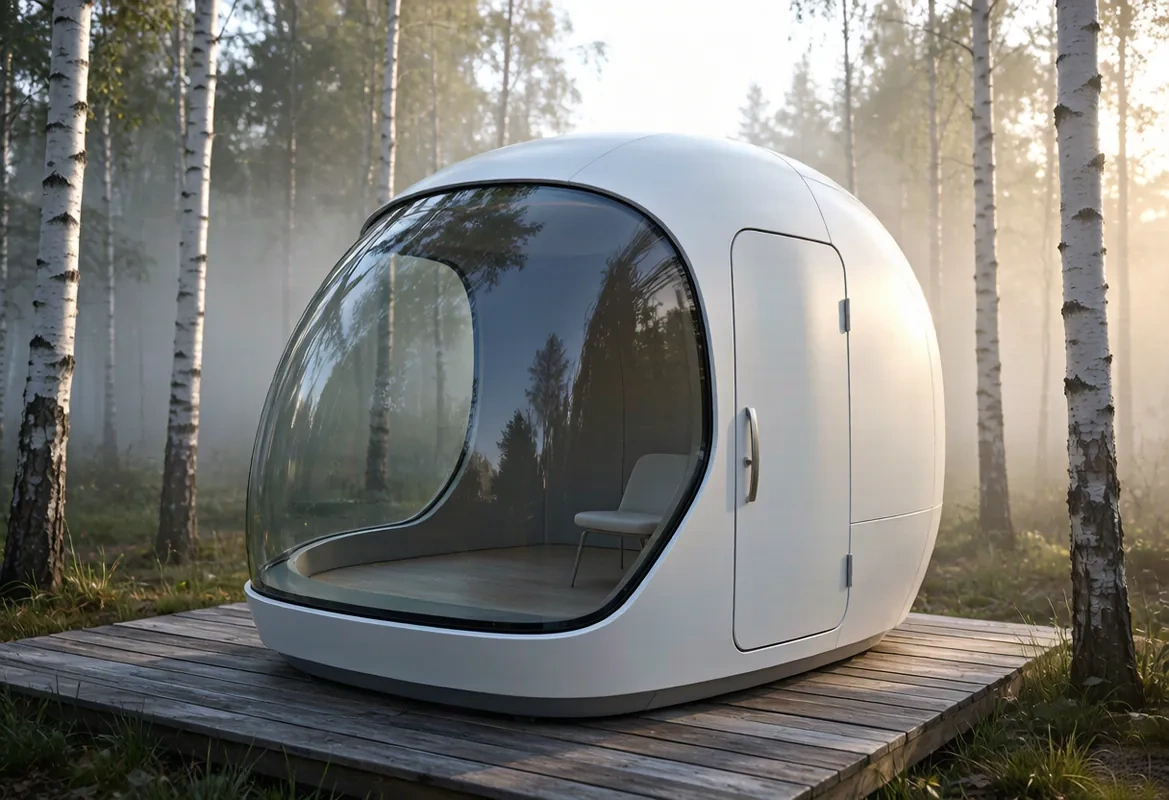
Capsule Home Cost Guide: What You Really Pay in 2026
EXW, shipping, install and the hidden line items — a transparent breakdown of total landed cost.
Read article →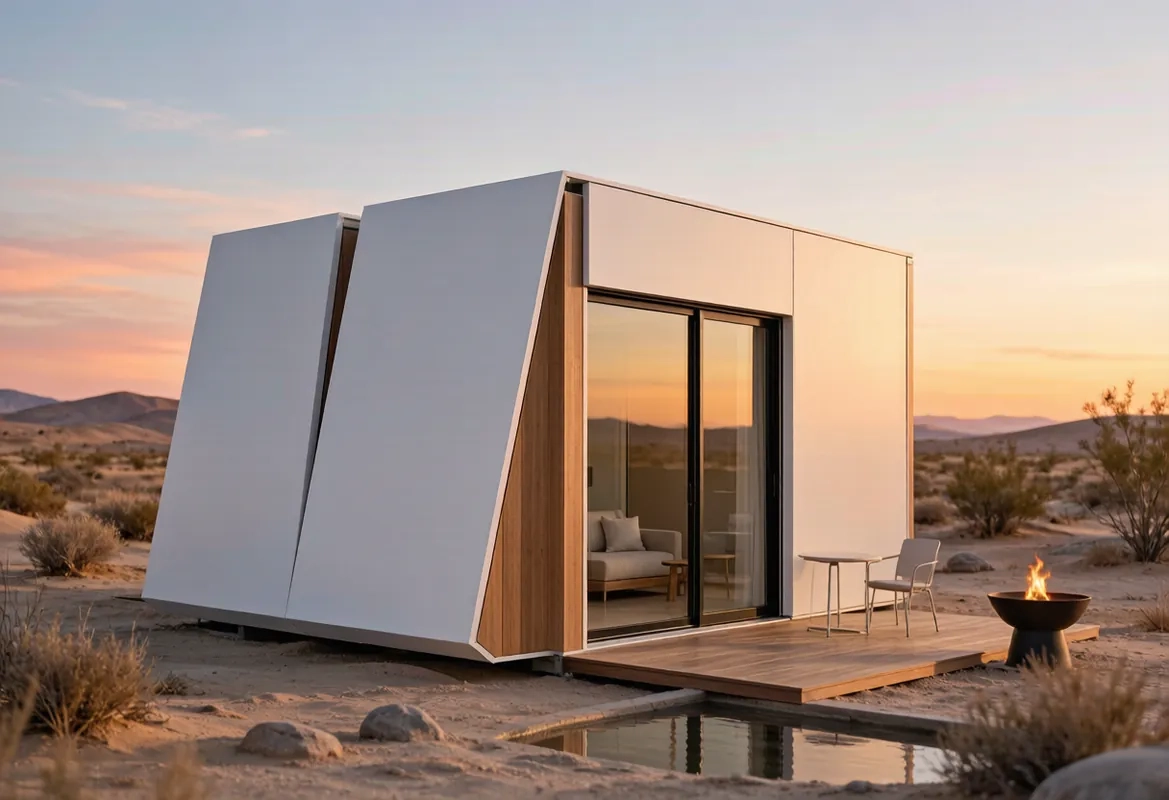
How to Install a Capsule Home in 3 Days: A Step-by-Step Guide
From site prep to first guest — the exact sequence our install crews follow on every deployment.
Read article →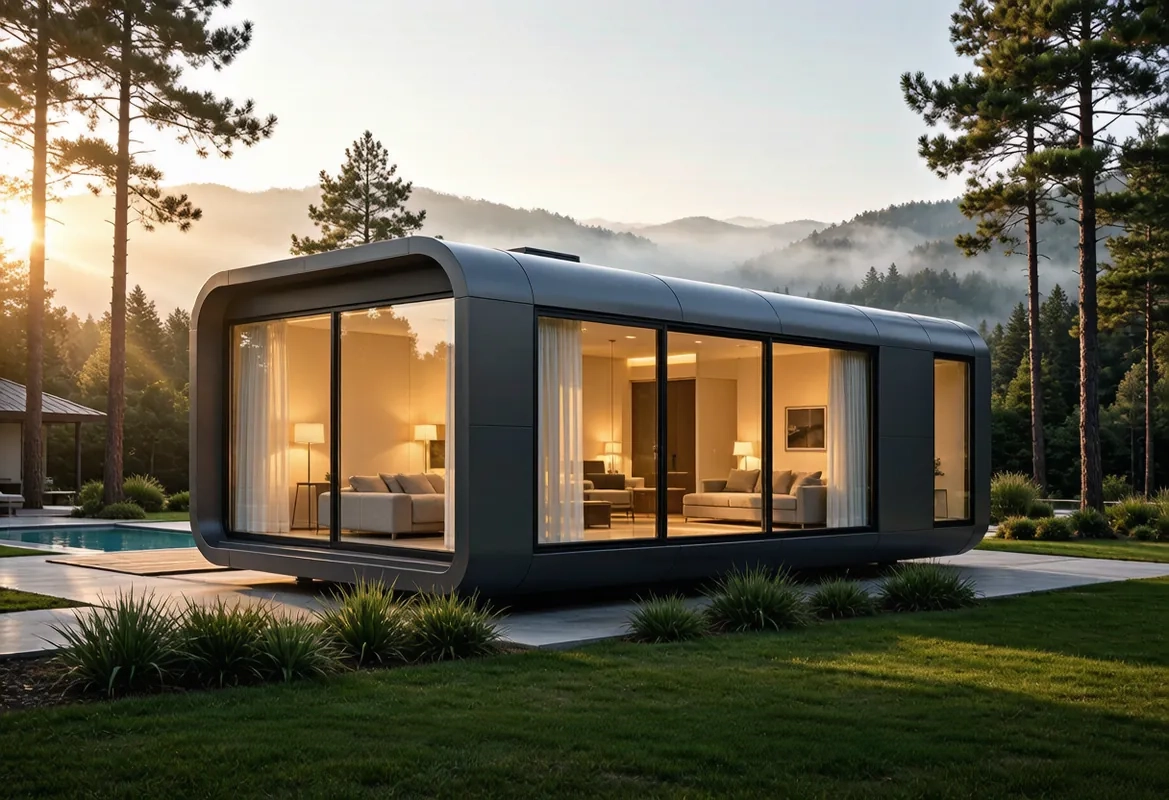
Real Owners, Real Numbers: Success Stories
How a lakeside resort, a Spanish glamping site and a Singapore dealer hit their targets.
Read stories →Talk to the Factory
Ready to Ride the 2026 Wave?
Get the latest catalog, pricing tiers and a layout sketch for your land — straight from the engineering team.