Luxury Glamping Pods for Resorts: Specs and Cost
What separates a luxury glamping pod from a standard one: glazing, acoustics, wet room, outdoor space, servicing and the options worth paying for.
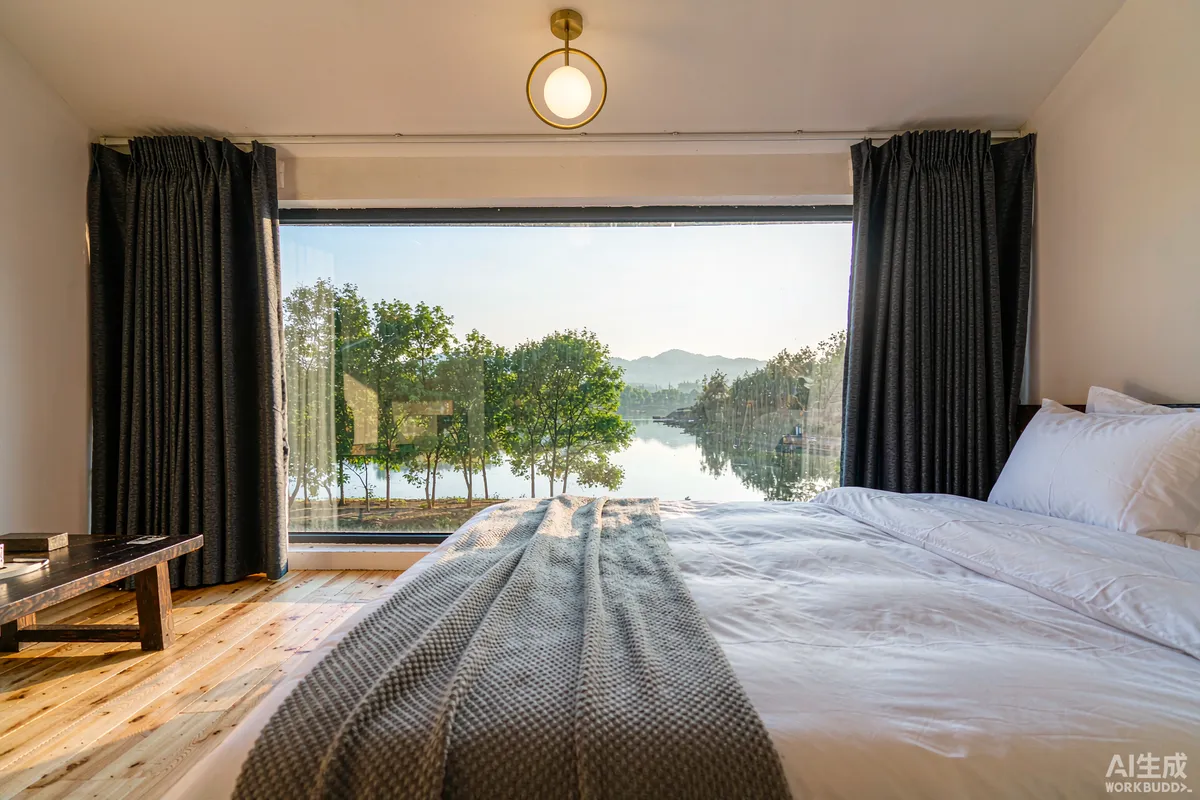
At the top of the market, "luxury" is not a finish level - it is a set of specific decisions about glazing, space, servicing and quiet. Some of those decisions cost money and change what a guest experiences; others cost money and change only the invoice. This page separates the two and sets out the operating implications of running pods at this level. For the general procurement route, see our glamping pods buying guide.
What Luxury Actually Consists Of
| Element | Standard specification | Luxury specification | Guest impact |
|---|---|---|---|
| Glazing | Double glazed, standard frame | Large-format solar control glazing, thermally broken frame, minimal sightlines | High - the outlook is the product |
| Envelope | Standard insulation build-up | Upgraded insulation, acoustic layer, refined exterior detailing | High - quiet is what guests remember |
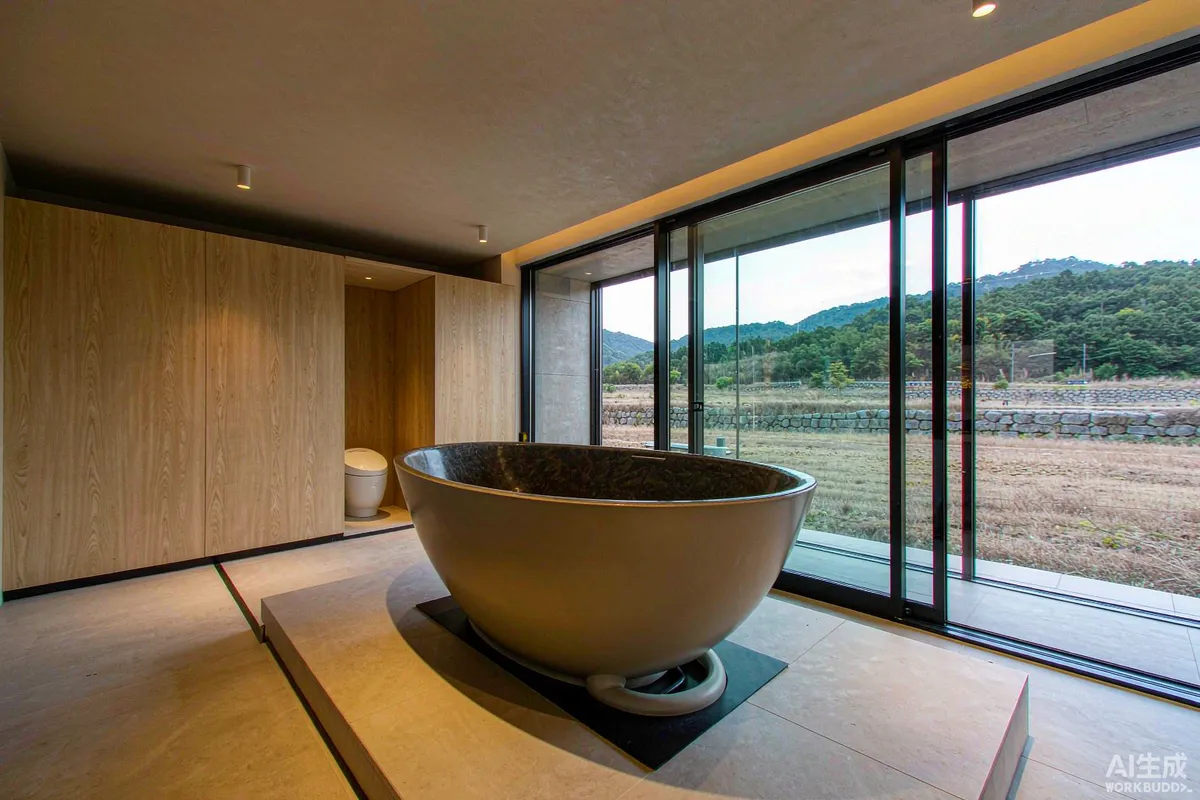
| Wet room | Compact shower room | Larger wet room, quality fittings, proper ventilation, heated towel provision | High |
| Interior | Standard lining and joinery | Material-led interior, integrated storage, layered lighting | Medium-high |
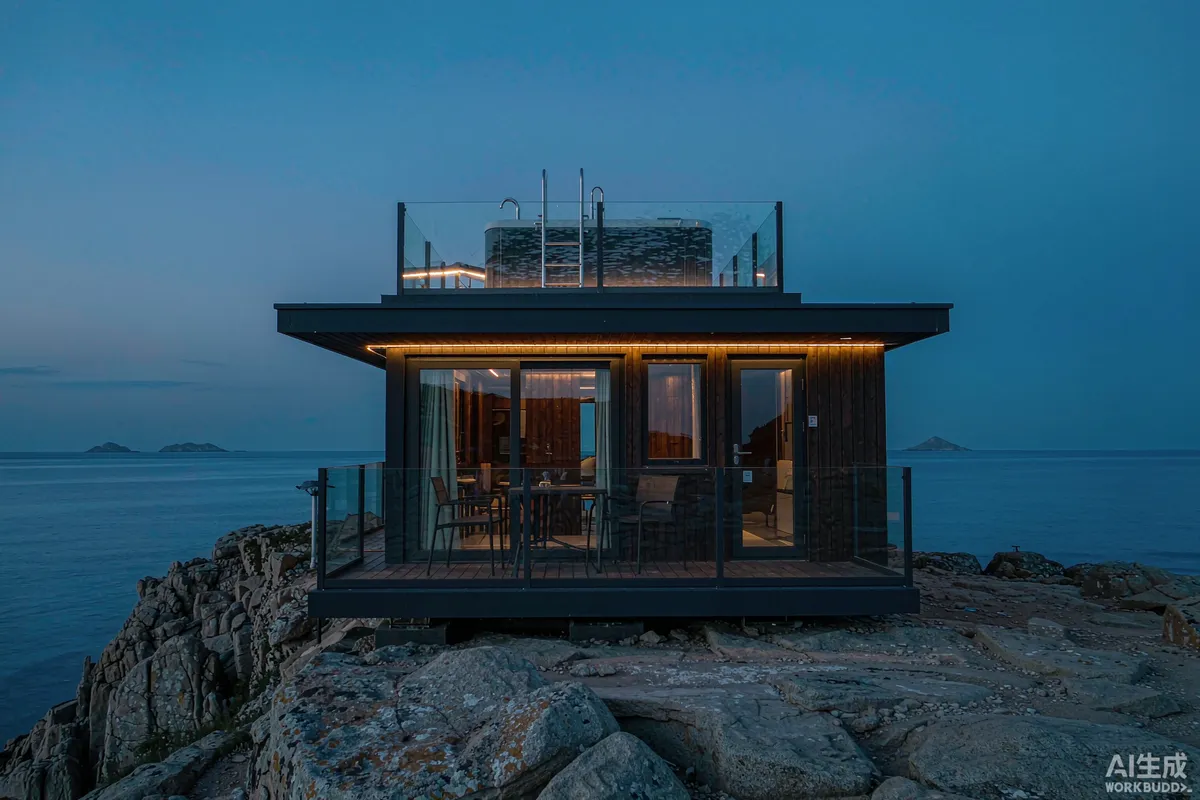
| Outdoor space | Small deck | Generous deck, shelter, seating, and privacy from neighbouring units | High - often equals the interior |
| Services | Standard MEP | Higher electrical capacity, reliable hot water, effective heating and cooling, good water pressure | High when it fails, invisible when it works |
The pattern: guests pay for outlook, quiet, water pressure and privacy. They notice finishes second.
Options Worth Paying For
- Solar control glazing and external shading. Comfort in hot markets, and a lower running cost permanently.
- Acoustic separation. Compact volumes transmit sound; an acoustic layer in the build-up and soft furnishings inside make a measurable difference.
- Blackout combined with openable views. Guests want both, at different times of day, and the blind system has to deliver both.
- Proper ventilation in the wet room. The most common source of maintenance complaints in humid climates.
- A generous, private deck. On most sites this is where the guest spends the evening.
- Reliable hot water at flow rate. Undersized water heating is the fastest way to lose a review at this price point.
Options That Add Cost Without Adding Value
- Technology that requires explanation. Anything the guest has to be shown how to use becomes a maintenance call.
- Bespoke joinery in small numbers. It is expensive to produce and impossible to replace quickly when damaged.
- Additional floor area at the expense of outlook. The premium is for the view and the setting, not the square metres.
- Exotic finishes in wet areas that cannot be sourced locally when they need replacing.
- Over-specifying the structure for conditions the site does not have.
Servicing at This Level
A luxury pod places higher demands on the site, and the shortfall is what guests experience.
- Electrical capacity for simultaneous heating or cooling, water heating and lighting, sized for the actual specification.
- Water pressure and volume sufficient for the fittings installed.
- Wastewater treatment or disposal to the standard the consent requires, with maintenance access.
- Access for housekeeping that does not pass through another unit's private space.
- Lighting design externally that provides safety without destroying darkness.
Operating Implications
- Changeover takes longer. Glass, a large wet room and quality interiors take real time; price it into the rate.
- Maintenance standard is higher. A premium rate implies a visible standard; a seal that has gone grey is a complaint at this level even if it still works.
- Spare parts for premium fittings should be identified and stocked, since replacement lead times are longer.
- Staffing should match the promise. The pod is only half the product at the top of the market.
- Review risk is higher because expectation is higher - accuracy in the listing matters more.
Cost and Procurement
Cost at this level is driven by glazing area, wet room specification, interior materials and the outdoor works - and by how many units share the same specification.
- Standardise the luxury specification across the site; bespoke units cost more to build and to maintain.
- Get the outdoor works priced separately from the unit, because they are a local package and often comparable in size.
- Confirm the capital base including site works and contingency - see the cost guide.
- Test the rate against comparable inventory rather than against the market average, as set out in our ROI model.
Designing the Outlook
At this level, the window is the room. Four decisions determine whether the outlook delivers.
- Sightlines from the bed. The guest's first view of the morning should be designed, not incidental - it is the photograph that sells the next booking.
- Frame sightlines. Heavy mullions in the middle of the view reduce the effect more than a slightly smaller pane would.
- Manage reflection. Interior lighting at night turns glazing into a mirror; consider where lights are and how blinds are used.
- Provide privacy without closing the view. A unit overlooked by its neighbour is not a luxury unit, and screening should be designed rather than added later.
Quiet and Privacy
- Acoustic separation between units comes mostly from distance and vegetation, then from the build-up.
- Control service noise. Plant, generators and delivery routes should be placed away from units, and this is a layout decision made early.
- Manage the acoustic environment inside with soft furnishings and a defined quiet-hours policy.
- Screen the approach. Privacy from the path matters as much as privacy from the neighbouring unit.
Bathroom and Water
Water is the single most consequential servicing decision at this level, and the most common source of complaints when it is wrong.
- Size the hot water system for simultaneous use and for the flow rate of the fittings installed.
- Provide effective extraction in the wet room, ducted to outside, with access for cleaning.
- Specify waterproofing as a system - substrate, membrane, falls and drainage - rather than as a finish.
- Consider a bathtub only where water and drainage support it, since it changes both the service capacity and the changeover time.
- Confirm the wastewater arrangement with the consent, because it is usually the most scrutinised part of an application.
Guest Communication and Reviews
- Describe the unit accurately. At a premium rate, an overstatement becomes a review.
- Explain what the format is. Guests unfamiliar with the product need to know what to expect, including about compact space and extensive glazing.
- Set expectations about weather and darkness, which are features of the experience but surprises if unmentioned.
- Respond to the first reviews operationally. Recurring comments about temperature, noise or water are specification signals for the next phase.
Platform-side considerations are covered in our booking channels guide and the owner listing guide.
Luxury Specification and the Capital Base
At the top of the market the specification uplifts interact with the capital base in ways that are worth modelling before committing.
- Glazing and shading are capital decisions with operating consequences. Better glazing costs more up front and less every month afterwards.
- The outdoor works are a comparable budget to the unit at this level, and they should be priced as a package rather than as an afterthought.
- Servicing capacity upgrades - electrical, water and wastewater - are site costs triggered by the specification, and they belong in the base.
- A higher rate justifies a higher base only if the market pays it. Test the rate against comparable inventory before approving the uplift.
- Contingency should be larger for bespoke work. Non-standard items are where estimates are least reliable.
Cost structure is covered in the cost guide and the price page; the return side in our ROI model.
Checking the Specification on Delivery
- Verify the glazing specification against the order - markings on the unit confirm the product installed.
- Test water flow and hot water recovery at the installed fittings before the first guest arrives, not after.
- Run the heating and cooling through a full cycle and record the result.
- Check the wet room ventilation is actually extracting to outside.
- Walk the unit at night to confirm that lighting and privacy behave as designed.
Configuration options are on the product pages. To discuss a resort specification, send the site, unit count and target rate.
More from the Blog

Capsule Home Cost Guide: What You Really Pay in 2026
EXW, shipping, install and the hidden line items — a transparent breakdown of total landed cost.
Read article →
How to Install a Capsule Home in 3 Days: A Step-by-Step Guide
From site prep to first guest — the exact sequence our install crews follow on every deployment.
Read article →
Real Owners, Real Numbers: Success Stories
How a lakeside resort, a Spanish glamping site and a Singapore dealer hit their targets.
Read stories →Talk to the Factory
Ready to Ride the 2026 Wave?
Get the latest catalog, pricing tiers and a layout sketch for your land — straight from the engineering team.