How Prefabricated Capsule Houses Are Manufactured
A station-by-station walk through a capsule house production line, from frame welding to packing, and where a remote buyer should request evidence.
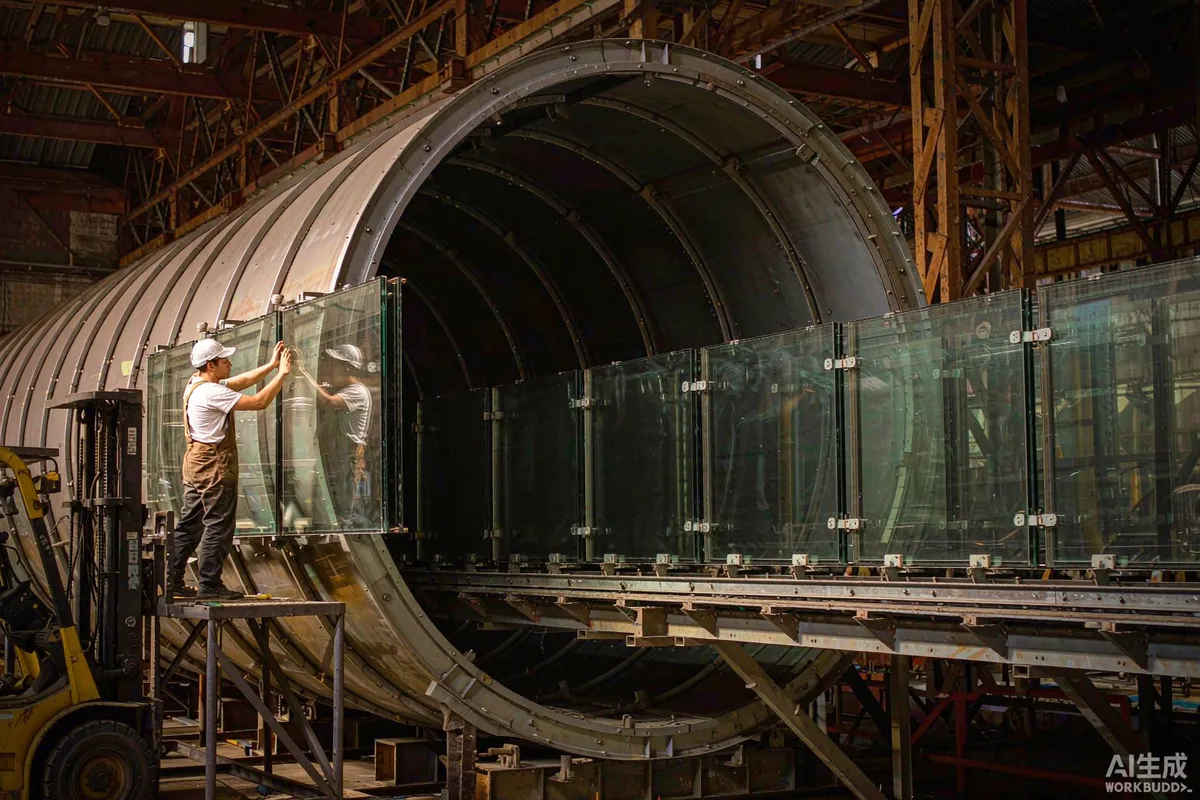
A capsule house is not assembled so much as sequenced. Each station on the line produces a defined output and hands a more complete unit to the next, and the quality of the finished product is largely determined by what happened at three or four of those stations rather than at all of them equally. For a buyer working at a distance, the practical value of understanding the sequence is knowing where to ask for evidence - and where a photograph actually tells you something.
Station 1: Cutting and Frame Welding
Steel or aluminium sections are cut to length and welded into the primary frame. This station sets the dimensional accuracy everything else depends on.
- Output: a welded primary frame, usually with lifting points integrated.
- What it determines: squareness of the unit, alignment of later panels, and whether doors and glazing fit without forcing.
- Worth asking for: a photograph of the frame on a jig before cladding, and confirmation that lifting points are part of the welded structure rather than bolted on.
- Difficult to correct later: distorted frames. Everything downstream inherits the error.
Station 2: Chassis and Base Structure
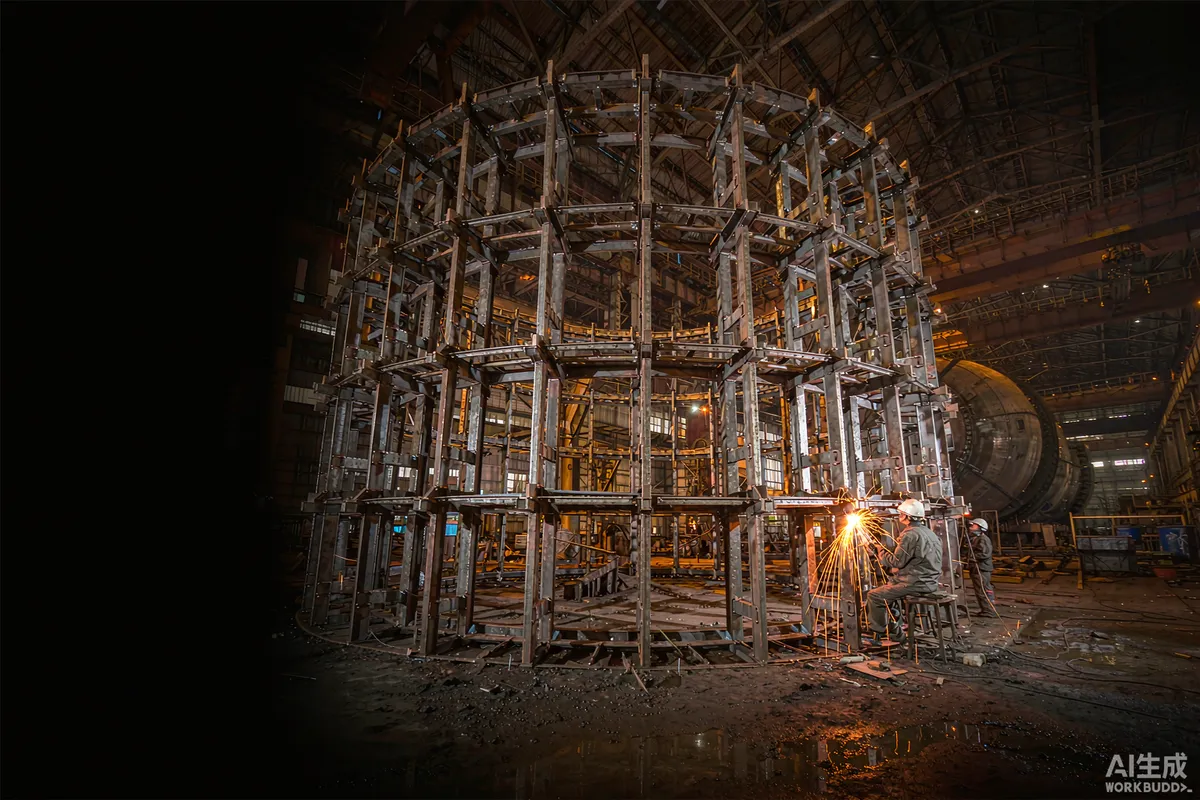
The base is completed - floor structure, insulation zone, and the routing paths for services that will run beneath the finished floor.
- Output: a closed floor assembly with service routes and drainage penetrations positioned.
- What it determines: how the unit sits on its foundation, where services can emerge, and how well the floor is insulated.
- Worth asking for: confirmation of where the service connection points are, since these must match the site drawing.
- Difficult to correct later: a drainage penetration in the wrong place. It is accessible now and inaccessible once linings are fitted.
Station 3: Shell Forming and Cladding
Outer panels are formed - curved or flat - and fixed to the frame, and the envelope is closed and sealed.
- Output: a weather-resistant shell with joints sealed.
- What it determines: appearance, weather tightness, and how the unit will resist the local environment.
- Worth asking for: close photographs of joint and edge treatment, and of fastener type, particularly for coastal or desert destinations.
- Difficult to correct later: a sealant or fastener specification that suits the factory's climate but not the destination's.
Where units fold or expand, this is also the station at which the moving structure is fitted. The mechanism itself - how the folding structure works, what it is made of and what it needs in service - is covered separately in our article on the expandable folding mechanism.
Station 4: Insulation Fill
The wall, roof and floor cavities are filled and the vapour control layer is completed. This is the least visible station and among the most consequential.
- Output: a thermally complete envelope with continuity at junctions.
- What it determines: heating and cooling demand, condensation behaviour, and acoustic separation.
- Worth asking for: photographs taken before the inner lining closes the cavity - after that point, nothing can be verified without destructive inspection.
- Difficult to correct later: gaps and compression at junctions. This is the classic hidden defect.
This is one of the two stations where a remote buyer gains most from requesting photographs, because it is the last moment at which the work is visible.
Station 5: Glazing and Doors
Panels, frames and doors are installed, sealed and adjusted.
- Output: a closed, glazed unit with doors operating correctly.
- What it determines: water tightness, air tightness, solar behaviour and the guest experience.
- Worth asking for: the glazing specification in writing and confirmation of any safety classification claimed.
- Difficult to correct later: a unit shipped with a panel that was stressed during fitting.
Station 6: MEP Rough-In
Electrical cabling, plumbing, drainage, ventilation ducting and heating or cooling equipment are installed and terminated.
- Output: a services-complete unit with a defined connection point.
- What it determines: whether the unit works on arrival, and whether it matches local voltage, frequency and protection expectations.
- Worth asking for: the electrical schedule, and confirmation of destination voltage and frequency before this station begins - changes afterwards are disruptive.
- Difficult to correct later: a distribution board sized without the destination's appliance load.
Station 7: Interior Fit-Out
Linings, flooring, joinery, sanitaryware, lighting and appliances are installed.
- Output: a finished interior.
- What it determines: everything the occupant sees and touches, and most of the warranty claims.
- Worth asking for: photographs at completion, and a list of what is included versus what is supplied locally.
- Difficult to correct later: appliance choices that have no local service network.
Station 8: Testing and Quality Control
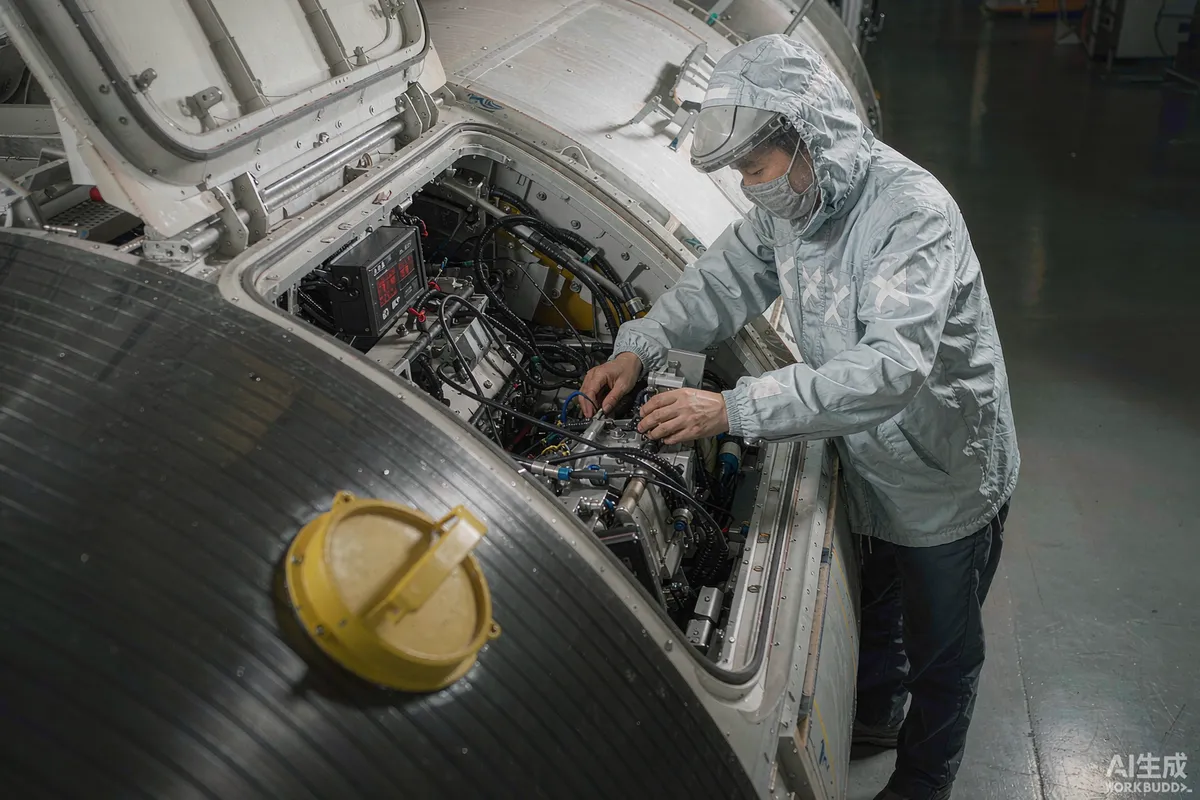
The unit is energised, water is run through it, and systems are checked. Done properly, this is a documented procedure rather than a glance.
- Water test. The plumbing is run and joints observed. Ask how long the observation period is.
- Electrical test. Circuits are verified. Ask what is measured and whether results are recorded.
- Envelope check. Seals and joints are inspected, ideally with a defined method rather than by eye.
- Functional check. Doors, windows, heating, cooling and appliances are operated.
- Documentation. Results should be recorded against the unit serial number.
Our article on pre-delivery inspection sets out what to check and how to structure the visit; this page covers where in the sequence those checks become relevant.
Station 9: Packing
The unit is protected, wrapped and prepared for transport, and any protrusions are removed or secured.
- Output: a packed unit with documented transport dimensions and weight.
- What it determines: whether it survives the journey and whether it fits the route.
- Worth asking for: photographs of the packed unit, the declared weight, and the declared transport dimensions before shipping is booked.
- Difficult to correct later: damage discovered at destination, where responsibility is contested.
Confirming the packed weight and dimensions against the route and the crane plan before dispatch avoids the most common and most expensive last-minute problem in export orders.
What the Sequence Reveals About a Supplier
Beyond the unit itself, the way a line is organised tells you things that matter on an export order. Four observations are worth making during any visit or video walk-through.
- Whether work is staged or stacked. Units queued in a defined sequence with clear station boundaries indicate a planned process. Units crowded together with work happening wherever there is space indicate the opposite.
- Whether components are identified. A unit with a serial number and a traveller document can be traced to its materials and to its test results. One without cannot.
- Whether testing has a fixed place. If commissioning happens wherever the unit happens to stop, it is not a procedure; it is an activity.
- How non-conforming work is handled. Ask what happens to a part that fails inspection. Every factory has failures; the question is whether they are recorded and whether there is a defined route for correction.
None of this requires specialist knowledge to observe, and none of it appears in a brochure. It is also the kind of information that changes what you are willing to accept on delivery terms - a supplier with traceability can be held to a specification, and one without can only be argued with.
Where to Ask for Evidence
If you are buying remotely and can only ask for a limited number of things, ask for these five.
- Frame on jig, before cladding.
- Insulation in cavity, before inner lining.
- Joint and fastener detail on the shell.
- Energised test results, recorded against the serial number.
- Packed unit photographs with declared weight and dimensions.
Each of these is cheap to provide at the time and impossible to reconstruct afterwards, which is exactly why a supplier's willingness to provide them is itself informative. For a structured on-site version of the same exercise, use our factory audit checklist. Production capability questions specific to our own operation can be raised through about Haishu or directly with the team.
More from the Blog

Capsule Home Cost Guide: What You Really Pay in 2026
EXW, shipping, install and the hidden line items — a transparent breakdown of total landed cost.
Read article →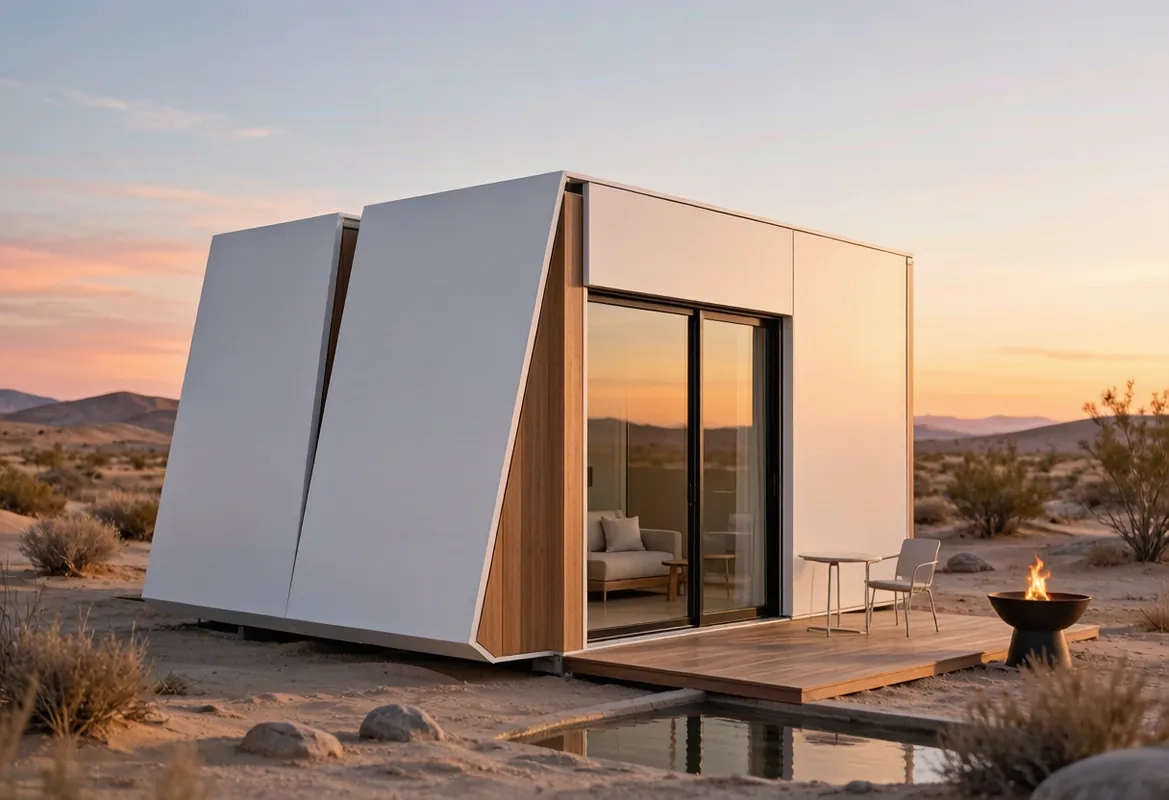
How to Install a Capsule Home in 3 Days: A Step-by-Step Guide
From site prep to first guest — the exact sequence our install crews follow on every deployment.
Read article →
Real Owners, Real Numbers: Success Stories
How a lakeside resort, a Spanish glamping site and a Singapore dealer hit their targets.
Read stories →Talk to the Factory
Ready to Ride the 2026 Wave?
Get the latest catalog, pricing tiers and a layout sketch for your land — straight from the engineering team.