How to Audit a Capsule Home Factory: A Buyer's Walk-Through Checklist
A half day on the factory floor tells you more than any brochure. How to walk a capsule home line in production order and what records to ask for.
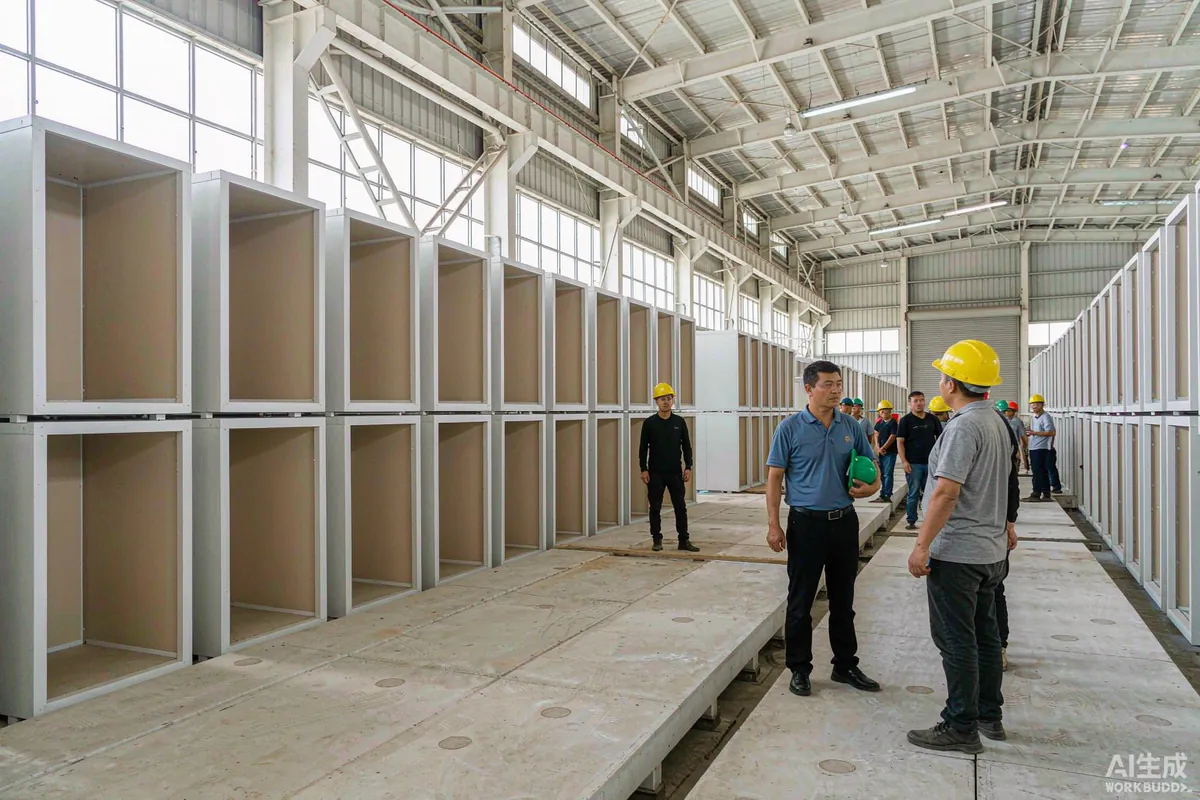
Book half a day and walk the line in production order, from raw material to export packing. Four things are worth verifying: what comes in, how quality is checked during the build, what is tested on the finished unit, and how the unit is protected for transport. Ask for records rather than assurances - a factory with real process can show you the paperwork for the unit standing in front of you. If you cannot travel, the same sequence works as a structured video walk-through, and a third-party pre-shipment inspection covers the final stage.
The Short Answer
Arrive with a short list of what you want to see and send it ahead. Then walk the process rather than the showroom: the showroom is a sales environment, the line is the truth. The most useful single question on the whole visit is "show me the record for this unit" - inspection sheets, test results, material certificates - because a real quality system produces paper as it goes.
Before You Go
- Send the model and options list so the factory can have a comparable unit on the line.
- Send your site conditions - climate, wind and snow values, power specification - so the engineering conversation is specific.
- Ask which production stages will be visible on the day, and whether photography is permitted.
- Confirm who will accompany you - ideally someone from engineering, not only sales.
- Prepare your own checklist and bring a tape measure, a torch and a notebook.
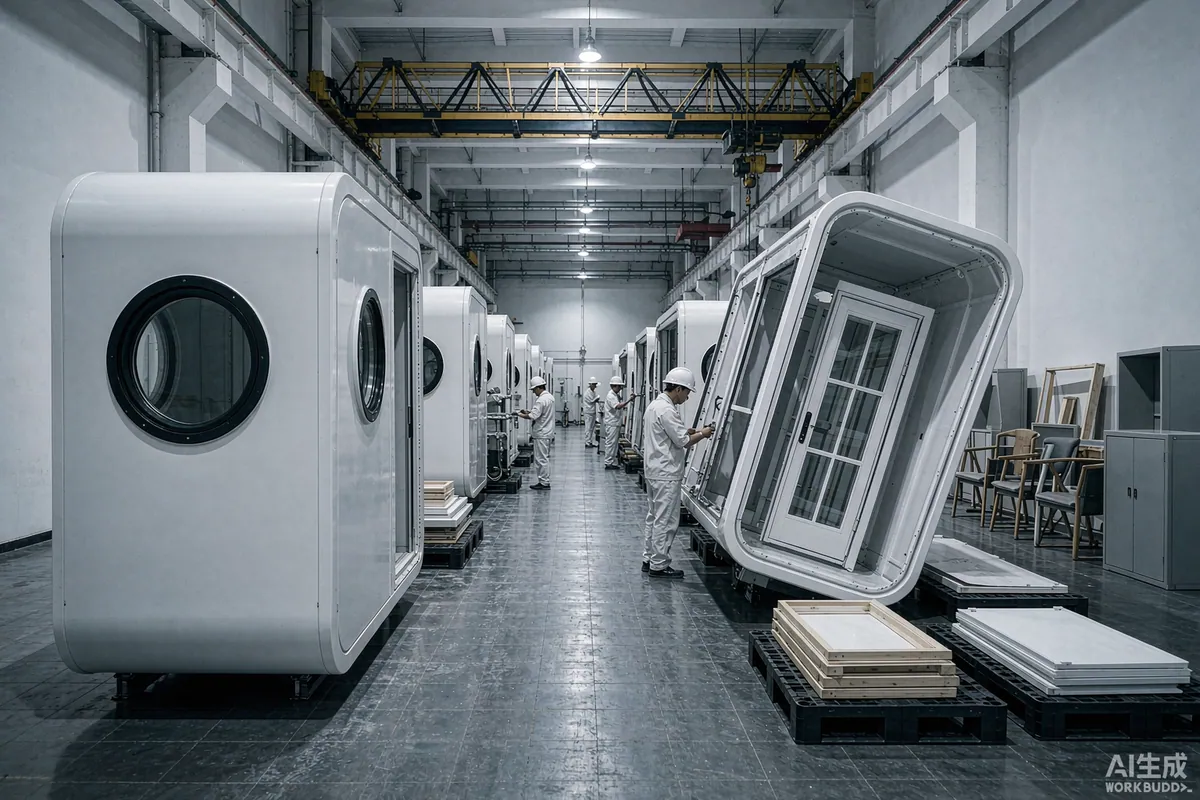
Walk the Line in Production Order
Steel cutting and frame fabrication
Look at how material is stored and identified, how sections are cut, and whether cut ends are treated. Ask what steel grade is used and whether material certificates are kept against the batch. Poor material storage - sections sitting in water, no separation between grades - is an early signal.
Welding and corrosion protection
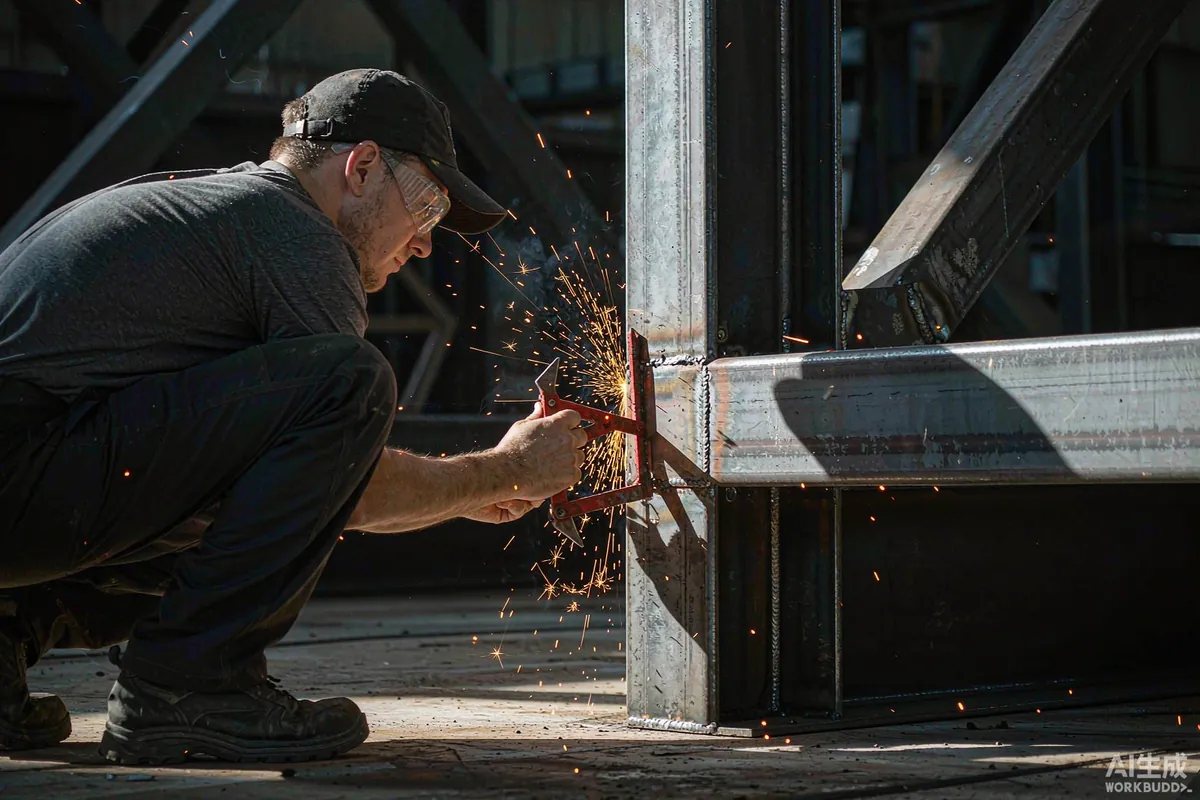
This is the stage worth slowing down at. Look at weld consistency, ask about welder qualification, and ask how welds are inspected. Then ask about corrosion protection: what surface preparation, what coating system, and how the coating is checked. On a unit that will sit outdoors for decades, this matters more than any visible finish.
Envelope and insulation
Ask how the insulation is fitted and whether there are gaps at corners, around openings and at service penetrations. Insulation performance is mostly a fitting-quality question. Ask to see a panel before the inner lining is closed - once it is closed, nobody can verify it.
Glazing
Check how units are handled, how they are set and sealed, and whether the gasket system is continuous. Ask what happens if a pane is damaged during assembly - whether it is replaced or repaired, and who signs it off.
Interior fit-out and services
Walk the electrical and plumbing work: are cables routed and clipped, are joints accessible, is there strain relief, are pipes lagged and supported? Ask whether electrical work is tested before the lining is closed and what the test record looks like.
Final test and punch list
Ask what is actually tested on a finished unit - typically electrical safety and function, water systems under pressure, door and window operation, and a cosmetic inspection. Ask to see the punch-list sheet for a unit currently being finished, including items that were found and closed out. A factory that shows you its own defects is a factory with a process.
Packing for export
Finally, look at how the unit is protected: edge protection, wrapping, blocking and bracing inside the container, and how fragile items are secured. Transport damage is the most common avoidable problem in this industry, and it is decided here.
Records to Ask For
- Material certificates for the frame steel and the glazing.
- Weld inspection records and, where used, non-destructive testing reports.
- Electrical test records for a finished unit.
- Water system pressure test results.
- The final inspection and punch-list sheet for a specific unit, with the serial reference.
- Packing photographs, tied to the same serial reference.
- The warranty document, read on site rather than later.
Questions That Separate Capability From Showroom Talk
| Ask | A real answer sounds like |
|---|---|
| Can I see this unit's inspection record? | A sheet with a serial number, dated entries and signatures |
| What happens when a defect is found? | A described non-conformance and rework process |
| How do you handle a change to my specification? | A documented change order with cost and schedule impact |
| What is your current production schedule? | Specific dates, and honest answers about what is already committed |
| Who signs off before shipment? | A named role, not "the team" |
| Can I appoint my own inspector? | Yes, with practical conditions |
If You Cannot Travel
- Structured video walk-through. Ask for a live call, not a recording, so you can direct where the camera goes.
- Stage photography. Agree the stages in advance and require photographs tied to your unit's serial reference.
- Third-party inspection. Appoint an inspector for in-process and pre-shipment checks; this is standard practice and a reasonable request.
- Reference contact. Ask to speak with an existing customer in a comparable climate or market.
What to Do With What You Learn
A visit produces a large amount of informal information that disappears within a week if you do not capture it. Before you leave the site, spend twenty minutes writing a short note with four parts: what you saw, what was confirmed, what remains open, and what you agreed. Then send it to the factory as the record of the visit. This is not an adversarial gesture - reputable factories appreciate it, because it prevents the same misunderstanding that a verbal agreement always risks.
Convert anything unresolved into a written question with a deadline. If steel grade was not confirmed, if coating thickness was not stated, or if the glazing build-up was described verbally, put it in writing and ask for the answer to be attached to your quotation. Anything that ends up as a contract clause must first exist as a documented answer.
Finally, be honest about what the visit can and cannot tell you. Half a day reveals process, discipline and honesty. It does not verify long-term durability, and no inspection can substitute for a properly written specification and a properly worded contract. Use the visit to decide whether you trust the process, and use the contract to protect yourself regardless.
Red Flags
- No records, or records that exist only for show units.
- Reluctance to show a unit mid-build rather than finished.
- Insulation or wiring already closed up with no photographic evidence.
- Vague answers on steel grade, coating system or glazing build-up.
- Pressure to ship before agreed inspection.
- A showroom that is noticeably better finished than the units on the line.
The Takeaway
The purpose of a factory visit is not to be impressed - it is to reduce uncertainty. Walk the process, ask for the record that belongs to the unit in front of you, and write down what you agreed before you leave. Certification expectations and testing requirements may vary by application, market and applicable standard, so confirm what your own market requires and check that the factory's process can produce the evidence for it.
More from the Blog

Capsule Home Cost Guide: What You Really Pay in 2026
EXW, shipping, install and the hidden line items — a transparent breakdown of total landed cost.
Read article →
How to Install a Capsule Home in 3 Days: A Step-by-Step Guide
From site prep to first guest — the exact sequence our install crews follow on every deployment.
Read article →
Real Owners, Real Numbers: Success Stories
How a lakeside resort, a Spanish glamping site and a Singapore dealer hit their targets.
Read stories →Talk to the Factory
Ready to Ride the 2026 Wave?
Get the latest catalog, pricing tiers and a layout sketch for your land — straight from the engineering team.