Capsule House Thailand Rental Income: Full Guide
Capsule house rental income in Thailand: rate positioning, island versus highland season shape, channel cost and the occupancy assumptions a partner will test.
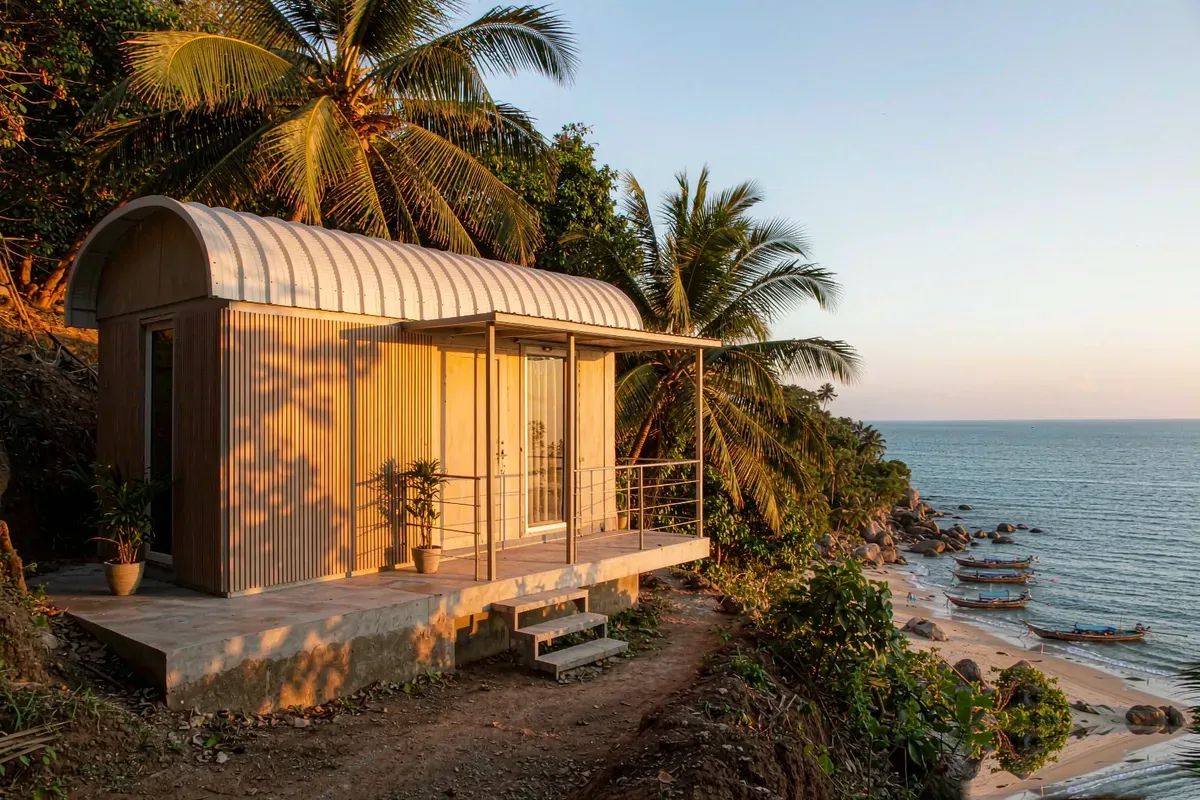
A capsule house in Thailand earns money the same way any small accommodation asset does: through occupied nights at a rate guests will pay, minus the channel and operating cost of getting them. What changes the answer is where the unit sits. A unit on an island with a defined high season and a unit in the northern hills facing a domestic weekend market have different demand curves, different rate ceilings and different vacancy risk, and the income model has to be built for the site you actually have. This page is about the revenue side only. Acquisition cost sits with capsule house price in Thailand, the country-level planning context sits in the capsule house Thailand pillar, and the generic resort payback method is covered separately in capsule house resort ROI.
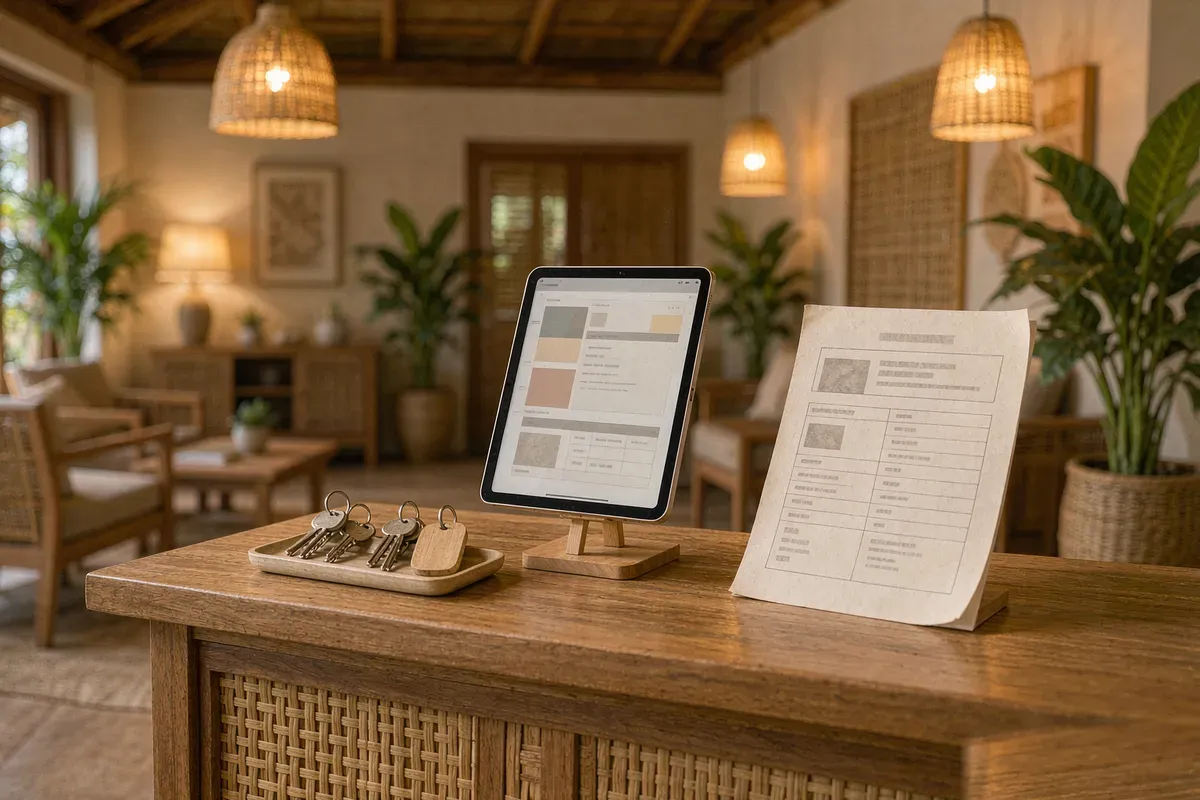
Where the rate ceiling comes from
Guests do not price a capsule unit in isolation. They price it against the alternatives on the same booking page: a fan bungalow, a pool villa, a hotel room, a hostel bed. The rate you can hold is set by where the unit is perceived in that comparison, and that perception depends on three things you control — the view, the finish level, and how the listing is photographed and described — and one you do not, which is the comparable set around you.
In established island markets the comparable set is deep and the competition is on experience rather than shelter. A capsule unit there sells on being distinctive, on the glass and the view, and on being quiet. In emerging destinations the comparable set is thin, the rate ceiling can be higher relative to build cost, but the demand is less predictable week to week. Both situations are workable; they need different assumptions in the model.
Positioning against bungalow and villa stock
- Below villa, above bungalow. Most capsule units land here in island markets. The unit wins on novelty, air conditioning and weatherproofing, and loses on floor area. Price accordingly and say so in the listing.
- Above bungalow on weather. In a green-season market, a unit that stays dry, cool and quiet in a storm is worth a premium over timber or canvas alternatives that do not. That premium is seasonal and should be modelled as seasonal.
- At parity with a mid hotel room. In secondary cities and northern destinations the comparison is a hotel room rather than a beach bungalow. Here the unit competes on privacy and view, and the rate is anchored to the local hotel rack rate.
The season shape matters more than the annual average
Thai demand is strongly seasonal in most coastal destinations and less so in city and northern locations. A single annual occupancy percentage hides the entire problem. What matters is the shape: how many weeks run at or near full, how many run at a fraction, and whether the low weeks are low because of weather or because of travel patterns.
| Site type | Demand shape | What the model must test |
|---|---|---|
| Andaman or Gulf island | Pronounced peak, soft shoulder, quiet low season | Whether the low season covers fixed cost at all, and whether closing is cheaper than operating |
| Northern hills or highland | Weekend and holiday driven, strong domestic market | Weekday occupancy, and whether long-stay or workation demand fills it |
| Secondary city or town | Flatter, business and transit mixed with leisure | Rate stability and length of stay rather than peak occupancy |
| Estate or agritourism setting | Event driven with long quiet stretches | Whether ancillary revenue carries the unit between events |
Model the year month by month rather than as an average. Twelve monthly lines take twenty minutes to build and they are the difference between a model that survives contact with a lender and one that does not.
Channel cost is not a rounding error
Online travel agents bring demand that a new property cannot generate on its own, and they take a commission for it. Payment processing takes another slice. A property that sells entirely through one channel is exposed twice: to commission on every booking, and to a single point of failure if that channel changes its ranking or its terms.
The practical approach for a small fleet is a deliberate mix. Use the platforms to fill the calendar and to build the review base, then move a rising share of bookings direct as the property earns repeat and referral demand. That shift is slow and it is operational: it requires a booking page, a response process, and a reason for a returning guest to book direct. The channels, the direct-mix question and the operational side are treated in more depth in the resort revenue material in the capsule house ROI guide.
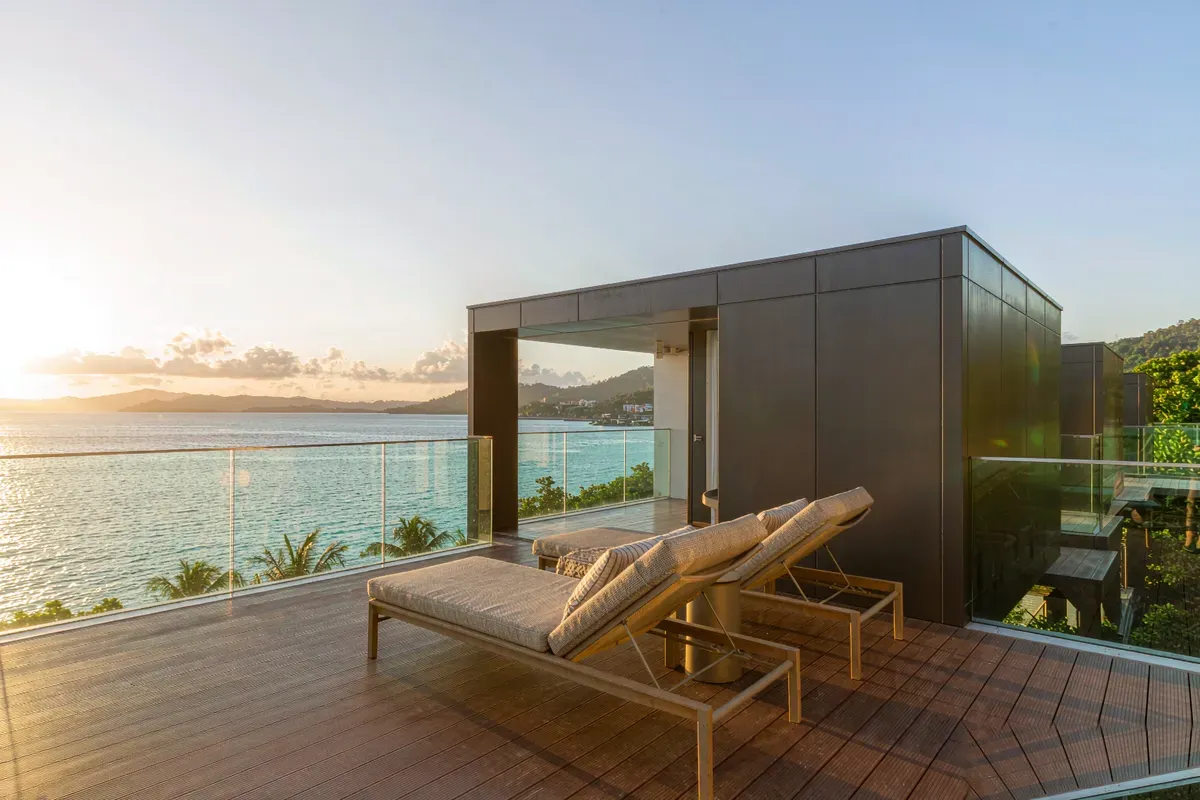
The three assumptions a partner will challenge
Any investor, lender or land partner reading a capsule house income model will go straight to three numbers. Prepare them before the meeting.
- Occupancy. The most optimistic line in almost every first model. Build it from comparable properties in the same destination and the same season shape, not from a national average. Then run a downside case at a materially lower figure and check the project still services its commitments.
- Average daily rate. Test it against what comparable listings actually show on the booking platforms for comparable dates, including the discounted rates that appear in the low season. Rack rate and realised rate are not the same number.
- Length of stay and cancellation behaviour. Short stays raise turnover cost and housekeeping load. High cancellation rates in a weather-exposed season make the calendar unreliable. Both belong in the model as cost, not as a footnote.
Ancillary revenue changes the arithmetic
A compact unit has limited in-room revenue potential, which pushes the economics toward what happens outside the door: food and beverage, transfers, tours, equipment rental, events. The unit becomes the reason to stay and the margin sits elsewhere. This is also the line of revenue that is hardest to forecast honestly, so it should be modelled conservatively and treated as upside rather than as a load-bearing assumption.
The second lever is unit mix. A site with a single unit type sells to a single guest type. Adding a larger or a two-unit configuration widens the addressable market to families and small groups, which often lifts occupancy in the shoulder weeks more than any rate change would.
Compliance and permission sit upstream of revenue
None of the above matters if the unit cannot lawfully operate as accommodation. Whether a site can be used for short-stay letting, which permissions apply, and what the local authority requires are questions to settle before the revenue model is finalised, because the answer can change the addressable market entirely. The process and the documentation burden are described in capsule house regulations in Thailand. Requirements may vary by application, market and applicable standard, and should be confirmed with the authority having jurisdiction before any commitment is made.
What to put in an enquiry
When you approach a supplier, send the revenue-relevant facts rather than a request for a price: destination and site type, expected season shape, unit count and mix, target guest segment, and whether the unit will be owner-operated or managed. With that, a manufacturer can comment on configuration, glazing, shading and layout in ways that affect what the unit can earn. Without it, you will receive a unit specification that has nothing to do with your market.
Haishu builds space capsule homes and expandable prefab houses for resort, tourism and workforce use, with the Galactic A series covering compact, mid-size and larger two-level configurations. Factory-direct supply, container-efficient transport and a complete delivered unit are the practical reasons operators look at this category; the revenue case is yours to build, and it should be built before the specification is frozen.
More from the Blog

Capsule Home Cost Guide: What You Really Pay in 2026
EXW, shipping, install and the hidden line items — a transparent breakdown of total landed cost.
Read article →
How to Install a Capsule Home in 3 Days: A Step-by-Step Guide
From site prep to first guest — the exact sequence our install crews follow on every deployment.
Read article →
Real Owners, Real Numbers: Success Stories
How a lakeside resort, a Spanish glamping site and a Singapore dealer hit their targets.
Read stories →Talk to the Factory
Ready to Ride the 2026 Wave?
Get the latest catalog, pricing tiers and a layout sketch for your land — straight from the engineering team.