Capsule House Thailand: Coastal Resort Planning
Capsule house projects in Thailand: monsoon water management, cool-season comfort, coastal exposure, provincial approvals and competing in a mature market.
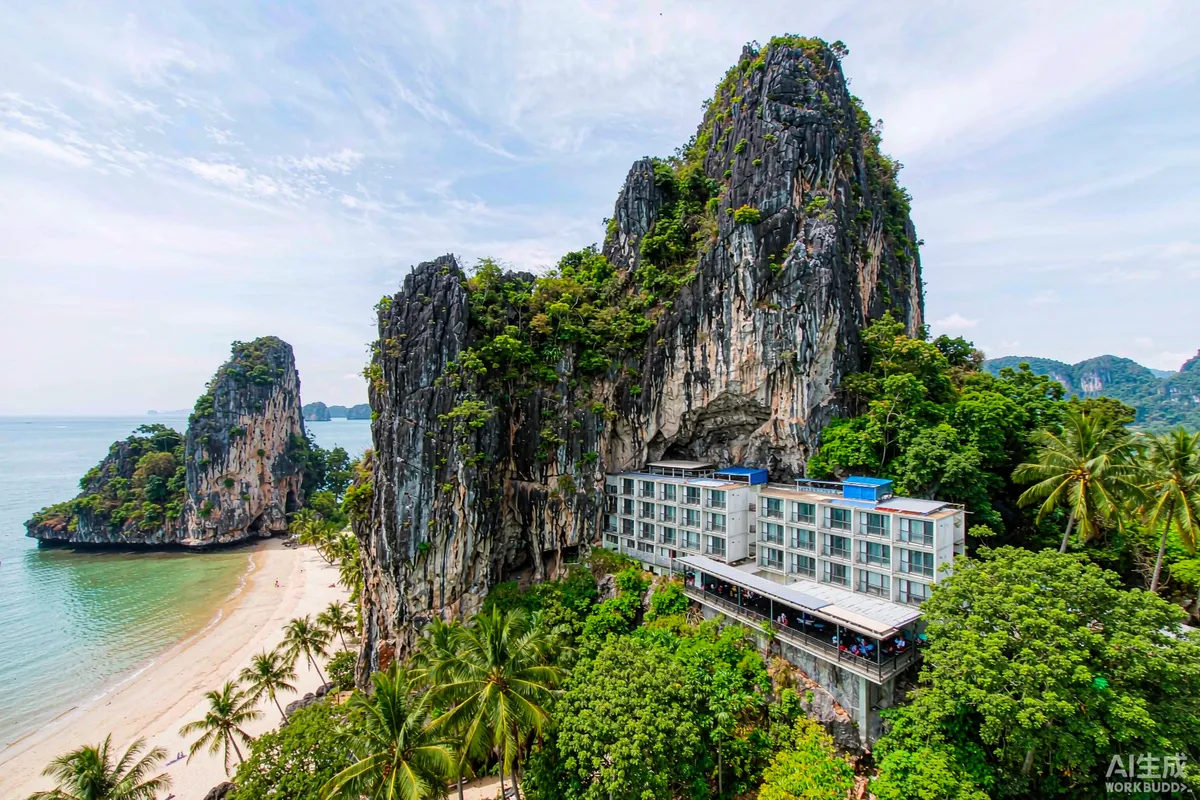
Thailand's resort market is mature, competitive and sophisticated - which means a capsule project here has to work commercially as well as visually. Technically the country presents two distinct specification lines rather than one: an intense monsoon season that tests water management, and a cool season that is genuinely pleasant and shapes how the year should be priced. Add coastal salt exposure and a local permitting process that varies by province, and the specification looks quite different from a Middle East or temperate project.
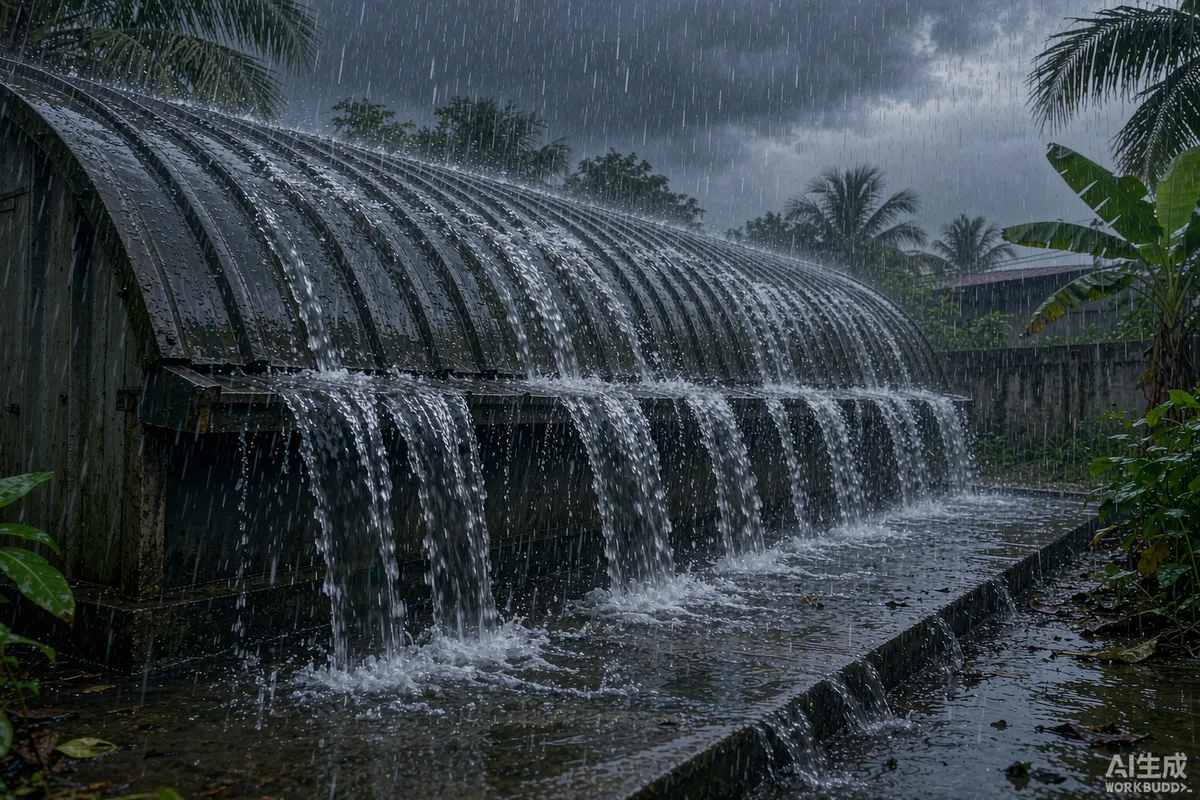
Line 1: Monsoon Water Management
Rainfall in the monsoon season is not intermittent showers; it is sustained, wind-driven water over weeks. Units should be detailed for that as the design condition.
- Roof and envelope drainage first. Water needs a designed route off and away from the unit, including during wind-driven rain.
- Check the detail at every penetration. Service entries, fixings and glazing junctions are where monsoon water enters.
- Plan the ground, not just the unit. Surface water management around and beneath the unit is a site design task and a common failure point.
- Test before handover under realistic conditions. A short hose test is not a monsoon test; where possible, commission during the wet season.
- Consider access during rain. Paths, steps and the approach route are used in wet conditions daily for months.
Line 2: Cool-Season Comfort
The cool season is when Thai resorts earn most of their revenue, and it is also when a poorly specified unit underperforms in the opposite direction to what buyers expect.
- Highland and northern sites get genuinely cool nights. Insulation and heating provision should be specified for the site, not for Bangkok.
- Large glazing loses heat at night as readily as it gains heat in the day; the glazing specification works both ways.
- Condensation management matters where cool nights follow humid days - a common pattern in the north.
- Shoulder-season pricing depends on comfort. A unit that is pleasant in December and January extends the commercial season materially.
Coastal Exposure
Phuket, Krabi and the Andaman coast combine salt, humidity and high solar load.
- Specify fasteners and fixings explicitly and resist substitution.
- Treat cut edges and penetrations as the primary corrosion risk.
- Protect external plant and electrical equipment for a marine atmosphere.
- Set a rinse-down and inspection routine and resource it.
- Expect shorter sealant and coating life than an inland site.
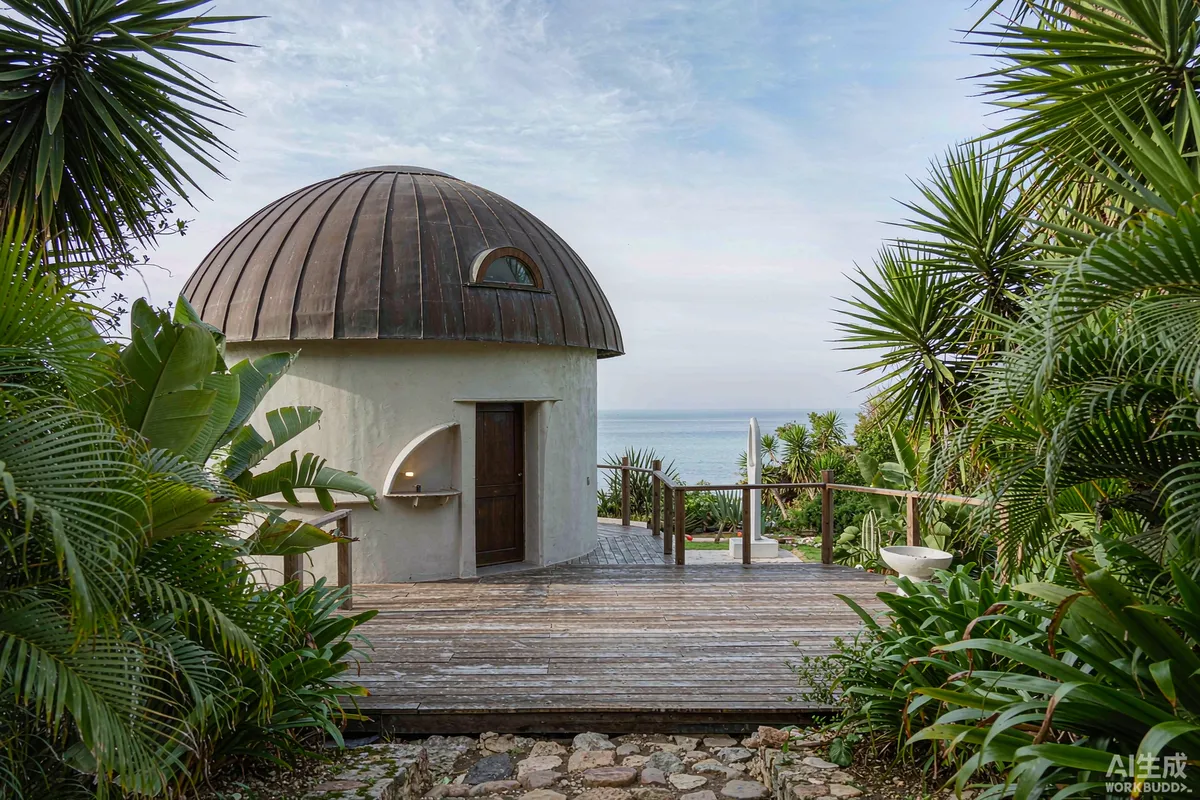
Approvals: Verify by Province
Thailand has a national building framework, but resort projects are decided substantially at provincial and municipal level, and coastal and hillside sites attract additional scrutiny.
- Confirm how the units are classified locally before committing to a specification - this drives the whole path.
- Check coastal setback and shoreline rules for the specific site; these are stricter than inland rules and vary.
- Check hillside and slope provisions where the site is elevated - common on the Andaman coast.
- Confirm whether a hotel or resort licence is required for the intended operation, which is separate from building approval.
- Engage a local architect or engineer. Submissions are reviewed locally and the practice is not uniform.
Building control, coastal regulation and tourism licensing vary by province and change over time. Confirm the current position with the relevant authority or a licensed local professional. Requirements may vary by application, market and applicable standard.
Competing in a Mature Market
The commercial point, which is easy to overlook when the specification work is absorbing attention: Thailand already has excellent resort inventory. A capsule project succeeds on distinctiveness and on setting, not on price per square metre.
- Position against other distinctive inventory, not against the average room rate.
- Price the shoulder and monsoon seasons deliberately rather than holding one rate.
- Design for the photograph. In this market the listing image is the product.
- Plan the wet-season guest experience - covered outdoor space, drying space, and a route that works in rain.
Working With Local Contractors and Consultants
Thailand has a deep pool of resort construction experience, which is an advantage provided the brief is given in the right form.
- Issue drawings, not renderings. Foundation loads, anchoring requirements and service positions are what the contractor needs; an image does not convey them.
- Assign the foundation design locally. It depends on ground conditions and local practice, and should carry local professional responsibility.
- Define the anchoring interface explicitly. The junction between the unit's chassis and the local foundation is where responsibility is most often assumed rather than agreed.
- Use a local consultant for submissions. Provincial processes are navigated faster by someone who has been through the specific office before.
- Agree a defect process - who lists, who rectifies, by when - before handover rather than at handover.
Rate Positioning in a Mature Market
Thai resort markets are sophisticated and well supplied, which changes how a distinctive unit should be priced and described.
- Do not compete on rate against conventional rooms. The comparison a guest makes is with other unusual inventory, not with the market average.
- Sell the specific thing. The view, the darkness, the design - one clear reason rather than a list of features.
- Price the season honestly. Shoulder and green seasons have genuinely different demand, and a single rate across the year leaves revenue unused.
- Count the changeover cost. Glass, a wet room and a distinctive interior take longer to turn around than a standard room.
- Manage the weather expectation. Guests who understand what monsoon season means are more satisfied than guests who did not.
Operating Through the Green Season
The wet season is not a shutdown period, but it does require a different operating routine.
- Inspect before and after, not only on a calendar. A named person should check roofs, gutters, seals and grounds after severe weather.
- Keep drainage clear on a schedule rather than reactively, particularly where planting sheds heavily.
- Plan indoor comfort for humidity, not only for temperature: dehumidification and air movement matter as much as cooling.
- Check idle units. A closed, unconditioned unit in this climate will develop mould quickly; unused inventory needs a defined routine.
- Hold critical spares on site - seals, gaskets, filters - because the wet season is when they are most needed and least convenient to obtain.
Our resort ROI guide sets out how operating assumptions feed the financial model.
Choosing the Site Type
Thailand offers several distinct site types, and the specification emphasis differs enough between them that the choice should be made before design begins.
- Beachfront and near-beach. Salt exposure, wind-driven rain and high guest expectations; visual impact scrutiny is also greatest here.
- Hillside and inland north. Cool-season comfort, drainage on sloping ground and access during rain are the leading concerns.
- Island sites. Barge and ferry logistics, limited plant availability, power and water constraints, and higher sensitivity about wastewater.
- Adjacent to existing resorts. Faster to approve and to market, but the design must justify a premium over the rooms next door.
- Urban fringe. Approvals, parking and services are straightforward; the outlook is the constraint.
What Determines the Approval Route
The classification applied to a unit drives the whole approval path, and it is worth establishing before drawings are produced rather than after.
- Whether the structure is treated as a building or as movable. This single question changes the submission entirely.
- Whether the land is in a designated tourism, agricultural or conservation zone.
- Whether the site is within a coastal or forestry control area with additional consent requirements.
- Whether the project is an addition to an existing licensed premises or a new establishment.
Requirements may vary by application, market and applicable standard, and provincial practice differs. Confirm the position with the relevant local authority before committing to a programme.
Models and the options relevant to tropical coastal sites are on the product pages. For a site-specific review, send the province, exposure and access details.
More from the Blog

Capsule Home Cost Guide: What You Really Pay in 2026
EXW, shipping, install and the hidden line items — a transparent breakdown of total landed cost.
Read article →
How to Install a Capsule Home in 3 Days: A Step-by-Step Guide
From site prep to first guest — the exact sequence our install crews follow on every deployment.
Read article →
Real Owners, Real Numbers: Success Stories
How a lakeside resort, a Spanish glamping site and a Singapore dealer hit their targets.
Read stories →Talk to the Factory
Ready to Ride the 2026 Wave?
Get the latest catalog, pricing tiers and a layout sketch for your land — straight from the engineering team.