Capsule House Price in Saudi Arabia: Landed Cost
What a capsule house costs by the time it stands on a Saudi site: unit configuration, freight and port, duty and VAT, inland haulage, and site works.
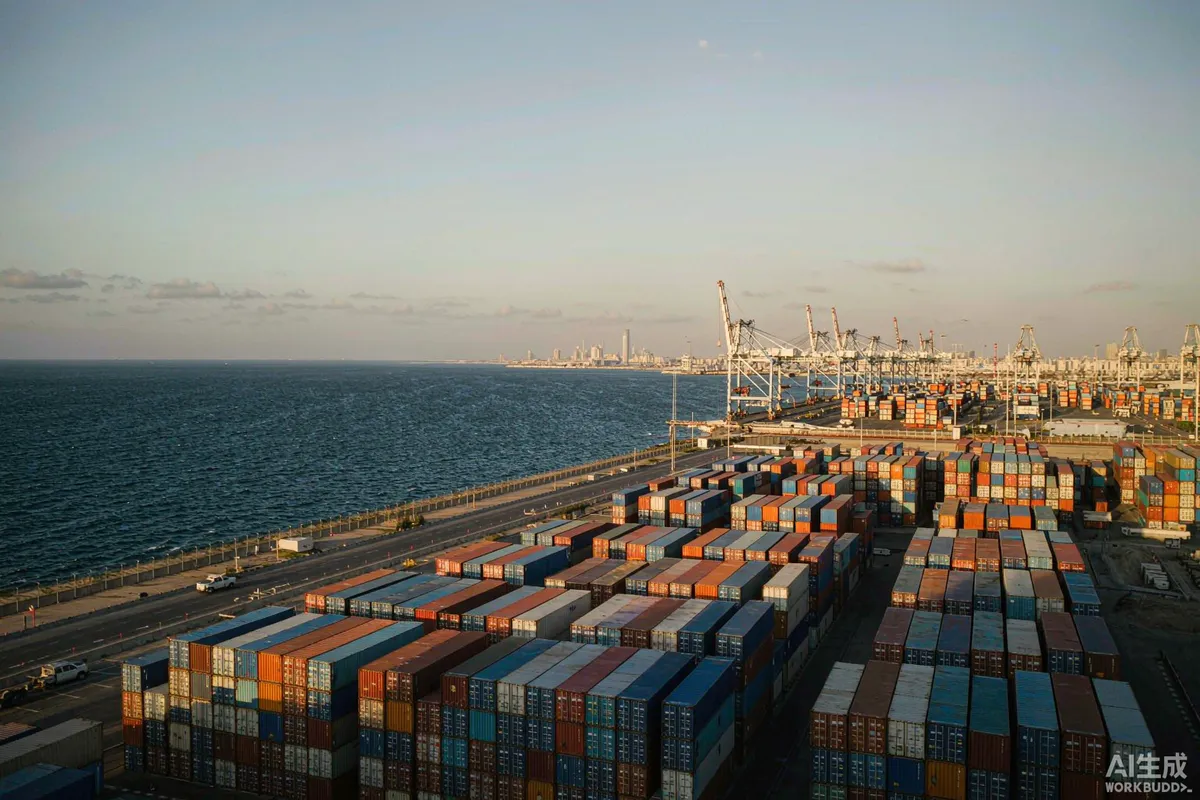
The number that matters for a Saudi project is not the factory price. It is the landed cost at the site, and it is built from five blocks: the unit as configured, ocean freight and port handling, customs duty and VAT, inland haulage with the crane set, and site works with commissioning. Any quote that shows one of those blocks and leaves the rest to be discovered later is not a budget. This article is about the structure of that number and the questions that make it predictable; it deliberately does not publish price figures, because they depend on a configuration, a route and a date that only your suppliers can give you. The general price framing is in the capsule house price guide.
Why the Ex-Works Number Is Not the Budget Number
Ex-works means the price of the goods at the factory gate. Everything after that — inland haulage in the country of origin, port charges, ocean freight, discharge, customs, duty, taxes, inland haulage to site, crane, site works and commissioning — is real cash that someone pays. Most of it is paid by the buyer. For modular buildings the non-product blocks are unusually large relative to the product, because the goods are bulky and the installation is a construction activity.
There is a second reason the ex-works number misleads: it is quoted for a specific configuration, and the configuration is where quotes quietly diverge. Two suppliers quoting "a capsule house" may be quoting different sizes, different glazing, different electrical fit-out and different furniture. Normalising the configuration is the first task; the landed cost calculation comes after it.
Block 1: Unit Configuration and Options
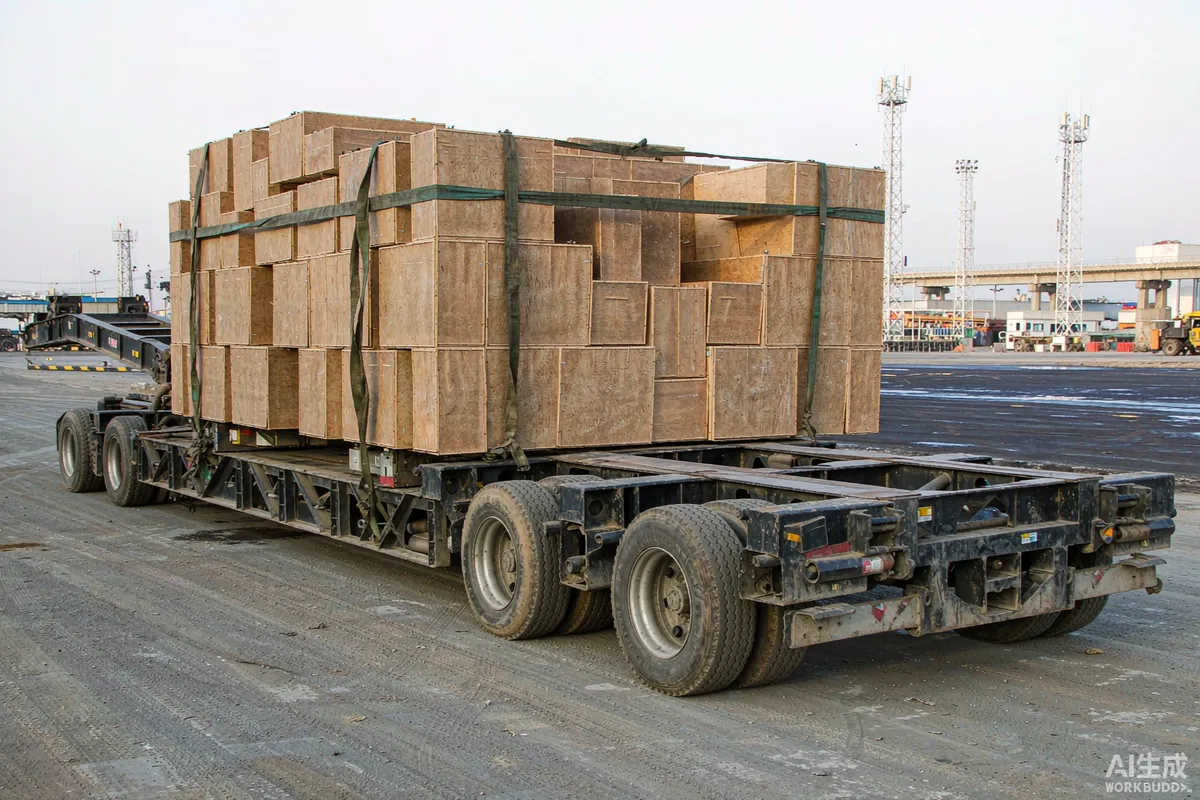
This is the only block the supplier fully controls, and it is where most of the avoidable cost sits. Structure the request as a base configuration plus a list of options, and require the supplier to price the options separately.
- Size and layout. For reference, the Haishu Galactic A range runs from the compact A30 through the mid-size A50 to the large A70, which is frequently configured as a two-storey unit. Size drives structure, glazing, furniture, freight volume and everything downstream.
- Envelope and glazing. Panel build-up, glazing type and area. Panoramic glazing is a selling feature and a cooling load; both are costs.
- Interior fit-out. Flooring, wall finishes, bathroom specification, joinery, appliances, air conditioning, lighting, window coverings.
- Market-specific items. 60 Hz electrical equipment, sand-resistant filtration,External shading, and any items the approvals file requires.
- Spare parts and documentation. Cheap to include at production, expensive to ship later as a separate consignment.
Ask for the options list to be priced per unit and per item. When a later phase adds units, a priced options list lets you re-cost it without another negotiation round.
Block 2: Freight and Port Handling
Freight for a modular unit is quoted on volume and weight, and for out-of-gauge cargo on the space it occupies on the vessel. Three variables move it more than the rate does.
- Transport form. A unit that folds into a container envelope can move as containerised cargo, which is generally the most predictable mode and the easiest to re-book. A finished unit that exceeds container dimensions moves on a flat rack or as break bulk, which costs more and limits the sailings available.
- Route and port. Jeddah, King Abdullah Port and Dammam each have different liner coverage and different inland positions relative to your site. The cheapest ocean rate into the wrong port is not the cheapest landed cost.
- Number of units per shipment. Freight has a large fixed component — booking, documentation, equipment positioning — so the per-unit figure falls as the shipment grows. Batching units into one sailing is usually the single largest controllable saving in this block.
Ask the forwarder to quote the two forms side by side — containerised folded versus flat-rack finished — because the comparison sometimes favours the surprising option once the inland and handling legs are included. Also confirm who pays demurrage and detention risk if a clearance is delayed; that risk should be allocated in the contract, not discovered at the port.
Block 3: Duty, VAT and Clearance
This block is entirely determined by two things: the customs classification of the goods as presented, and the value declared. We do not publish duty or tax rates, because they depend on the classification your broker assigns and on the rates in force on the entry date. What should be fixed in advance is the structure of the calculation.
- Customs duty, applied at the rate for the assigned code in the tariff schedule in force at the time of entry.
- Value-added tax, applied under the national rules on the basis in force at the time of entry.
- The customs value, generally derived from the transaction value with freight and insurance to the port treated as part of it — but the exact basis should be stated by your broker in writing before you commit a budget.
- Clearance costs: brokerage, documentation, port handling, terminal charges, and storage or demurrage if the file is not complete on arrival.
Give your broker the specification, drawings, photographs and packing list before the goods ship, and ask for the code and the duty basis in writing with the rate and the date. Free time at the terminal is limited, and charges that accrue daily are the most common reason a landed budget is exceeded after the fact. Classification is the importer's declaration; the broker advises, the importer carries it.
Block 4: Inland Haulage, Crane and Set
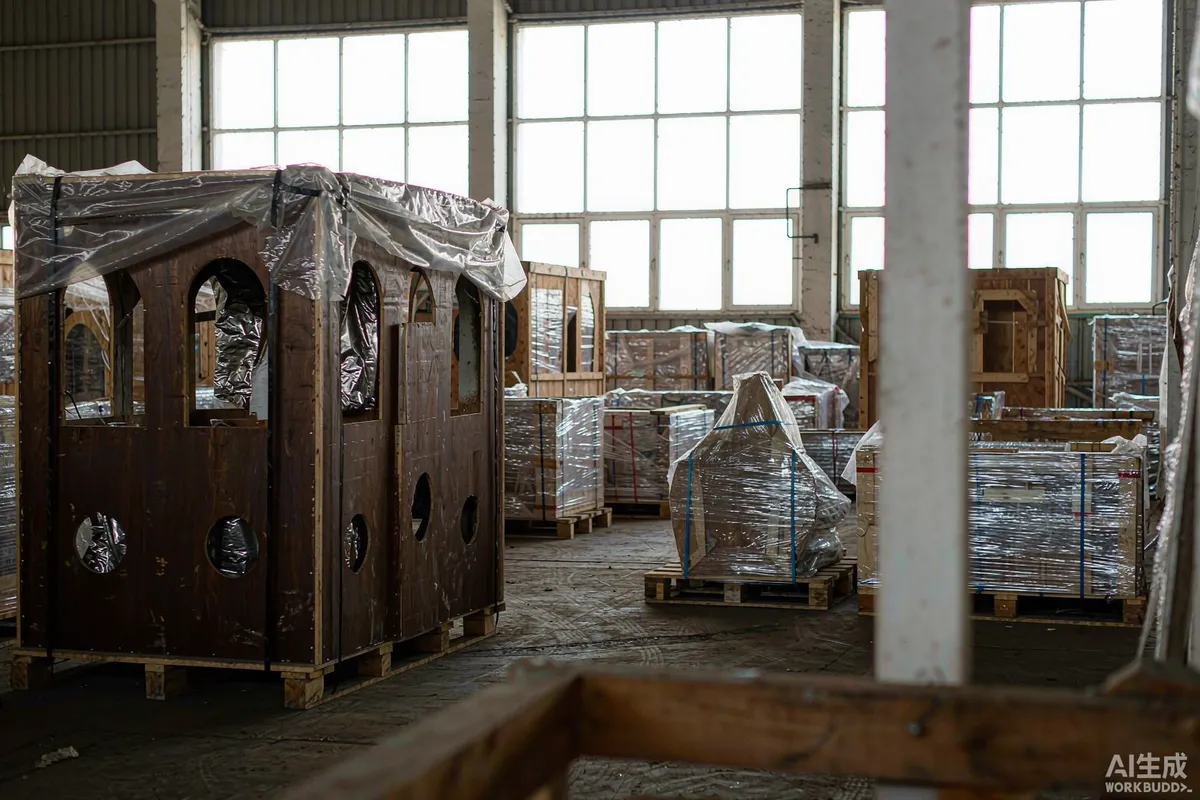
Saudi distances are large, and the unit's destination is often not the port. This block has three parts, and the third is the one usually underestimated.
- Line haul from the port to the site, which for out-of-gauge loads may require permits, escorts and routing restrictions. Ask whether a lowbed is required and whether the route can take the loaded height and width.
- Crane and rigging at the site. Crane cost is driven by capacity and reach radius, not by the weight alone: a lift that has to reach over trees, buildings or a slope needs a larger machine. One mobilisation for several units is materially cheaper per unit than several mobilisations.
- The set crew, including the levelling, anchoring and any assembly. A crew that finishes in one visit costs less than a crew that returns because the pad was out of tolerance.
Price these as a single activity with a stated number of mobilisations, and require the pad to be built and verified to tolerance before the crane is booked. The crane waiting for the pad is the most expensive idle time in the project.
Block 5: Site Works, Utilities and Commissioning
This is the block closest to conventional construction, and it is usually the second largest after the units. It includes the geotechnical investigation and foundation, the power and water connections, wastewater disposal, external shading and hardstanding, the statutory approvals, and the commissioning and snagging before handover. It is also the block most sensitive to the site: the same units on two different plots can have very different site costs.
The two cost references worth reading alongside this are the foundation and site prep cost guide and the utility connection cost breakdown. Both are structural guides rather than price lists, because the figures are site-specific — the useful exercise is to obtain local unit rates for your market and multiply by your measured quantities.
What a Quote Should Show Line by Line
- Incoterm and named place — for example FOB at a named Chinese port, or CIF or DAP to a named Saudi destination. Without this, two quotes are not comparable.
- Currency and validity, with a stated validity period. A quote with no validity date can be withdrawn at the moment it becomes inconvenient.
- Included and excluded items as two explicit lists. The excluded list is the one that matters.
- Lead time stated from a defined trigger — order confirmation, deposit receipt, or drawing approval — not as a vague range.
- Packing details: number of packages, dimensions and gross weight per package, so the freight can be quoted properly.
- Warranty and spare parts terms in writing, including who pays for shipping replacements during the warranty period.
Comparing Three Quotes That Are Not Like-for-Like
Build a normalisation table with one row per cost driver, and for each supplier record their value and the cost to bring it to your requirement. A unit quoted without air conditioning is not cheaper; it is incomplete until the air conditioning is costed. Do this for the size, the glazing, the electrical fit-out, the frequency, the furniture, the freight form, the port and the warranty. Only then compare totals — and compare them as a landed total per usable unit, not as an ex-works figure. The scoring method is set out in the RFQ template.
Where the savings usually are, in structural terms: batching units into one shipment and one crane mobilisation; standardising the configuration across units so the options list stops driving the price; choosing a transport form that fits a container; and getting the documentation right before sailing so nothing pays daily charges at the terminal. Where they usually are not: cutting the geotechnical investigation, undersizing the pad, and accepting a 50 Hz appliance on a 60 Hz supply. Configurations and options are on the product pages; for a project quantity, send the site, the quantity and the delivery window and we will build the landed cost with you.
More from the Blog

Capsule Home Cost Guide: What You Really Pay in 2026
EXW, shipping, install and the hidden line items — a transparent breakdown of total landed cost.
Read article →
How to Install a Capsule Home in 3 Days: A Step-by-Step Guide
From site prep to first guest — the exact sequence our install crews follow on every deployment.
Read article →
Real Owners, Real Numbers: Success Stories
How a lakeside resort, a Spanish glamping site and a Singapore dealer hit their targets.
Read stories →Talk to the Factory
Ready to Ride the 2026 Wave?
Get the latest catalog, pricing tiers and a layout sketch for your land — straight from the engineering team.