Capsule House Materials: Insulation and Interiors
A specification menu for capsule house materials - shell, insulation, glazing, interior finish, flooring and MEP - and what each choice changes elsewhere.
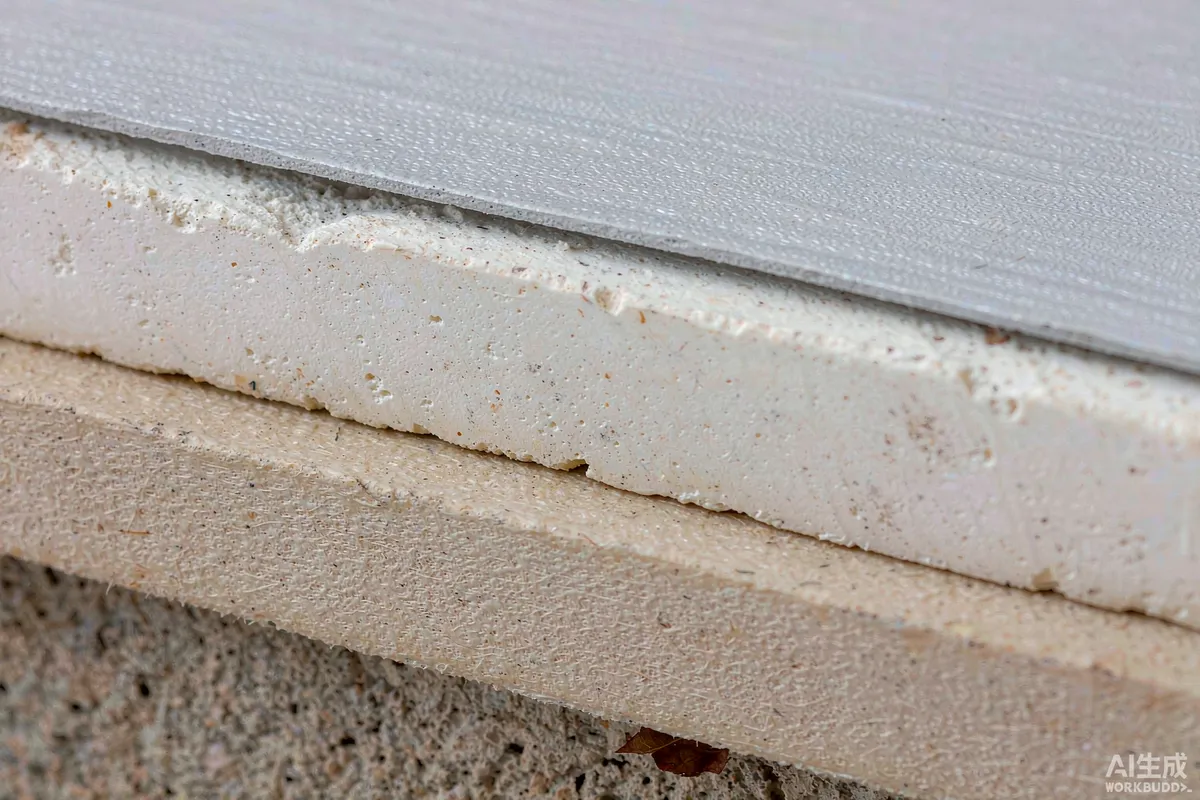
Buyers often treat a capsule house as a fixed product with a few colour options. In practice it is a menu, and six layers of that menu are genuinely open: shell, insulation, glazing, interior finish, flooring and services. Each choice has consequences beyond appearance - weight, packed dimensions, thermal behaviour, maintenance interval, and how long the order takes. This page sets out the menu layer by layer and, more usefully, what each decision changes elsewhere in the project.
Read the Specification as Six Layers
Working from outside in keeps the decisions in the order they constrain each other. An interior finish chosen before the insulation is settled may not fit; glazing chosen before the shell is settled may not be available.
| Layer | What it changes | What to decide first |
|---|---|---|
| Shell and cladding | Corrosion resistance, weight, maintenance cycle, appearance | Environment: coastal, desert, humid, cold |
| Insulation | Thermal performance, condensation risk, wall thickness, interior floor area | Climate and whether the unit is heated continuously or intermittently |
| Glazing | Solar gain, heat loss, outlook, privacy, safety classification | Orientation and whether cooling or heating dominates |
| Interior finish | Wear resistance, cleaning time, perceived quality | Rental turnover versus owner occupation |
| Flooring | Wet-area behaviour, acoustic comfort, replacement cycle | Whether entry is from outdoors directly |
| MEP and services | Power capacity, water heating, ventilation, local electrical compatibility | Grid supply, voltage and frequency at the destination |
Layer 1: Shell and Cladding
The outer envelope takes the weather and takes the abuse during transport, so it is selected on environment rather than on appearance.
- Metal cladding systems are common for their durability and low maintenance. The specification questions are alloy or coating system, thickness, and how joints are sealed.
- Coating and finish choice is where coastal projects succeed or fail. Salt-laden air attacks cut edges and fasteners first, which is a detailing question as much as a material one.
- Weight matters more than it appears. Heavier cladding reduces payload margin, affects crane selection and can push a unit into a different transport category.
- Ask what the maintenance interval is and what it involves. A finish that needs recoating every few years has a very different lifetime cost from one that does not.
Where the unit is going into a marine or desert environment, say so at specification stage rather than at delivery. The relevant choices - fastener material, sealant type, edge treatment - are cheap to make early and expensive to retrofit.
Layer 2: Insulation
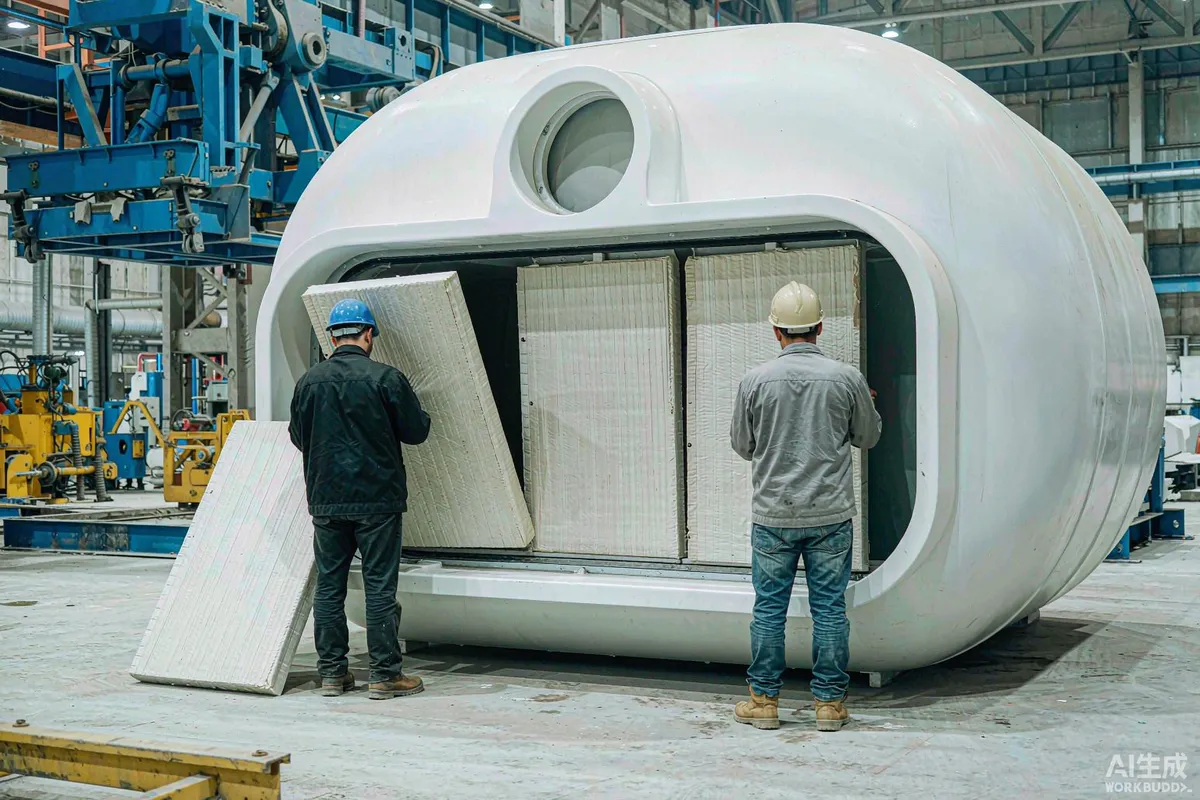
Insulation is the layer most often specified by habit and later regretted. Two variables matter: thermal resistance and how the layer handles moisture.
- Thermal resistance determines heating and cooling demand. Selection should follow climate and use pattern, not a default.
- Thickness consumes interior area. A thicker wall in a transport-limited envelope means less usable floor space - a real trade-off, not a free improvement.
- Vapour control and continuity decide whether condensation forms inside the build-up. This is a detailing issue and it is where poorly specified units fail.
- Continuous versus intermittent heating changes what performs well. A unit heated only at weekends behaves differently from one held at temperature.
For cold-climate performance in depth, including how insulation choice interacts with heating strategy, see our guide to insulation for winter use. This page deliberately does not repeat that analysis.
Layer 3: Glazing
Glazing is the defining feature of the format and the largest thermal variable in it.
- Double glazing is the usual baseline; the questions beyond that are coating type, cavity fill and spacer specification.
- Solar control coatings matter where cooling dominates. They reduce gain but also affect appearance and daylight.
- Safety classification applies to large panels and to positions where impact is possible. Confirm which classification applies to your use and market rather than assuming.
- Opening versus fixed affects ventilation strategy. A fully glazed unit with no opening panels needs a mechanical ventilation answer.
- Orientation amplifies every glazing decision. The same specification performs very differently facing east versus facing west.
Ask for the glazing specification in writing - construction, coating, and any safety classification claimed. Certificates should be requested and verified rather than assumed; requirements may vary by application, market and applicable standard.
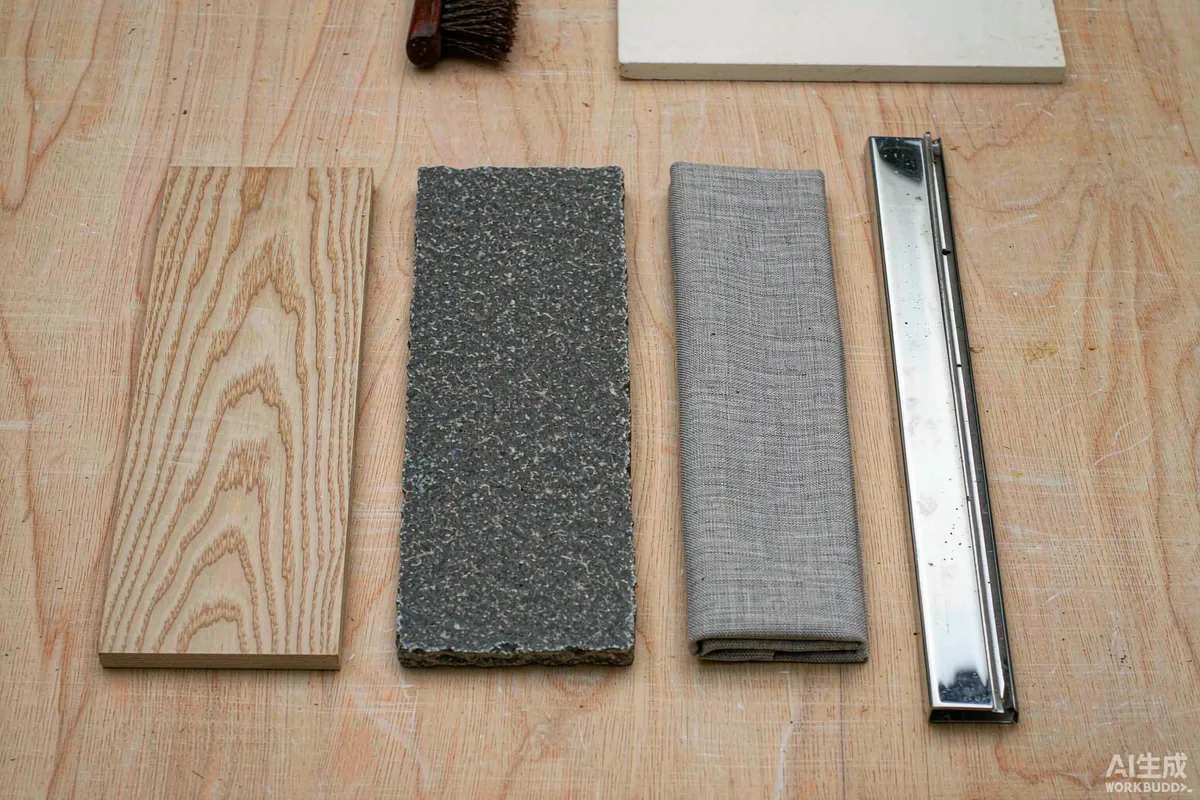
Layer 4: Interior Finish
This is where rental operations and owner-occupiers diverge most sharply.
- High-turnover rental favours surfaces that tolerate frequent cleaning, resist marking and can be repaired in sections rather than replaced wholesale.
- Owner occupation can justify softer, warmer materials that would not survive commercial changeovers.
- Joint and edge detailing determines how a unit looks after two years. Flat panels with visible fixings age differently from concealed systems.
- Colour and light reflectance change how small a compact interior feels - more than most layout changes do.
For material selection specifically under high occupancy, including wear testing and repair strategy, see our guide to interior finishes and durability.
Layer 5: Flooring
Flooring is chosen on wet behaviour and replacement cycle, not on samples in a showroom.
- Entry behaviour. If guests come in from a beach, a forest path or snow, the floor takes that load every changeover.
- Wet-area transition. How the bathroom threshold is detailed matters more than the floor material itself.
- Acoustic behaviour. Hard floors in a compact hard-surfaced interior amplify noise.
- Replacement should be possible in sections. A floor that must be replaced entirely to fix one damaged area is a poor specification for rental use.
Layer 6: MEP and Services
Services are the layer most likely to be wrong on export orders, and the errors are discovered at commissioning.
- Voltage and frequency must match the destination. This is a specification line, not an accessory.
- Plug and socket types, and any residual-current protection expected locally, need to be stated explicitly.
- Heating and cooling capacity should be sized for the climate and for the glazing specification, not selected from a standard list.
- Ventilation must be designed alongside the glazing and the wet room, not added afterwards.
- Water heating strategy - instantaneous versus storage - changes both electrical load and peak demand.
Compliance of electrical and plumbing installations is determined locally, and equipment approved in one market is not automatically acceptable in another. Confirm requirements with a qualified professional at the destination. Requirements may vary by application, market and applicable standard.
A Decision Order for Specifying
Because the layers constrain each other, the sequence in which they are decided matters. Working outside this order tends to produce late changes, and late changes are the expensive kind.
- First, the destination environment. Coastal, desert, humid tropical, cold or high altitude. This fixes the shortlist for shell, coating and glazing before anything aesthetic is discussed.
- Second, the use pattern. Continuous occupation, intermittent weekend use, or high-turnover rental. This drives insulation strategy and interior finish.
- Third, the local services reality. Voltage, frequency, water quality, drainage destination, and whether grid power is reliable. This fixes the MEP layer.
- Fourth, the transport envelope. Route limits, crane capacity and packed dimensions, which constrain how much weight and thickness the earlier choices can add.
- Finally, appearance. Colour, lining, flooring and joinery - chosen within what the first four allow rather than independently of them.
The reason for this order is simple: the first four are constrained by physics, by law and by logistics, and the last is not. A project that chooses finishes first will find itself trading away thermal performance to keep a look, and that trade is rarely a good one.
What Each Change Costs Beyond Money
The menu is not free. Three non-financial costs deserve explicit attention when comparing options.
- Lead time. Non-standard finishes and glazing frequently extend the production slot, and the extension is usually longer than the cost difference suggests.
- Weight and transport. Heavier specifications can change crane class, transport category and whether a route is viable at all.
- Maintenance burden. Some finishes look excellent on day one and require attention by month eighteen. Ask for the maintenance schedule before choosing.
The practical approach is to fix the environment-driven choices first - shell, insulation, glazing - then let the interior layers follow the use case. For the full range of configurable items and their availability by model, see our page on customization options and the current product specification. To discuss a specification for a particular climate, contact our team.
More from the Blog

Capsule Home Cost Guide: What You Really Pay in 2026
EXW, shipping, install and the hidden line items — a transparent breakdown of total landed cost.
Read article →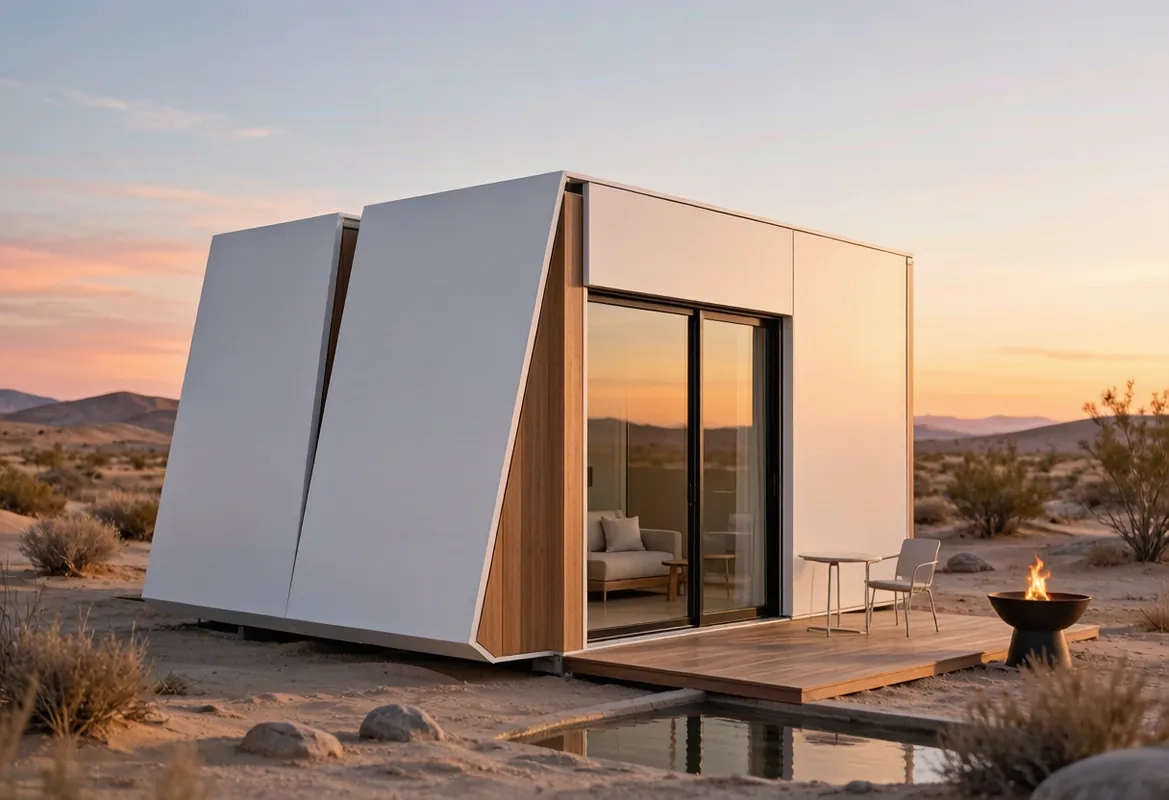
How to Install a Capsule Home in 3 Days: A Step-by-Step Guide
From site prep to first guest — the exact sequence our install crews follow on every deployment.
Read article →
Real Owners, Real Numbers: Success Stories
How a lakeside resort, a Spanish glamping site and a Singapore dealer hit their targets.
Read stories →Talk to the Factory
Ready to Ride the 2026 Wave?
Get the latest catalog, pricing tiers and a layout sketch for your land — straight from the engineering team.