Capsule House Land Lease Thailand: Resort Options
Capsule house land lease in Thailand: title types, use classification, lease term and registration, counterparty diligence and end-of-term obligations.
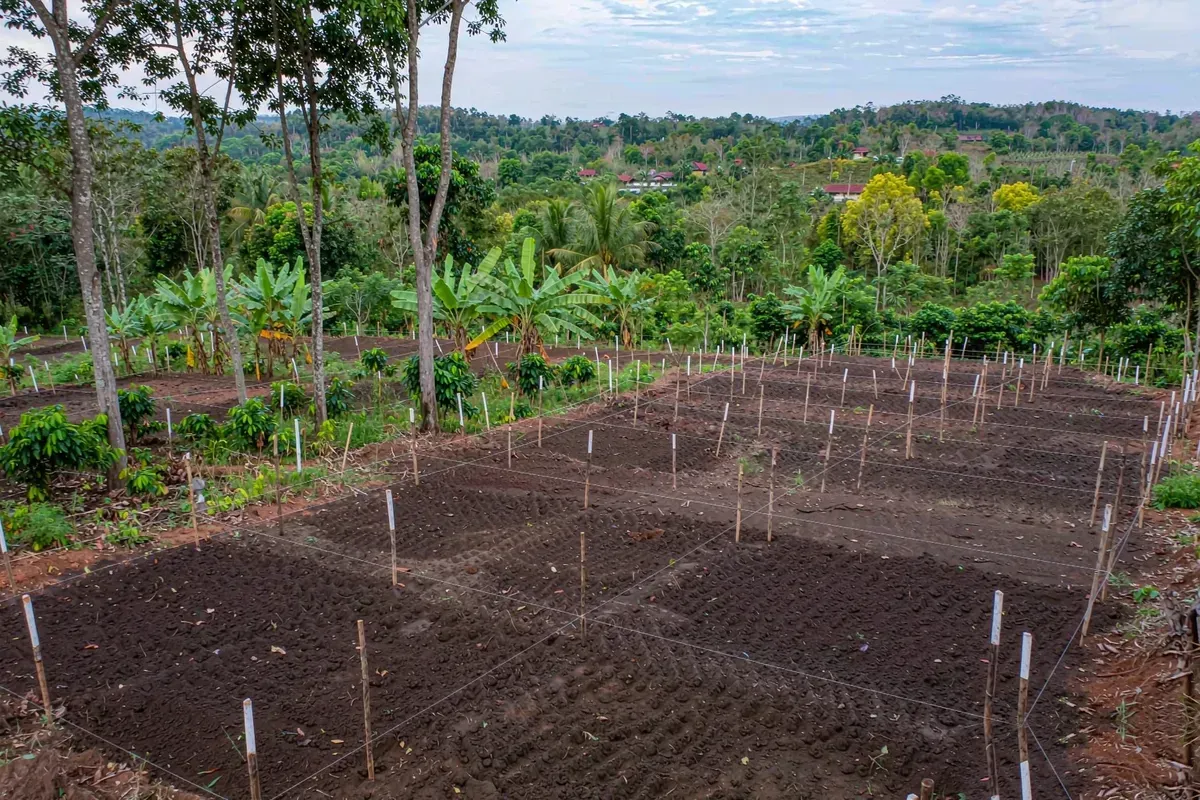
For foreign buyers, the binding constraint on a Thai capsule resort is rarely the building. It is who may hold the land, for how long, and on what terms that right survives a change of owner or a change of local interpretation. This page covers land rights and lease structure only. Building permissions are covered on our Thailand regulations page, cost on our Thailand price page, and the wider market on our Thailand page. Requirements may vary by application, market and applicable standard.
Separate Three Questions That Are Usually Asked as One
"Can a foreigner buy land in Thailand?" is three questions, and each has a different answer and a different owner.
| Question | What it actually asks | Who answers it |
|---|---|---|
| Can the land be held? | Whether freehold or a registered long lease is available to your ownership structure | Thai legal counsel, against the specific title document |
| Can the structure be held? | Whether the accommodation unit is treated as a movable asset or as part of the real property | Counsel plus the local authority's own classification |
| Can the use be operated? | Whether the intended tourism or hospitality use is permitted at that location | Local authority and the relevant licensing body |
Answering the first does not answer the second, and answering either does not answer the third. The most common project failure is a clean land deal on a plot where the intended use cannot be licensed.

The Title Document Decides the Deal
Thai land titles are not equivalent to one another. Different title types carry different rights regarding transfer, subdivision, building and the accuracy of the surveyed boundary. Before committing to a plot, obtain the title document itself and have counsel confirm, in writing:
- Which title type it is, and what that permits in respect of transfer and construction.
- Whether the surveyed boundary matches the physical boundary, and whether any encroachment exists.
- Whether the plot carries registered rights in favour of a third party — a right of way, a usufruct, a mortgage or a lease already in place.
- Whether the land is classified for the use you intend, or whether a change of use is required.
Do not proceed on an assurance that classification can be resolved later. Change of use is an approval process with its own timeline and its own probability of refusal.
Lease Term Against Asset Life
A lease is a time-limited right; the accommodation unit is a long-lived asset. The mismatch between the two is the central financial question in a leased-site resort. Work through four numbers before signing.
- The contractual term and, separately, what renewal actually promises. A renewal option exercisable at the lessor's discretion is not security; a renewal obligation is.
- Registration. Whether the lease is registered at the land office determines its enforceability against third parties and on transfer of the land. An unregistered lease is a different instrument from a registered one.
- The depreciation period of the asset. If the unit is expected to be in service longer than the secure term, the residual value at lease end is a real line in the model, not a rounding error.
- Removal and reinstatement obligations. Whether you must remove the units and restore the land, and at whose cost. A modular unit is removable in principle; the obligation to remove it is a cost, not a benefit.
Our general lease and land agreement page covers clause-level drafting across markets.
Counterparty Risk on the Other Side of the Table
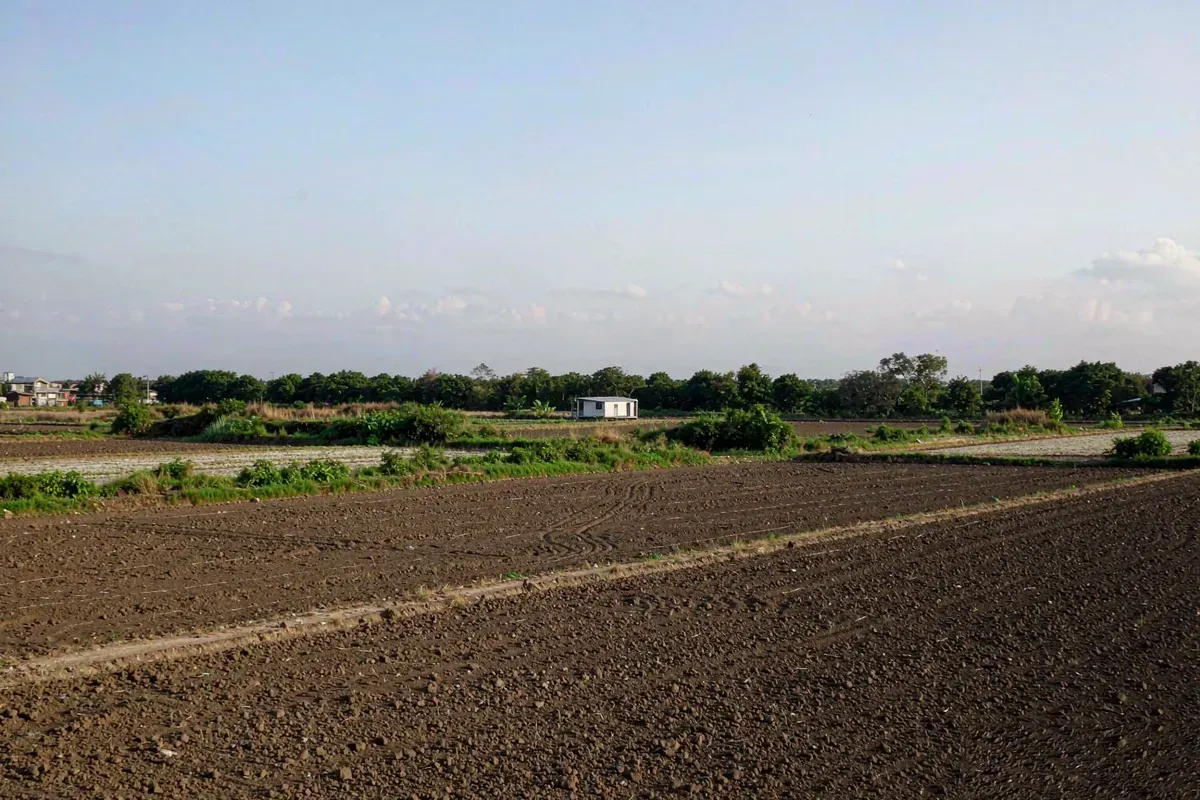
Who owns the land matters as much as what the title says. Three situations need different diligence.
- Private individual or company. Confirm the registered owner matches the person signing, and confirm corporate authority where a company is the lessor.
- Community or collective holding. Confirm who is authorised to commit the land and whether that authority is documented. A resolution is better than a reputation.
- Public or state land. Confirm which body may grant rights and what instrument it uses. Occupation toleration is not a lease, and it does not support financing.
Where the land is held through a Thai entity, confirm the shareholding and control structure with counsel and understand what you actually control. Structure determines who can sell the land under your resort.
Sequence the Deal so the Building Is Not at Risk
Order the work so that no irreversible spend precedes an unresolved land question.
- Title and use confirmed in writing by counsel.
- Lease term, registration and renewal terms agreed.
- Use licensing feasibility confirmed with the authority.
- Site survey and access confirmed.
- Only then: production slot committed.
Production lead time is long enough that most projects want to commit early. Committing before step three converts a legal problem into a manufacturing problem, which is the more expensive of the two.
Financing and Security Over a Leasehold Site
Lenders and investors read a lease differently from freehold, and the difference shows up before any building decision matters. Three points determine whether a leased site is financeable in practice.
- Whether the lease can be mortgaged or assigned. If it cannot, the security available to a lender is limited to the movable units, which are depreciating assets on someone else's land.
- Whether the remaining term exceeds the recovery period of the investment. A lease with eight years remaining does not support a ten-year model, regardless of renewal language.
- Whether consent is required to assign or sub-lease. A consent requirement held by the lessor is a veto over any future sale of your business.
Where the units are treated as movable rather than as fixtures, that can be an advantage on exit and a disadvantage on security. Establish which treatment applies locally before you choose the structure, because it changes what a lender will accept.
What Happens at the End of the Term
Every lease ends, and the ending should be designed rather than discovered. Work through four items while you still have negotiating position: whether the units must be removed and the land reinstated; who bears that cost; whether the lessor has any right to acquire the units and at what valuation basis; and what notice period applies before either side can act. A removal obligation on a modular unit is genuinely manageable, but only if the access route and the crane position still exist at that point — which is worth confirming now, while the site is being planned.
Diligence Checklist Before Signing
- Title document obtained and read by counsel, with the title type confirmed in writing.
- Boundary verified on the ground against the title plan.
- Registered encumbrances checked, including any existing lease or right of way.
- Use classification confirmed, and licensing feasibility raised with the authority informally before formally.
- Lessor identity and authority to sign confirmed, including corporate authority where a company holds the land.
- Lease term, registration route and renewal wording agreed in the draft, not in a term sheet.
- Removal, reinstatement and assignment clauses read and costed.
- Access route surveyed for width, gradient and bridge or culvert capacity.
Steps one to four are the ones that kill projects. Steps five to eight are the ones that make them slow. Do them in that order.
What to Send Us
Send your province and district, the title type if known, intended holding structure, lease term under discussion, unit count and target opening. We will advise which specification decisions depend on the land structure and what can be fixed later. Review the Galactic A series configurations and send your site details through the contact page.
More from the Blog

Capsule Home Cost Guide: What You Really Pay in 2026
EXW, shipping, install and the hidden line items — a transparent breakdown of total landed cost.
Read article →
How to Install a Capsule Home in 3 Days: A Step-by-Step Guide
From site prep to first guest — the exact sequence our install crews follow on every deployment.
Read article →
Real Owners, Real Numbers: Success Stories
How a lakeside resort, a Spanish glamping site and a Singapore dealer hit their targets.
Read stories →Talk to the Factory
Ready to Ride the 2026 Wave?
Get the latest catalog, pricing tiers and a layout sketch for your land — straight from the engineering team.