Placing a Capsule Home on Leased Land: What the Agreement Should Cover
Putting a space capsule home on land you do not own changes the questions you should ask. Term, removal, services, access and what happens at the end of the lease.
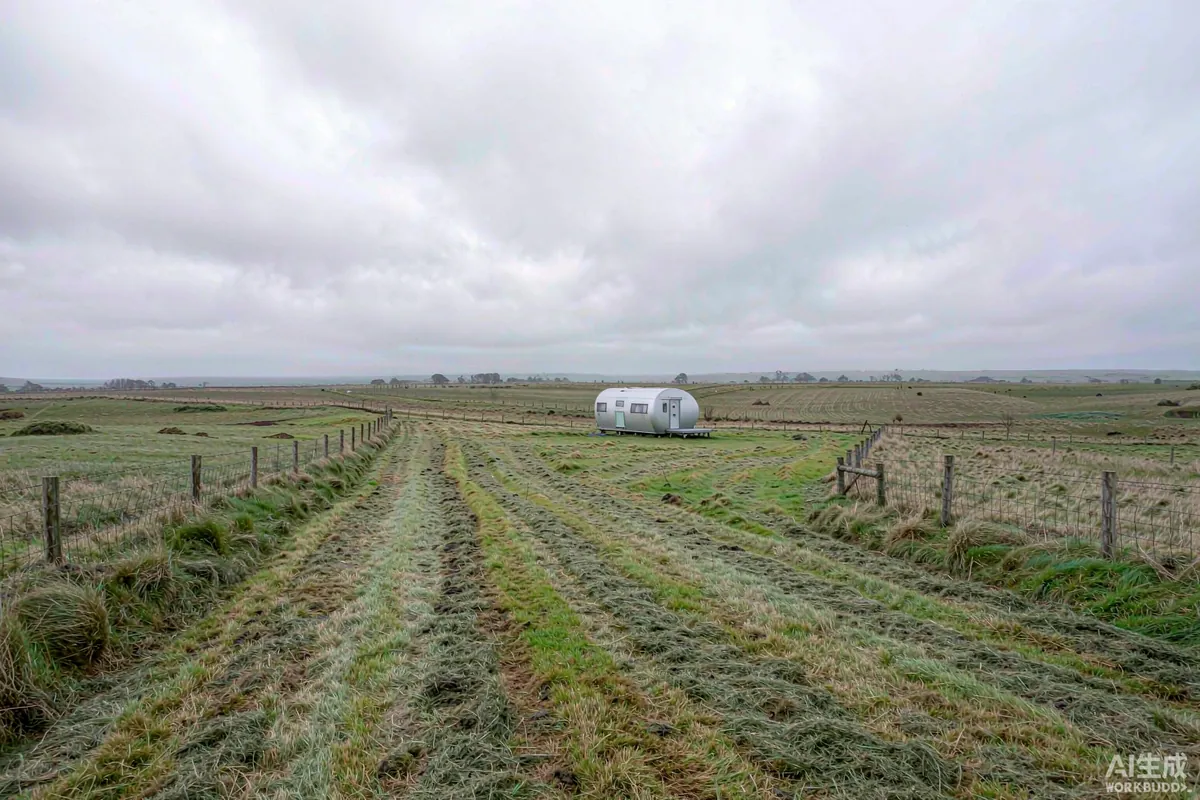
A capsule home on leased land is a different proposition from one on land you own, and the difference is entirely in the paperwork. The unit itself is relocatable, which is a genuine advantage - but only if the agreement actually lets you move it, and only if the site has been prepared in a way that makes removal possible. Before signing anything, settle five things: how long you can stay, who can end it and how much notice, what happens to the unit at the end, who pays for services and access, and whether you are allowed to use it in the way you intend.
The Short Answer
Get the term and the notice period in writing, and make sure they are long enough to recover your investment. Confirm in the agreement that the unit remains yours and that you have the right to remove it. Establish who is responsible for the pad, the services and the access track. Check that the permitted use covers what you plan to do - including letting it out, if that is the plan. And plan the site for removal from day one, because a relocatable unit on a permanent foundation is not relocatable.
Why Leased Land Suits a Capsule Unit
The relocatability of a factory-built capsule unit matches leased land better than any other form of housing. If the lease ends or the arrangement sours, the building can leave. That is the whole argument, and it is worth protecting in the contract, because it is the thing a poorly drafted agreement quietly takes away.
It also changes the risk profile. A conventional build on leased land is a bet on the lease; a relocatable unit is an asset that can follow you to the next site. Buyers who understand this negotiate differently - they care more about removal rights and less about lease length, because the lease length is no longer the only exit.
The Five Clauses That Matter
1. Term and notice
The term needs to be long enough that the unit pays for itself, and the notice period long enough that you can act on it. A twelve-month lease with one month's notice is not a basis for siting a building. Ask what happens on renewal, whether renewal is automatic, and whether rent changes on a defined basis or at the landowner's discretion.
2. Ownership and removal rights
State explicitly that the unit remains your property and is not a fixture of the land. Confirm your right to remove it at any point during the term and at the end, and check whether the landowner can require removal - and at whose cost. This clause is the one that decides whether relocatability is real.
3. Permitted use
Read this carefully and assume nothing. Some agreements permit occupation but not letting; some permit holiday use but not permanent residence; some restrict commercial activity entirely. If you intend to rent the unit out, get that in writing rather than assuming it falls under general use.
4. Services and access
Establish who connects and pays for water, power and drainage, and who maintains the access track. Also establish whether you may install anything permanent - a service trench, a mast, a hardstanding - and who owns it when you leave. Unclear ownership of installed infrastructure is the most common source of end-of-lease argument.
5. Reinstatement
What condition must the land be left in? A sensible clause says the plot is returned in its prior condition, fair wear excepted. An unreasonable one requires removal of every improvement you paid for. Negotiate this before you build anything, not after.
Planning the Site for Removal
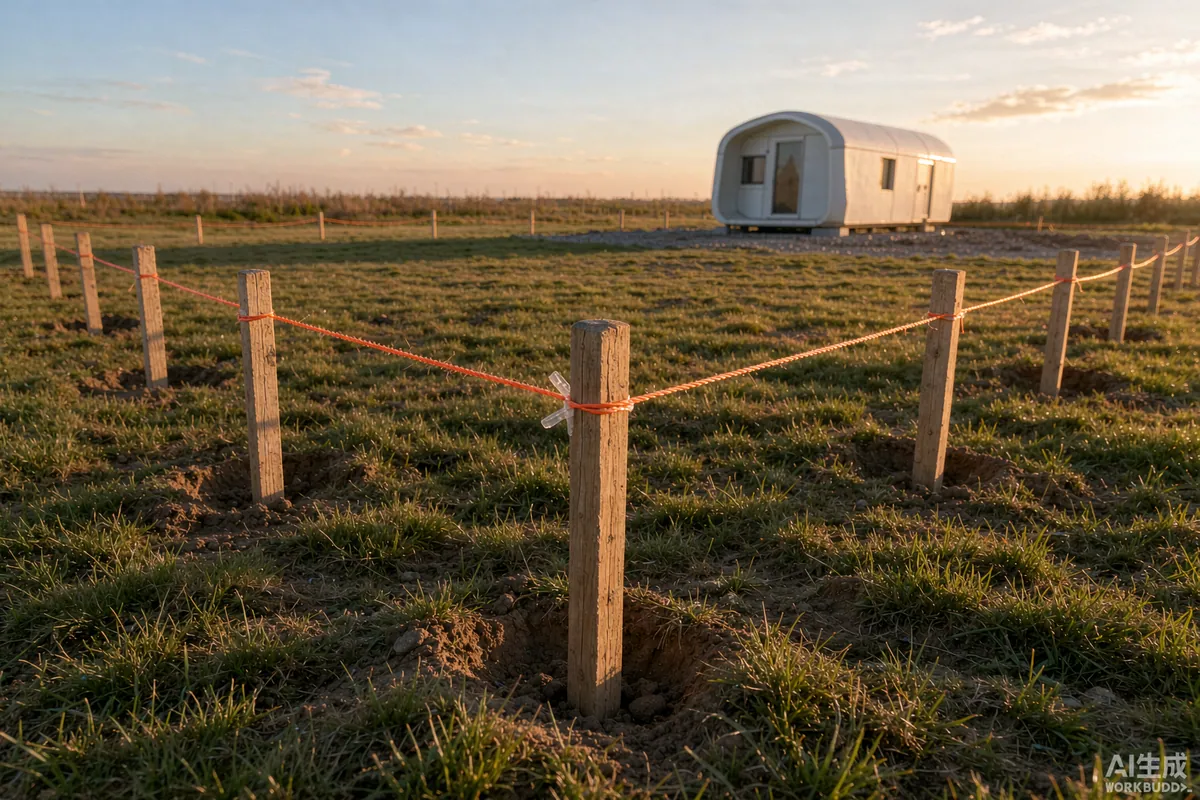
This is where leased-land projects most often go wrong, and it is entirely within your control. A unit on a concrete slab with buried services is fixed in place as surely as any house, regardless of what the lease says about removal.
| Choice | Good for removal | Avoid if you may move |
|---|---|---|
| Foundation | Screw piles, pad footings, adjustable supports | Poured slab with cast-in services |
| Services | Surface-run, quick-disconnect, clearly mapped | Buried runs with no record of route |
| Decking and steps | Modular, bolted, demountable | Built-in masonry or cast concrete |
| Access | Using the existing track where possible | New permanent road you cannot recover |
| Landscaping | Containers, movable planting | Mature planting you would be obliged to leave |
Keep a record of what you installed and where, with photographs. If a dispute about reinstatement arises, that record is the difference between a conversation and a claim.
Questions to Ask Before Signing
- How long is the term, and how much notice can either side give?
- Is renewal automatic, and on what terms?
- Can the unit be removed during the term, and at the end?
- Who owns installed services, hardstanding and outbuildings at the end?
- Is letting permitted, and are there restrictions on commercial use?
- Who maintains the access track, and what happens if it becomes unusable?
- What does reinstatement require, in specific terms?
- Is the landowner's consent needed for any external structures - decks, masts, sheds?
- What happens if the landowner sells the land during the term?
- Is there anything in the landowner's own title or mortgage that affects the arrangement?
The last two are the ones people forget. A change of landowner mid-term, or a restriction the landowner did not mention, can undo an otherwise sound agreement.
Rent, Value and What You Are Paying For
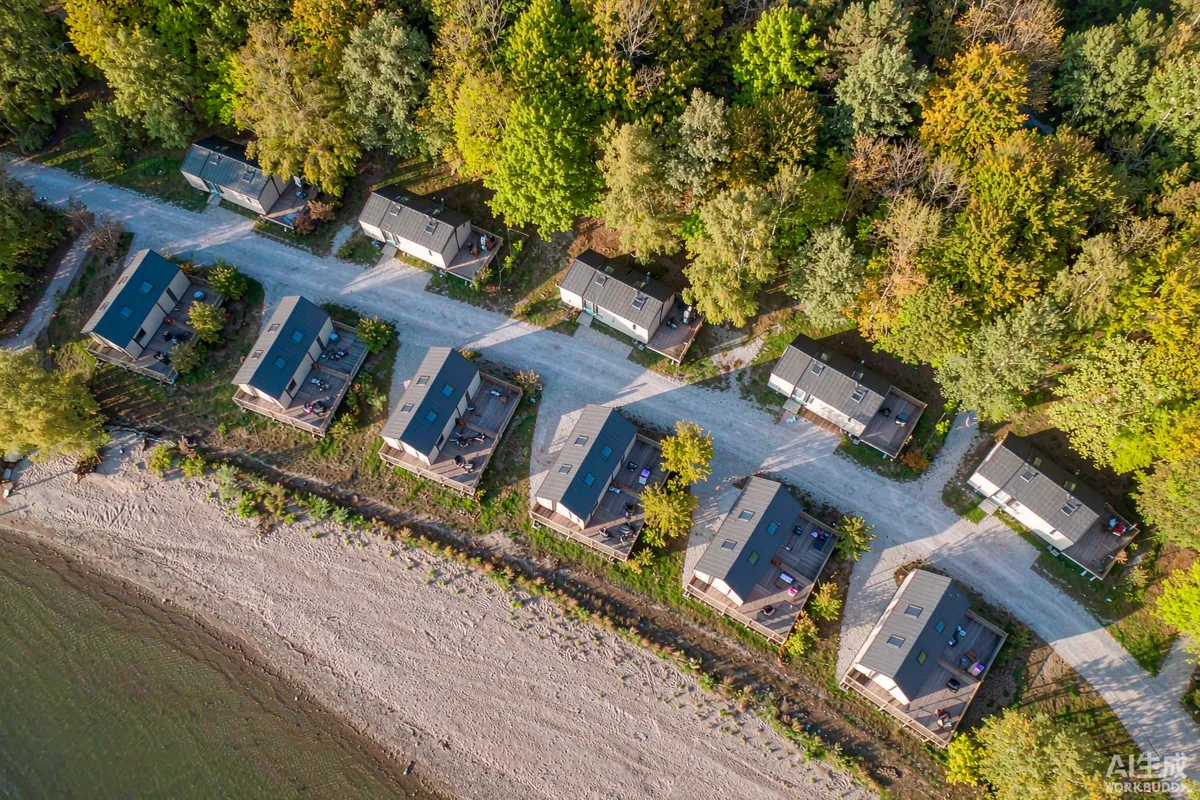
Pricing on leased plots varies widely, and the number is only meaningful alongside what it includes. A low rent on a plot with no services, a poor track and no security can cost more than a higher rent on a prepared pitch. Compare on the same basis: is water connected, is power available and at what capacity, is drainage provided or do you arrange it, who maintains the track, and is there any shared facility you would otherwise have to provide. Where the plot is part of an organised park, also ask what the rules are on letting, on external changes and on guests - the restrictions are part of what you are buying.
Classification and Consent
Whether a relocatable unit needs planning permission, and how it is treated for local purposes, depends on how it is used, how long it stays in place and where it is sited. Requirements may vary by application, market and applicable standard. Do not assume that because a unit is relocatable it is exempt - and do not assume the landowner's view of the rules is correct. Check with the relevant authority, and get any consent in writing before the unit is delivered.
Where the unit is on leased land, the landowner's consent is separate from any statutory consent. You generally need both, and one does not substitute for the other.
What This Means for the Unit You Buy
If the site is leased, let that shape the specification. Ask for demountable service connections, a foundation approach that can be lifted rather than broken out, and documentation of the connection points so removal is a planned operation rather than a discovery exercise. Haishu builds units for container-efficient transport, which suits this use well - the unit is designed to move, and the specification should be too.
The Takeaway
Leased land and relocatable units fit together well, but the fit depends on the agreement rather than on the building. Secure the term and the removal rights, confirm permitted use in writing, settle who owns what you install, and plan the site so the unit can actually leave. Do that, and a lease ending is an inconvenience rather than a loss.
More from the Blog

Capsule Home Cost Guide: What You Really Pay in 2026
EXW, shipping, install and the hidden line items — a transparent breakdown of total landed cost.
Read article →
How to Install a Capsule Home in 3 Days: A Step-by-Step Guide
From site prep to first guest — the exact sequence our install crews follow on every deployment.
Read article →
Real Owners, Real Numbers: Success Stories
How a lakeside resort, a Spanish glamping site and a Singapore dealer hit their targets.
Read stories →Talk to the Factory
Ready to Ride the 2026 Wave?
Get the latest catalog, pricing tiers and a layout sketch for your land — straight from the engineering team.