Capsule Houses for Eco-Tourism: Developer Guide
Capsule houses for eco-tourism: low-impact siting, environmental approvals, water and energy systems, and the metrics that make a claim real.
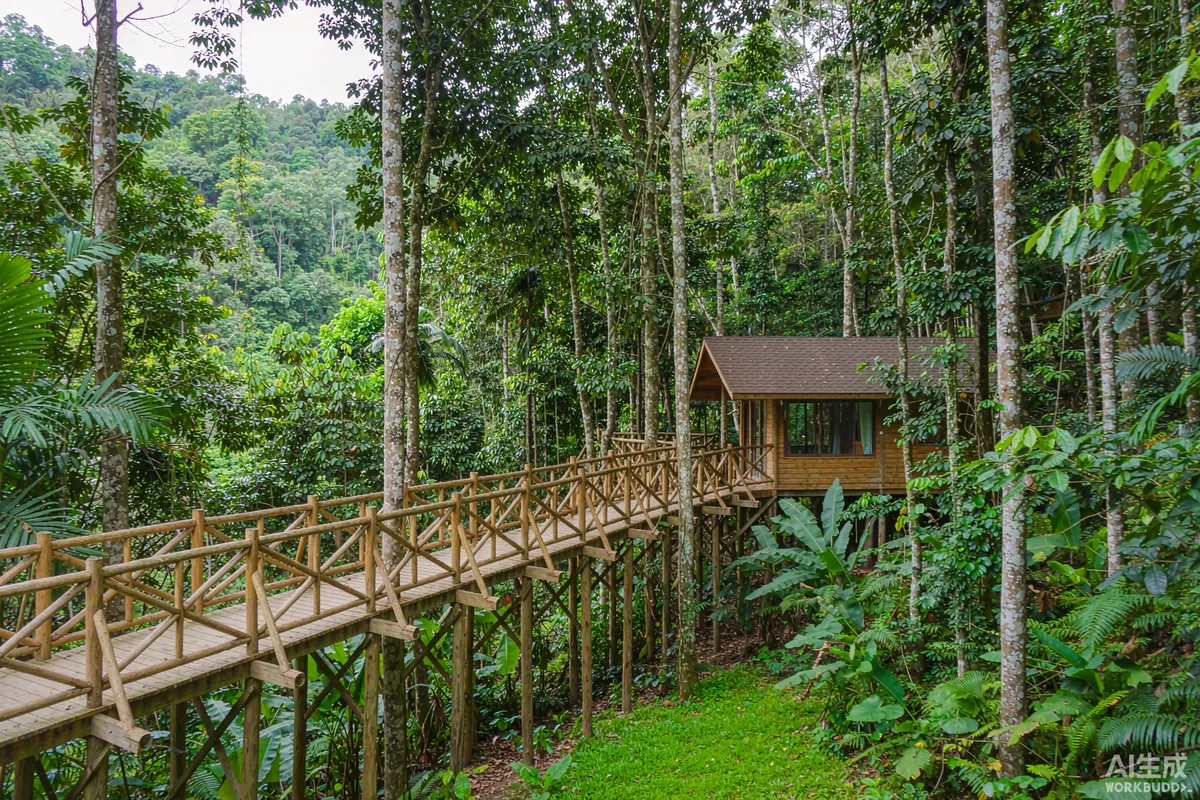
Eco-tourism developments are judged on evidence, not on adjectives. A project that installs efficient units on a cleared ridge with no water strategy is not an eco project, and reviewers, certification bodies and increasingly guests can tell the difference. This page is the developer's view of low-impact development with factory-built capsule units: how to site them so that the ground and the vegetation survive the build, what the environmental approval process typically asks for, how water, energy and waste are handled off-grid, and which operating indicators make the claim measurable. For the broader low-impact operating philosophy, see our low-impact operations guide; for project models in scenic and tourism areas, see the scenic area projects guide. Requirements may vary by application, market and applicable standard.
Low-Impact Siting Principles
The environmental performance of a low-density development is decided by the site plan, before a single unit is specified. Five principles do most of the work.
- Minimise the footprint and the cut. Retaining existing levels rather than terracing reduces earthworks, drainage problems and the visual scar that persists after handover.
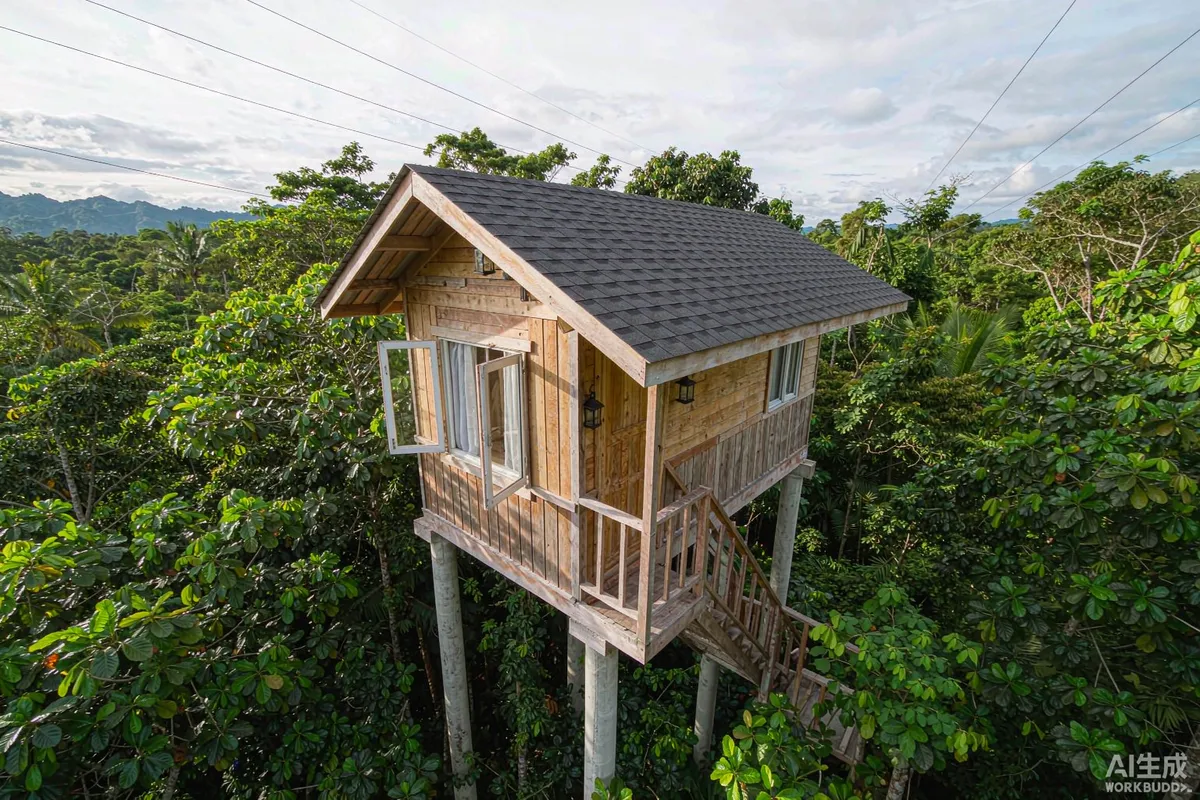
- Elevate rather than excavate. Raised supports or piles with a light touch at ground level preserve root systems, drainage patterns and the ground cover beneath the unit.
- Use boardwalks and existing tracks instead of new roads; they carry guests and services without compacting a wide corridor.
- Keep the canopy and the buffer. Vegetated buffers to watercourses and retained mature trees do more for the site than any equipment specification.
- Design the light and the sound. Shielded, warm, downward-directed lighting and a sensible acoustic separation between units protect the qualities guests came for.
A factory-built unit supports this approach because it arrives finished: fewer vehicle movements, no material storage yards, no wet trades on site, and a foundation that can be designed as a set of discrete points rather than a slab.
Environmental Approvals and Documentation
The approval path is jurisdiction-specific, and the threshold at which a full assessment is triggered depends on scale, location and sensitivity. What is consistent is the evidence that authorities ask for.
- A site description and sensitivity map - vegetation, watercourses, wildlife corridors, slope and drainage.
- A description of the works including access, earthworks, foundation method and construction traffic.
- Wastewater and solid waste strategy with the disposal route named.
- Water supply strategy including source, storage and quality regime.
- An impact assessment and mitigation plan where the scale triggers one, addressing construction phase and operational phase separately.
- Consultation records where community or stakeholder consultation forms part of the process.
Two practical warnings. First, ecological survey work is seasonal: a survey window missed can delay a project by months, so it belongs in the programme at the start. Second, screening thresholds are decided by the authority, not by the developer's view of the project's scale - apply for the screening determination early and in writing. Requirements may vary by application, market and applicable standard.
Water, Wastewater and Waste
On an unserviced eco site, water is the system that most often determines how many keys can be built.
- Supply. Rainwater harvesting, a borehole or a delivered supply, or a combination. Storage capacity should be sized against occupancy and the worst credible dry period, not the average.
- Treatment and quality. A regime with testing intervals, a named responsible person, and records - for guests as much as for regulators.
- Wastewater. Treatment on site with an approved discharge or reuse arrangement, or holding with licensed removal. The disposal route has to be lawful and documented; it is the item most likely to be inspected.
- Greywater separation where it is permitted, so that lower-grade water can serve irrigation.
- Solid waste. Separation at source, a storage area that wildlife cannot access, and a documented removal route. On a remote site, the removal route is the constraint.
Energy and Carbon
- Reduce the load first. Orientation, shading and envelope performance determine how much generation you need to buy. Insulation and shade are cheaper than panels.
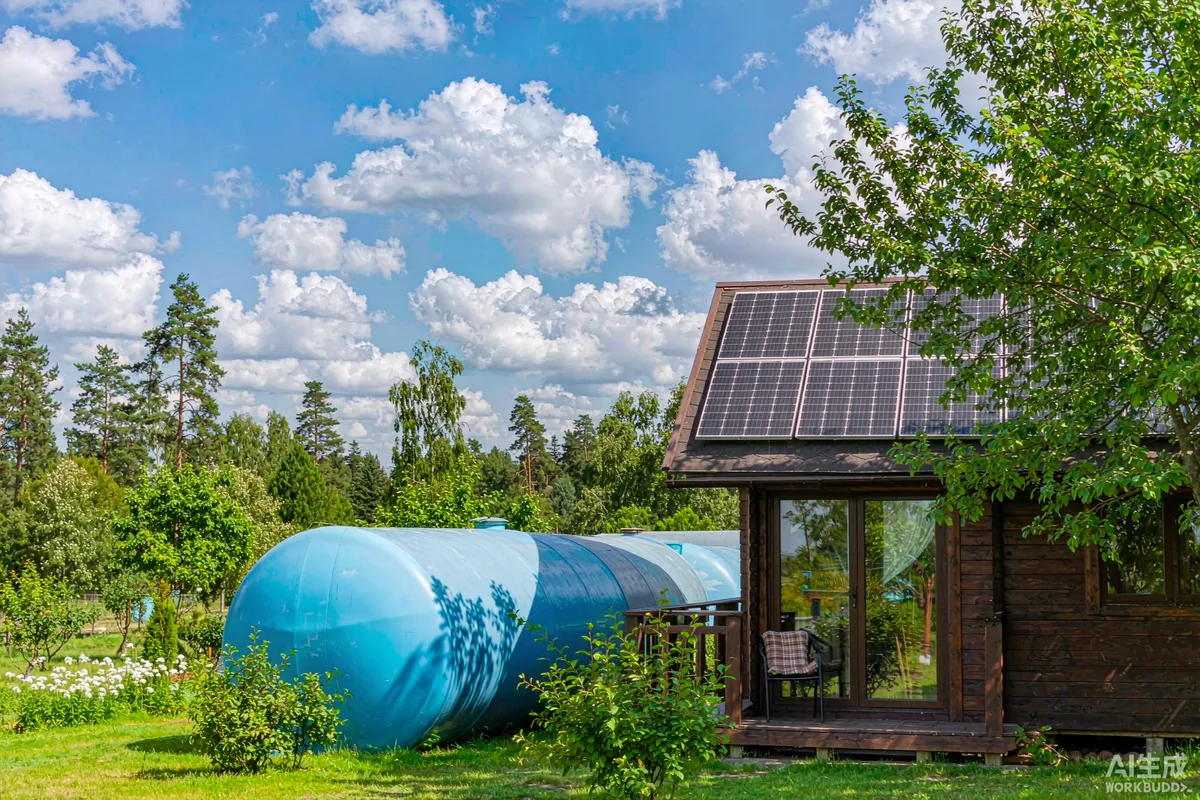
- Then generate. Rooftop or ground-mounted solar with storage, a generator for backup, or a hybrid. Size against a metered load profile rather than a nameplate estimate.
- Measure everything. Sub-metering by unit and by end use is what turns a claim into a number.
- Account for embodied impacts as well as operational ones: fewer site movements, less waste and a longer service life all belong in the argument.
- Plan for replacement. Storage and generation equipment has a service life; the financial model should include it.
Operating Indicators That Make the Claim Measurable
| Indicator | How it is measured | What it demonstrates |
|---|---|---|
| Energy per occupied night | Sub-metered consumption divided by occupied nights | Efficiency of envelope, plant and guest behaviour |
| Renewable share | Generated energy divided by total consumption | Whether the energy claim is structural or marginal |
| Water per guest night | Metered supply divided by guest nights | Fixture efficiency, leakage and laundry practice |
| Wastewater compliance | Treatment records, testing results, disposal documentation | That the site is not degrading the receiving environment |
| Waste diverted from landfill | Weighed streams by category | Whether separation is working in practice |
| Disturbed area | Site plan comparison against the pre-development survey | Whether the low-impact siting claim holds |
| Local employment and procurement | Payroll and purchase records | Whether the community benefit claim is real |
Choose a small set, publish the method, and report on a fixed cycle. Voluntary certification schemes exist for eco-tourism and eco-lodges; where a developer intends to pursue one, the scheme's criteria should be read before design freeze rather than applied for afterwards.
Materials, Transport and Supply Chain Verification
- Ask for material declarations for the claims that matter to the project - recycled content, coatings, timber origin - and verify them with the issuing body.
- Treat certifications as documents to be requested and checked, not as attributes assumed to be held. Certificates such as CE, ISO or eco-labels should be requested from the supplier and independently verified.
- Count the transport movements. A unit delivered finished in one lift is a different environmental proposition from months of material deliveries.
- Plan for the end of life: can the unit be relocated, refurbished or dismantled into recoverable streams? Ask at purchase, when it is still a design question.
Guest Experience Without the Contradiction
Eco-tourism guests are sensitive to inconsistency. A project that asks them to reuse towels while running a generator all night will be noticed. The operating manual should therefore state the guest-facing rules and the back-of-house rules as one system: what is asked of guests, what the site does itself, and how both are explained honestly. Interpretation - a short, accurate account of what the site does and does not do - builds more goodwill than any claim.
Community and Conservation Partnerships
An eco-tourism development sits inside a social and ecological system that it did not create, and projects that ignore that rarely last.
- Start consultation before design freeze. A community told about a project after it is designed will negotiate; a community consulted while it is being designed will often improve it.
- Prefer local employment and procurement where the capacity exists, and where it does not, say so honestly and set out what training is planned.
- Define the conservation commitment in operational terms - a monitored area, a species or habitat programme, a funded ranger post - rather than in general language.
- Set the visitor rules with the neighbours: capacity limits, access routes, noise and waste practices are shared issues, not internal ones.
- Report back on a fixed cycle. Communities judge projects by whether information returns, not by whether it was promised.
These commitments then belong in the operating manual with named owners, in the same way the environmental indicators do. A commitment that lives only in a marketing page will be tested within the first season.
Procurement and Verification Checklist
- Site sensitivity survey completed, including any seasonal ecology windows.
- Screening determination for environmental assessment obtained in writing.
- Foundation method selected for minimal ground disturbance and approved locally.
- Water supply and wastewater strategy designed, sized and approved.
- Energy demand modelled, generation and storage sized, metering specified.
- Material and certification evidence requested from the supplier and verified.
- Operating indicators chosen, with a reporting cycle and a named owner.
- Operating manual, maintenance schedule and staff training completed before opening.
Sustainability claims should be supported by documented evidence and verified by an independent body where a scheme applies; we make no claim to hold any specific certification. Current models are on the product pages; to discuss an eco-tourism development, send the site, the intended scale and the environmental constraints.
More from the Blog

Capsule Home Cost Guide: What You Really Pay in 2026
EXW, shipping, install and the hidden line items — a transparent breakdown of total landed cost.
Read article →
How to Install a Capsule Home in 3 Days: A Step-by-Step Guide
From site prep to first guest — the exact sequence our install crews follow on every deployment.
Read article →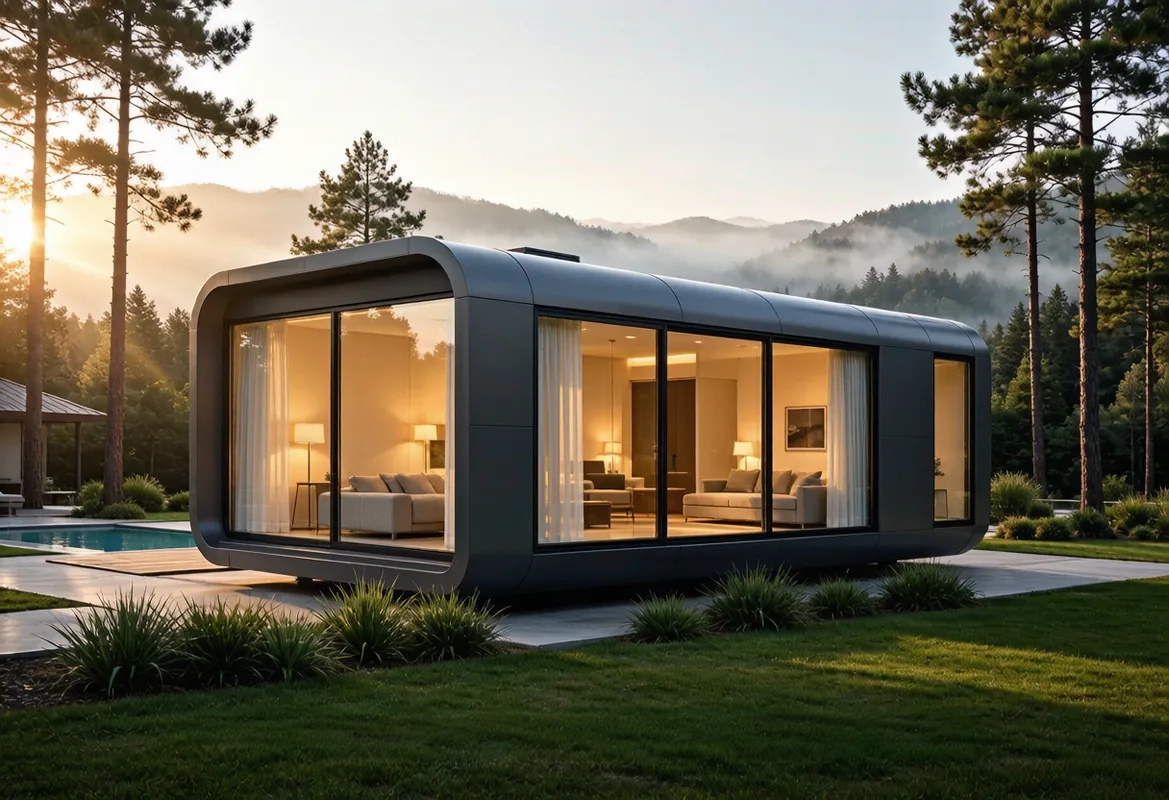
Real Owners, Real Numbers: Success Stories
How a lakeside resort, a Spanish glamping site and a Singapore dealer hit their targets.
Read stories →Talk to the Factory
Ready to Ride the 2026 Wave?
Get the latest catalog, pricing tiers and a layout sketch for your land — straight from the engineering team.