Capsule House vs Chalet: Gulf Resort Comparison
Capsule house versus traditional chalet for Gulf resorts: programme risk, cooling performance, dust and UV ageing, expansion and local content.
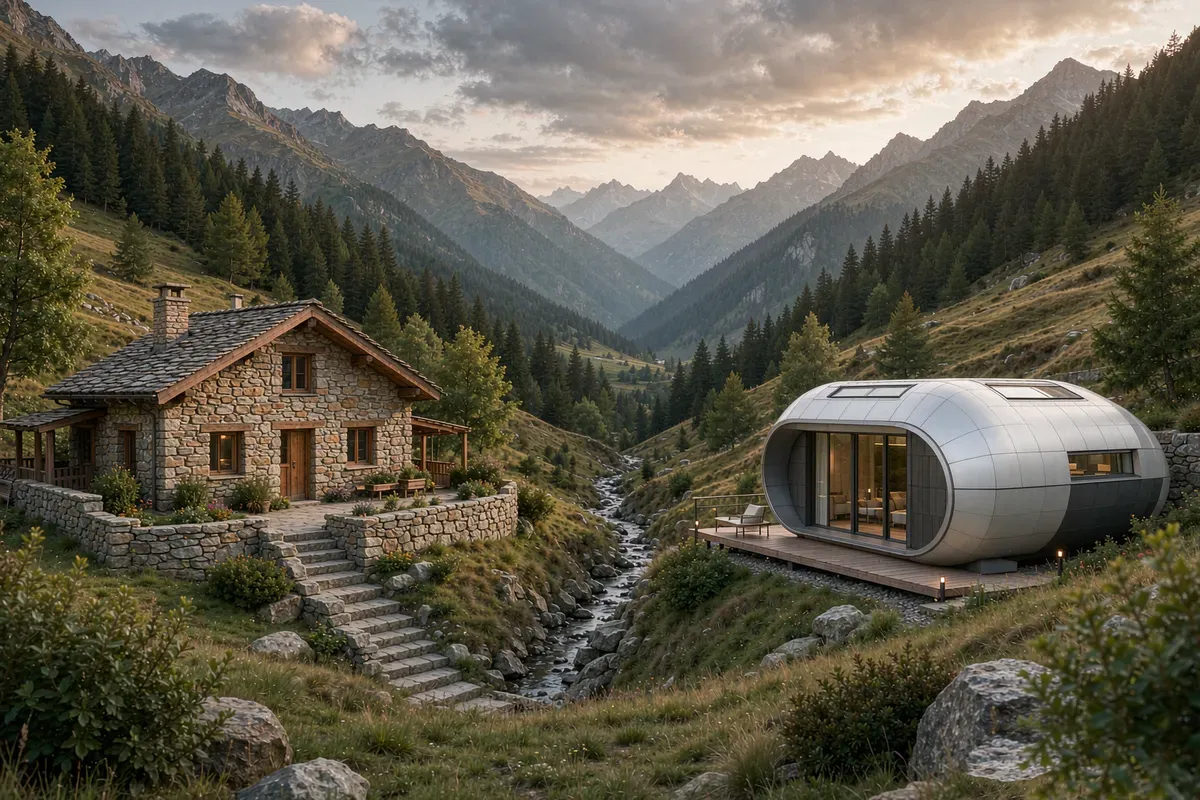
A traditional chalet and a capsule house can occupy the same plot and serve the same guest, and they reach that point by completely different routes. The chalet is built on site from local materials by a local workforce; the capsule house arrives as a finished product and is connected. In the Gulf the difference shows up in four places: programme duration, cooling performance, how the asset behaves under dust and UV, and what happens when you want more keys. This page compares those four and leaves the aesthetics to taste. The regional background sits on our GCC page.
The Comparison That Matters
| Decision factor | Capsule house | Traditional chalet |
|---|---|---|
| Sources of delay | Production slot, shipping, clearance, cranage | Weather, material supply, trade availability, rework |
| Quality control | Factory process; inspect before shipment | Site supervision; inspect continuously |
| Cooling performance | Engineered envelope; stated performance obtainable | Depends entirely on build quality and detailing |
| Dust and UV ageing | Specified coatings and seals; knowable cycle | Depends on local material quality and maintenance |
| Expansion | Order another unit; same specification | Another build; expect variation |
| Relocation | Possible, subject to foundation and access | Not possible |
| Local content | Limited to site works and services | Substantial |
| Failure visibility | Specification errors repeat across fleet | Errors usually isolated to one building |
The last row deserves attention. A factory delivers consistency, which is exactly why a specification error becomes a fleet-wide defect rather than a one-off.Inspect harder before the order, not less.

Programme: Where Each Model Slips
A chalet build slips incrementally — a week here, a trade unavailable there — and the slippage is visible but recoverable. A modular programme slips in blocks: a vessel connection missed, a clearance held, an oversize permit delayed. Each block costs weeks rather than days.
The compensating advantage is parallelism. Site works, foundations and services distribution can proceed while units are in production, so a well-managed modular programme can finish shorter than the equivalent build. Realising that advantage requires the site team and the factory schedule to be managed as one plan, which many projects never quite do.
Cooling: The Gulf Tiebreaker
This is usually where the comparison is decided. A capsule house supplied for the Gulf should come with a stated envelope performance and a cooling system sized against a stated design ambient — both testable before shipment and again at commissioning. Chalets can certainly be well built for the climate, but performance depends on how well they are detailed on site, and defects — an unsealed penetration, a thermal bridge at a roof junction — are invisible until they are expensive.
Ask each option the same questions: what is the envelope's stated thermal performance for the whole assembly? What ambient is the cooling designed against? How much glazing area faces west? How is fresh air filtered and does the unit hold slight positive pressure? A supplier who answers in writing is telling you something useful regardless of the numbers. Envelope specification and dust control are covered in more detail on our GCC climate page.
Ageing Under Dust and UV
Both building types age in the Gulf; the difference is predictability. Factory-applied coatings and seals arrive with a specified system and a stated maintenance cycle. Locally sourced materials and trades do what they do, with variation from building to building and season to season.
In practice this means the modular option front-loads specification effort and reduces variance, while the chalet option front-loads supervision effort and accepts variance. If you have strong site supervision, the second can be fine. If you do not, or if you are building remotely, variance is expensive.

Expansion: The Second Phase Question
Assume both work and you now want twenty more keys. With a chalet, you repeat the build — with the same variability, and usually with the site disturbed during operation. With units you reorder to the same specification and add them, subject to serviced capacity having been planned for the end state.
That last clause is the catch for both models: neither expands cheaply if the original services were sized for the original key count. Decide the end state before the first phase and size infrastructure accordingly. Our page on phased resort expansion covers how to structure that decision.
Permits, Classification and Local Content
The two models do not necessarily follow the same permission route. A site-built chalet is unambiguously a building, assessed through the local building control route. A factory-built unit may be assessed differently depending on foundation, connection and intended permanence, and it also has an import dimension the chalet does not. Where local content rules or procurement preferences apply, they favour local construction.
Neither set of rules is something we can summarise from outside your project — they vary by country, by municipality and by site designation. Requirements may vary by application, market and applicable standard. Ask your consultant to establish both routes before you compare costs, because the route affects the programme before it affects the budget.
Cost Structure: Comparing Both Honestly
Express both options in the same six lines before drawing conclusions: design and approvals, capital per key installed, financing duration during construction, site works and services, operating cost per occupied night, and maintenance over ten years. Then add the two lines that never appear in a first comparison: revenue forgone while construction continues, and the cost of correcting defects found after handover.
The modular route tends to concentrate Capital earlier and reduce variance in both programme and operating cost. The chalet route tends to spread capital, employ more locally, and accept greater variance in build quality and timeline. Neither is inherently superior; the better answer depends on whether your binding constraint is cash timing, opening date, quality consistency, or local content. Identify the binding constraint before you compare, because the comparison changes depending on which line you are optimising.
Operations: How Each Ages Day to Day
The difference operators notice most is variance. A fleet of units delivered to one specification can be maintained to one routine: one set of filters, one seal profile, one glazing type, one cleaning method per surface, one spares list. A mixed build of chalets carries per-building differences in joinery, shading, glazing and finishing, which means several routines and a larger store.
That variance is manageable with a competent maintenance team, and it is the reason many operators accept it in exchange for local character. It should still be a conscious choice: decide whether you are buying a maintenance system or a collection of individual buildings, because that is what the difference amounts to five years in.
Where Each Option Wins
- Capsule house: remote sites, tight or event-driven opening dates, repeat-able fleets, hard climate specification, and operators who want reorder consistency.
- Traditional chalet: projects emphasising local content and local trades, sites with difficult access for large loads, one-off architectural statements, and situations where local construction capacity is genuinely strong and well supervised.
- Mixed schemes: often the pragmatic answer — units for the guest inventory, a site-built building for reception, dining and shared facilities, which also keeps the guest-facing architecture local.
What to Send Us
Send your site location and conditions, the number of keys and phasing plan, the electrical supply characteristics, and your target opening date. We will set out what the modular route requires, what to verify in writing, and what remains local. Review the Galactic A series configurations and send your details through the contact page.
More from the Blog
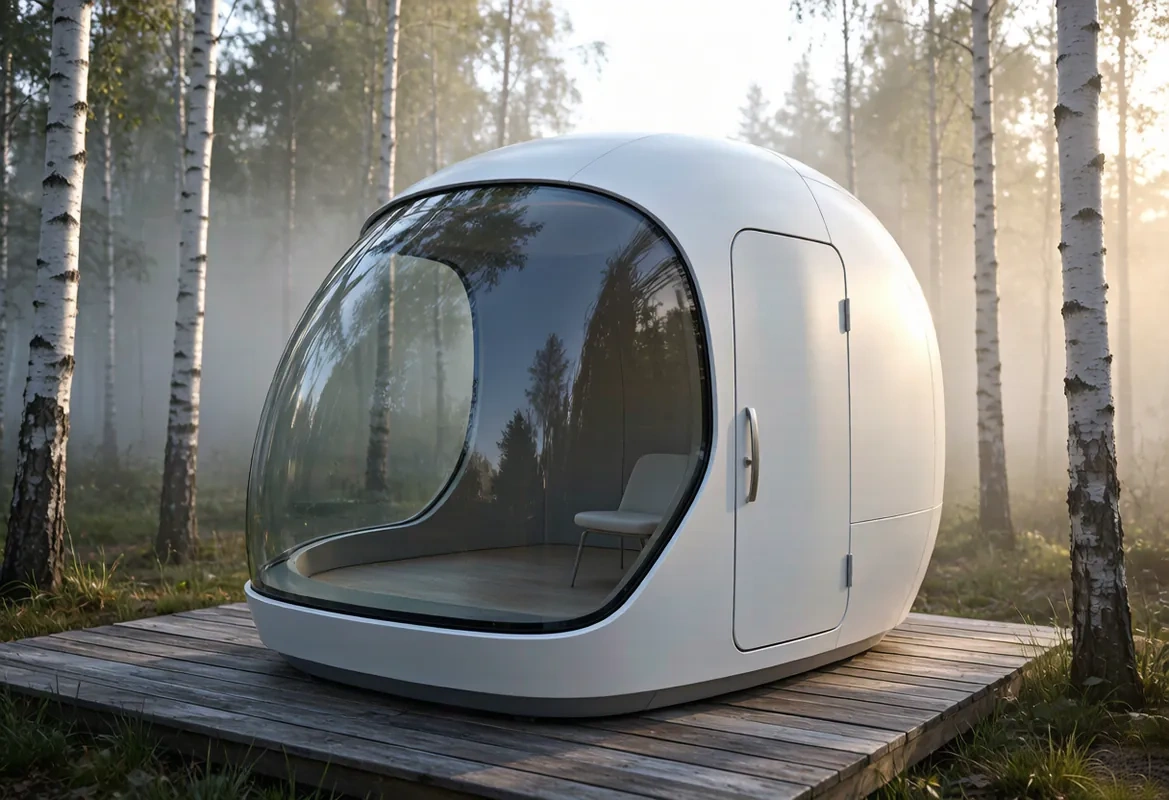
Capsule Home Cost Guide: What You Really Pay in 2026
EXW, shipping, install and the hidden line items — a transparent breakdown of total landed cost.
Read article →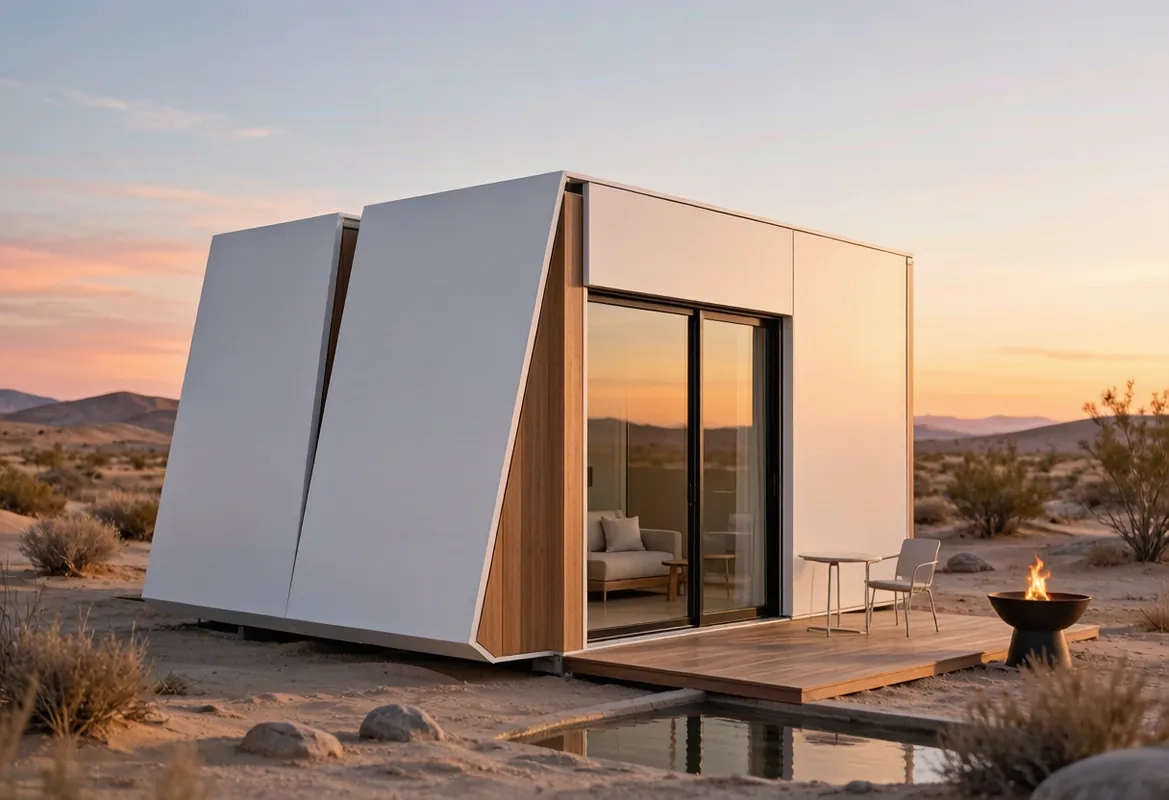
How to Install a Capsule Home in 3 Days: A Step-by-Step Guide
From site prep to first guest — the exact sequence our install crews follow on every deployment.
Read article →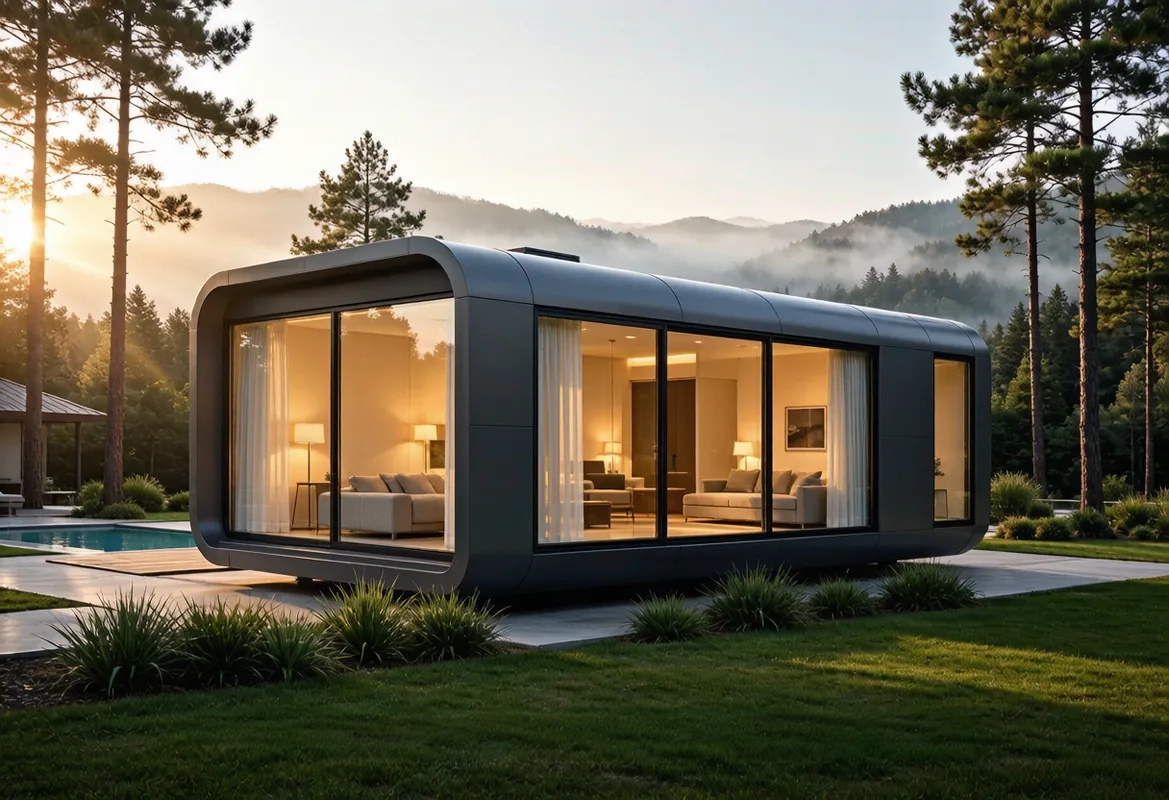
Real Owners, Real Numbers: Success Stories
How a lakeside resort, a Spanish glamping site and a Singapore dealer hit their targets.
Read stories →Talk to the Factory
Ready to Ride the 2026 Wave?
Get the latest catalog, pricing tiers and a layout sketch for your land — straight from the engineering team.