Capsule House Oman: Buyer Guide for Desert Sites
Capsule house Oman: coastal salt exposure, the southern monsoon, desert heat, mountain and wadi access, and how to specify and phase a project.
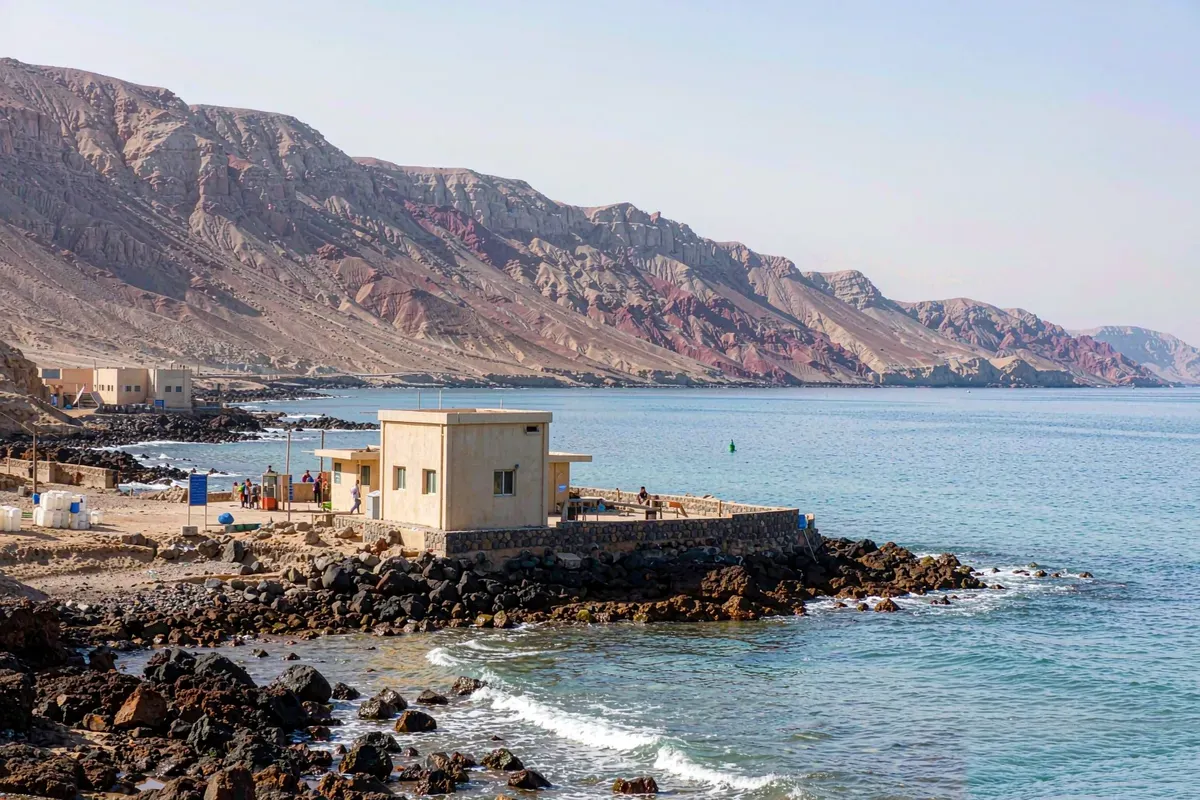
Oman is not a Gulf average, and specifying a capsule house for it on the basis of a regional rule of thumb is how projects end up with the wrong envelope detail in one region and the wrong access plan in another. The country has four materially different site conditions within its borders: a humid, salty coastline around the capital area; a southern region with a seasonal monsoon that brings sustained moisture and fog; an interior desert with extreme daytime heat and a wide daily swing; and mountain terrain where the road, not the climate, decides the programme. This page is about matching the unit and the plan to those differences. Broad regional climate behaviour is covered separately in the GCC climate page, and the multi-country overview stays in the capsule house GCC guide. Pod products available in Oman are covered in glamping pods in Oman and are not described again here; pricing for a different Gulf market, such as capsule house price in Qatar, is market specific. General price structure sits in capsule house price. No climate figure, port procedure or approval requirement is stated here as fact; confirm with the authority having jurisdiction. Requirements may vary by application, market and applicable standard.
Four site conditions, four specification problems
| Condition | What the unit sees | What to raise with the supplier |
|---|---|---|
| Coastal, capital region | Salt-laden humid air; corrosion and deposit on external surfaces | Coating specification, fastener material, glazing frame finish, cleaning access |
| Southern monsoon season | Sustained moisture, fog and reduced visibility rather than dry heat | Sealing continuity, ventilation strategy, interior finishes that can dry |
| Interior desert | Very high daytime temperature with a large night-time swing | Insulation continuity, glazing solar control, cooling capacity and condensate path |
| Mountain and wadi terrain | Slope, rock, constrained working space, long or steep access | Transport configuration, levelling method, crane or alternative placement |
Two of these are thermal problems and two are not, which is the main reason a single regional specification fails. A unit detailed for desert heat but sited on a fog-bound southern slope will have a moisture problem that no amount of insulation addresses.
Coastal exposure
On the seaward side, the dominant mechanism is salt deposition rather than temperature. What matters is the specification of the things that corrode and the things that have to be cleaned: external coating system and its repair method, fastener and bracket material, glazing frame finish, and how a housekeeper reaches the glass safely. Ask the supplier what coating system is applied and what the maintenance and touch-up procedure is, and ask whether the finish is specified for a coastal exposure class. Treat the answer as a claim to be documented, not as a given.
The monsoon season in the south
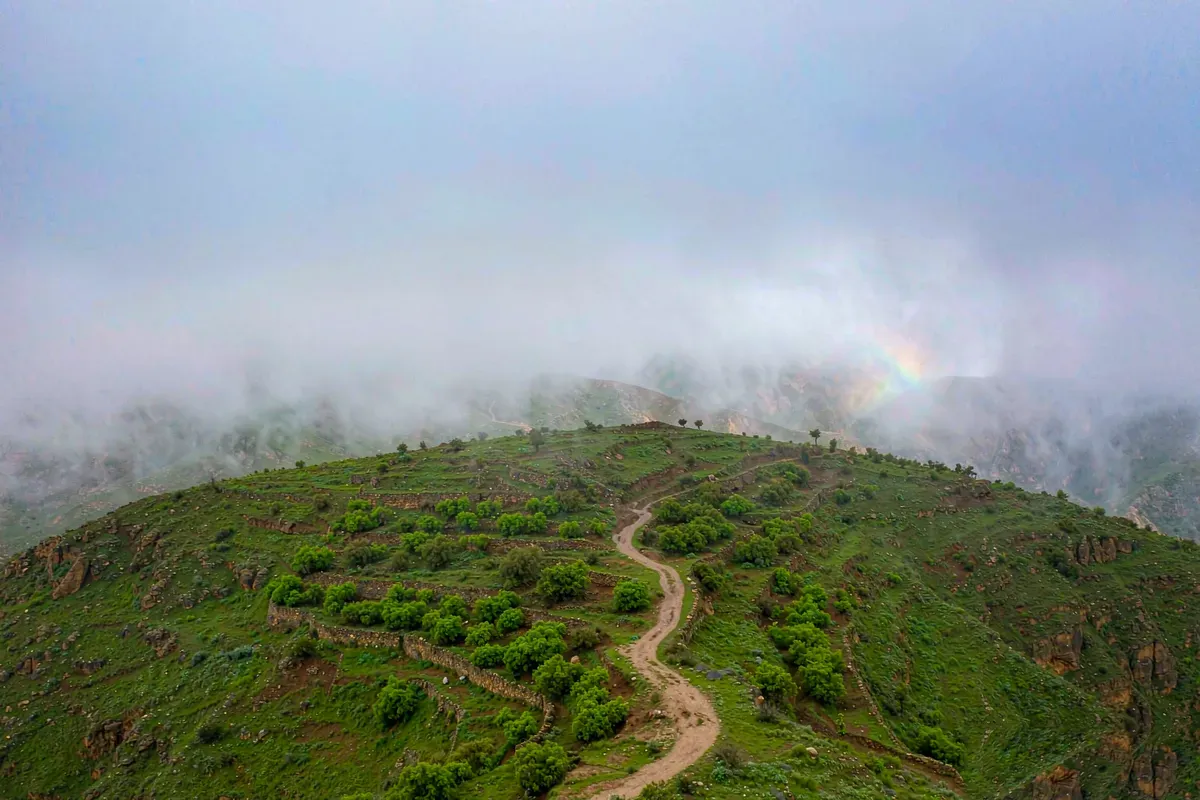
The seasonal moisture in the south inverts the usual Gulf assumption. The risk shifts from overheating to damp: air that stays close to saturation for extended periods, condensation on cool surfaces, and interiors that do not dry between occupations. The specification response is the same set of measures used in any humid tropical market, and it is worth stating explicitly because it is often omitted from a Gulf specification: continuous sealing detail, a ventilation route that works when the unit is closed, condensate drainage that is accessible, and internal finishes that tolerate moisture and can dry.
Desert interior
Here the problem is the familiar one, and the wide daily swing is the part that catches people out. A unit that handles the daytime peak but is not detailed for the night-time drop cycles its materials and its seals, and cooling equipment that runs near continuously needs a condensate path that is genuinely maintained rather than assumed. Insulation continuity at panel joints and glazing solar control are the two specification items that decide the cooling load; ask the supplier for the declared figures rather than accepting a description.
Where the four conditions overlap
Real sites are frequently two of these at once. A coastal site south of the capital can have salt exposure and a monsoon season in the same year; a wadi site can be in the interior and experience desert thermal swings alongside difficult access. When two conditions overlap, the specification should satisfy both rather than average them, and the two requirements that most often conflict are moisture management and solar control: a unit detailed to keep heat out with continuous sealing may need additional ventilation provision to cope with a humid season. Raise the overlap explicitly in the enquiry, because a supplier told about one condition will price and detail for one condition.
Access, entry and the inland leg
Oman's usable sites are often away from the main towns, and the inland leg is frequently the schedule risk rather than the unit itself. Points to establish early:
- Port of entry and the road route. Confirm which port serves the site and what the road leg looks like for a vehicle carrying the unit in its transport configuration.
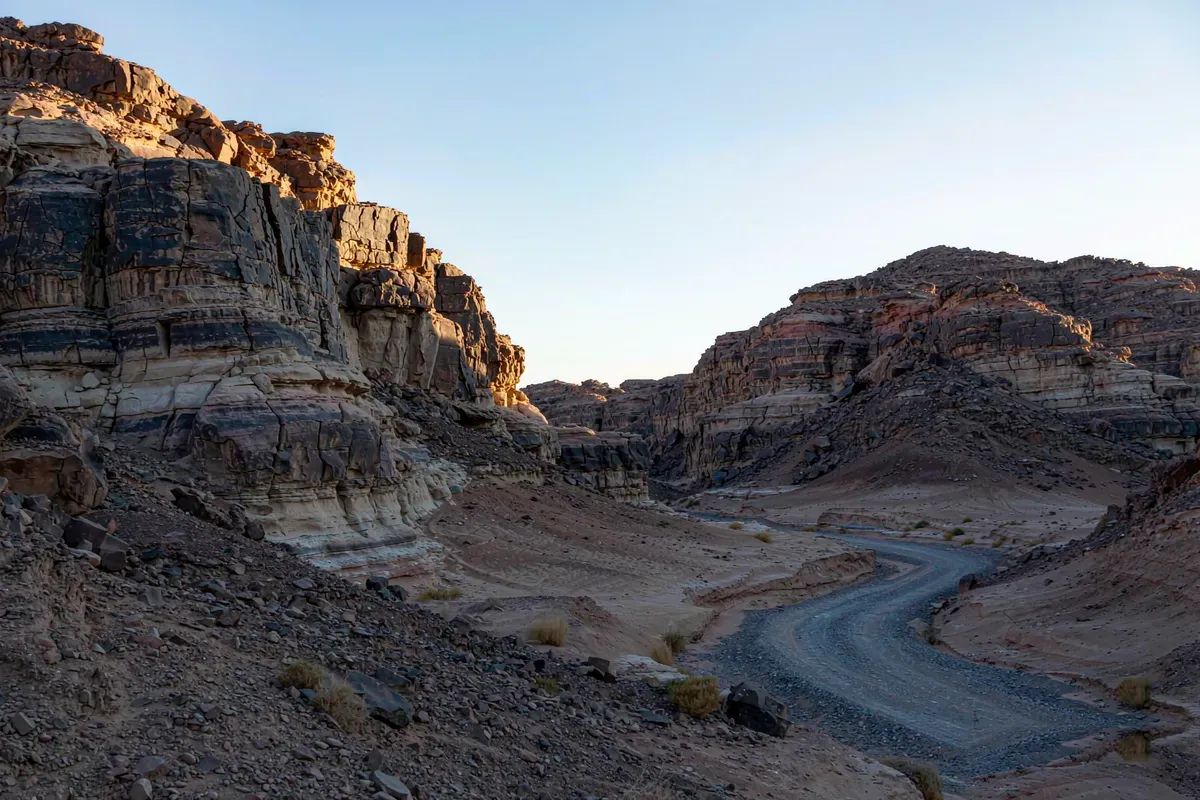
- Wadi crossings. Gravel beds that are dry for most of the year can change character quickly. A route that is fine in one season is not necessarily fine in another, and a crossing should be assessed rather than assumed.
- Turning and working space on constrained ground. Mountain and wadi sites often have a pad with no room for the crane to stand where it needs to. Establish the placement method before the order ships, not when the truck arrives.
- Power and water away from towns. Where reticulated services do not reach, both become on-site systems with their own space, structure and resupply logistics.
Procurement sequence suited to the market
Omani capsule projects are frequently smaller in unit count and longer in decision cycle than the large Gulf programmes. That changes what a buyer should optimise for:
- Specify to the site condition, not to the region. State the actual site, its exposure and its terrain in the enquiry. A supplier quoting without that information is quoting a generic unit.
- Use a sample or a documented inspection step. With smaller orders, a pre-shipment check and a documented finish sample are worth more than a promise.
- Phase the first order. A first phase of a few units, operated for a season, produces the information that makes the second phase better specified and easier to approve.
- Keep the scope boundary written down. On remote sites the question of who provides the inland transport, the placement plant and the service connections is where cost and schedule disputes start.
Documents to ask for
Regardless of which region the site is in, the documents that make an Omani specification checkable are: the coating and material specification for the external envelope, the glazing specification including solar control, the insulation specification and where it is continuous, the declared cooling capacity and the condensate arrangement, and the transport dimensions in the shipping configuration. Where any of these is described but not documented, ask for the document. Where a supplier cannot produce one, that is information in itself.
Two closing cautions. First, requirements differ between municipalities and between site types, and the authority having jurisdiction is the only source of what applies. Second, the most common error in this market is not a specification error at all; it is assuming the country behaves like a single climate. It does not.
More from the Blog

Capsule Home Cost Guide: What You Really Pay in 2026
EXW, shipping, install and the hidden line items — a transparent breakdown of total landed cost.
Read article →
How to Install a Capsule Home in 3 Days: A Step-by-Step Guide
From site prep to first guest — the exact sequence our install crews follow on every deployment.
Read article →
Real Owners, Real Numbers: Success Stories
How a lakeside resort, a Spanish glamping site and a Singapore dealer hit their targets.
Read stories →Talk to the Factory
Ready to Ride the 2026 Wave?
Get the latest catalog, pricing tiers and a layout sketch for your land — straight from the engineering team.