Capsule House Malaysia: Monsoon and Island Resorts
Capsule house projects in Malaysia: monsoon rain and humidity, island resort siting, state-level permits and import steps to confirm before ordering.
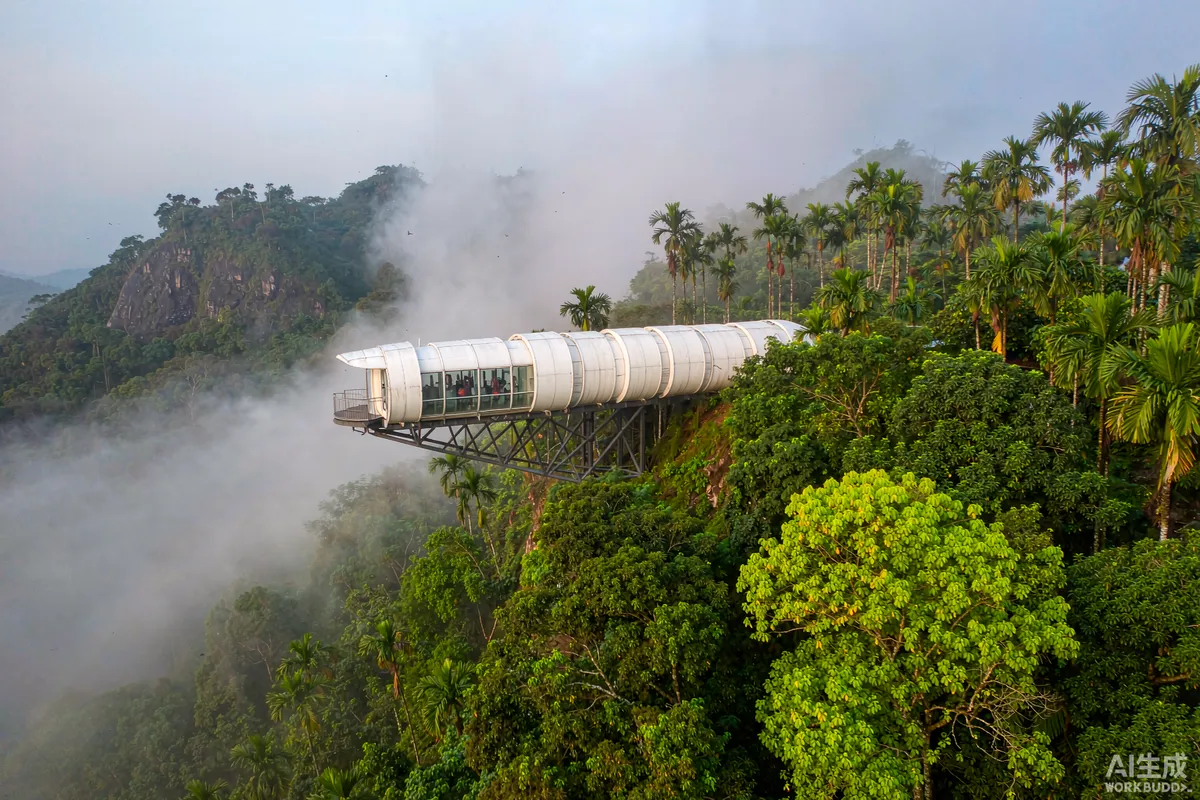
A capsule house in Malaysia is specified around water rather than around temperature: sustained humidity year-round, heavy monsoon rain on a predictable calendar, and - on the islands - constant salt in the air. Cooling matters, but the failures that cost money here are almost always condensation, seal degradation and corrosion, not overheating. This page covers what that means for the specification, how Langkawi, Tioman and Sabah differ as sites, and which approvals to confirm before you order. Current models are on the product pages.
What the Climate Actually Demands
Malaysia sits close to the equator, which produces a narrower temperature range and a far higher moisture load than a Mediterranean or Gulf site. Three consequences follow.
- Humidity is continuous, not seasonal. Relative humidity stays high through the day and the night, so any surface that is cooler than the surrounding air will collect water.
- Rainfall arrives in intense bursts. Design for the short-duration intensity the site actually experiences, not for an annual average.
- Sun load is high but diffuse. Peak temperatures are moderate by Gulf standards, so the cooling calculation is driven as much by dehumidification as by sensible cooling.
On wind: Peninsular Malaysia lies outside the main Northwest Pacific typhoon track, but the northeast monsoon brings sustained heavy rain and strong gusts to the east coast between roughly November and March. Design wind and rain provisions should be stated by a qualified local engineer for the specific site rather than taken from a general description. Requirements may vary by application, market and applicable standard.
Monsoon Water Management
Water is the dominant design load on an exposed Malaysian site, and it is worth treating as a system rather than as a roof detail.
- Roof and gutter capacity sized for the intensity, with a defined overflow path that is not the interior.
- Penetration detailing. Most reported leaks originate at penetrations, junctions and service entries rather than at the roof surface.
- Ground water management. Where a unit sits on piers, the discharge position determines whether the ground beneath the supports is eroded over a season.
- Debris access. In a planted setting, gutters and channels need cleaning access designed in, on a schedule, not assumed.
- Verify after events. A named person should inspect roofs, seals and grounds after severe weather, and record what was found.
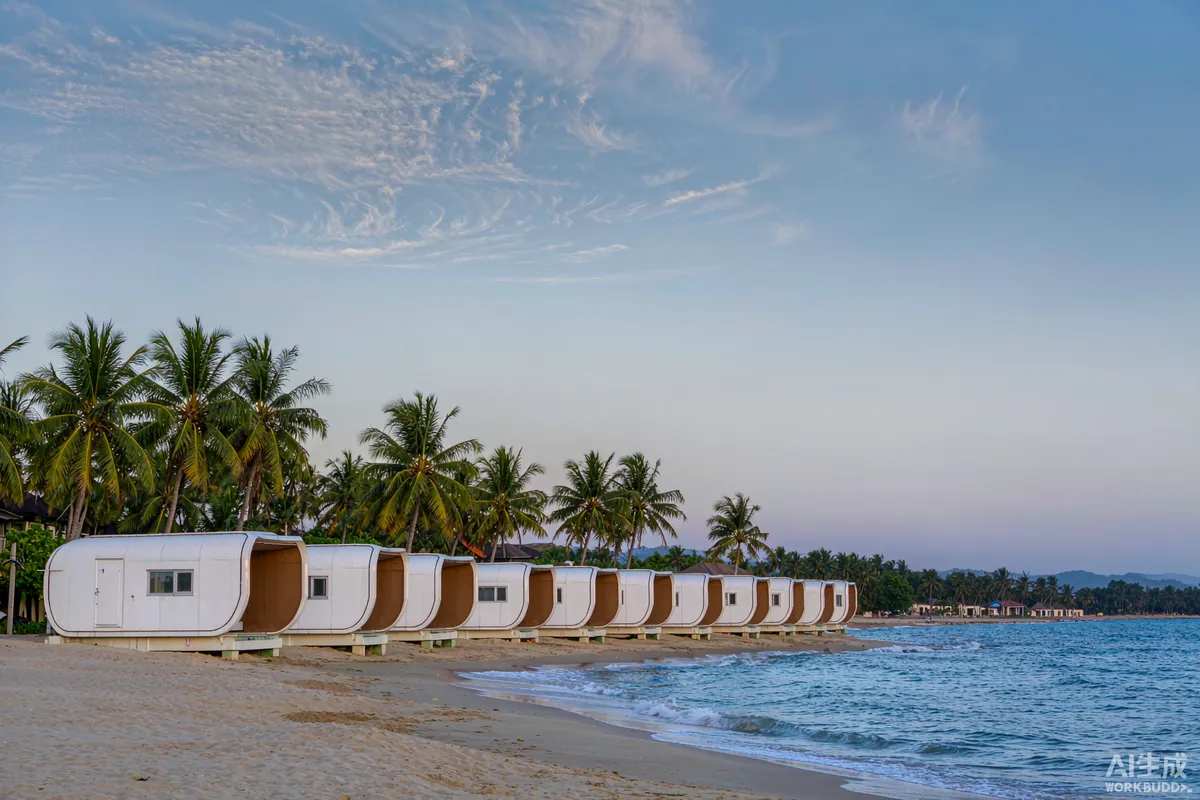
Humidity, Condensation and Mould
This is the section most often skipped, and it is where tropical projects are won or lost over the first two years.
- Condensate must be drained. Continuous air conditioning in humid air produces a substantial volume of water. It needs a pipe to a drain, not a tray.
- Ventilate concealed voids. A void behind an internal lining that cannot breathe will condense on the cold side of the insulation.
- Specify hardware for the environment. Corrosion on small components - hinges, handles, fixings - is what guests notice first.
- Choose interior materials for moisture tolerance and for how quickly they dry after cleaning.
- Give idle units a defined regime. A closed, unconditioned unit will develop mould quickly; the operating manual should say what happens when a unit is out of service.
Coastal and Island Exposure
Salt exposure is not a single condition - it is a function of distance from the surf line, prevailing wind direction and whether the site is sheltered by vegetation or headland.
- Establish the exposure category for each unit position on the site plan, because a unit 30 metres from the water and one 300 metres back do not need the same coating specification.
- Rinse-down access. Fresh water washing of external surfaces at a defined interval is the highest-value maintenance task on any coastal site, and it needs a hose point.
- Sealant renewal. In this climate seals need replacing before they visibly fail. That means a schedule and a stocked part number.
- Fixing material. Fasteners and brackets at edges and penetrations are where corrosion starts, and they should be specified deliberately.
Langkawi, Tioman and Sabah Compared
| Factor | Langkawi (west coast) | Tioman (east coast) | Sabah (Borneo) |
|---|---|---|---|
| Monsoon exposure | Generally more sheltered; southwest monsoon swell | Northeast monsoon brings heavy rain, rough sea and seasonal closure risk | Varies by coast; east coast more exposed than west |
| Access | Ferry and air; road network on the island | Ferry dependent; limited road network; barge for heavy loads | Air and road to Kota Kinabalu, then overland or by sea |
| Operating season | Largely year-round | Seasonal - plan maintenance and cash flow around it | Largely year-round, with local variation |
| Leading specification risk | Salt and humidity | Monsoon water and access interruption | Logistics distance and local content of spares |
Treat the table as a starting point for questions, not as a verdict. Each site is individual, and the exposure of a specific plot matters more than the island it sits on.
Permits, Land Use and Import: Confirm Before Ordering
Three administrative items determine the programme in Malaysia, and none of them should be assumed from another market.
- Land and planning authority. Land use and development approval in Malaysia is administered at state level, and Sabah and Sarawak operate their own arrangements. Identify the authority for your site before drawings are produced.
- Tourism premises licensing. Where the units are let to guests, the operating licence is a separate question from the building approval, and it has its own requirements.
- Import documentation and conformity. Classification, duties and any product conformity requirements should be confirmed with your clearing agent and the relevant authority at the time of order, since these change. Requirements may vary by application, market and applicable standard.
- Electrical installation. Confirm the supply characteristics and have the local engineer design protection and earthing to the applicable local standard.
Getting Units to an Island Site
Heavy-unit logistics is the part of a Malaysian island project most likely to be optimistic.
- Survey the whole route from the port of discharge to the set-down point, including ferry or barge capacity, tidal windows and beach landing conditions.
- Confirm crane availability on the island. Where there is none, the cost and programme of bringing one in should be priced before ordering.
- Plan the weather window. During the northeast monsoon, sea conditions can interrupt delivery for days.
- Confirm storage at the mainland port in case site readiness slips, since storage charges accrue regardless of who caused the delay.
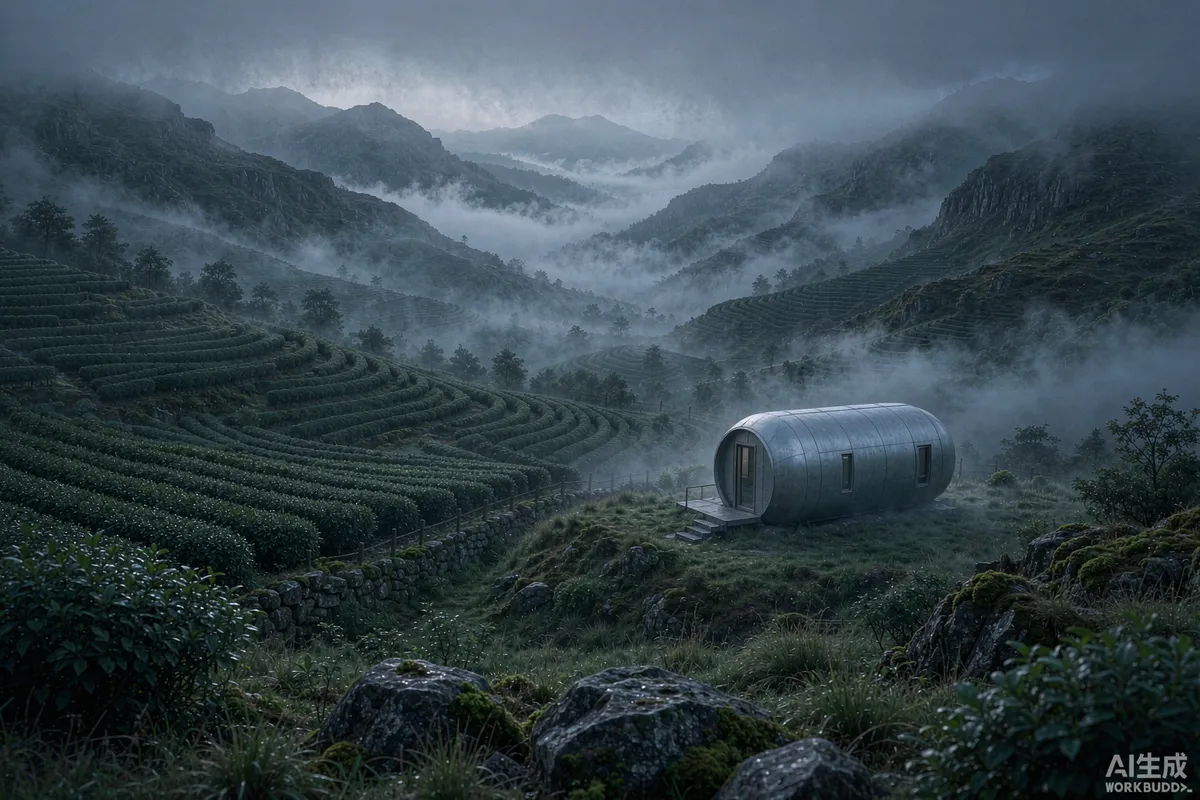
Operating Calendar
- Use the monsoon period for maintenance. Where the season reduces occupancy, that is when units can be taken out of service with least revenue impact.
- Stock consumables before the season, not during it - filters, sealant, gaskets and lamps.
- Price the season honestly. A location with a genuine low season should not carry one rate all year; the rate structure should follow demand.
- Review after the first full year and before any phase two, particularly on condensation and corrosion, which are the two themes that recur in tropical guest feedback.
For the cost side of a Malaysian project, see the capsule house cost guide and the price page; for installation responsibilities, see our foundation and utilities guide. A comparable tropical case is covered in the Indonesia guide. To discuss a specific site, send the location, exposure and intended use.
More from the Blog

Capsule Home Cost Guide: What You Really Pay in 2026
EXW, shipping, install and the hidden line items — a transparent breakdown of total landed cost.
Read article →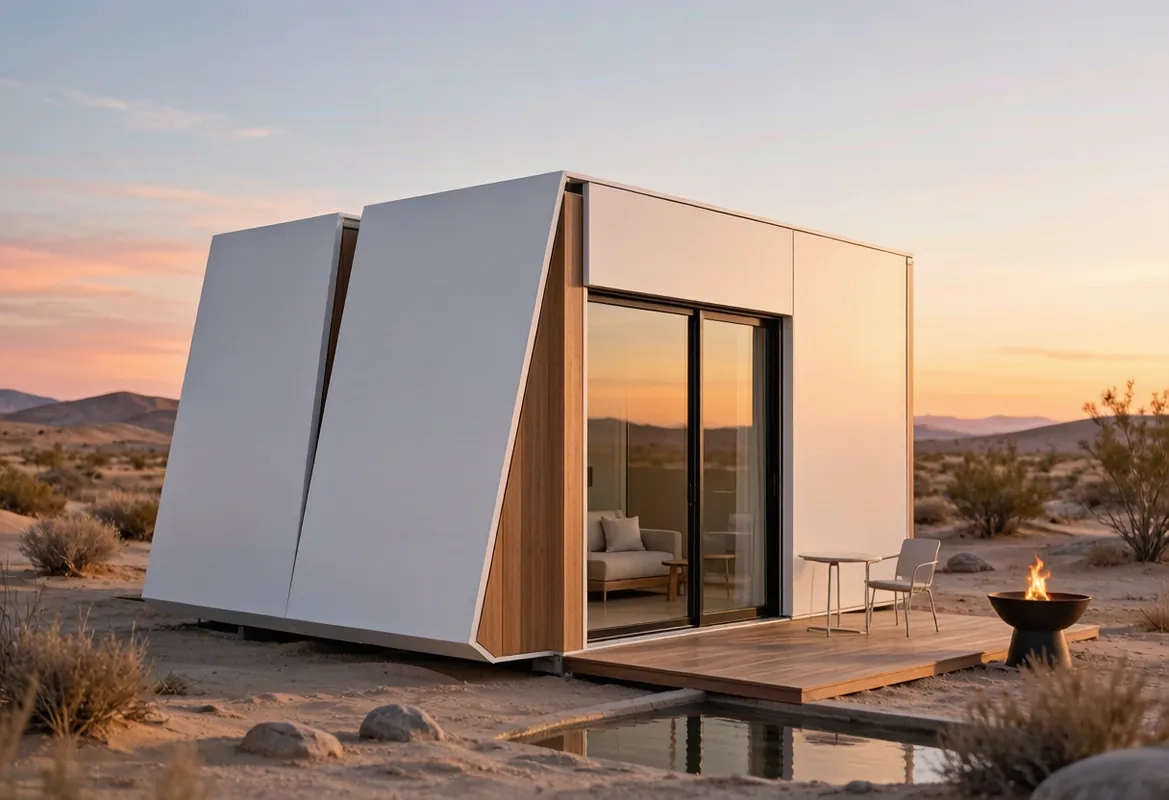
How to Install a Capsule Home in 3 Days: A Step-by-Step Guide
From site prep to first guest — the exact sequence our install crews follow on every deployment.
Read article →
Real Owners, Real Numbers: Success Stories
How a lakeside resort, a Spanish glamping site and a Singapore dealer hit their targets.
Read stories →Talk to the Factory
Ready to Ride the 2026 Wave?
Get the latest catalog, pricing tiers and a layout sketch for your land — straight from the engineering team.