Capsule House Indonesia: Bali and Island Resorts
Capsule house projects in Indonesia: humidity and condensation, coastal salt exposure, seismic design, island logistics and tropical resort operations.
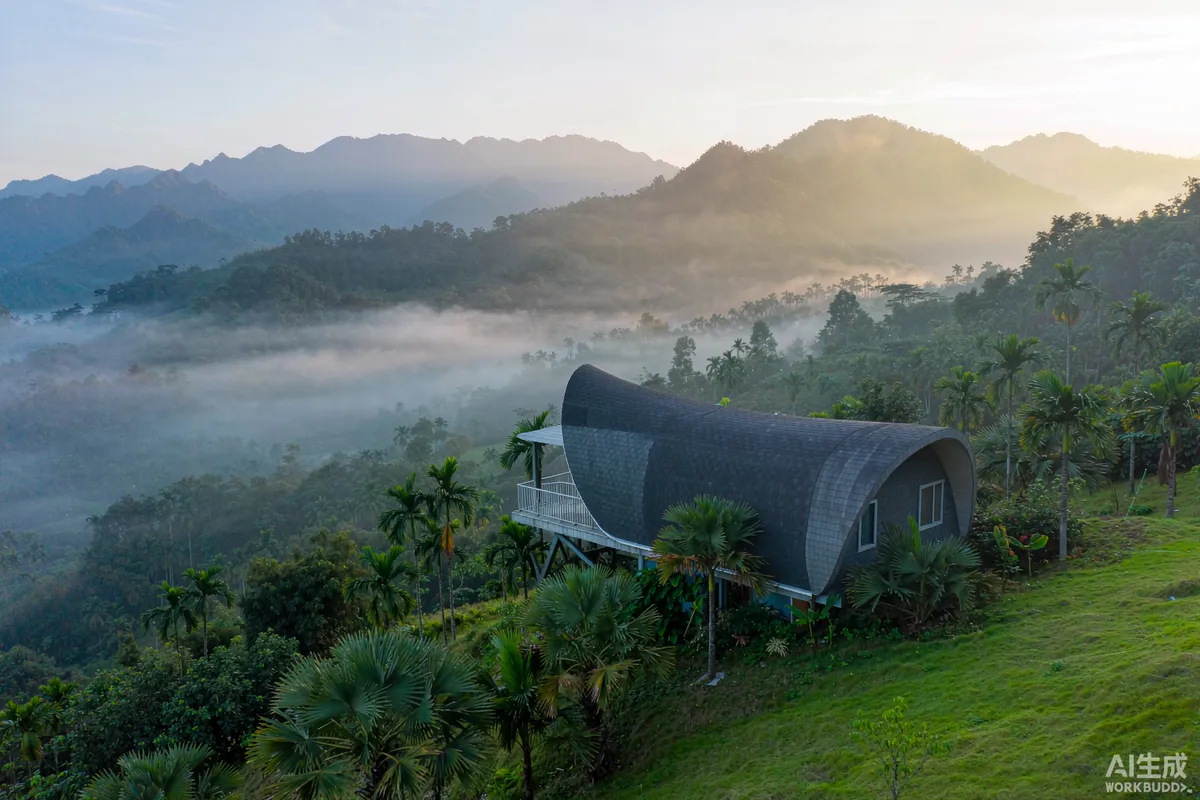
Indonesia combines strong tourism demand with one of the most technically demanding specification environments in the region. The conditions are not extreme in the way a desert is extreme; they are persistent. High humidity is present every day of the year, coastal salt exposure is widespread, seismic activity is a design condition rather than a risk event, and national standards plus local content expectations shape procurement. A specification written for a dry or temperate market performs poorly here in ways that appear within months rather than years.
Humidity and Condensation: The Dominant Factor
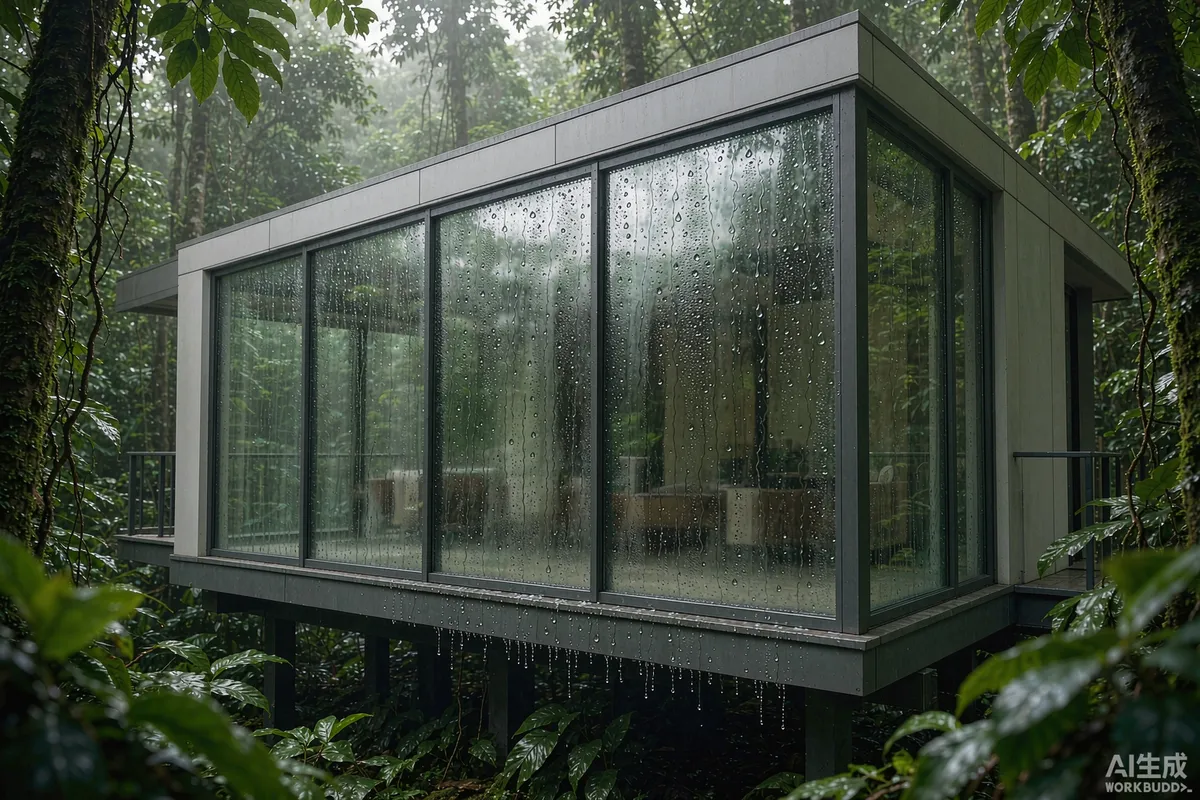
In much of Indonesia the design condition is not a temperature extreme but a moisture load that never goes away.
- Condensation control comes first. The vapour control layer, its continuity, and how the insulation build-up handles moisture drive most of the problems seen in humid markets.
- Air conditioning runs continuously, which produces substantial condensate that must be routed and drained, not absorbed.
- Ventilation has to be designed alongside the cooling strategy; a sealed, unventilated unit will develop mould quickly.
- Ask what happens when a unit is closed and unoccupied. Idle periods are when mould appears, and island resorts have them.
- Select interior materials for humidity - some linings and adhesives that perform well in dry climates do not here.
Coastal Salt Exposure
Most Indonesian resort projects are coastal, and the combination of salt and humidity accelerates corrosion considerably.
- Fastener and fixing specification is the first decision, not a detail.
- Cut edges and penetrations need defined treatment after fabrication.
- External mechanical and electrical equipment needs protection appropriate to a marine atmosphere.
- Sealant life is shorter than in a temperate market; plan replacement rather than repair.
- A rinse-down routine is the highest-value maintenance task and should be in the operating manual from opening.
Seismic and Volcanic Considerations
Parts of Indonesia are seismically active and some project areas are within volcanic hazard zones. Both are engineering inputs rather than procurement concerns.
- Seismic provisions are determined locally. The applicable code, the site class and the resulting requirements are the responsibility of a licensed local engineer.
- Foundation and anchoring design follows from that, and should not be based on a standard detail issued for another market.
- Ask the supplier what lateral load the unit and its anchoring interface have been designed for and in what terms, then have the local engineer verify it against the site.
- Check whether the site is within a hazard zone that affects consent, insurance or evacuation planning.
- Confirm emergency arrangements for a resort in a remote island location as part of the operating plan.
Seismic design requirements, hazard mapping and the applicable standard are matters for the local authority and the engineer of record. Confirm rather than infer. Requirements may vary by application, market and applicable standard.

SNI and Local Content: Verify the Current Position
Indonesia operates a national standards system, and procurement for some project types carries local content expectations. Both should be confirmed for the specific project rather than assumed.
- Establish whether SNI applies to the units, to components, or to specific equipment, and whether compliance is mandatory or voluntary for your case.
- Ask which certificates are required for import and obtain them before shipment rather than at clearance.
- Confirm whether local content expectations apply to your project type or procurement route.
- Confirm the importer's registration and licensing before the vessel sails.
- Use a licensed local broker. Island ports and regional procedures vary, and the cost of a delay is storage.
Standards application, conformity requirements and import procedures change and vary by product and by project. Confirm the current position with the relevant authority or a licensed local adviser. Requirements may vary by application, market and applicable standard.
Island Logistics
Indonesia's geography makes the last leg of delivery the most uncertain part of the programme.
- Confirm the landing point and its capability. Whether a crane exists at the island end is often the decisive question.
- Plan inter-island transfer explicitly and price it separately; it is rarely included in a standard quotation.
- Check the road from landing to site for width, surface and gradient.
- Consider seasonal conditions - sea state affects barge windows.
- Hold a spares stock on site. Inter-island freight makes waiting for a part a multi-week event.
Operational Notes for Tropical Resorts
- Build the maintenance regime into staffing from opening; tropical conditions compress every interval.
- Expect high cleaning time per changeover because of humidity, insects and glass.
- Plan power and water independence where the island supply is limited - many sites need generation and storage.
Roof Form and Rainfall Intensity
Tropical rainfall is not simply more rain; it arrives at intensities that test drainage details designed for temperate climates.
- Rate, not total. A roof and gutter system should be sized for the short-duration intensity the site experiences, not the annual average.
- Overflow provision. Every drainage path should have somewhere to go when it is overwhelmed, and that somewhere should not be the interior.
- Penetration detailing. The majority of water ingress reports originate at penetrations and junctions rather than at the roof surface itself.
- Leaf and debris management. In a planted setting, gutters need cleaning access designed in, not assumed.
- Discharge position. Where water leaves the building determines whether it erodes the ground beneath the supports.
Power Supply on Island Sites
Electrical supply is the constraint that most often shapes an island project, and it should be established before the specification is fixed.
- Grid capacity and stability. Some island supplies are limited or subject to fluctuation, which affects both the appliance specification and the need for protection.
- Generator dependency. Where generation is on site, fuel logistics, noise and maintenance access become part of the layout problem.
- Air conditioning load. In humid conditions cooling is a continuous duty, and it dominates the electrical calculation.
- Earthing and protection. Confirm the local supply arrangement and the protection standard applicable to the installation, and have the local engineer design to it.
Requirements may vary by application, market and applicable standard. Local electrical codes and utility conditions should be confirmed by a qualified local engineer.
Neighbours, Community and Operations
Resort projects in populated islands operate within a community, and this is a practical project risk rather than a public relations one.
- Access agreements. Where the route to the site crosses land or water used by others, the arrangement should be documented before delivery is scheduled.
- Construction disturbance. Agree working hours and route protection with neighbours before work begins, not after the first complaint.
- Wastewater visibility. Treatment and disposal arrangements are the most sensitive operational issue on small islands and the one most likely to attract attention.
- Local employment and training. A resort that can maintain its own units locally is more resilient than one that waits for parts and a technician.
Our Philippines guide covers a comparable archipelago case, including typhoon loading.
Interior Material Choices for High Humidity
Persistent humidity changes which interior materials perform well, and the failures are slow enough that they are often attributed to poor housekeeping rather than to specification.
- Avoid hygroscopic substrates in wet areas and at external wall junctions, where moisture is most likely to be present.
- Ventilate concealed spaces. Voids behind linings that cannot breathe will condense on the cold side of the insulation.
- Specify fixings and hardware for the environment. Corrosion of small components is more visible to guests than any structural issue.
- Choose flooring for moisture tolerance and for the rate at which it can be dried after cleaning.
- Plan a dehumidification strategy for idle periods, since a sealed unit with no air movement is the worst case.
Ask the supplier which interior materials they recommend for a continuously humid climate and why. The reasoning will tell you more than the product list.
Models and options are listed on the product pages. For a specification review against a particular island, send the location, exposure and access details.
More from the Blog

Capsule Home Cost Guide: What You Really Pay in 2026
EXW, shipping, install and the hidden line items — a transparent breakdown of total landed cost.
Read article →
How to Install a Capsule Home in 3 Days: A Step-by-Step Guide
From site prep to first guest — the exact sequence our install crews follow on every deployment.
Read article →
Real Owners, Real Numbers: Success Stories
How a lakeside resort, a Spanish glamping site and a Singapore dealer hit their targets.
Read stories →Talk to the Factory
Ready to Ride the 2026 Wave?
Get the latest catalog, pricing tiers and a layout sketch for your land — straight from the engineering team.