Capsule House Cost by Model: A30 vs A50 vs A70
How capsule house cost differs by model: what changes between a compact, a mid-size and a large unit across materials, freight, cranage, foundation and fit-out.
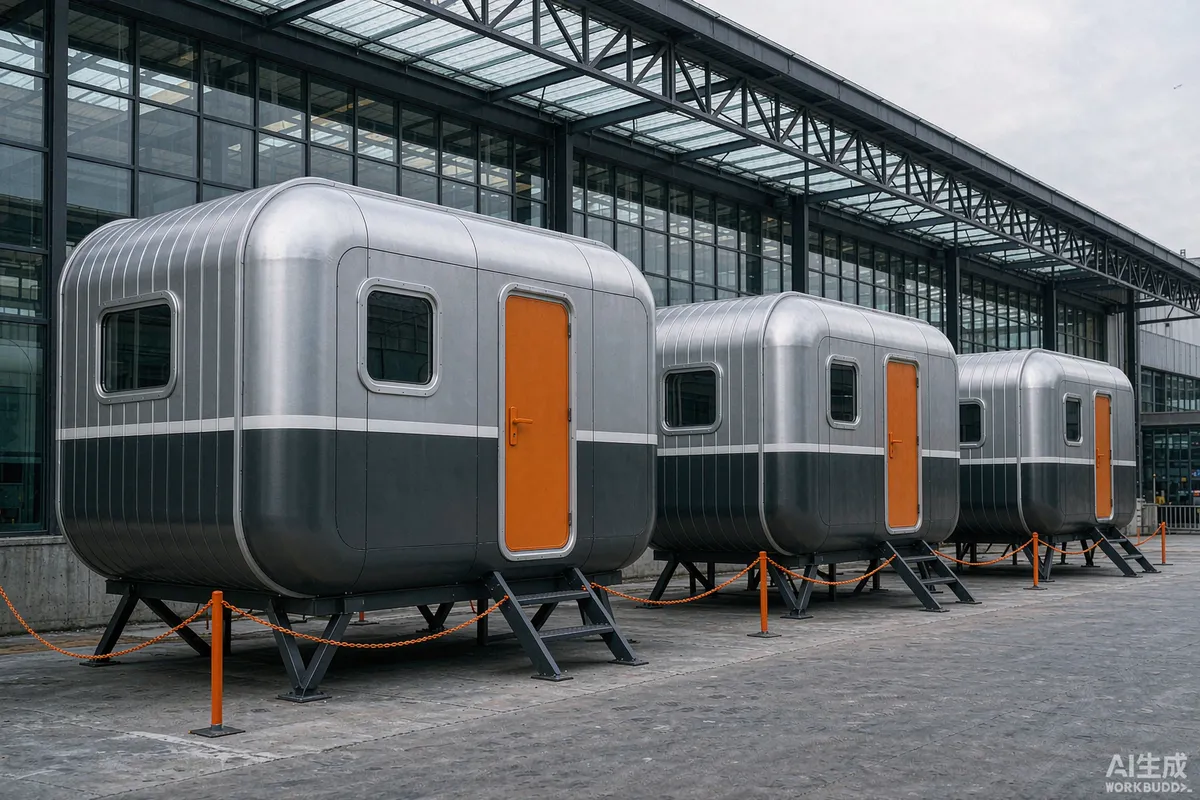
Model choice moves capsule house cost through more channels than the unit price itself: material quantity, freight utilisation, cranage capacity, foundation size and fit-out scope all change together. This page only compares cost by model - for choosing between models on layout and use, see the A-series size guide and the unit mix comparison, which cover that question properly. For price levels and quotation structure, see the capsule house price page.
Three Model Classes
| Cost factor | Compact (A30 class) | Mid-size (A50 class) | Large / two-level (A70 class) |
|---|---|---|---|
| Shell and material quantity | Lowest per unit | Moderate | Highest; two-level units add structure and stair |
| Glazing area | Smallest | Larger panoramic runs | Largest; upper-floor glazing adds specification and weight |
| Interior fit-out scope | Compact wet room, minimal joinery | More storage, defined living zone | Multiple zones, more joinery and services runs |
| Freight utilisation | Most flexible on packing and routing | Usually the efficient middle | May require special arrangements depending on dimensions |
| Cranage and placement | Lightest lift | Standard lift | Heaviest; may need a larger crane and more ground preparation |
| Foundation and services | Smallest footprint | Moderate | Largest; higher service loads |
| Running cost per unit | Lowest conditioned volume | Moderate | Highest cooling and heating load |
Read the table as direction rather than as magnitude. The ratios between rows depend on specification, route and market; the ranking is what transfers between projects.
Where the Difference Actually Comes From
Five mechanisms explain most of the spread between models, and only the first is visible in the unit price.
- Material quantity. More shell, more glazing, more insulation, more interior lining. This is the direct component.
- Freight utilisation. Freight is priced on volume and on route constraints. A model that packs efficiently into a container costs less per unit to ship than one that does not, and a model that exceeds a route limit can cost very much more.
- Lift cost. Crane hire is priced by capacity, and capacity is priced in steps. A unit that crosses into the next capacity band can change the whole placement budget.
- Foundation and services. A larger, heavier unit needs a larger foundation and a higher service capacity, both of which are local costs priced locally.
- Running cost. A larger conditioned volume costs more to cool and heat for the life of the asset. Over a ten-year hold this can exceed the capital difference.
Cost per Unit Versus Cost per Project
These are not the same calculation, and choosing between them is where model selection usually goes wrong on cost grounds.
- Cost per unit favours the compact model almost always.
- Cost per guest may favour the mid or large model if it accommodates more occupants without adding a second unit - because a second unit brings a second foundation, a second service connection and a second delivery.
- Cost per square metre frequently favours the larger model, which is why that measure is misleading for a product sold on outlook rather than area.
- Cost per occupied night is the measure a hospitality project should use, and it depends on what the market will pay for the larger unit.
Decide which denominator applies before comparing models. Projects that change denominator halfway through reach contradictory conclusions honestly.
The Knock-On Effects Worth Pricing
- Route survey per model. Packed dimensions differ; a route that works for one model may not work for another.
- Crane mobilisation may be a single cost that covers any model on the site, in which case the lift cost difference between models is smaller than expected.
- Storage and handling at port scale with volume.
- Spare parts inventory grows with the number of distinct models on one site.
- Standardisation saving. One model across a site reduces design, documentation and maintenance cost, and it can outweigh the per-unit advantage of mixing.
Comparing Quotations Across Models
- Ask for the same delivery term for every model quoted. Without this, the comparison is meaningless.
- Ask for the specification line by line, because a larger model quoted with a lighter specification can appear cheaper than a smaller one.
- Ask for packed dimensions and packed weight per model and get freight quoted against those figures.
- Ask for the foundation load figures per model and have your engineer price the foundation for each.
- Ask what changes if you switch model after order. The answer is rarely just the unit price difference.
Where Mixing Models Does Make Sense
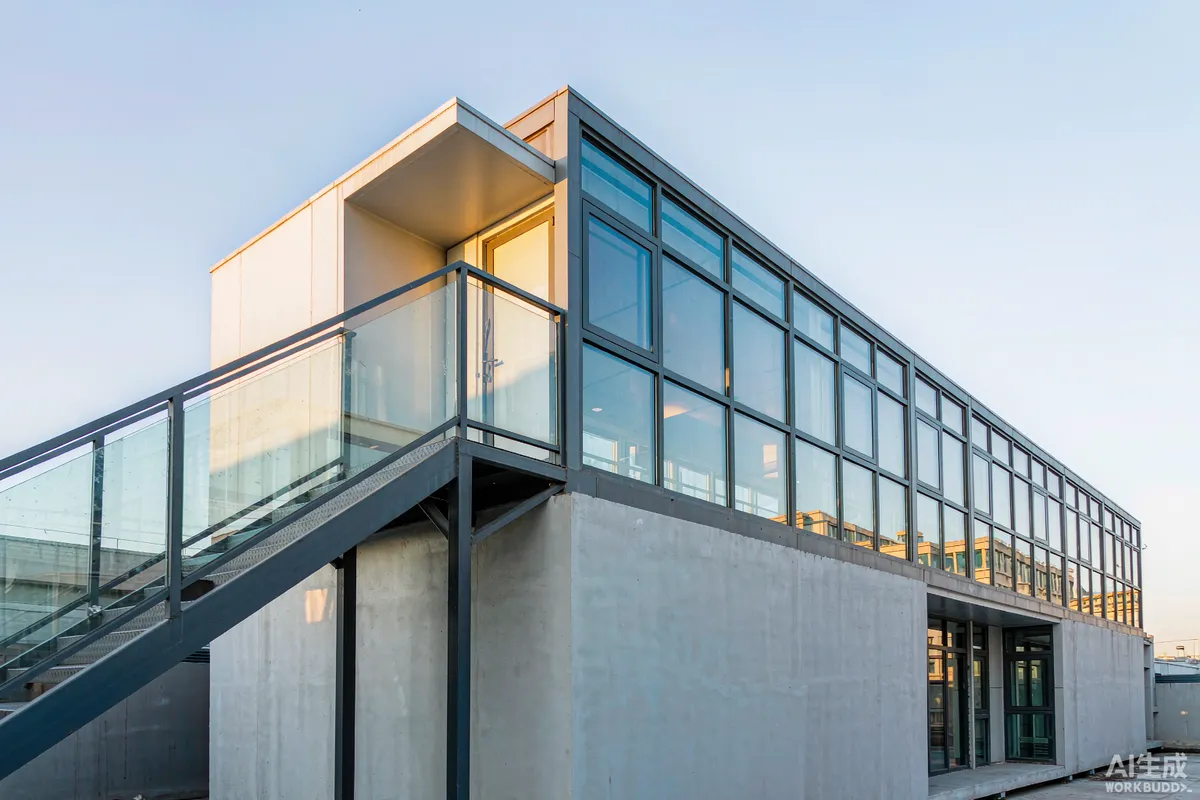
- Accessible plots take the large model and difficult plots take the compact one, matching the unit to the route rather than forcing one model everywhere.
- A small number of larger units can serve family or long-stay demand while the rest of the inventory stays standard.
- Standardise the services interface even where the models differ, so that the site infrastructure is one design.
The trade-off is real: mixing adds a second spares list, a second maintenance routine and a second set of drawings. It is worth it when the demand or the terrain justifies it, and not otherwise.
What This Page Does Not Cover
- Which model suits which use case - see the size guide and the unit mix page.
- Price levels and quotation structure - see the price page.
- Full landed cost, duties and site costs - see the cost guide.
Specification Choices That Move Model Cost
Within a single model, three specification choices move the number more than the model choice itself, and they are worth isolating in any comparison.
- Glazing specification and area. Large-format solar control glazing in a thermally broken frame is a significant premium over standard double glazing, and the premium scales with area - so it is larger on the bigger models.
- Interior fit-out level. Lining, joinery, flooring and appliances are where two quotations for "the same model" diverge most, and the divergence is invisible unless the specification is listed line by line.
- MEP capacity. Heating and cooling provision, water heating and electrical capacity follow the destination climate, and a unit specified for a temperate site will be cheaper than the same model specified for the Gulf.
When comparing models, hold the specification constant and vary only the model. Otherwise the comparison measures two things at once and explains neither.
Lifecycle Cost by Model
The capital difference between models is a one-off; the running difference is permanent, and over a long hold it can dominate.
- Conditioned volume. Cooling and heating cost scales with volume and glazing area, both of which increase with model size.
- Maintenance surface area. More envelope and more glazing means more seals to renew and more surface to clean.
- Component count. Larger units typically contain more appliances and more joinery, which means more items to fail and to replace.
- Replacement value. At resale, a well-documented larger unit commands more - but only with the records to support it.
How to Present the Comparison Internally
- Show three models against four denominators - per unit, per guest, per square metre and per available night - and state which one applies to the decision.
- Show the capital and the annual cost together. A model that is cheaper to buy and more expensive to run is not obviously cheaper.
- Name the assumption behind each number so that a challenge can be answered rather than re-litigated.
- Keep the version that was approved. Model comparisons get revised; the approved version is the one that matters later.
Questions to Put to the Supplier
- What are the packed dimensions and weight for each model quoted? Without them, freight and cranage cannot be priced.
- What foundation load figures apply to each model? Your engineer needs them per model, not generically.
- Which parts of the specification are shared between models? Shared components reduce the spares inventory when models are mixed.
- What is the price effect of changing model after specification lock? Ask before you might need it, not when you do.
- How long is this configuration produced for? A discontinued model cannot be matched in a later phase.
Ask for all five answers in writing. The comparison is only as good as the least specific answer in it.
Current models and their dimensions are on the product pages. For a structured comparison against a specific project, send the site, the unit count and the intended use.
More from the Blog

Capsule Home Cost Guide: What You Really Pay in 2026
EXW, shipping, install and the hidden line items — a transparent breakdown of total landed cost.
Read article →
How to Install a Capsule Home in 3 Days: A Step-by-Step Guide
From site prep to first guest — the exact sequence our install crews follow on every deployment.
Read article →
Real Owners, Real Numbers: Success Stories
How a lakeside resort, a Spanish glamping site and a Singapore dealer hit their targets.
Read stories →Talk to the Factory
Ready to Ride the 2026 Wave?
Get the latest catalog, pricing tiers and a layout sketch for your land — straight from the engineering team.